Choosing the right welding equipment is crucial for producing non-standard customized products. This task can be daunting, especially for those new to the welding industry. Understanding how to select welding equipment for non-standard customized products requires both knowledge and experience. Different materials, thicknesses, and designs can significantly impact your choice of tools.
Welding materials come in various forms, each with specific requirements. For example, aluminum and stainless steel often need distinct welding techniques. You'll need to familiarize yourself with technologies like MIG, TIG, and stick welding. Each method has its advantages and disadvantages. Your selection process should be informed by these factors.
Not all projects will go smoothly. Some might demand adjustments to equipment or techniques. It's important to reflect on past experiences and identify what worked and what didn't. Recognizing these details can help you refine your approach. Quality welding equipment leads to better customization and reduces errors in production. Ultimately, your equipment choice can define the success of your custom products.
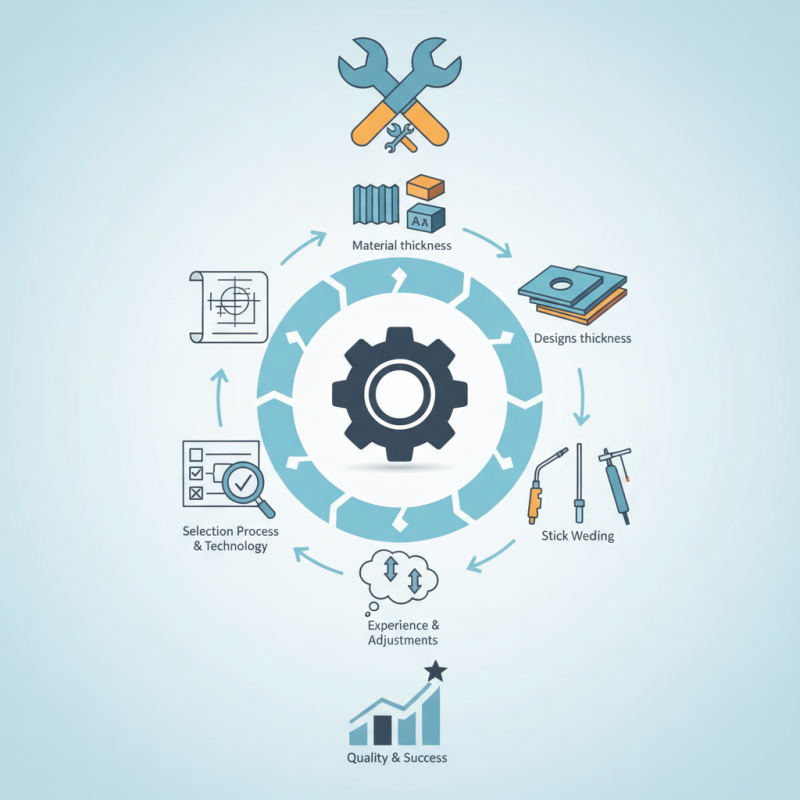
When selecting welding equipment for custom products, understanding the basics of welding processes is essential. There are various welding methods, including MIG, TIG, and Stick welding. Each method has distinct advantages and applications. For instance, MIG welding is known for its speed and is great for thin materials. On the other hand, TIG welding offers precision and is ideal for intricate work.
Choosing the right equipment requires experience and knowledge of materials. Shop for equipment that matches your specific needs. Consider factors such as metal thickness and type. Make sure to evaluate the duty cycle of the welder. Ignoring this can lead to overheating issues.
Tips: Always invest in good safety gear. This includes helmets, gloves, and protective clothing. Using the right safety equipment protects you from harmful sparks and UV rays. Additionally, take time to practice on scrap metal before working on your actual project. This helps refine your technique and builds confidence. Remember that no one gets it perfect the first time. Mistakes can be learning opportunities.
| Welding Process | Common Uses | Equipment Required | Material Compatibility | Skill Level |
|---|---|---|---|---|
| MIG Welding | Light to medium fabrication, automotive work | MIG welder, gas cylinder, safety gear | Steel, aluminum, stainless steel | Beginner to Intermediate |
| TIG Welding | Precision work, thin materials | TIG welder, tungsten electrodes, filler metal | Aluminum, magnesium, copper alloys | Intermediate to Advanced |
| Stick Welding | Heavy-duty fabrication, outdoor work | Stick welder, electrodes, protective gear | Steel, iron, cast iron | Beginner |
| Flux-Cored Welding | Construction, repair work | Flux-cored welder, wire feeder, safety equipment | Steel, some stainless steels | Intermediate |
: The main welding methods include MIG, TIG, and Stick welding. Each method has unique strengths.
Evaluate your specific needs, including metal type, thickness, and the duty cycle of the welder.
Safety gear protects you from sparks and harmful UV rays. Always invest in a good helmet and gloves.
Yes, practicing on scrap metal helps refine your technique. Mistakes are valuable learning opportunities.
Begin by understanding your project needs. Align your budget with the types of materials and joints you will use.
Yes, used equipment can save money. Just be aware of potential maintenance costs over time.
Don't overlook maintenance and consumables. They can add up quickly and impact your overall budget.
Create a spreadsheet of all potential costs. Update it regularly to reflect changes in your projects.
Rushing can lead to poor choices. Take time to reflect on your needs and ensure compatibility with production goals.
Testing prevents costly mistakes on your final products. It allows you to gauge the equipment's performance.
Choosing the right welding equipment for non-standard customized products involves a thorough understanding of various welding processes and the specific requirements of the project. It is crucial to identify the unique demands of your custom products, which can range from materials to structural complexity. Evaluating the different types of welding equipment available is essential, as each type caters to specific welding techniques and applications.
Additionally, one must assess the costs and budget associated with purchasing the appropriate welding equipment. This includes not only the initial investment but also ongoing maintenance and operational costs. Lastly, prioritizing safety and maintenance practices is vital to ensure efficient welding operations and protect the wellbeing of operators. Ultimately, knowing how to select welding equipment for non-standard customized products requires careful consideration of these factors to achieve optimal results.

 Heping Mechanical