In today's industrial landscape, plastic welding equipment plays a crucial role in various applications. However, many operators overlook the importance of proper maintenance techniques. Understanding how to maintain plastic welding equipment for longer service life is key to ensuring reliable performance. Routine care not only prolongs the lifespan but also enhances efficiency in operations.
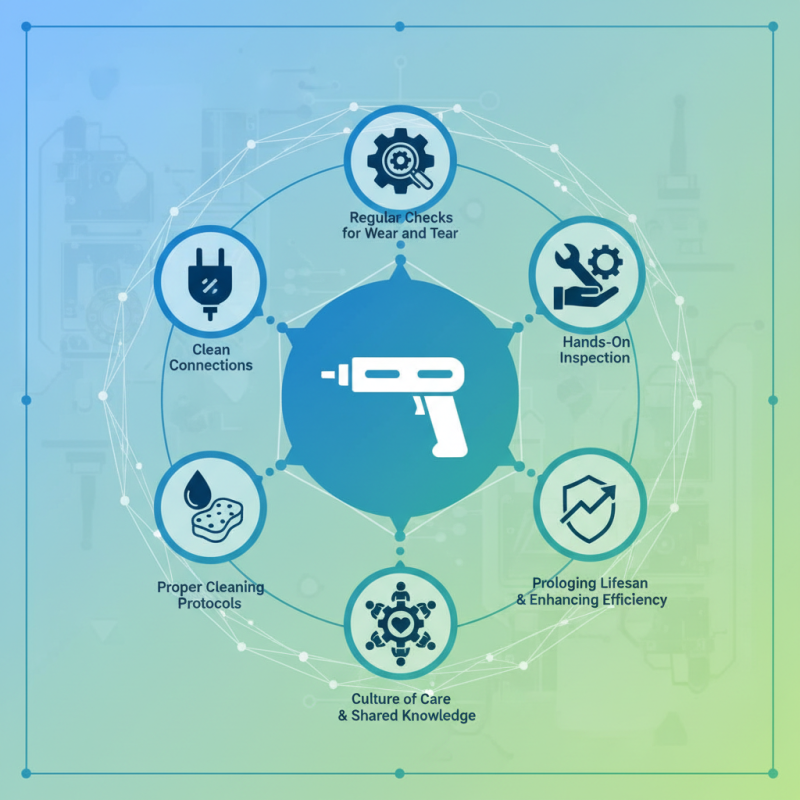
Neglecting simple maintenance tasks can lead to significant issues. Regularly checking for wear and tear is essential. Misalignment or dirty connections may compromise the welding process. Operators can benefit from a hands-on approach, regularly inspecting parts for any signs of damage. Proper cleaning protocols also contribute to equipment longevity.
By focusing on these factors, users can protect their investments. Sharing insights from experienced professionals emphasizes the value of adherence to maintenance routines. Building a culture of care and supporting each other in this process can further improve outcomes. Ultimately, learning how to maintain your equipment is an ongoing journey with room for reflection and growth.
Regular maintenance of plastic welding equipment plays a crucial role in extending its lifespan. According to industry reports, neglecting routine checks can lead to a decrease in performance by over 25%. Addressing minor issues promptly prevents more significant failures later. Technicians often overlook the significance of cleaning and calibrating equipment regularly.
A recent survey by the Welding Institute revealed that 40% of companies fail to perform regular maintenance. This oversight often results in costly repairs or premature equipment replacements. Keeping machines in optimal condition improves production efficiency and reduces downtime. Simple tasks, like checking heating elements and replacing worn nozzles, can make a noticeable difference.
It’s easy to forget the basics in busy operations. Yet, detailed record-keeping of maintenance activities can help identify patterns in equipment wear. This focus on maintenance is not merely a recommendation but an industry necessity. Inadequate care can lead to not only operational inefficiencies but also safety risks. Adopting a proactive maintenance routine may seem tedious, but it pays off in reliability and performance.
| Maintenance Task | Frequency | Importance Level | Description |
|---|---|---|---|
| Visual Inspection | Daily | High | Check for any visible damage or wear on the equipment. |
| Clean Welding Tips | Weekly | Medium | Remove any buildup from the welding tips to ensure proper function. |
| Check Electrical Connections | Monthly | High | Ensure all connections are secure and in good condition. |
| Lubricate Moving Parts | Quarterly | Medium | Apply appropriate lubricant to moving parts to reduce friction. |
| Software Updates | Annually | Low | Check for and install any available software updates. |
: Improper handling can account for nearly 30% of equipment failures.
A clean workspace prevents debris buildup, which can cause overheating.
Check cables and connectors for wear to avoid short circuits.
Calibration ensures consistent weld quality and reduces strain on the machine.
Allowing the machine to cool prevents overheating and extends its lifespan.
Temperature and humidity fluctuations can cause material fatigue and corrosion.
Store equipment indoors and free from dust and harsh elements.
Overworking can lead to overheating, ultimately shortening equipment life.
Reflecting on past mistakes helps improve future handling practices.
Yes, neglect can significantly decrease reliability and equipment lifespan.
To ensure the durability and longevity of plastic welding equipment, it is crucial to understand how to maintain plastic welding equipment for longer service life. Regular maintenance plays a significant role in keeping the tools in optimal condition. This includes routine cleaning practices that help prevent contamination and damage, as well as proper storage methods that protect equipment from environmental factors that could compromise their functionality.
Moreover, employing best practices during usage is vital to avoid wear and tear that could lead to costly repairs or replacements. Upgrading components when necessary can further enhance the lifespan of the equipment. Ultimately, being mindful of factors such as temperature and humidity can also significantly influence the longevity of plastic welding tools, enabling users to maximize their investment in these essential devices.

 Heping Mechanical