Welding strength in plastic products is critical for durability and performance. Many factors influence the welding strength. Industry expert Dr. Emily Jacobs has noted, “The temperature, pressure, and material type significantly impact the weld quality.” Understanding what factors affect the welding strength of plastic products is essential for manufacturers aiming for excellence.
Temperature control is crucial. Too high or too low temperatures can lead to weak joints. The pressure applied during welding also plays a role; improper pressure may prevent strong bonds. Moreover, the type of plastic used can affect the welding process. Different plastics have varying chemical properties that influence their weldability.
Evaluating these factors can lead to better design and production practices. However, challenges remain. For instance, achieving the perfect balance between heat and pressure often requires extensive testing. Each production run can yield different results, warranting a critical eye on processes. Exploring what factors affect the welding strength of plastic products offers a path to improved manufacturing and enhanced end-use performance.
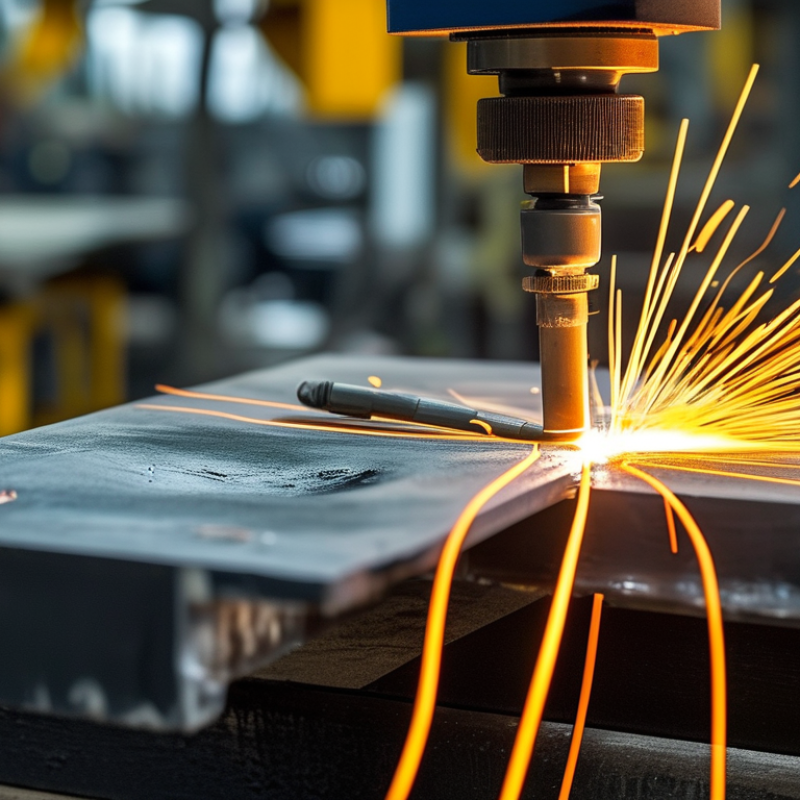
When selecting materials for plastic welding, several factors come into play. The type of plastic greatly impacts welding strength. Materials like polypropylene typically offer better weld strength than PVC due to their inherent properties. According to the American Welding Society, the weld strength can vary significantly, sometimes reaching 90% of the base material's strength in optimal conditions.
Another crucial factor is the thickness of the plastic. Thicker materials tend to require higher energy input for effective welding. However, overshooting the energy can lead to melting or warping. A study by the Society of Plastics Engineers showed that optimal thickness can vary, particularly between 1 mm to 5 mm, where the weld tends to be stronger.
Temperature control during the welding process is also essential. Different plastics require different temperature ranges. For instance, polyethylene often welds best at around 230°C. Inconsistent temperature application can lead to weak joints, which may fail in practical applications. Ensuring uniform heating and proper technique remains a challenge for many operators. Mistakes in temperature can lead to costly rework and potential product failures.
This chart represents the influence of various factors on welding strength in plastic products. The data illustrates how different welding techniques and material types can affect the overall strength of the welded joint.
Temperature plays a crucial role in determining the welding strength of plastic products. When welding plastics, the right temperature ensures proper fusion of materials.
Too high a temperature can lead to material degradation.
Conversely, too low a temperature can result in incomplete welding. Understanding this balance is vital for optimal results.
For effective welding, monitor the temperature closely during the process. A good practice is to conduct small tests with varying temperatures to find the optimal range.
Sometimes, unexpected results can occur at what seems to be the ideal temperature. Keep records of these anomalies to refine future welding techniques.
In addition to temperature, consider environmental factors. Humidity and air pressure can affect welding performance.
Being aware of these elements will help enhance your welding process. Regularly reviewing methods and outcomes can lead to better practices over time.
Adjust techniques based on the lessons learned from previous projects.
Welding techniques play a crucial role in the strength of plastic products. Different methods, like ultrasonic and laser welding, can yield varying results. Each technique offers distinct advantages and challenges, impacting the final bond strength.
Ultrasonic welding is fast but may not be suitable for thicker materials. Laser welding offers precision and depth but might require extensive setup.
The choice of welding technique directly affects the bond characteristics. Factors such as temperature, pressure, and time must be balanced meticulously. If the heat is too high, it can melt the plastic excessively, leading to weak joins. Insufficient pressure may also create gaps, compromising strength. Observing these details can greatly enhance the quality of the weld.
Even experienced welders face challenges. Variability in material properties can lead to unexpected outcomes. One technique may work perfectly with one type of plastic and fail with another. Continuous training and refinement of skills are necessary to adapt. Testing and adjusting parameters is an ongoing process for improving results. This reflective practice helps in achieving optimal bonding in welding projects.
Surface preparation is a crucial aspect influencing the integrity of plastic welding. Proper cleaning and treatment of surfaces improve adhesion and strength. According to industry data, a clean surface can enhance welding strength by up to 70%. Non-polar contaminants, such as oils or dust, significantly reduce bond quality, resulting in weak joints.
Different surface preparation methods exist, such as abrasion, solvent cleaning, and plasma treatment. Each method has distinct effectiveness. For instance, plasma treatment modifies the surface at a molecular level, increasing surface energy. Studies indicate that plasma-enhanced welding joints have a 30% higher load-bearing capacity than untreated surfaces. However, it's essential to assess the balance between preparation cost and benefit.
Improper surface preparation can lead to failures that are hard to detect. Weld defects often remain hidden until later use, causing risks in safety and performance. Regular assessments and adjustments in the preparation process can mitigate these issues. Innovation in surface preparation techniques is needed, aiming for optimal strength in plastic welding applications.
Joint design plays a critical role in the strength of welded plastic components. Various factors can affect the outcome, including the geometry of the joints, the type of welding technique used, and the specific materials involved. A study by the American Welding Society highlights that proper joint design improves strength by up to 40%. This data underscores the importance of engineering a joint to withstand operational stresses.
For instance, a butt joint may favor easier alignment but can allow for stress concentration. In contrast, a staggered joint provides a larger bonding area, which significantly enhances load distribution. Research indicates that joints designed for specific applications can result in an overall 25% increase in performance metrics. Designers must consider the ultimate use of the plastic part when determining the most effective joint type.
Moreover, it’s important to acknowledge that some joint designs may require re-evaluation. Factors such as environmental impact or assembly process can change over time. A design that once ensured optimal welding strength might not hold up under new manufacturing conditions. Continuous evaluation and testing of joint designs remain essential to maintain product integrity in the ever-evolving landscape of plastic products.
| Joint Design Type | Material Type | Welding Temperature (°C) | Cooling Rate (°C/min) | Weld Strength (MPa) |
|---|---|---|---|---|
| Butt Joint | Polypropylene (PP) | 220 | 5 | 25 |
| Lap Joint | Polyvinyl Chloride (PVC) | 210 | 10 | 30 |
| T-Joint | Acrylonitrile Butadiene Styrene (ABS) | 230 | 8 | 35 |
| Corner Joint | Polycarbonate (PC) | 240 | 4 | 40 |
| Edge Joint | Polystyrene (PS) | 200 | 6 | 20 |
: Different welding methods can yield varying results. Each technique has unique advantages and challenges that affect bond strength.
Proper joint design can improve strength significantly. Up to 40% strength enhancement is possible with well-engineered joints.
High heat can melt plastic excessively, weakening bonds. Insufficient pressure may create gaps that compromise the joint's strength.
Yes, even skilled welders encounter variability in material properties that may lead to unexpected results. Continuous adaptation is needed.
Joint geometry can affect stress concentration and load distribution. A staggered joint can enhance performance more than a butt joint.
Environmental factors and assembly processes may change. Designs that once worked optimally may need re-evaluation over time.
Ultrasonic welding is fast but may not be suitable for thicker materials, limiting its use in certain applications.
Continuous training helps welders refine skills. This approach enables better adaptation to different materials and welding conditions.
Designers need to think about the ultimate use of a plastic part to select the most effective joint type for the application.
Testing and adjusting parameters are critical for enhancing results in welding projects. Ongoing refinement is key to optimal bonding.
Welding strength in plastic products is influenced by several critical factors. Firstly, the selection of materials plays a significant role, as different plastics exhibit varying melting points and thermal properties that affect their weldability. Moreover, temperature control during the welding process is crucial; excessive heat can weaken the bond, while inadequate heat may lead to incomplete fusion. Additionally, the choice of welding technique, whether it be ultrasonic, laser, or hot plate welding, impacts the effectiveness of the joint.
Surface preparation is another vital aspect that determines the integrity of plastic welding. Clean and properly prepared surfaces promote better adhesion and strength in the welded joint. Finally, the design of the joint itself can affect how forces are distributed across the weld, impacting overall strength. Understanding these aspects provides insight into "what factors affect the welding strength of plastic products," enabling manufacturers to optimize their welding processes for improved durability and performance.

Heping Mechanical