In the dynamic world of manufacturing, temperature control is pivotal, especially in welding processes like hot melt and hot plate welding. As experts point out, maintaining the right temperature prevents defects and enhances the quality of the welds. Dr. Emily Carter, a notable figure in materials science, emphasizes, "Precise temperature management is crucial for strong and reliable welds."
Understanding why temperature control is important in hot melt and hot plate welding can reshape how we approach these processes. Improper temperature settings can lead to weak bonds, increased defects, and even equipment damage. For instance, if the temperature is too low, the materials may not properly fuse. Conversely, excessive heat can degrade the material properties and compromise integrity.
Attention to temperature not only affects the weld but also the overall efficiency of production. Variations can cause delays and unexpected costs. Therefore, mastering temperature control is not just beneficial; it’s essential for success in welding applications. In this context, embracing precise controls is a fundamental aspect that influences the outcome of every weld.
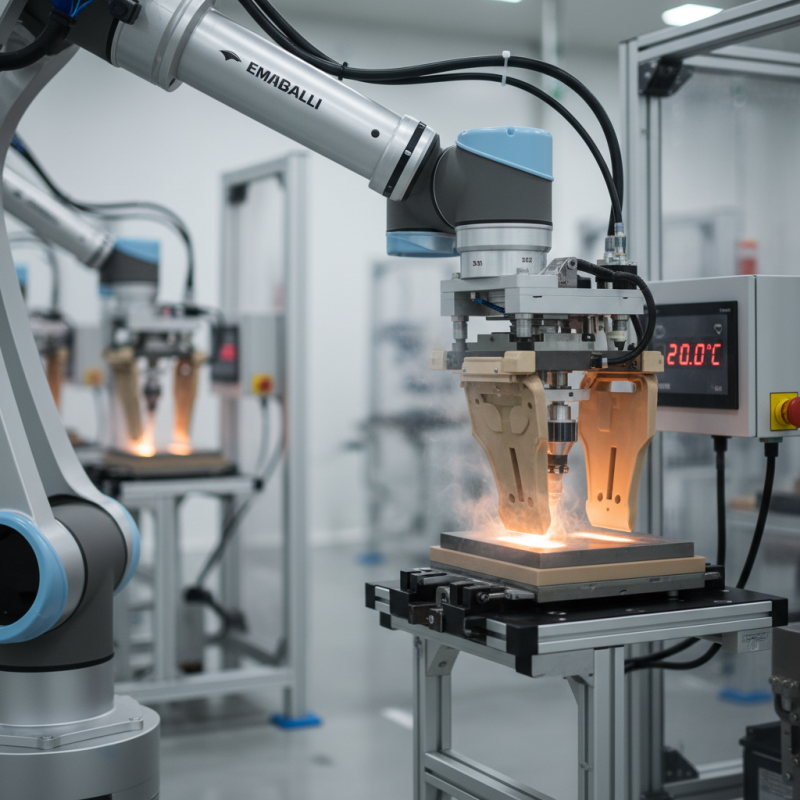
Importance of Temperature Control in Welding Processes
Temperature control is vital in welding processes for several reasons. Accurate temperature management influences the integrity and performance of welded joints. The American Welding Society indicates that improper temperature can lead to defects, such as cracking and distortion. According to recent studies, defects due to incorrect heat application can increase project costs by as much as 30%.
Managing temperature involves understanding the materials being welded. Different metals have unique melting points, affecting the welding technique. For instance, steel often requires different heat settings than aluminum. Poor temperature control can result in ineffective fusion or excessive dilution of the weld pool. These issues not only affect the appearance of the weld but can critically compromise its load-bearing capacity.
In practice, achieving optimal temperature can be challenging. Factors like environmental conditions and the skill level of the welder play significant roles. Monitoring tools are essential to ensure consistent temperature application. However, human error can lead to variations. Establishing protocols and training welders on temperature impacts can help mitigate these risks. Focusing on temperature control is not just a technical requirement; it’s a cornerstone of welding quality assurance.
Impact of Temperature on Weld Quality and Strength
Temperature control is crucial in welding due to its direct impact on weld quality and strength. When welders fail to maintain the ideal temperature, it can lead to defects. For instance, excessive heat may cause warping and distortion of the base materials. This distortion compromises the structural integrity of the weld, potentially leading to failure under stress.
On the other hand, insufficient heat can hinder proper melting and fusion of the materials. Inadequate penetration results in weak joints that may not endure load demands. The right temperature promotes a strong bond, ensuring the exposed metals fuse seamlessly. Welders must continuously monitor and adjust temperatures to create safe, reliable welds.
Welding operators should understand the specific temperature requirements for different materials. Each metal behaves uniquely, requiring dedicated techniques. While experience plays a key role, ongoing education and training are vital. There is always room for improvement and learning in temperature management, which remains a common challenge for many welders.
Effects of Temperature on Material Properties During Welding
Welding is a complex process where temperature control plays a critical role. The temperature during welding impacts material properties significantly. For instance, a study by the American Welding Society indicated that specific metallurgical changes occur in steels when heated above certain thresholds. These changes can lead to alterations in hardness and tensile strength, affecting the material's overall performance.
When temperatures exceed optimal levels, it can cause unwanted effects like warping or cracking. The heat-affected zone (HAZ) within the weld may experience changes that compromise the integrity of the joint. According to research from the Welding Institute, the HAZ can become brittle if cooled too quickly. This underscores the importance of maintaining adequate temperature control throughout the welding process.
Furthermore, the cooling rate after welding can influence residual stress levels. A report by the International Institute of Welding emphasizes that a controlled cooling rate is essential to minimize distortion. Inadequate temperature monitoring may lead to inconsistent results, raising the risk of failure. These insights highlight the necessity of precise temperature management in welding, which can ultimately determine the quality of the weld and the longevity of the structure.
Techniques for Effective Temperature Control in Welding
Effective temperature control in welding is crucial for ensuring the quality and integrity of welded joints. Techniques such as preheating, interpass temperature monitoring, and post-heating strategies are vital for achieving desirable metallurgical properties. According to the American Welding Society, maintaining a consistent temperature can reduce the risk of defects like cracking and distortion by up to 70%.
Preheating before welding can soften the metal, making it easier to manipulate. It also helps in ensuring that the heat is uniformly distributed during the welding process. In many cases, a preheat temperature of 300°F is recommended for certain steels to prevent hydrogen-induced cracking. Monitoring interpass temperature is equally important. Allowing too much cooling between passes can lead to uneven hardness and affect the final properties of the weld.
Post-heating techniques further enhance the weld’s resilience. They can relieve residual stresses and improve toughness. However, not every technique suits every material. Choosing the wrong method can lead to unforeseen issues. Even experienced welders sometimes grapple with perfecting these techniques, which highlights the importance of ongoing training and adjustment in practices. Balancing these factors can lead to significant improvements in weld quality and overall project success.
Consequences of Poor Temperature Management in Welding Operations
Temperature control in welding is critical. Poor temperature management can lead to serious consequences. Incorrect temperatures may cause distortion in welded structures, compromising their integrity. According to a study by the American Welding Society, improper heat management can lead to a 25% reduction in weld strength. This is alarming for industries that rely on strong, durable joints.
Heat-affected zones are particularly sensitive. Elevated temperatures can increase the risk of cracking and affect metal properties. For instance, carbon steels may become brittle if overheated. This often results in costly repairs and project delays. Notably, a report from Welding Journal states that 30% of weld failures stem from inadequate temperature control.
**Tip:** Regularly calibrate welding equipment to maintain optimal temperatures. Ensure that personnel are trained in thermal monitoring techniques.
Temperature fluctuations during welding can also lead to imbalanced microstructures. These changes can result in variations in hardness, leading to premature failures. This is an often-overlooked issue but can have dire financial implications.
**Tip:** Utilize thermal imaging cameras for real-time temperature assessments. This can help detect anomalies before they escalate.
Attention to temperature management pays off. Regular audits of temperature practices can help identify areas for improvement. Ultimately, better temperature control leads to safer and more reliable welding operations.
Top 10 Reasons Why Temperature Control Matters in Welding
Conclusion
Temperature control plays a crucial role in welding processes, as it directly affects the quality and strength of the weld. By maintaining optimal temperatures, welders can prevent defects such as cracking and warping, ensuring that the materials retain their desired properties. Understanding "Why is temperature control important in hot melt and hot plate welding" is vital, as improper temperature management can lead to weak joints and compromised material integrity.
Effective temperature control techniques, such as preheating and post-weld heat treatment, are essential for achieving desirable outcomes in welding operations. Conversely, neglecting temperature management can result in costly rework and project delays. Ultimately, implementing proper temperature control not only enhances the final product's performance but also contributes to the overall efficiency and safety of welding operations.

 Heping Mechanical