In the welding industry, material waste is a significant concern. Adopting effective strategies, we can reduce this waste. Expert John Smith, a recognized authority in welding technology, states, "Every bit of wasted material is a missed opportunity for efficiency." His insights highlight the importance of minimizing waste.
How to reduce material waste in the welding process is essential for sustainability. Material waste results from poor cutting techniques and incorrect adjustments. Effective training of welders can mitigate these issues. By focusing on precision and selecting appropriate materials, we can significantly decrease excess.
Moreover, it's crucial to address the challenges faced by welders. Implementing advanced technology and tools may require an initial investment, but the long-term benefits are undeniable. Exploring innovative techniques could yield clearer waste reduction strategies. A relentless commitment to improving processes must guide the industry forward.
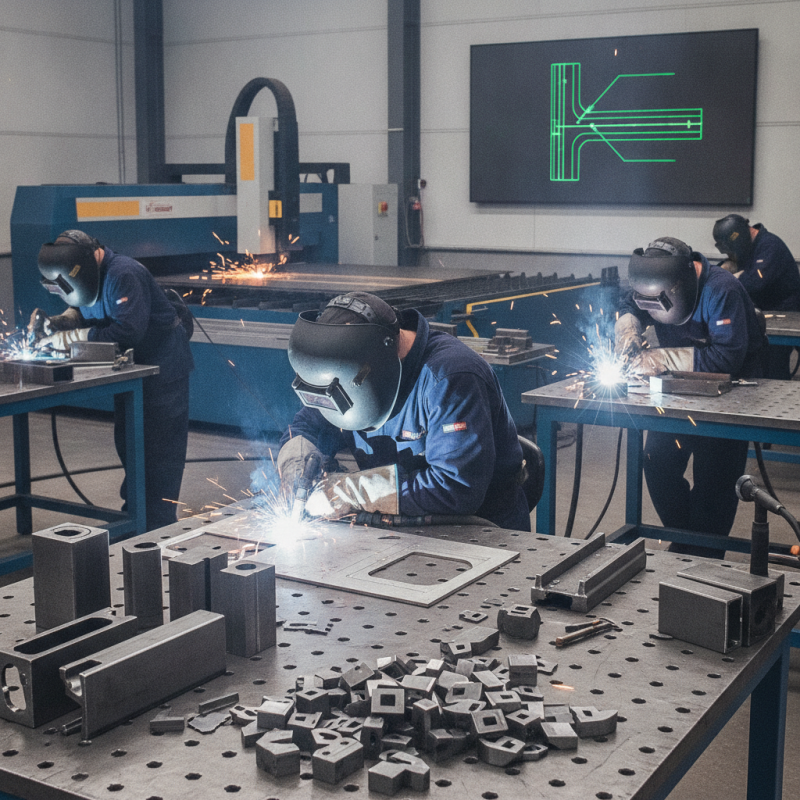
Material waste is a significant concern in welding processes. Understanding its sources is crucial for effective reduction. One major contributor to waste is the inefficient cutting of materials. When plates are cut incorrectly, excess material is discarded. Each miscalculation leads to financial loss and environmental impact. Operators often underestimate the importance of precise measurements.
Another area of concern is the type of filler material used. Excess spatter and burnthrough can lead to wasted weld metal. This not only clutters the workspace but also requires additional cleanup. Reassessing the welding techniques and settings can dramatically lower this waste. Training staff on best practices can reduce human error during the welding process.
Monitoring the entire production cycle is essential. Tracking waste generation helps identify patterns and areas needing improvement. Many teams overlook the importance of regular auditing. Making data-driven decisions can lead to significant reductions in waste. The goal is to foster a culture of efficiency and responsibility in welding practices. Adopting these principles requires commitment from all team members.
: Inefficient cutting of materials is a major cause. Incorrect cuts lead to excess material being discarded.
Excess spatter and burnthrough waste weld metal. This creates clutter and increases cleanup requirements.
It helps identify waste patterns and areas needing improvement. Regular audits can reveal hidden issues.
Regular training enhances worker skills. A skilled workforce makes better decisions, reducing overall waste.
Tracking material usage highlights waste patterns. This information allows teams to adjust and manage resources efficiently.
Encouraging welders to discuss techniques fosters innovation. Peer recommendations often lead to better practices.
Regular evaluation ensures new methods or materials effectively reduce waste. It helps maintain lasting improvements.
Continuing to use outdated methods can lead to increased waste. Being open to change is essential for efficiency.
Visual displays of material usage motivate workers. They encourage accountability in adhering to waste reduction goals.
A culture of efficiency and responsibility among all team members is crucial. Commitment to change fosters better practices.
In today's manufacturing landscape, understanding how to reduce material waste in the welding process is crucial for enhancing efficiency and sustainability. This approach begins with a thorough analysis of material waste sources in welding operations, which can include improper material handling, poor technique, and inefficient use of resources. By identifying these key areas of waste, companies can then implement effective welding techniques, such as optimized joint design and precise heat control, to minimize excess material usage.
Additionally, utilizing advanced materials and tools plays a significant role in waste reduction, allowing for more accurate and effective welds. Continuous improvement strategies, including regular training and adopting best practices, further enhance the welding process and contribute to a culture of waste reduction. Overall, implementing these comprehensive strategies not only improves efficiency but also promotes environmental responsibility in welding operations.

 Heping Mechanical