Selecting the right welding equipment for small and complex parts is crucial for quality and precision. Understanding how to choose welding equipment for small and complex parts can make a significant difference. The right tools ensure strong joints and minimize defects.
Welding small parts requires careful consideration of various factors. These include the type of materials, the thickness, and the desired finish. Equipment must be versatile but also offer precision. For example, TIG welding is often preferred for its control over heat input. However, it requires skill and practice.
It's important to acknowledge that not every piece of equipment will be ideal for all situations. A welder might need to invest in multiple tools. This can lead to increased costs and complexity. Reflecting on past projects can help in making better decisions. Ultimately, making informed choices about welding equipment is key to successful outcomes in producing small, intricate welds.
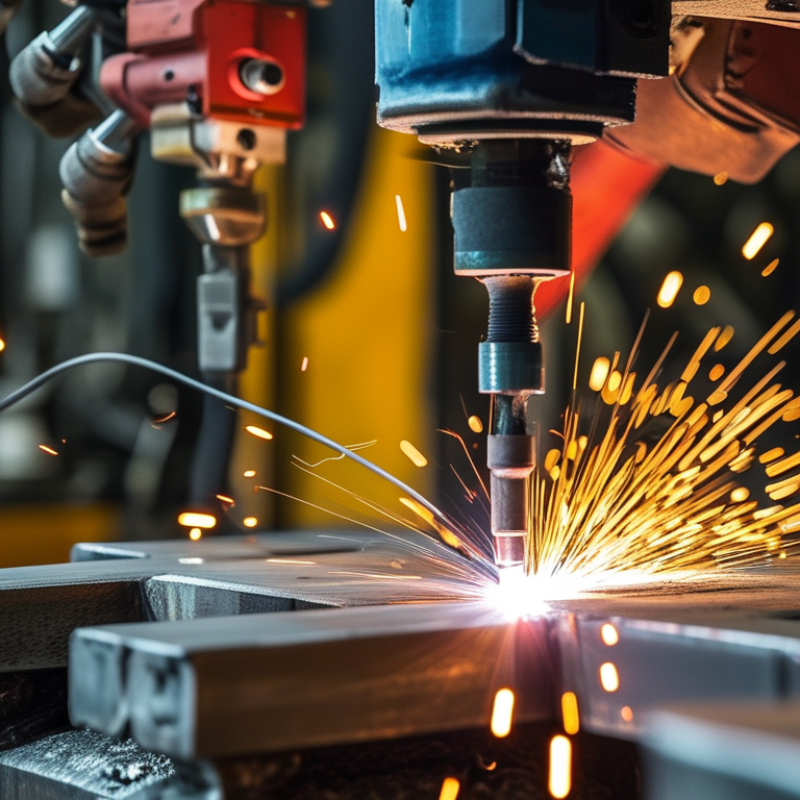
When it comes to welding small complex parts, understanding specific requirements is crucial. A report from the American Welding Society indicates that around 30% of welding failures are due to improper equipment selection. Such failures can lead to increased costs and delays. Selecting the wrong method, or equipment can introduce inconsistencies.
Precision is vital in welding small parts. Ideally, a welder should accommodate tight tolerances, often within 0.01 inches. This necessitates equipment that can deliver controlled heat input. For instance, laser welding offers high precision and minimal distortion. However, it is essential to evaluate the thickness of materials and joint configurations as well. Each project comes with unique challenges. All factors must be taken into account to mitigate the risk of poor weld quality.
Beyond equipment, welding techniques like TIG or MIG should be assessed. According to industry studies, TIG welding excels in intricate geometries but is slower. On the other hand, MIG welding is faster but may compromise precision. Balancing speed and accuracy is a continuous challenge that requires careful consideration of project needs. Each decision in this process can significantly affect outcomes, highlighting the need for expertise in the selection process.
When selecting welding processes for small complex parts, it's crucial to evaluate options based on specific needs. Different welding methods excel in varied applications. For instance, TIG welding is preferred for its precision, making it ideal for thin materials. A 2021 report from the American Welding Society indicates that TIG welding has seen a rise in use, especially for intricate work. The control over heat input allows for better weld quality in small components.
On the other hand, MIG welding is known for its speed and versatility. It's suitable for thicker materials but can struggle with intricate joints. The same AWS report shows that 60% of manufacturers utilize MIG for its efficiency in production. This process, however, may lead to higher levels of spatter, requiring more cleanup. Understanding these characteristics helps in selecting the right method based on the complexity of the parts being welded.
An often overlooked aspect is the operator's skill level. The impact of experience cannot be underestimated. A skilled welder can significantly enhance the quality of the outcome, regardless of the process used. In contrast, a less experienced operator might struggle, leading to defects. Balancing the choice of welding technology with operator capability is essential. This requires reflection on existing resources and potential training needs.
When selecting welding equipment for small complex parts, the material type is crucial. Different materials respond uniquely to welding techniques. For instance, aluminum requires a different approach than steel. Understanding these differences shapes your equipment choices.
Stainless steel benefits from MIG welding, while TIG is preferable for precise applications. Each process has strengths and limitations. For example, MIG is faster but may not achieve the same quality in intricate designs as TIG. Reflecting on your project needs and the material's characteristics will guide you.
Consider additional factors like thickness. Thinner materials need lower heat inputs to prevent warping. It’s important to test your equipment settings on scrap pieces. This trial-and-error phase can reveal unexpected challenges. Not all setups will perform perfectly, and learning from mistakes helps improve skills and results.
When selecting welding equipment for small, complex parts, power supply and portability become crucial elements to consider. Many small welding jobs require flexibility. A welder should easily adapt to various locations. According to a report by the American Welding Society, around 45% of welding tasks occur on-site, emphasizing the need for equipment that is lightweight and easy to transport.
Power supply can also significantly influence performance. Most small welding jobs favor either 110V or 220V options. A recent industry survey found that 70% of welders prefer machines that can operate on both voltages. This versatility allows them to work in different environments without hassle. Lightweight models are generally easier to handle but may compromise on weld quality or depth.
Portability alone may not fulfill every welder’s needs. A portable welder could lack features necessary for intricate tasks. Ergonomics often takes a hit when prioritizing weight. A well-rounded approach is essential. There is a balance between power supply suitability and the machine's ease of use. This requires deeper industry knowledge and hands-on experience to navigate effectively.
| Equipment Type | Power Supply Requirement | Portability | Weight | Usability |
|---|---|---|---|---|
| MIG Welder | 110V/220V | Highly Portable | 30 lbs | Easy to Use |
| TIG Welder | 220V | Moderately Portable | 45 lbs | Requires Skill |
| Stick Welder | 220V | Moderately Portable | 50 lbs | Versatile |
| Plasma Cutter | 220V | Highly Portable | 40 lbs | Advanced Techniques Required |
| Flux-Cored Welder | 110V/220V | Highly Portable | 25 lbs | User-Friendly |
When selecting welding equipment for small complex parts, safety features should be a priority. Look for equipment with automatic shutoff systems. These features can prevent accidents. Additionally, adjustable safety shields help protect the welder's eyes and face from sparks and harmful rays.
Ease of use is equally important. Equipment with intuitive controls allows for smoother operation. A welder should not struggle with settings while working on intricate projects. Adjustable parameters enhance precision. Choose a model that feels comfortable and less cumbersome to handle.
Tips: Always wear protective gear. Keep the work area tidy to avoid hazards. Regular maintenance checks ensure equipment remains reliable. Reflect on your comfort level with the tools. Sometimes, a more straightforward setup can yield the best results, particularly for small parts.
: Material type is crucial. Different materials, like aluminum and steel, react differently to welding techniques.
Each material requires a specific welding approach. Understanding these differences shapes your equipment choices.
MIG welding is faster and suitable for stainless steel. However, it may not match the precision of TIG welding.
Use lower heat inputs. Testing equipment settings on scrap pieces helps find the right approach.
Look for automatic shutoff systems and adjustable safety shields. These features help prevent accidents during welding.
Intuitive controls allow for smoother operations. Struggling with settings can disrupt intricate project work.
A simpler setup often yields the best results for small parts. Reflecting on comfort helps improve your welding effectiveness.
Conduct regular maintenance checks. A tidy work area also minimizes hazards and enhances safety.
When considering how to choose welding equipment for small and complex parts, it is essential to first understand the specific requirements that these unique projects entail. This includes evaluating the various welding processes that are best suited for small parts, as each method may offer different advantages depending on the application. Additionally, selecting the right equipment involves considering the material type to ensure effective welding results.
Moreover, factors such as power supply options and the portability of the equipment play a crucial role, especially for small welding jobs that may be conducted in diverse environments. Finally, assessing the safety features and ease of use of the welding equipment is vital to ensure a safe and efficient working process. By systematically addressing these criteria, one can make informed decisions on the most suitable welding equipment for tackling intricate small parts effectively.

Heping Mechanical