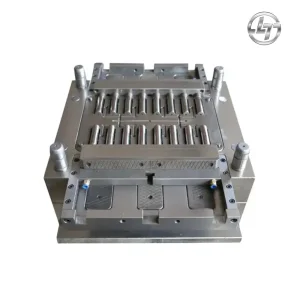
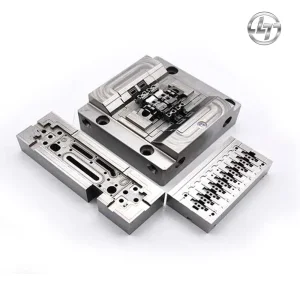
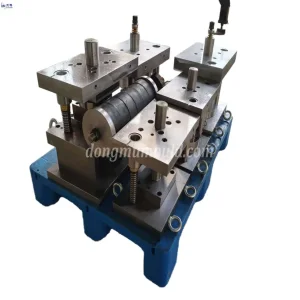
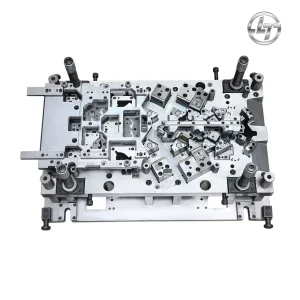
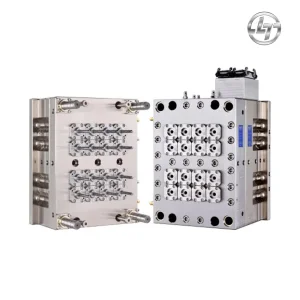
Engineered to withstand tropical climates, fluctuating power grids, and high-intensity production environments.
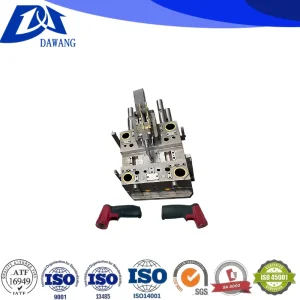
Executive Summary: As Myanmar transitions into higher-value industrial manufacturing within the ASEAN block, local factories face a dual challenge: upgrading tooling precision while containing capital expenditure. This whitepaper analyzes how high-grade aluminum alloy welding fixtures and molds serve as the backbone for localization in automotive, agricultural machinery, electronics, and structural construction.
The Myanmar manufacturing sector is experiencing structural optimization. Industrial zones such as East Dagon, Hlaing Thar Yar, and the Thilawa Special Economic Zone (SEZ) are transitioning from light consumer goods assembly to integrated engineering components production. Automotive SKD (Semi-Knocked Down) assembly, commercial vehicle fabrication, and localized tractor and power tiller production are leading this wave.
However, local manufacturers frequently operate under demanding ambient conditions. High relative humidity and temperature variations necessitate fixtures that resist corrosion and retain high dimensional stability. Standard heavy steel welding jigs are prone to rapid oxidation and physical distortion under localized thermal stress. Aluminum alloy welding fixture molds, particularly those utilizing 6000 and 7000 series alloys, provide a lightweight, high-thermal-conductivity alternative that dramatically improves assembly line cycle times while mitigating operator fatigue.
In global manufacturing, the shift toward aluminum alloy tooling is driven by precision engineering demands. While steel fixtures offer high surface hardness, their thermal expansion coefficient and heavy mass present processing challenges. Let us evaluate the engineering characteristics:
Thermal Dissipation Rate: Aluminum alloys possess a thermal conductivity that is roughly 4 times greater than structural carbon steel. During intensive MIG/TIG welding processes, heat accumulates rapidly at the joint areas. Aluminum fixtures absorb and disperse this heat, minimizing localized heat distortion of the workpiece.
Specific Strength & Ergonomics: With a density approximately one-third of steel, an aluminum alloy fixture is easily handled by operators or lightweight pneumatic actuators. This lowers power consumption in automated rotating tables and reduces wear on robotic arm joints.
Globally, tier-one automotive and industrial system providers demand tooling that conforms to rigorous dimensional tolerances. Integrated CAD/CAM workflows link fixture design directly to simulated CNC machining paths. Zhejiang Heping Mechanical Equipment Co., Ltd. applies these global standards to every customized order, bridging the gap between design simulation and shop-floor reality for our clients in Myanmar.
Through finite element analysis (FEA), we model structural stress and thermal loading before milling begins. This global design validation process guarantees that when a mold or fixture reaches Yangon Port, it is ready for immediate deployment on the production line with zero corrective machining required locally.
A manufacturing enterprise integrating plastic welding, R&D design, production, manufacturing, sales, and technical service.
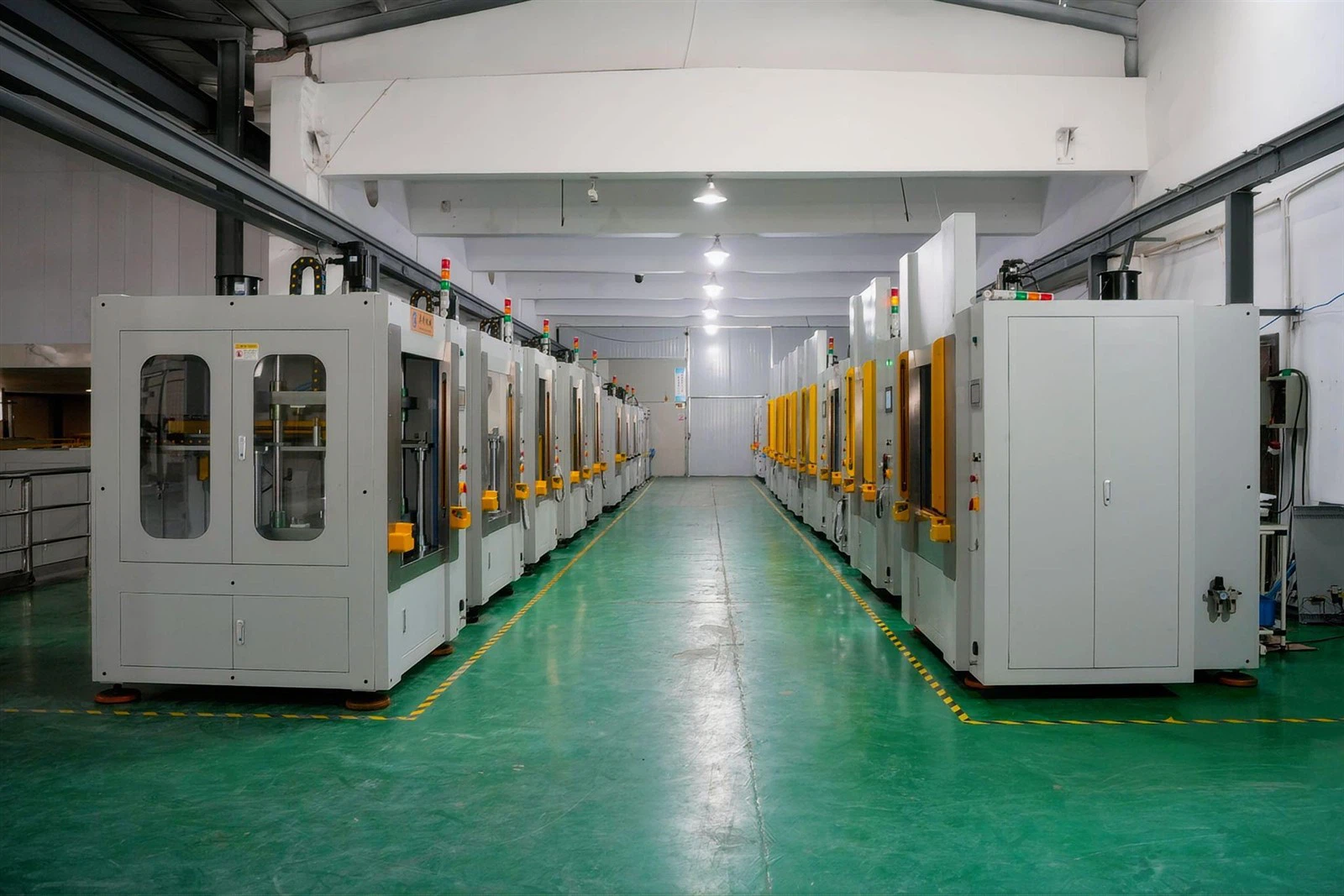
Covering an expansive factory building area of 7,000 square meters, our production plant is optimized for the fabrication of complex mechanical equipment and high-precision tooling. We possess strong capabilities in the design, R&D, and production of non-standard mechanical products, and can customize various special-purpose mechanical equipment according to customer needs.
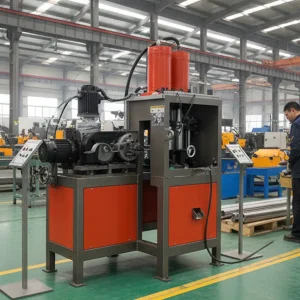
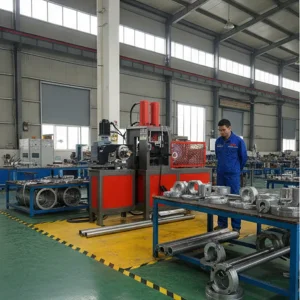
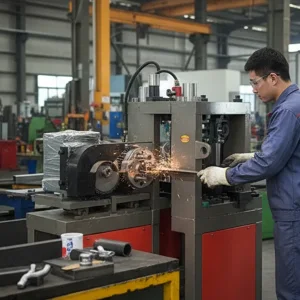
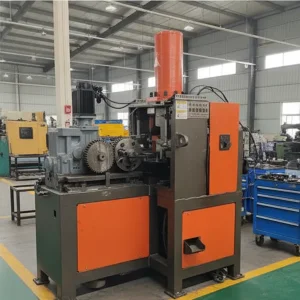
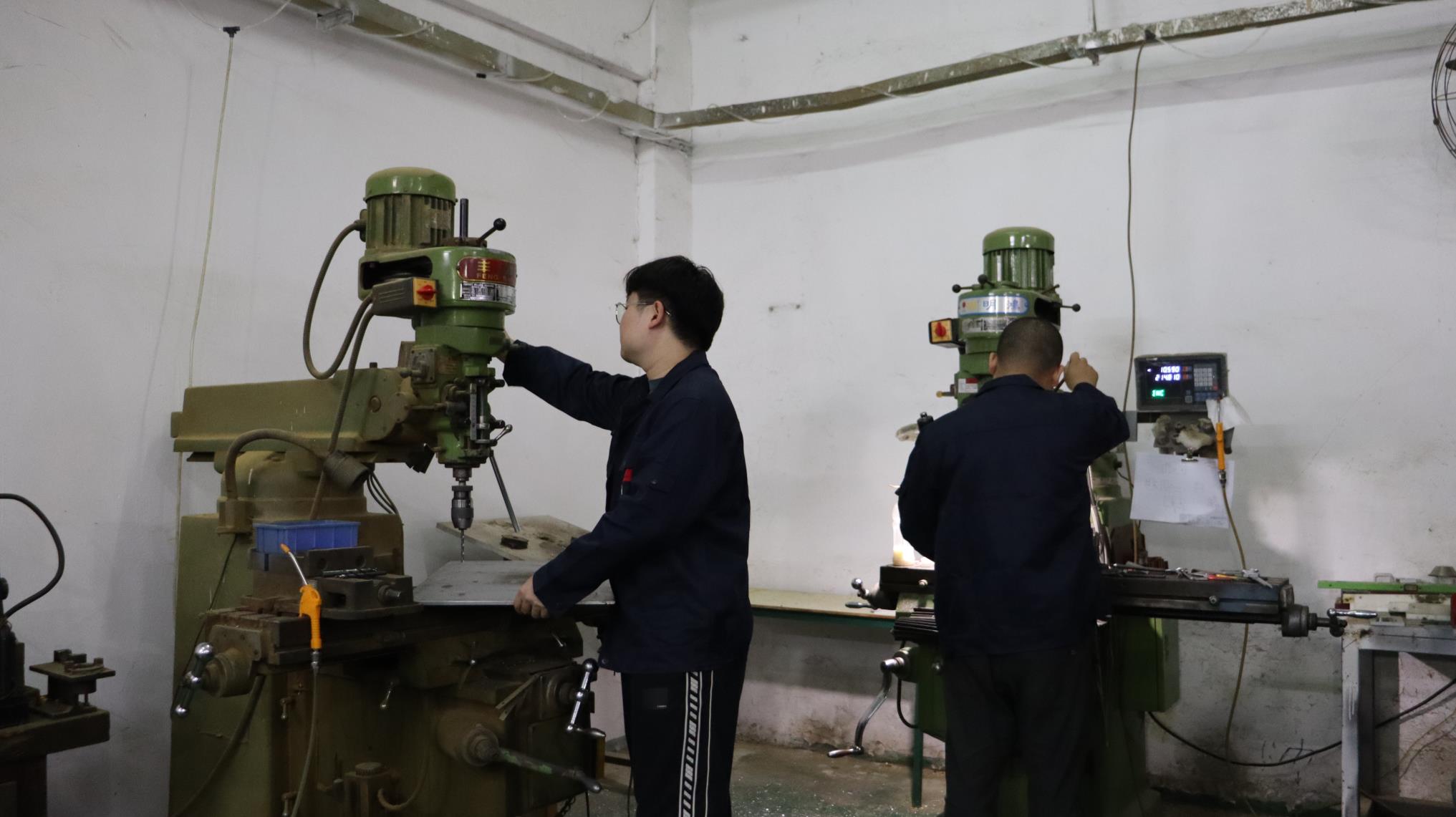
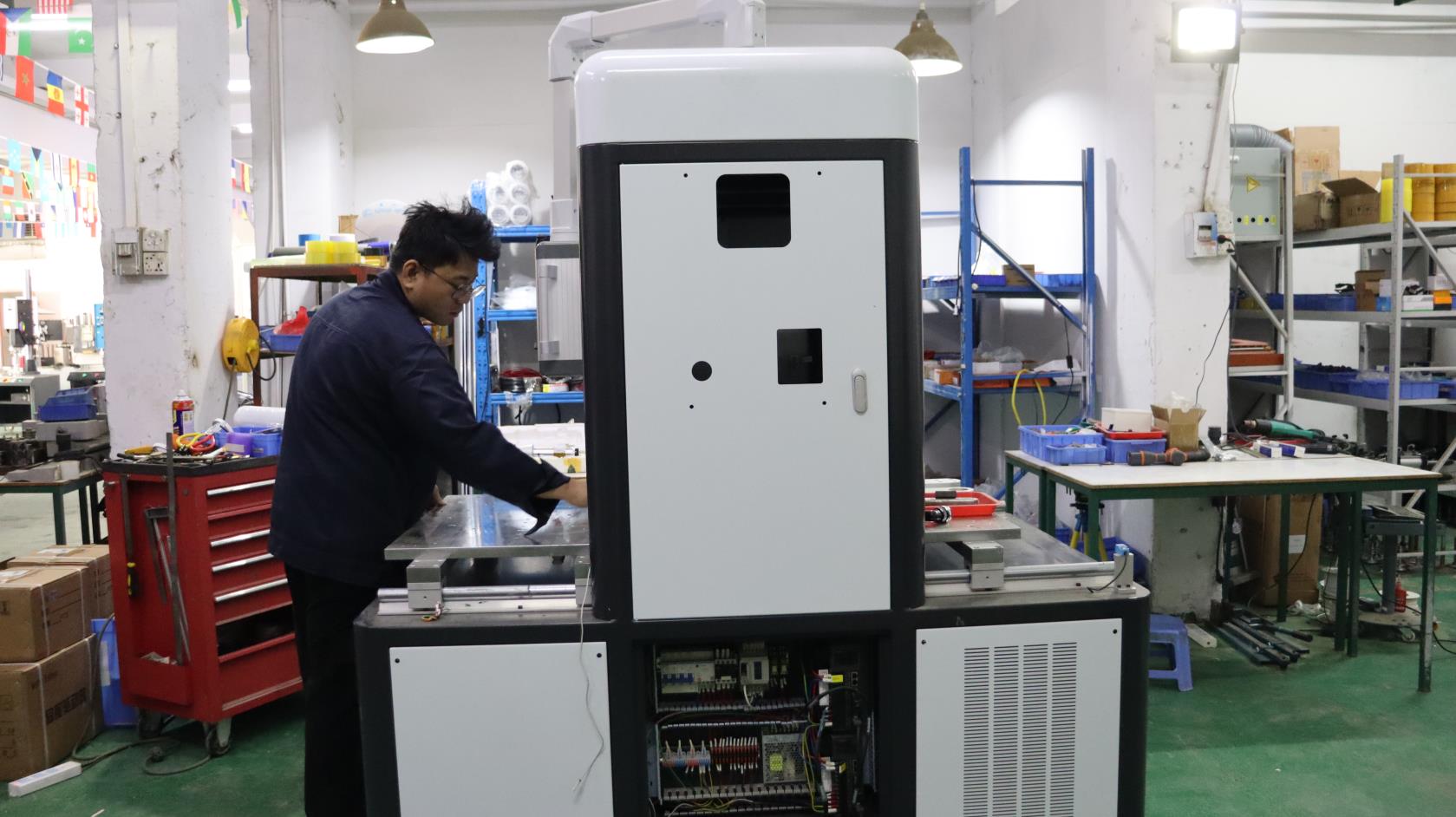
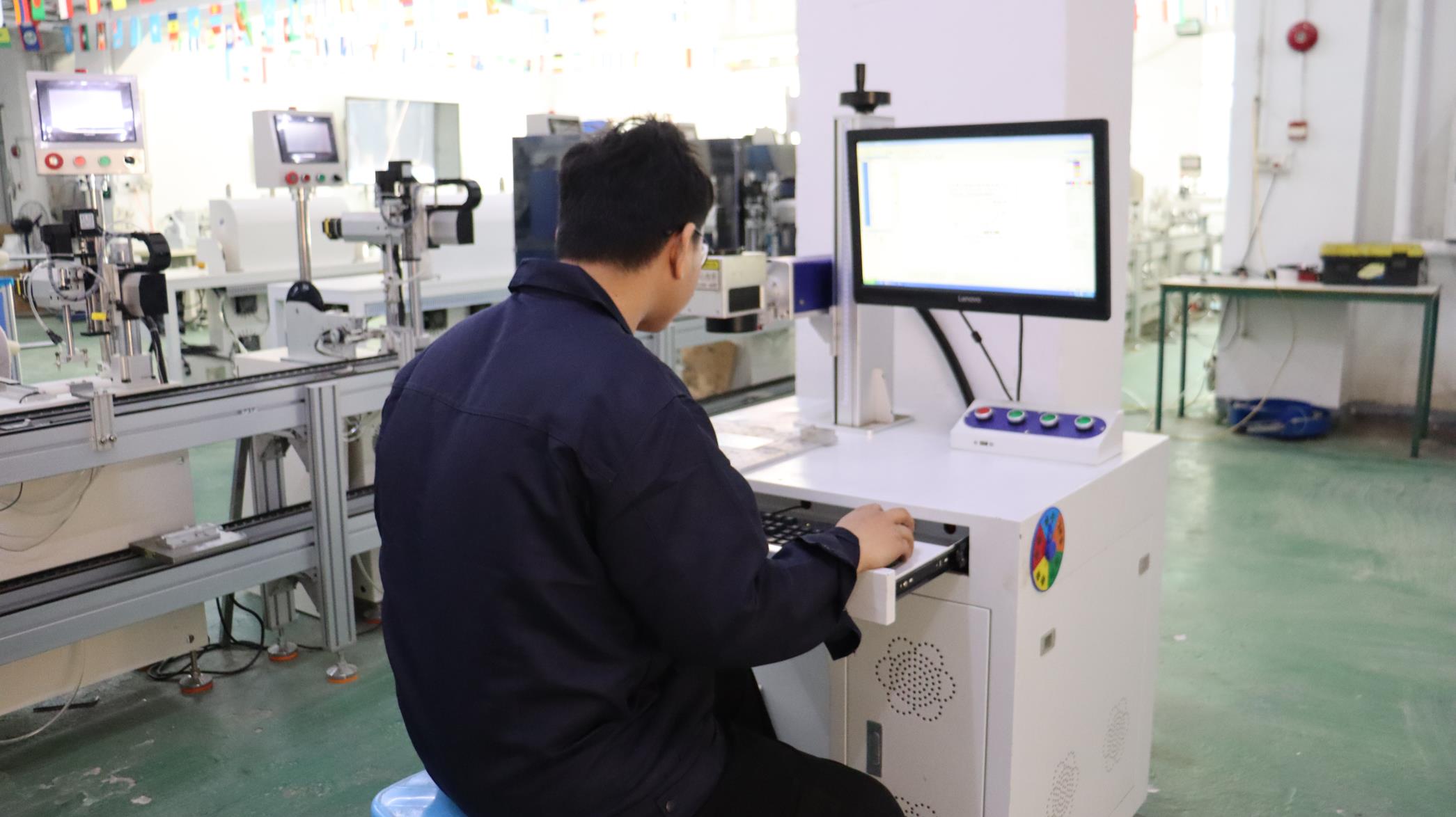
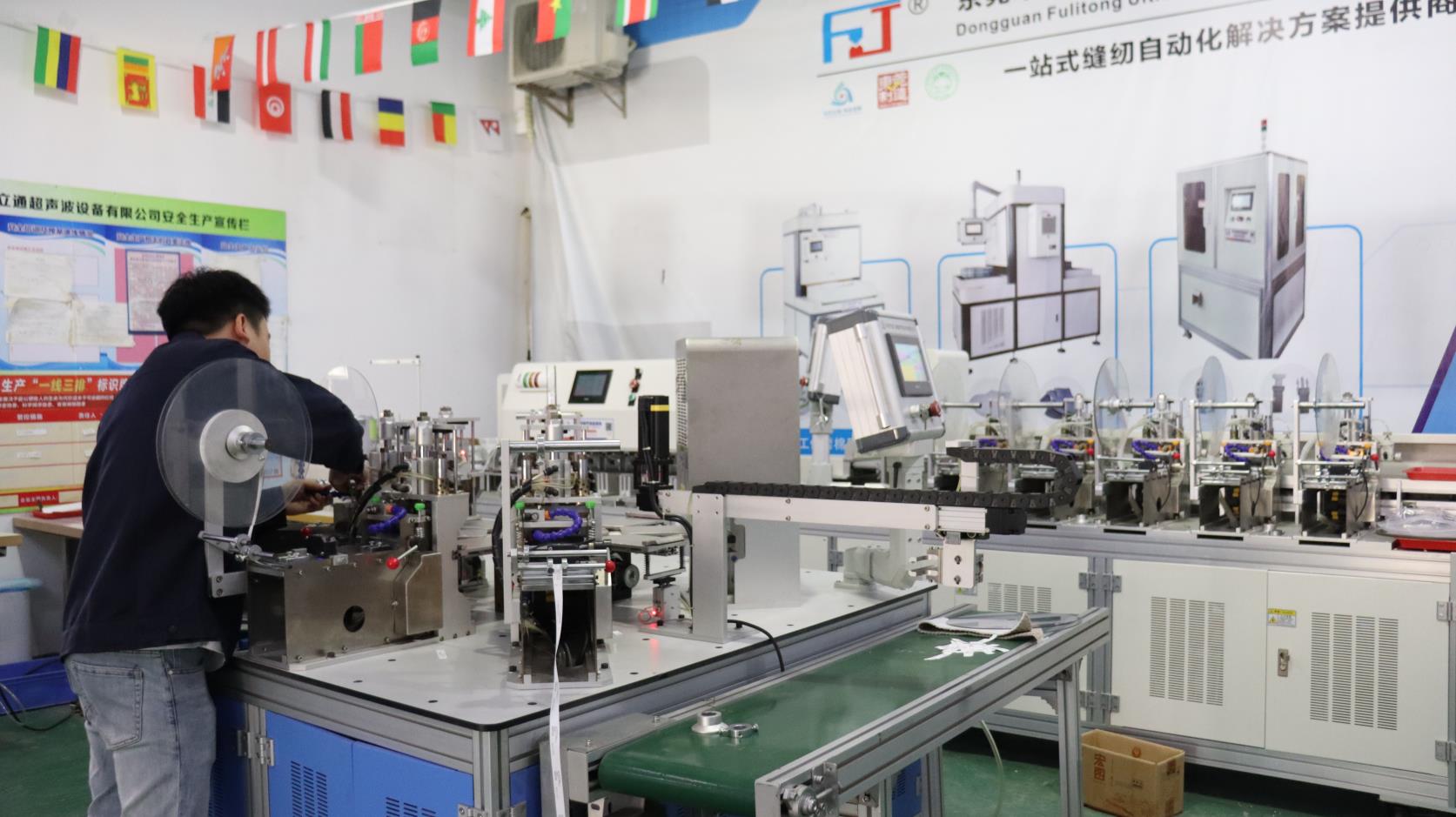
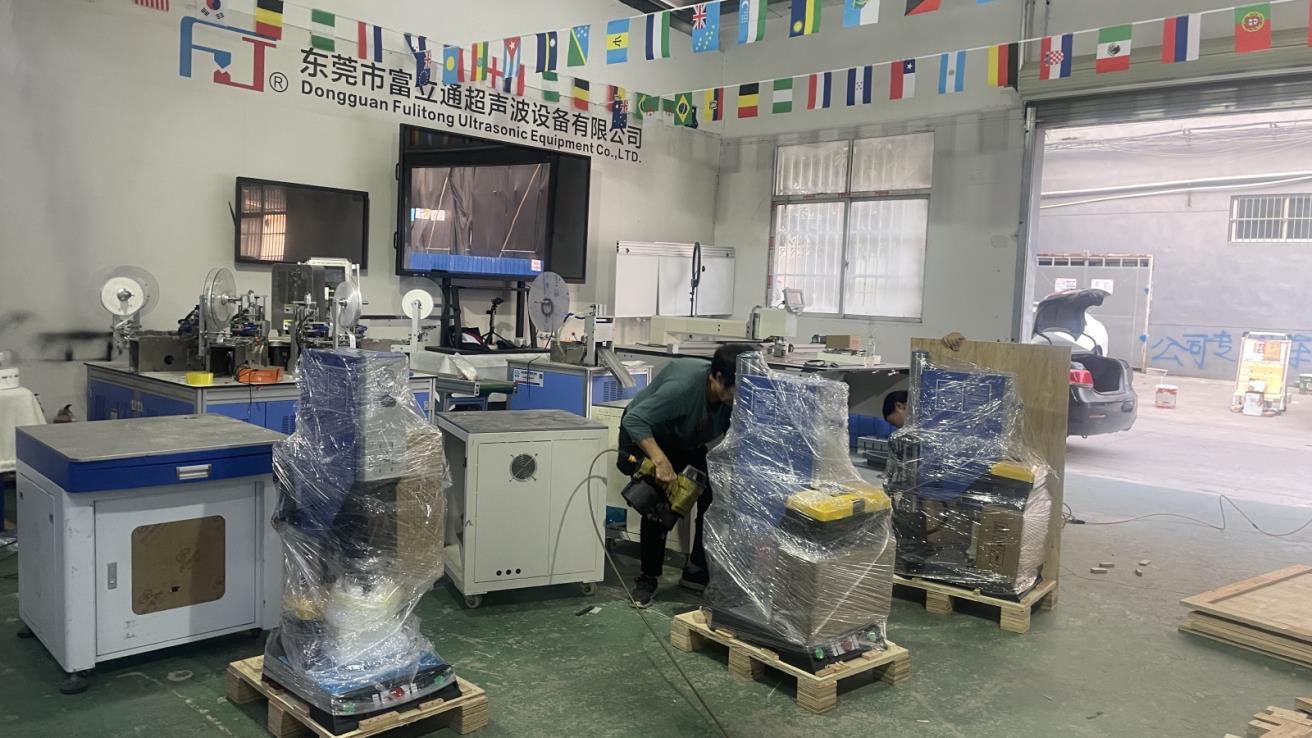
We believe high-quality tools can only be built using high-quality equipment. Below is a glance at our processing capability and shop floor environments, capturing our dedicated phases of CNC milling, cutting, assembly, debugging, and packaging.
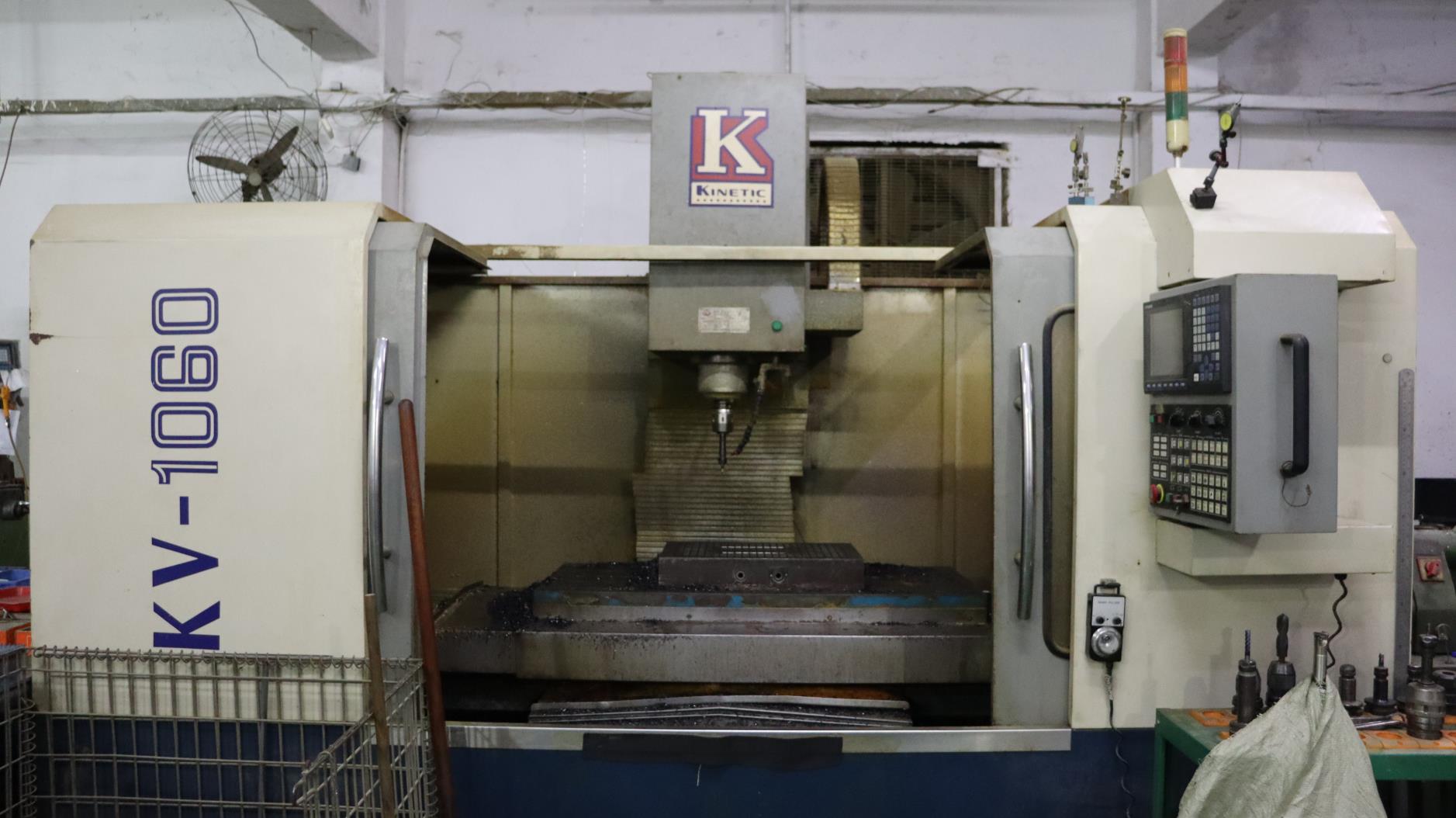
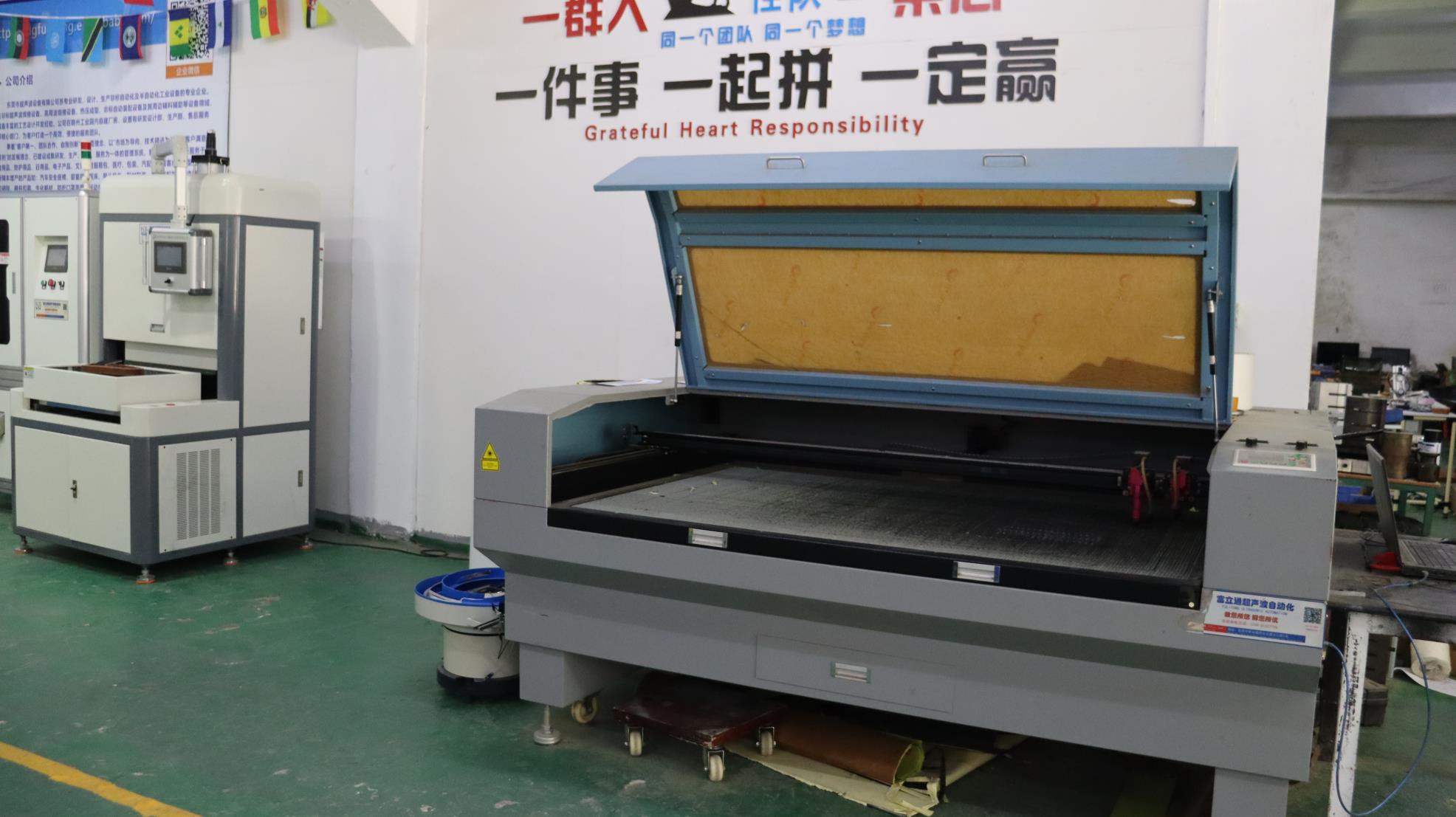
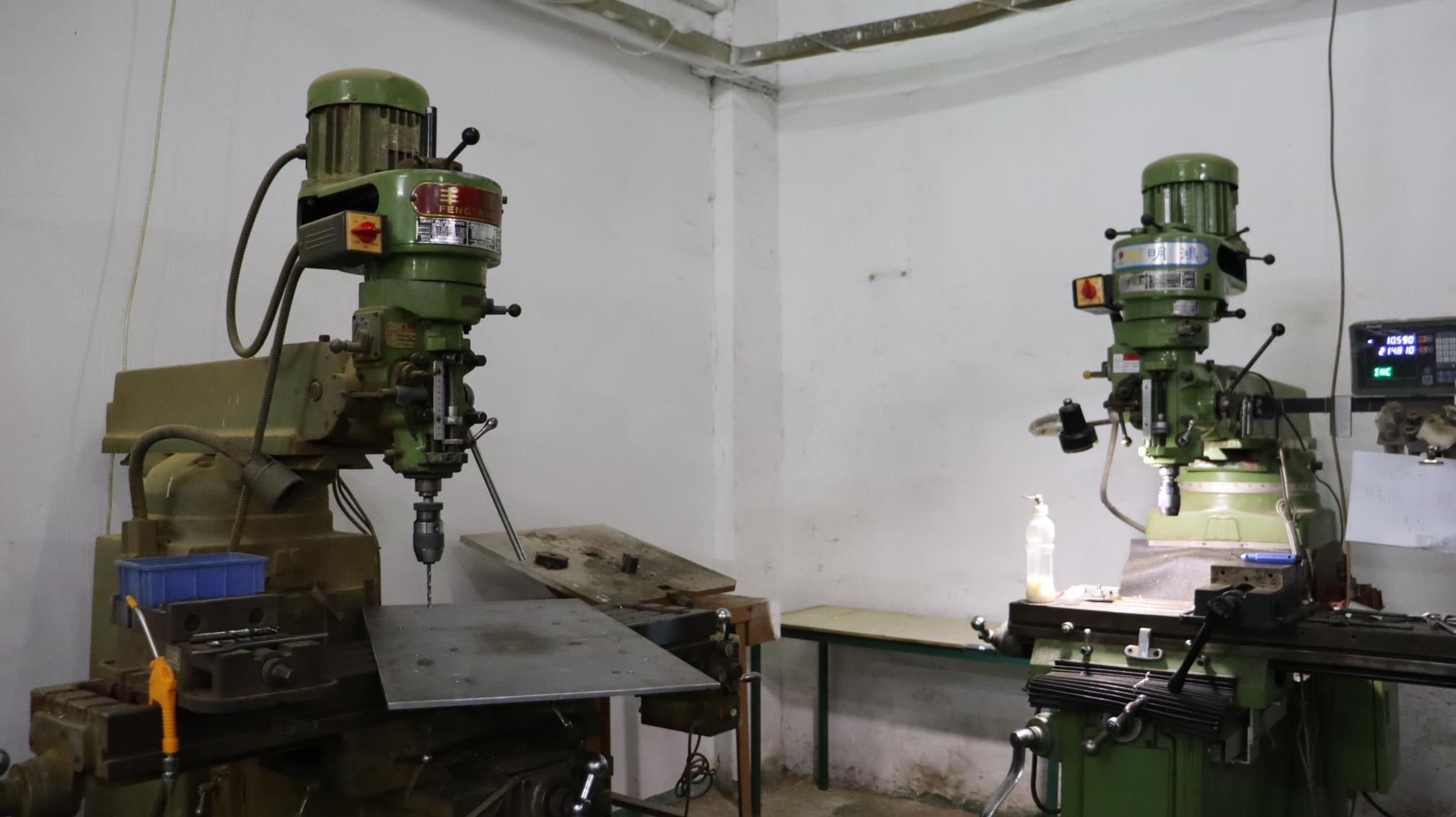
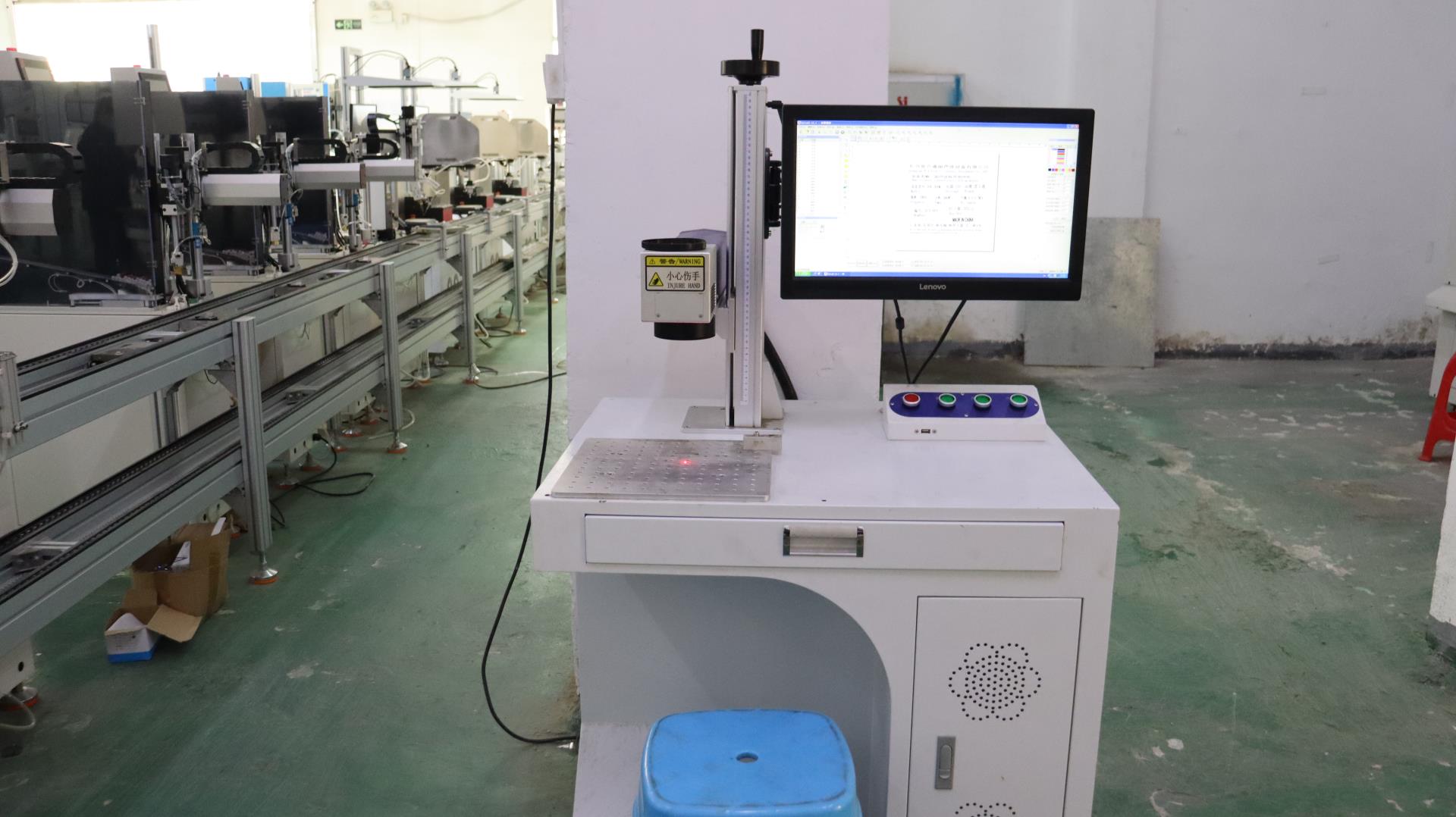
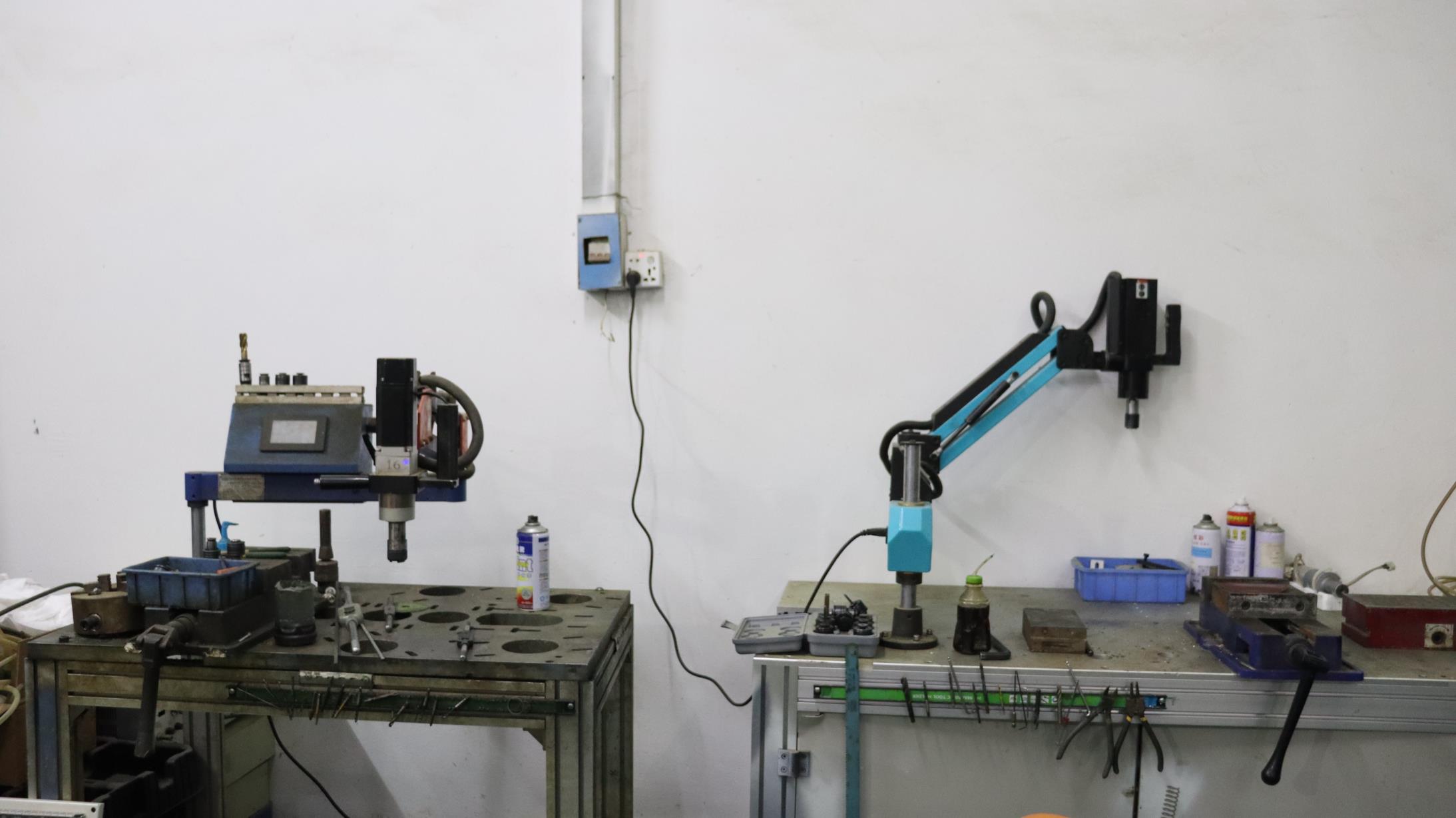
Navigating cross-border engineering procurement requires structural clarity. In supplying the Myanmar industrial sector, we prioritize technical alignment and logistical compliance:
Zhejiang Heping designs fixtures customized for specific domestic industries in Myanmar:
A. Automotive & Heavy Vehicle Assembly: Precision positioning fixtures for heavy truck frames, bus body welding, and passenger car sub-assemblies. The high specific strength of our fixtures optimizes robotic welding cycles.
B. Agricultural Mechanization: Tooling for tractor chassis fabrication, plow frames, and harvester headers. Our fixtures ensure that welded parts maintain perfect structural geometry under field stress.
C. Energy & Structural Infrastructure: Heavy-duty clamping plates and bending templates designed for solar racking systems, electrical transmission towers, and high-frequency copper busbars.
The manufacturing landscapes in ASEAN are aligning with Industry 4.0 paradigms. Modern production cells demand smart, reactive fixtures. At Zhejiang Heping, our engineering roadmap for the next decade centers on the integration of digital tracking sensors and automated pneumatic clamping.
By integrating proximity sensors into the locating pins of our aluminum welding jigs, the fixture sends real-time confirmation to the welding controller when the component is loaded correctly. This eliminates operator positioning errors. Additionally, we are exploring eco-friendly recycling pathways for decommissioned fixtures, allowing manufacturers to reclaim raw metal value at the end of product life cycles.
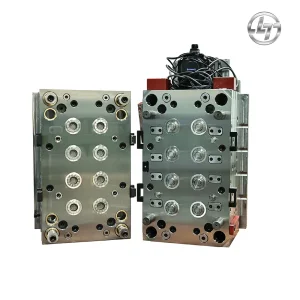
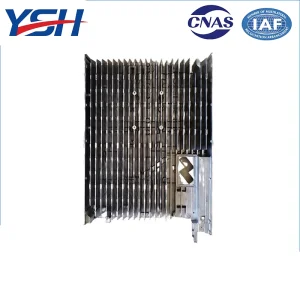
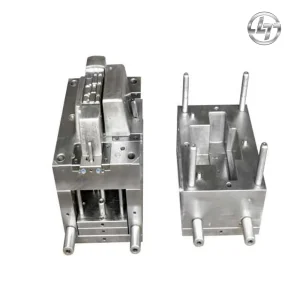
Explore our full selection of progressive dies, injection molds, clamping equipment, and customized structural components.
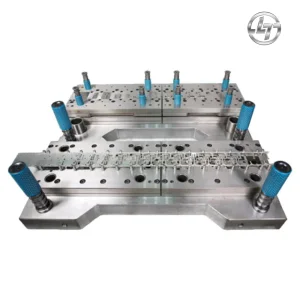
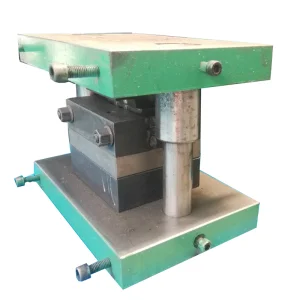
In-depth responses to common design, operational, and commercial questions regarding custom fixture manufacturing.
Generally, AL6061-T6 and AL7075-T6 are the preferred structural metals. AL6061-T6 offers high machinability, excellent structural integrity, and structural weldability, making it the industry benchmark. For high-wear contact surfaces requiring extreme dimensional stability and yield strength, AL7075-T6 is recommended, often paired with hard-anodizing to increase surface hardness to over 50 HRC.
While aluminum's thermal expansion coefficient is higher than steel, its superior thermal conductivity prevents localized heat concentration. By distributing heat uniformly across the entire tool, localized thermal distortion is avoided. In our designs, we integrate wear-resistant steel bushings or ceramic locating pins at critical contact nodes to isolate local welding heat and ensure spacing tolerances of ±0.02 mm.
We require the 3D CAD models of the workpiece (preferably in STEP, IGES, or Parasolid format), a description of your welding method (manual MIG/TIG, resistance spot welding, or robotic welding), the production rate, and special requests regarding locating pins or clamping systems. Our engineering department will model a tooling design concept for your review.
Typically, design validation takes 5 to 7 business days, followed by 20 to 30 days for CNC machining, assembly, and testing. Shipping from our port to Yangon Port takes approximately 12 to 18 days depending on the shipping line, bringing the total time to roughly 40-55 days from payment confirmation to delivery on your factory floor.
Talk to our application engineers for custom recommendations, material certifications, and detailed project quotes tailored to the Myanmar industrial market.
Send Inquiry Now Heping Mechanical