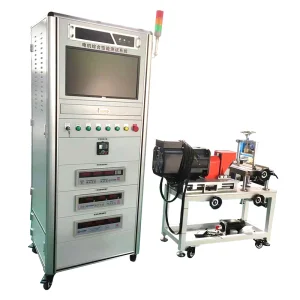
Model NO.
Monitoring system
Working Flow
50~400 Ml/Min
Data Transmission
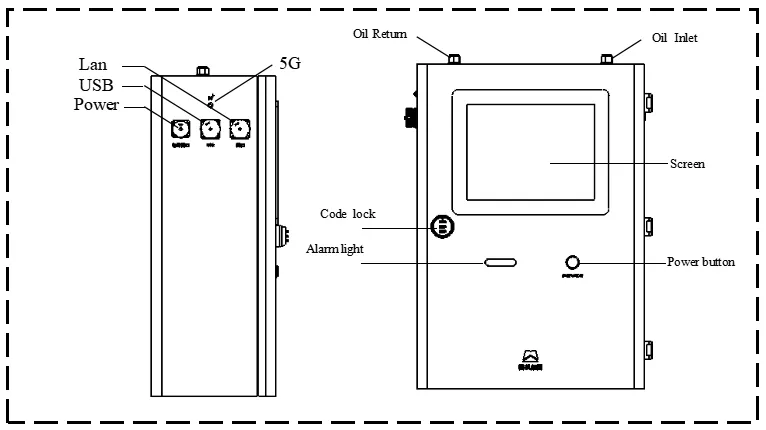
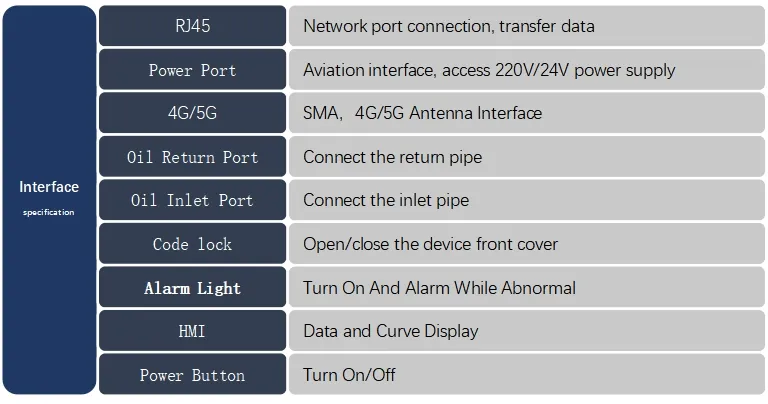
RS485/RJ45 / 4G, 5G
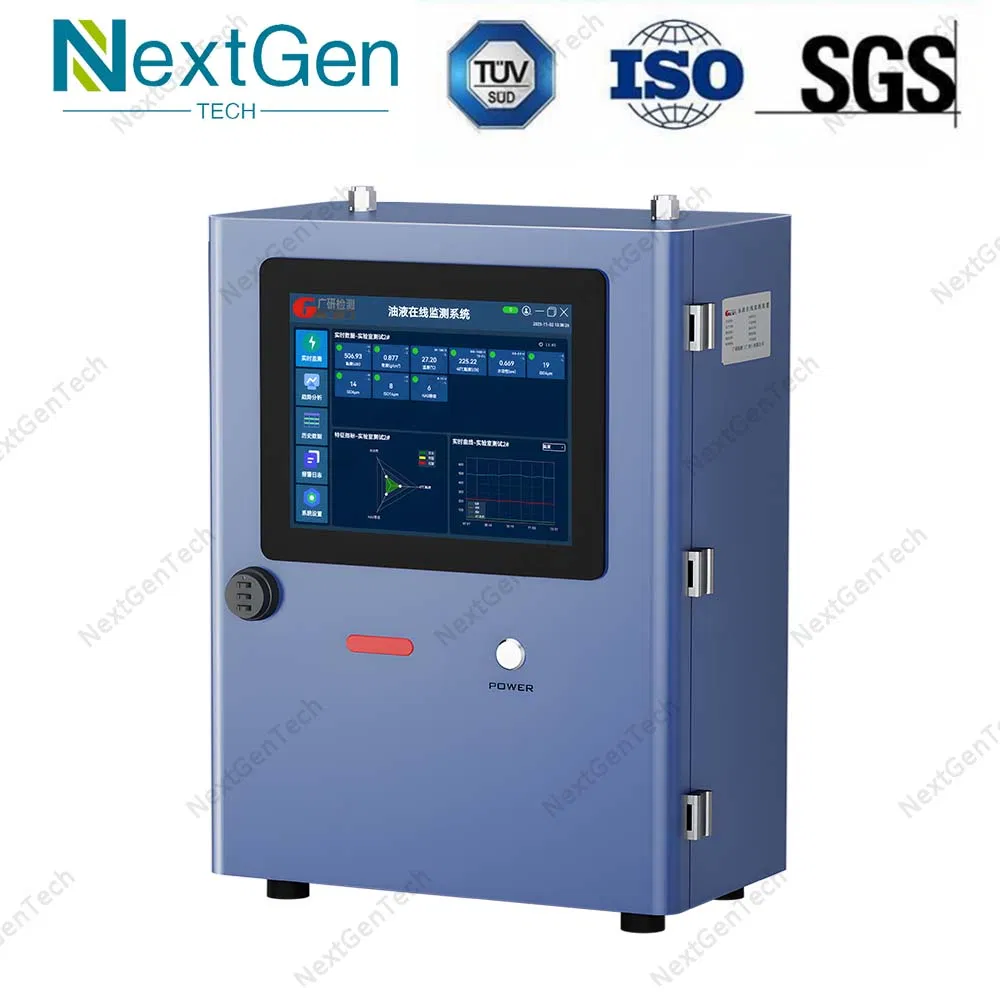
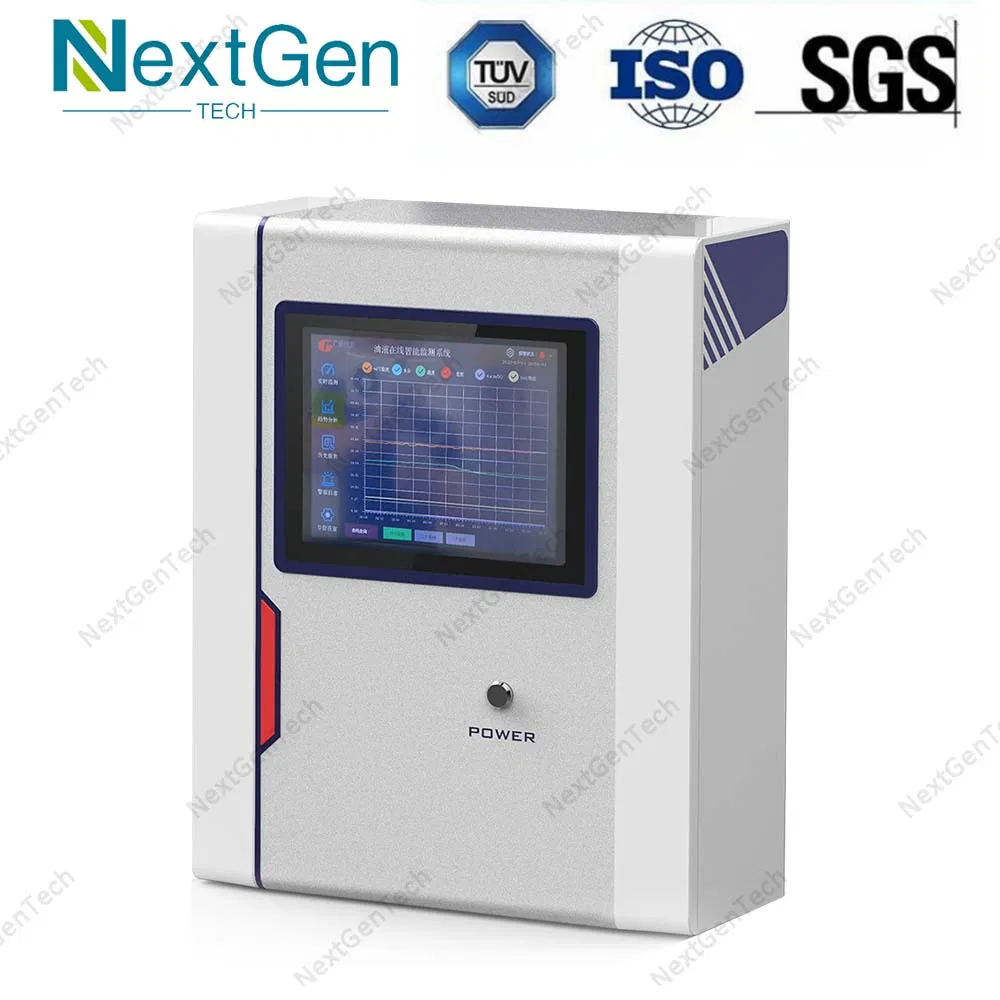
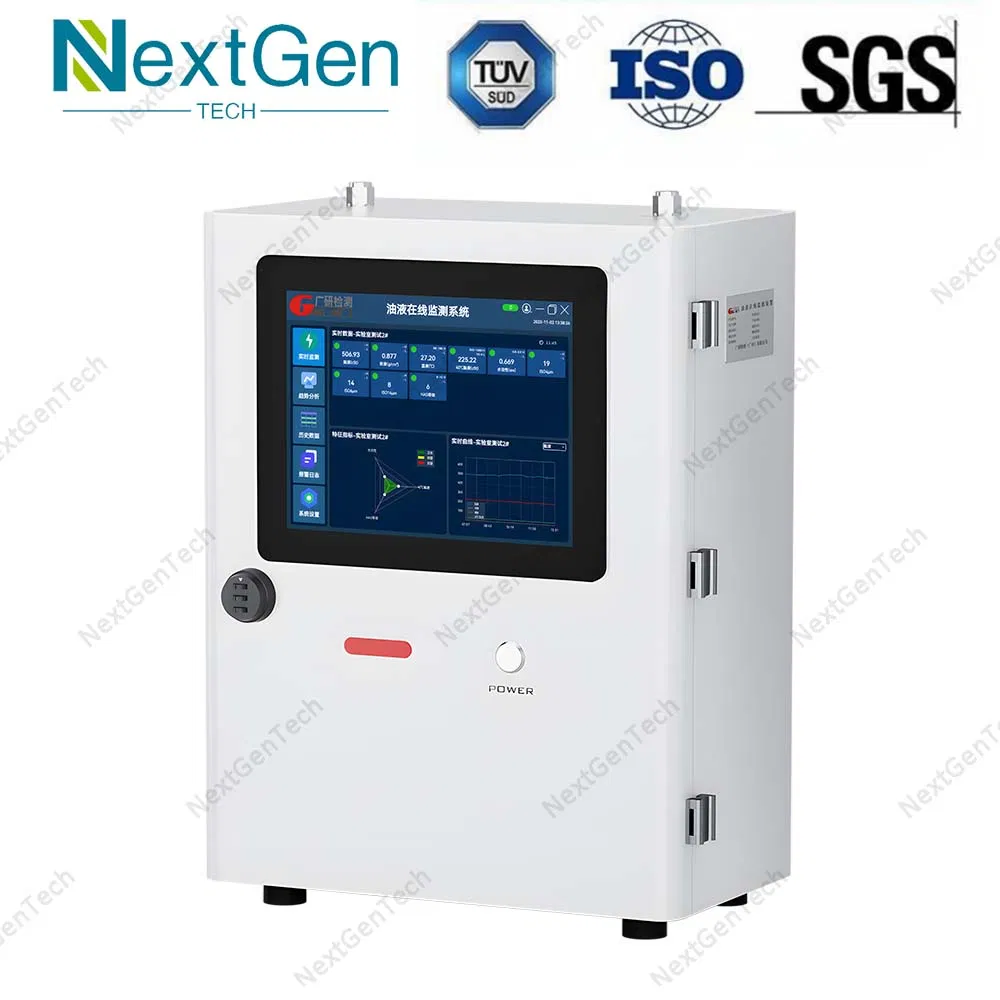
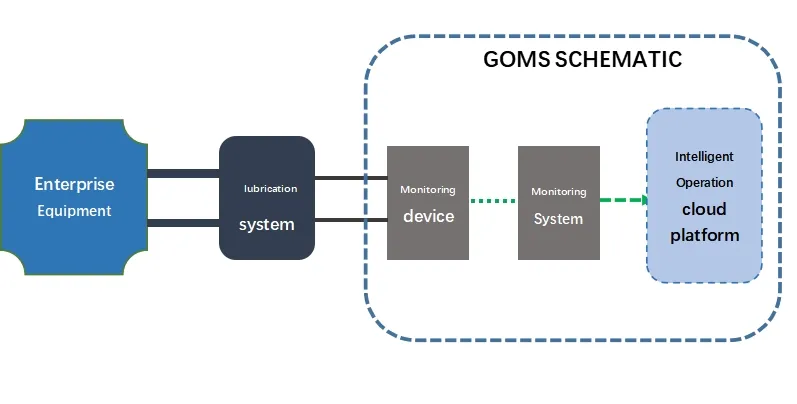
Oil online Monitoring system (GOMS) refers to the equipment oil online monitoring and fault warning system, which can real-time monitor the deterioration, pollution and component wear status changes of the equipment in use, effectively prevent major lubrication and wear accidents of equipment, improve the reliability of enterprise equipment, and help to realize equipment intelligent remote operation and maintenance.
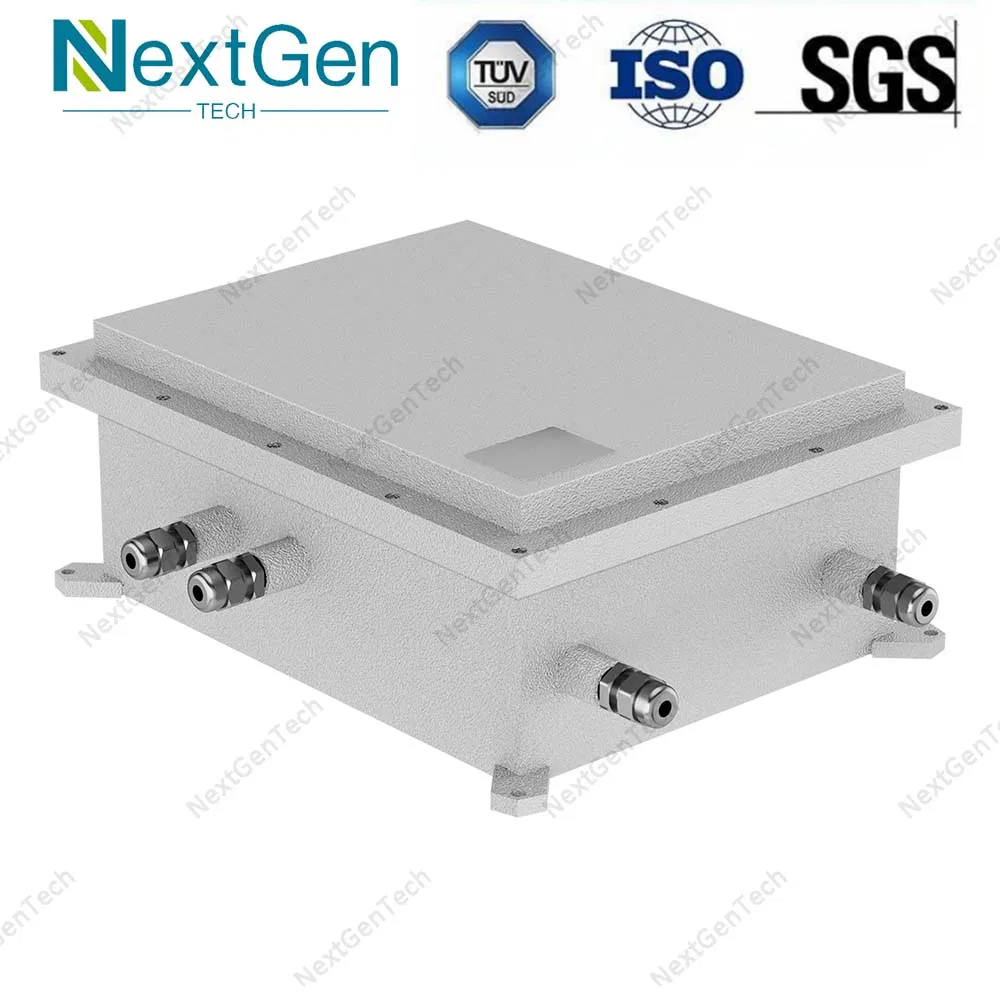
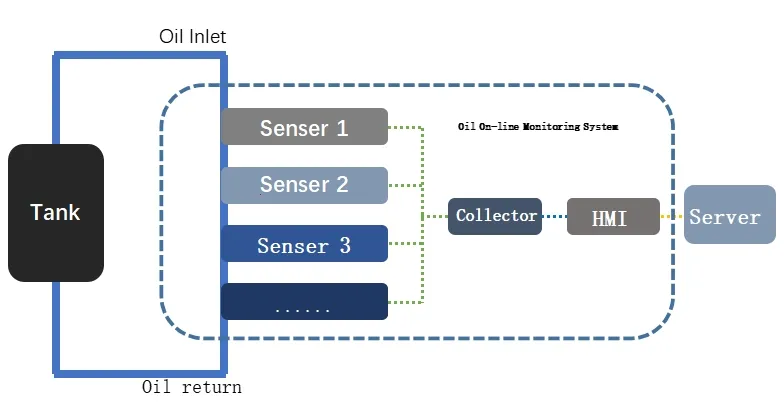
The system is composed of hardware and software system. The hardware system includes sensor, sensor interface module, data acquisition card, power supply, industrial computer, communication module, etc. The software system is divided into industrial computer version, LAN version, Internet version, etc.
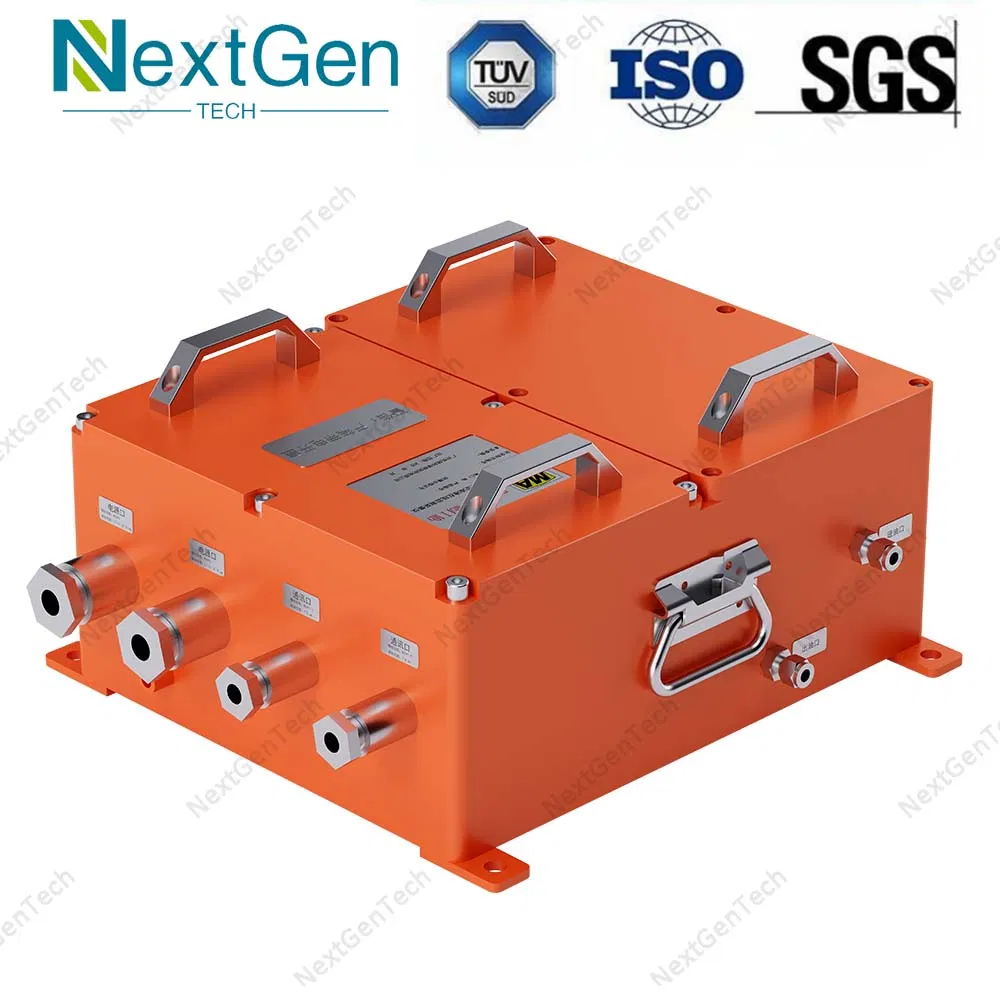
Oil On-line Monitoring device is mainly composed of oil sensor module, automatic circulation acquisition module, oil characteristic information collection module, signal decoding and modulation module.
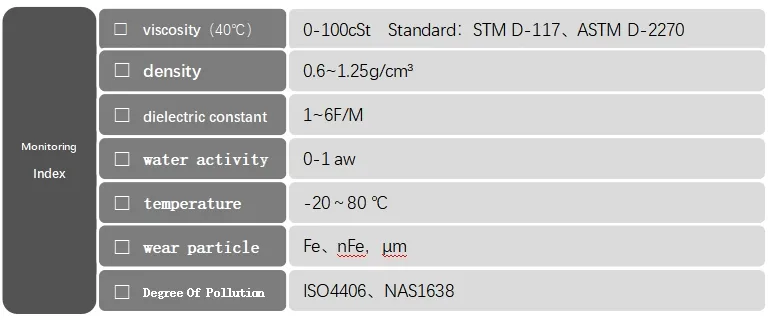
The device integrates a variety of oil monitoring sensors in one body. According to different lubricating oil characteristics used by mechanical equipment, different parameters can be matched and integrated. Common oil monitoring parameters such as viscosity, moisture, pollution, wear particles, dielectric constant, density, etc., can be selected and configured according to different needs of users to achieve real-time monitoring of various parameters.
◈ Viscosity (40ºC): 0-100cSt (ASTM D-117, D-2270)
◈ Density: 0.6~1.25g/cm³
◈ Permittivity: 1~6F/M
◈ AW: 0-1 aw
◈ Temperature: -20~80 ºC
◈ Wear particle: Fe, nFe (μm)
◈ Pollution Degree: ISO4406, NAS1638
Frequently Asked Questions
What is the primary purpose of the GOMS?
The Oil Online Monitoring System (GOMS) is designed to real-time monitor oil deterioration, pollution, and component wear, providing early fault warnings to prevent major equipment accidents.
Which oil parameters can be monitored simultaneously?
The system can be configured to monitor viscosity, moisture, pollution levels, wear particles (ferromagnetic and non-ferromagnetic), dielectric constant, density, and temperature.
What data transmission methods does the system support?
It supports multiple transmission protocols including RS485, RJ45 (Ethernet), and wireless 4G or 5G connectivity for remote monitoring.
Is the system compatible with different types of lubricating oils?
Yes, the system is highly flexible. Sensors can be matched and integrated based on the specific lubricating oil characteristics and viscosity grades (ISO 2~100cSt) used by your machinery.
What are the environmental operating requirements?
The equipment is designed to operate in temperatures ranging from -20℃ to 80℃, with a working pressure capacity of up to 1MPa.
How does the system help in intelligent operation and maintenance?
By providing continuous data and fault warnings, it allows enterprises to transition from reactive maintenance to intelligent remote operation, improving overall equipment reliability.
 Heping Mechanical