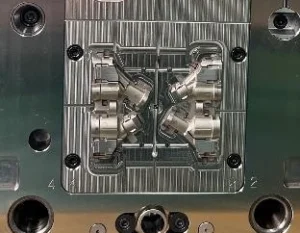
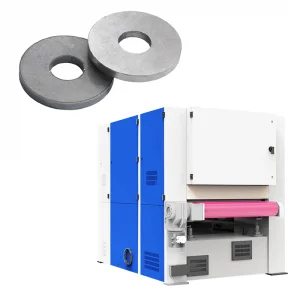
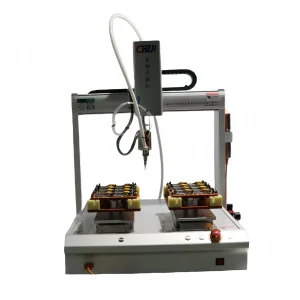
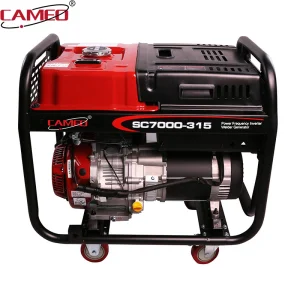
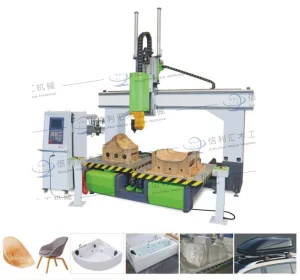
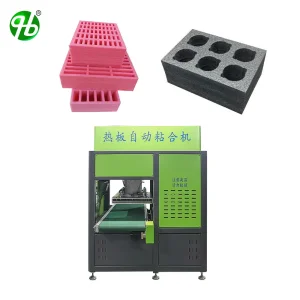
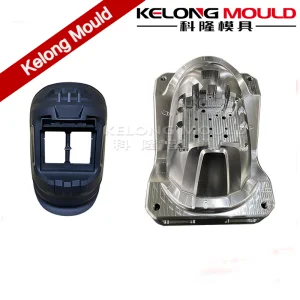
Premium export-grade fabrication machinery featuring advanced heat-cycle control, ultrasonic splicing, and automated material handling.
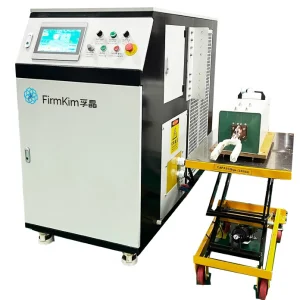
In modern manufacturing, laser cutting technology has evolved from a specialized tool to the backbone of smart manufacturing systems worldwide. As industrial buyers demand shorter lead times, higher dimensional accuracy, and integration with automated production lines, manufacturers in China are spearheading a technological leap.
The industrial sector is experiencing a rapid transition toward ultra-high-power fiber laser cutting machines (exceeding 10kW and peaking up to 40kW). Fiber laser systems operating at a wavelength of approximately 1.06 microns are the preferred solution for metal cutting due to their superior absorption rate in structural steel, stainless steel, and non-ferrous metals like copper and brass. The removal of traditional optical mirror pathways reduces maintenance costs while achieving electric-to-optical conversion efficiencies exceeding 35%.
Furthermore, contemporary systems integrate hybrid capabilities, combining fiber-guided laser beams with secondary tooling operations. The deployment of advanced CNC software enables nested cutting arrays that reduce sheet scrap by up to 22%. By implementing real-time optical sensing and height adjustment tracking, high-speed gantry-type laser cutters consistently achieve edge roughness values (Ra) below 6.3 microns, eliminating the need for secondary machining.
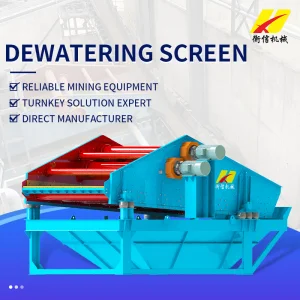
Global procurement metrics are no longer based solely on upfront machine capital expenditures (CAPEX). Procurement directors evaluate the Total Cost of Ownership (TCO), which integrates energy consumption ratios, gas consumption (specifically nitrogen vs. oxygen assist gas parameters), and replacement parts availability. In heavy machinery, mining (such as dewatering screen manufacturing), and automotive framework production, sourcing teams demand equipment certified for 24/7 continuous operation.
Key compliance frameworks required by international purchasers include the CE machinery directive, FDA laser safety standards, and UL electrical certifications for controls and drives. Sourcing strategies also demand native compatibility with CAD/CAM suites (like SigmaNEST or Lantek), facilitating seamless transitions from localized digital design files directly to the CNC machine's controller unit.
China's industrial landscape has transitioned from high-volume production to a vertically integrated, intelligent manufacturing hub. By nesting critical component suppliers—such as CNC controller builders, heavy-duty cast gantry foundries, and optoelectronic developers—within localized industrial clusters, Chinese manufacturers can rapidly design and deliver custom automated machinery.
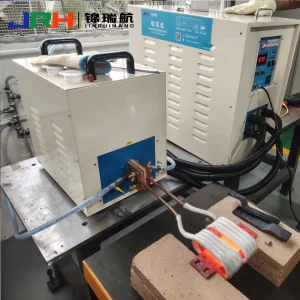
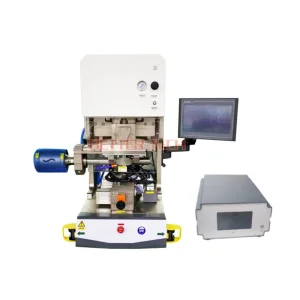
At Zhejiang Heping Mechanical Equipment Co., Ltd., we utilize this structural advantage to implement a comprehensive quality control cycle. Our manufacturing floor coordinates raw material milling, structural steel stress relief, machine assembly, and digital diagnostics. Our utility patents secure our intellectual property, ensuring high-speed processing, reliable high-frequency welding, and automated material handling.
This ecosystem guarantees supply chain stability. Even during global supply fluctuations, our localized sourcing of premium structural components and mechanical parts guarantees uninterrupted delivery timelines for overseas clients.
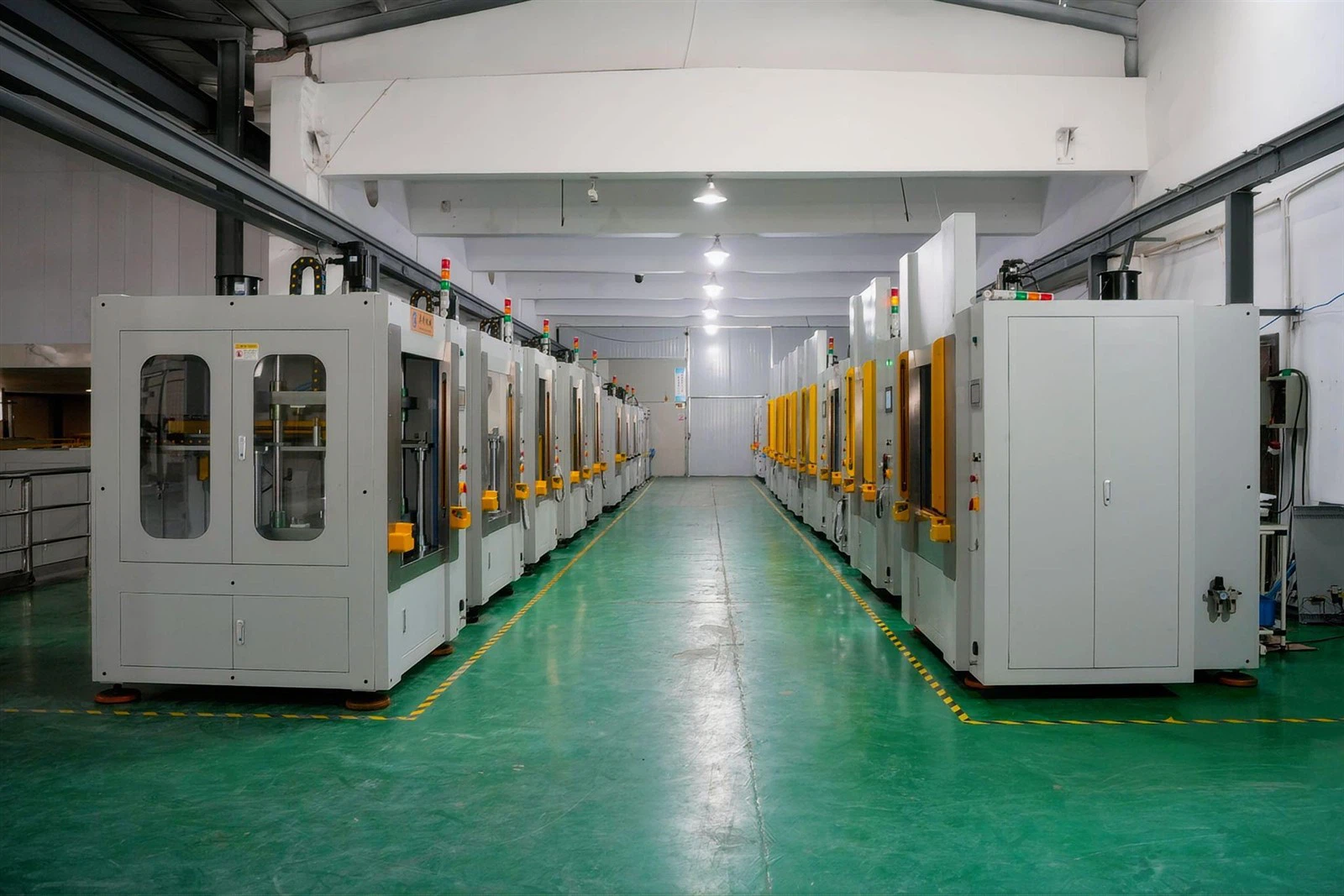
Integrating research, production, design, and after-sales service within our advanced 7,000 square meter factory facility.
We possess strong capabilities in the design, R&D and production of non-standard mechanical products, and can customize various special-purpose mechanical equipment according to customer needs.
We strive to let customers share our core advantages—high quality, excellent service and impeccable welding performance—enabling you to operate without worries in the highly competitive market.
We have a team of highly qualified, skilled, and experienced technical personnel, who provide customers with professional, efficient, and comprehensive after-sales service to solve production concerns.
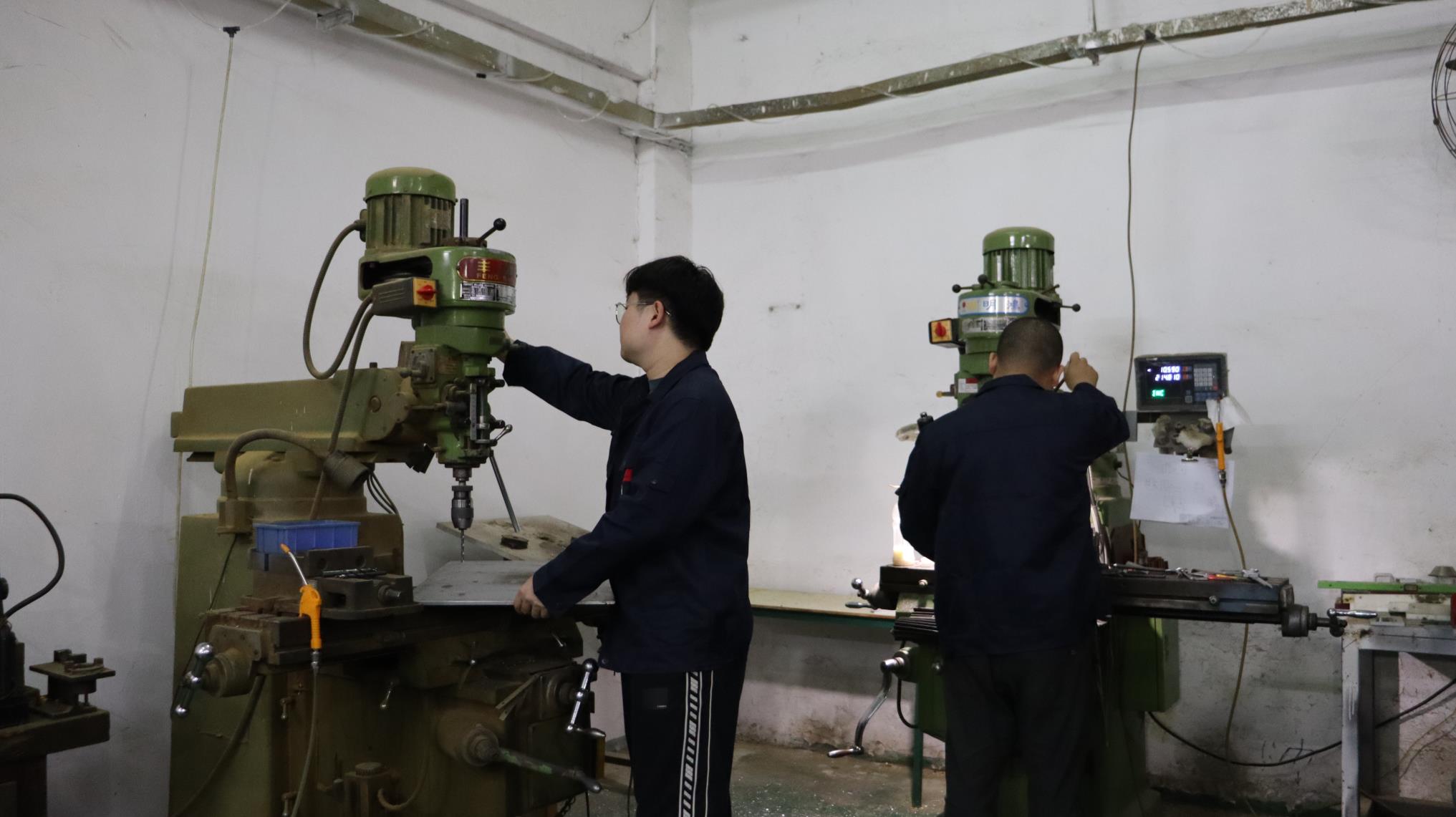
Our production facilities utilize modern equipment to guarantee design compliance and structural longevity.
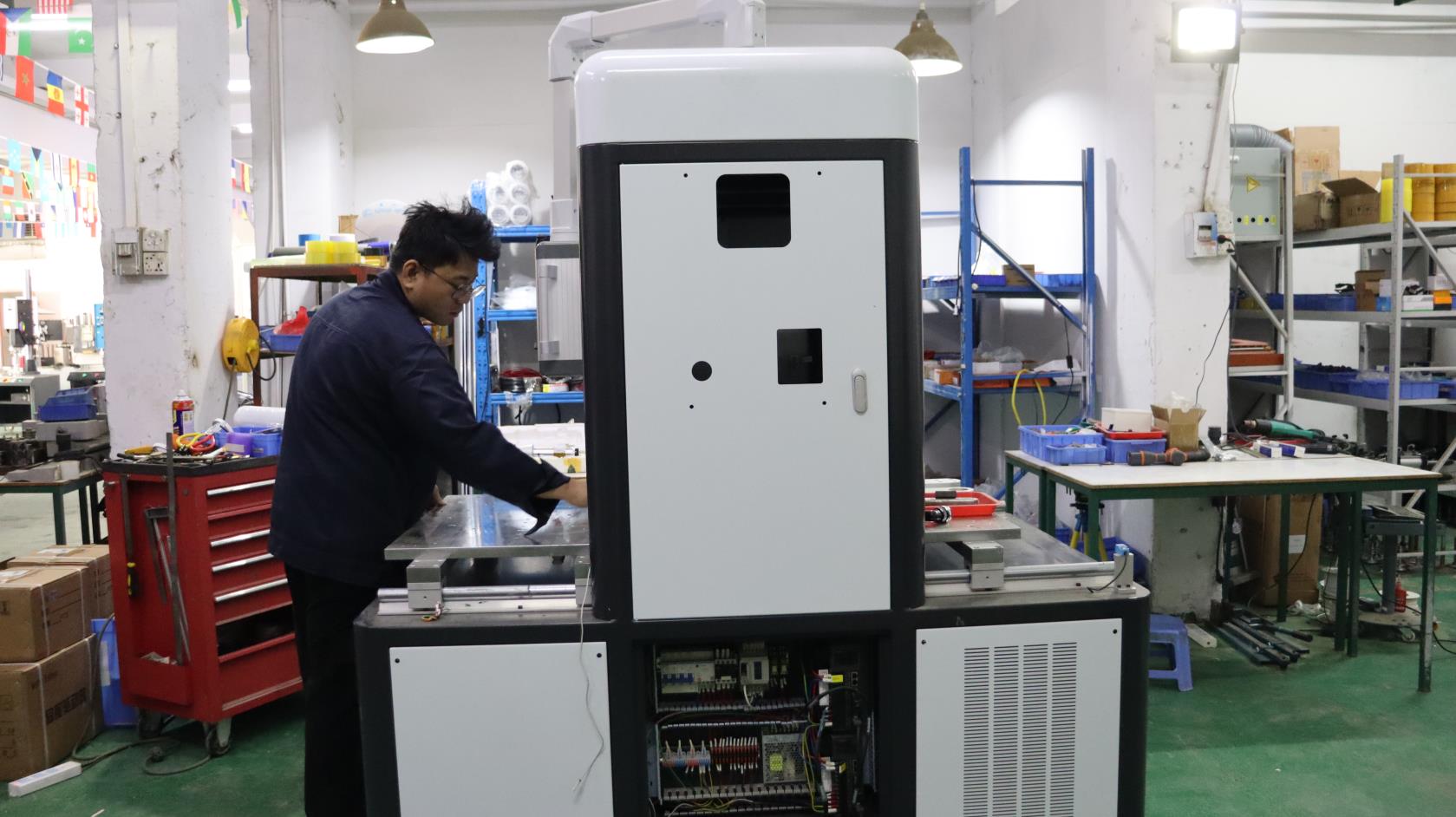
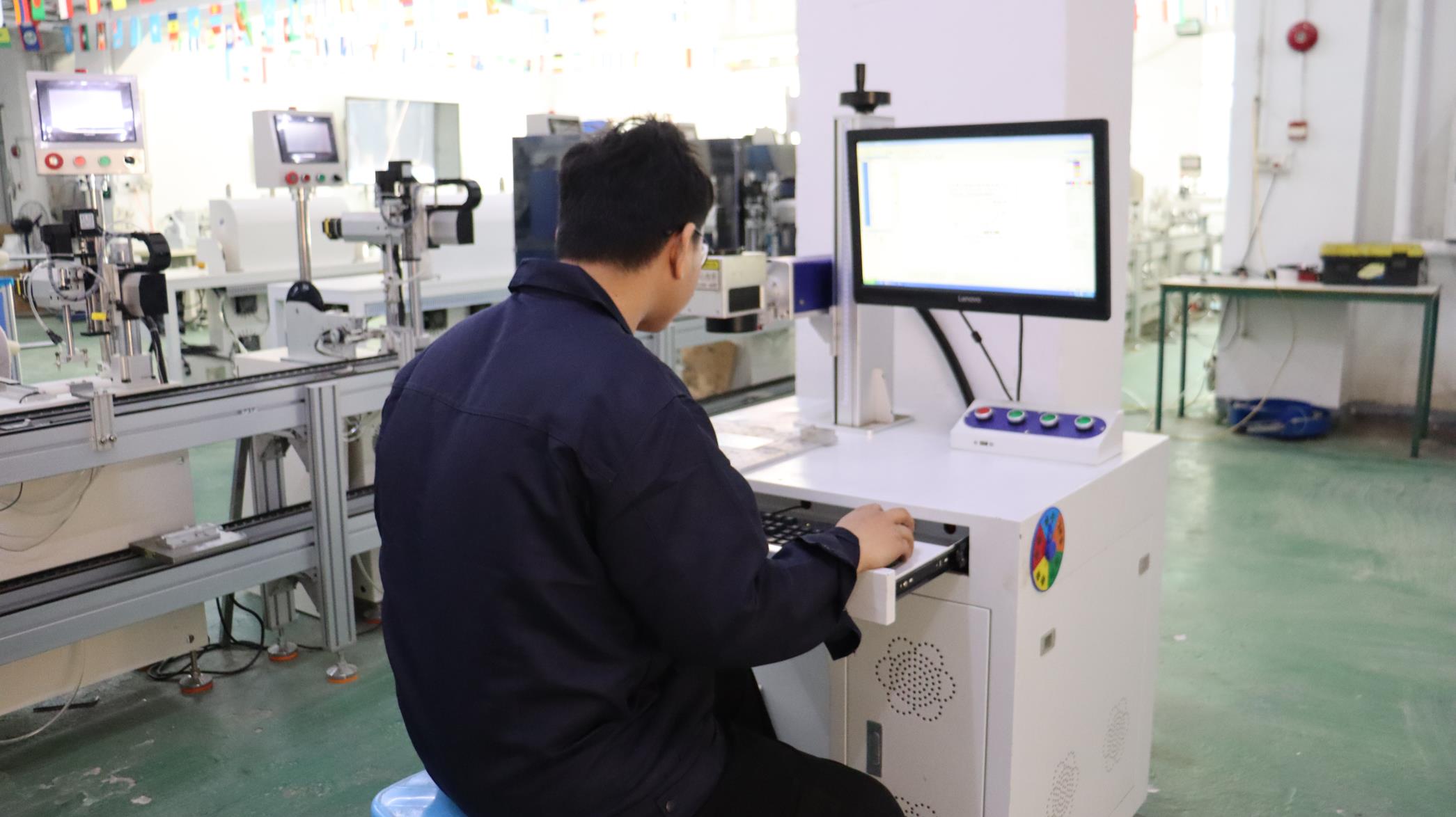
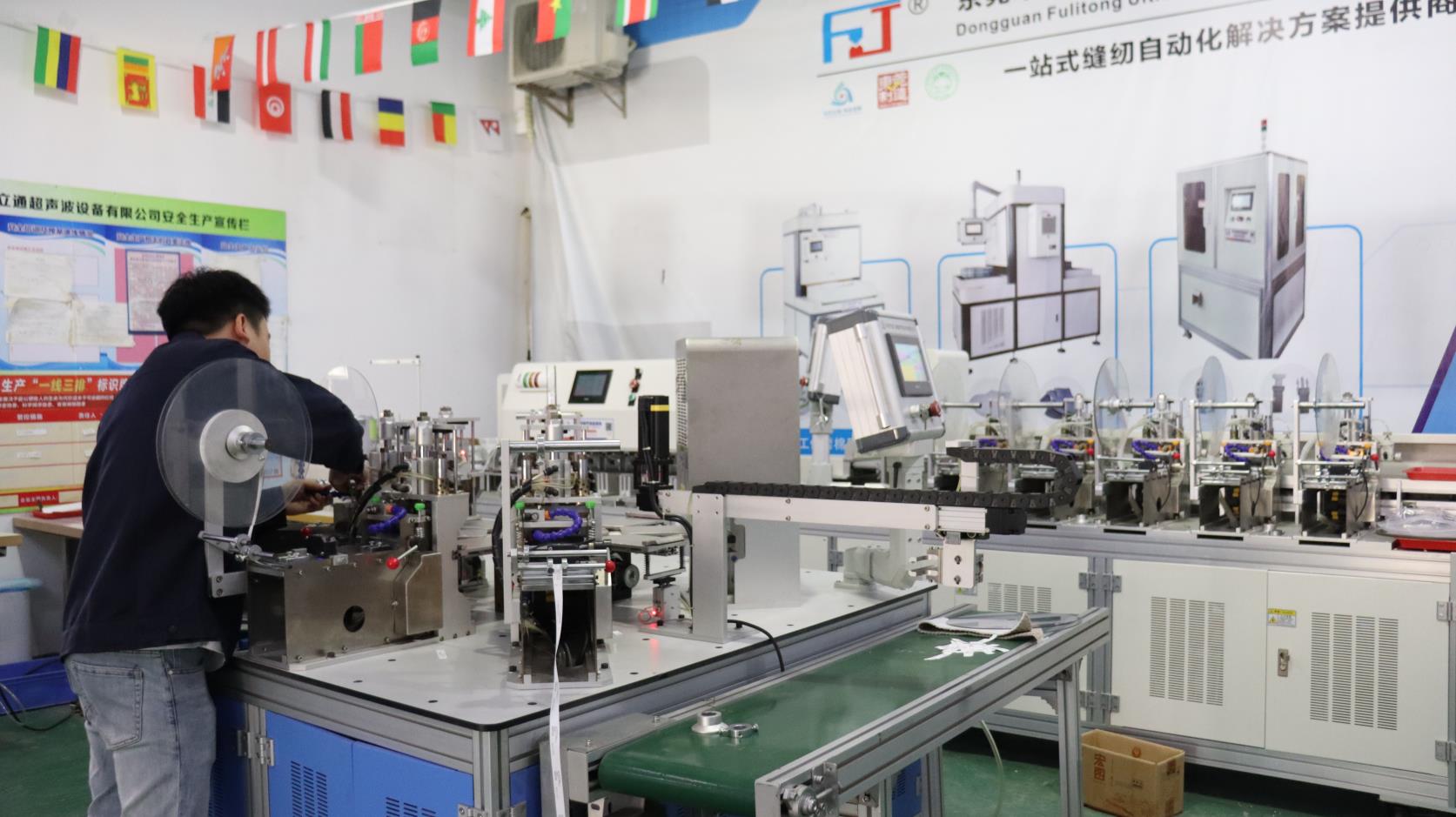
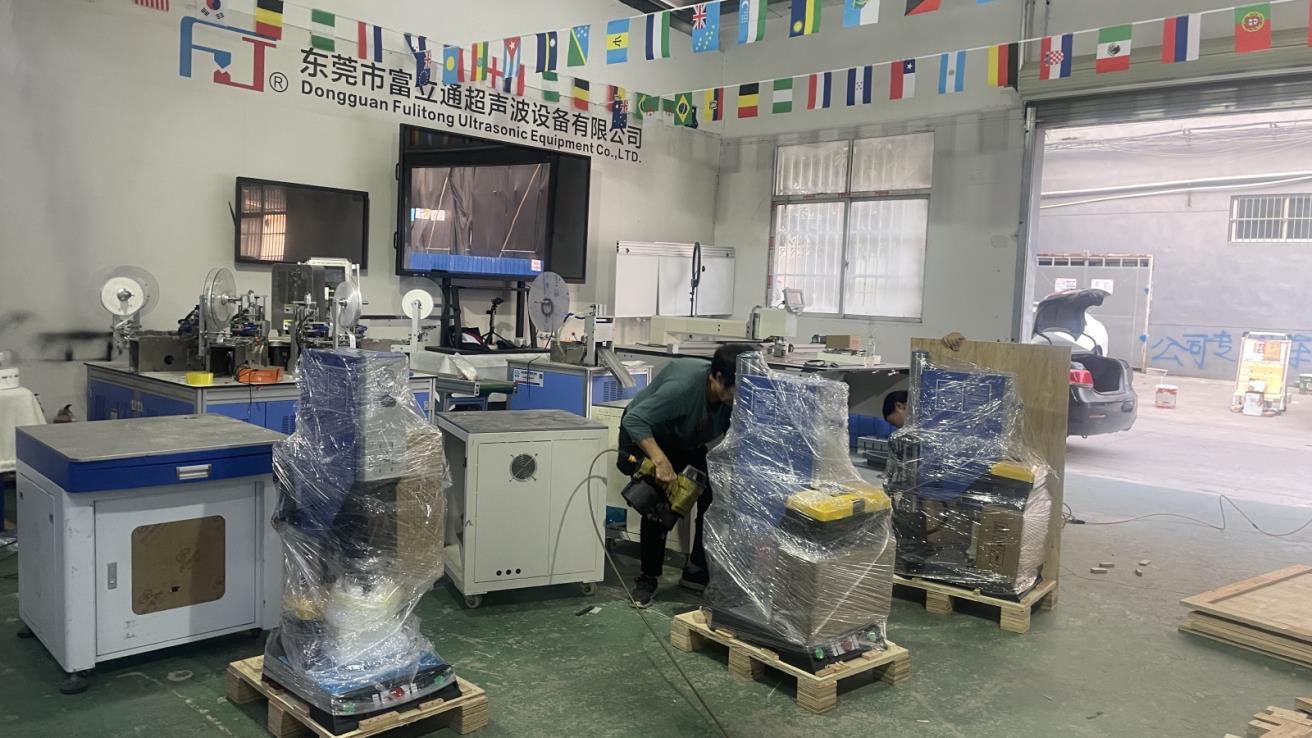
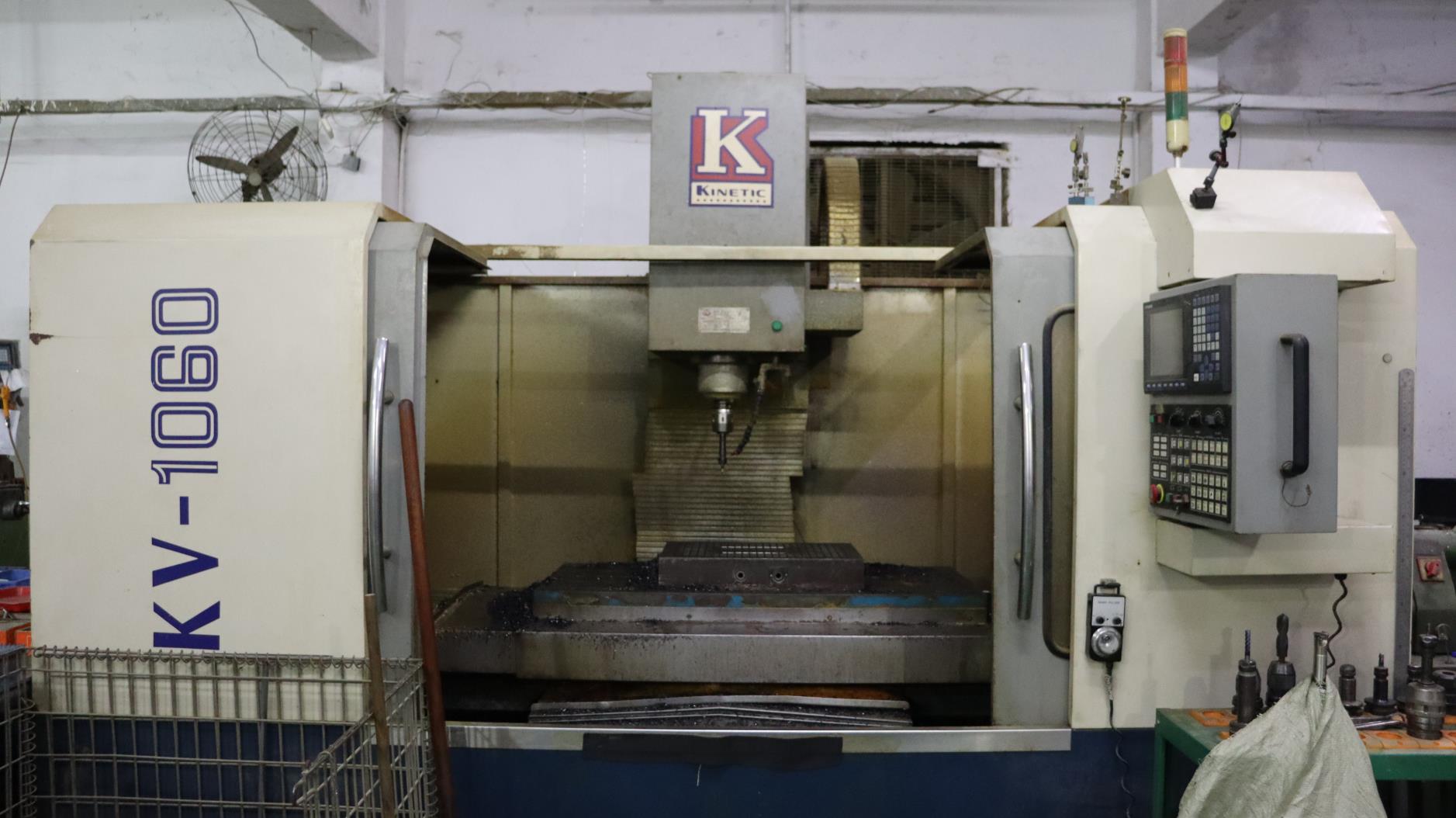
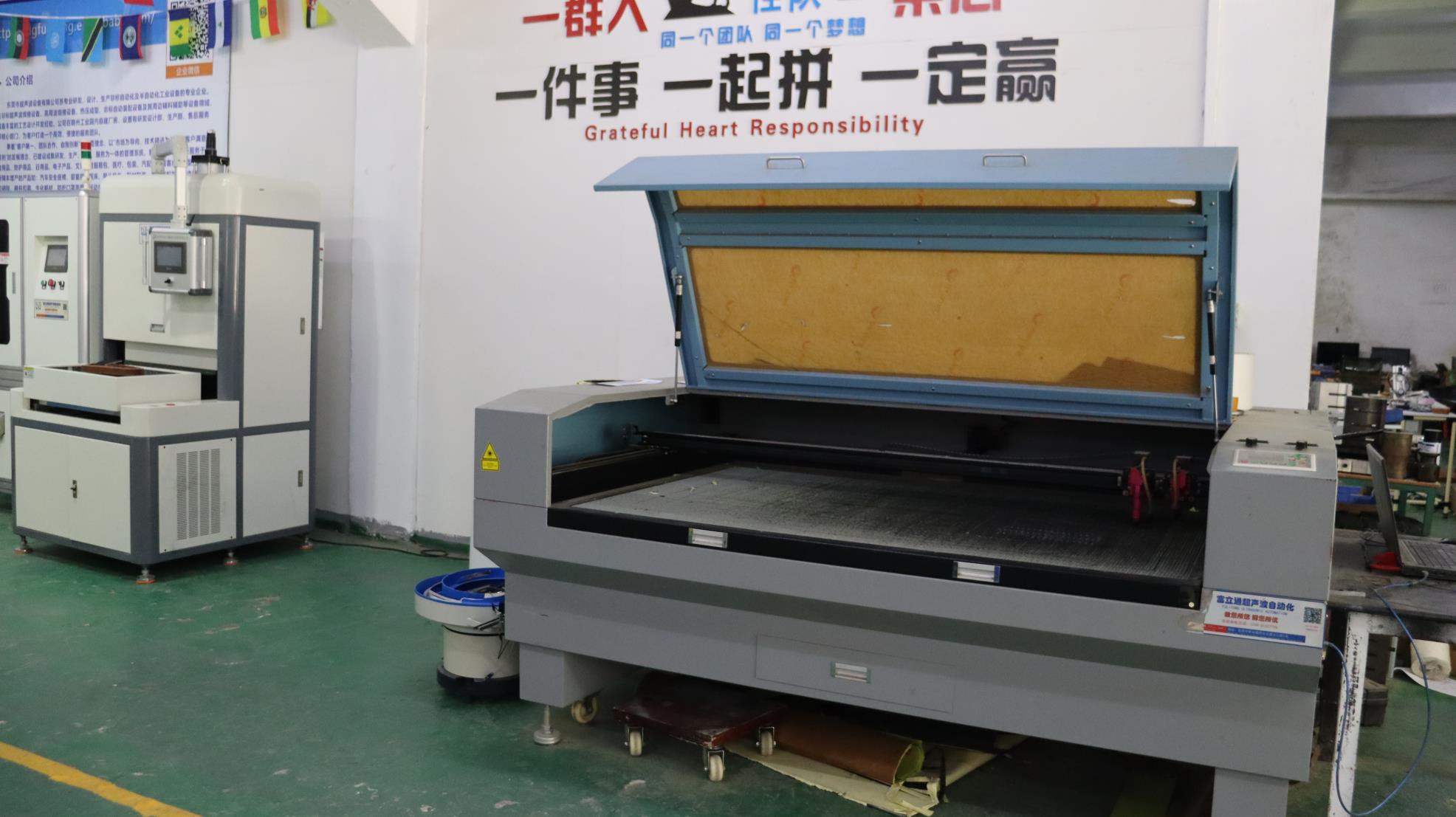
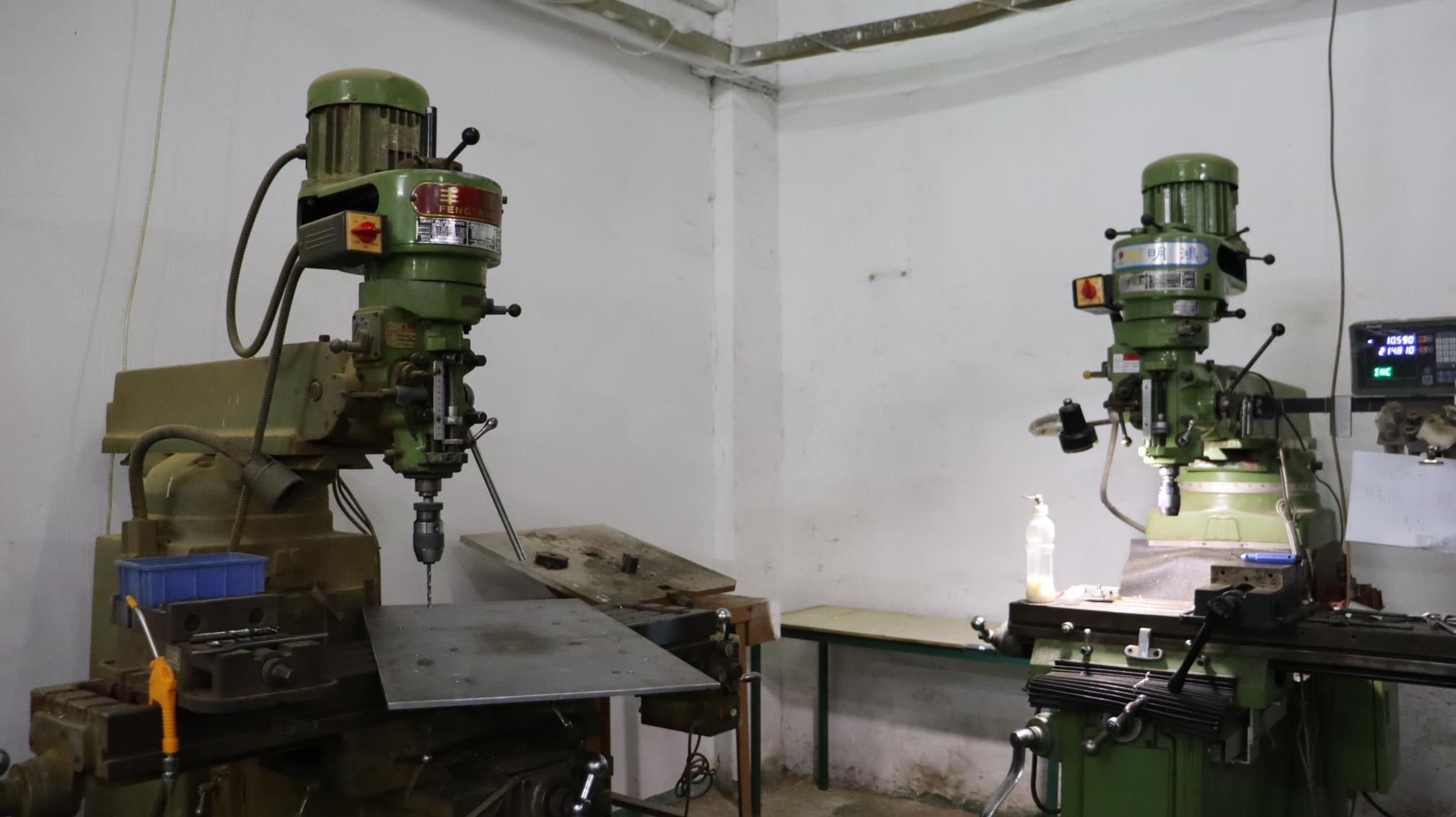
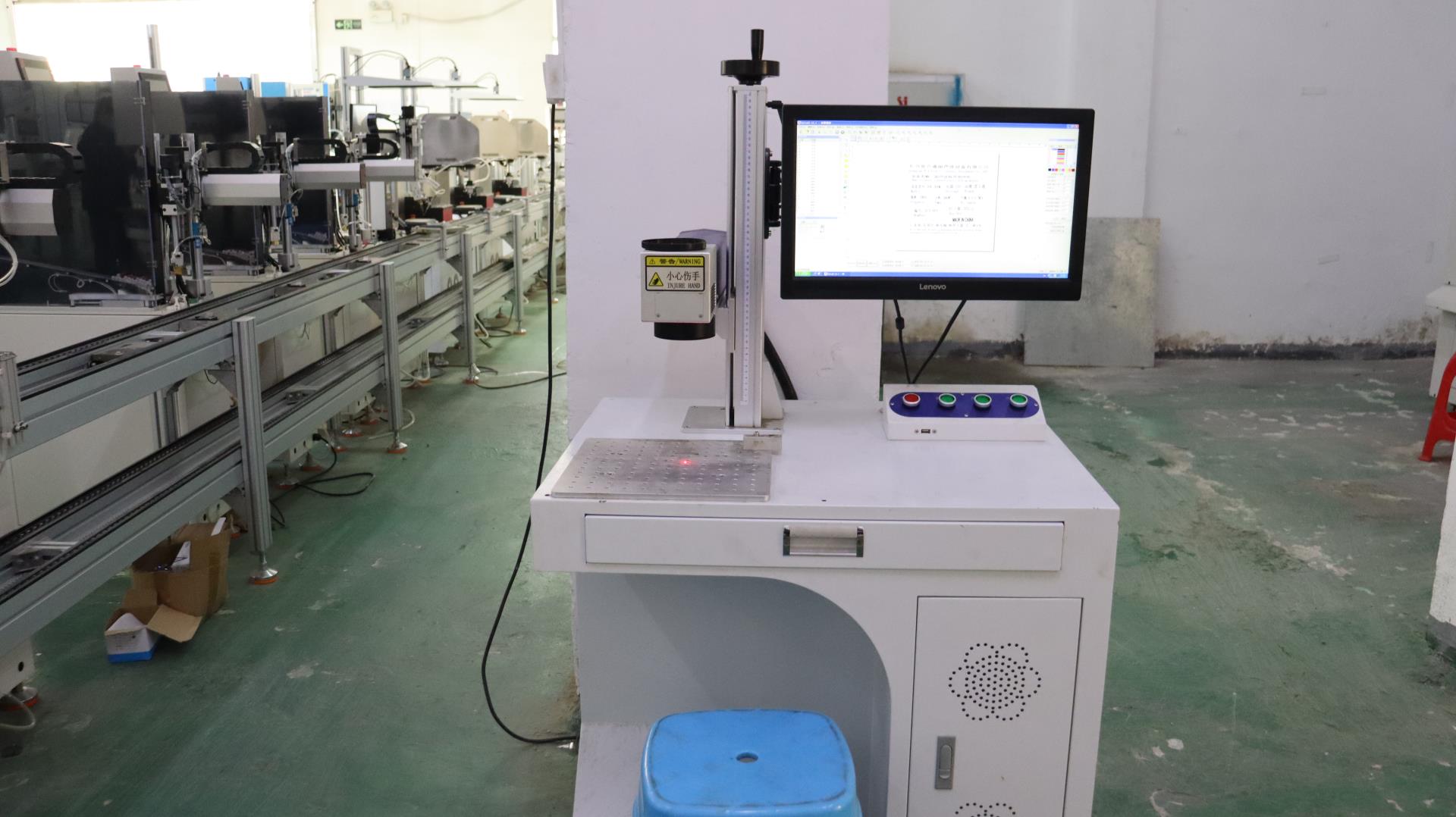
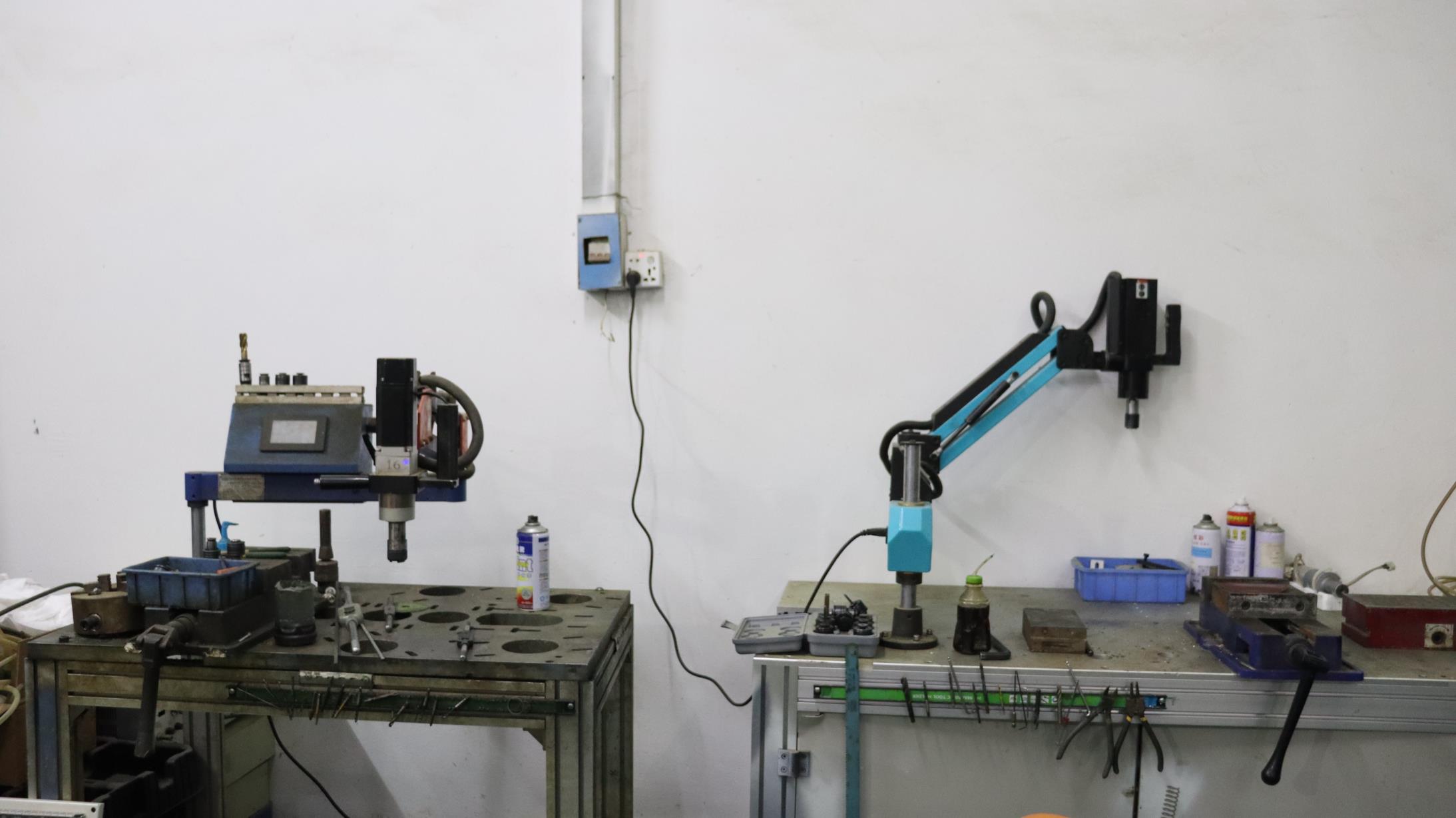
Our operational standards are supported by 6 utility patent certificates, verifying our innovation and engineering quality (Patent Numbers: ZL202420005404.9, ZL202420005354.4, ZL202420005309.9, and ZL201921574530).
Precision fabrication machinery is critical across multiple key industrial sectors. By matching specific parameters to localized applications, factories can maximize throughput and reduce reject rates.
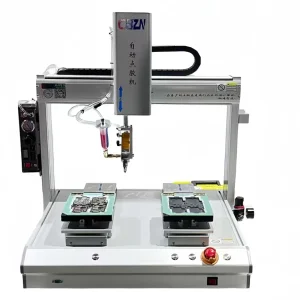
Cutting high-tensile structural frames, body panels, and engine components. High-precision laser heads prevent thermal warping on thin alloys, while automated dispensers apply TPU adhesives to interior components.
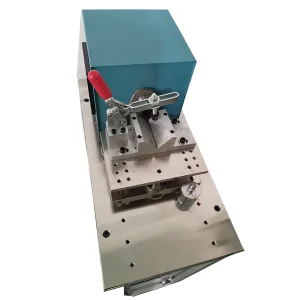
Processing thick plates for vibrating dewatering screens and mineral processing units. These machines utilize high-power laser cutting for wear-resistant plates, paired with high-frequency induction brazing for heavy tool tips.
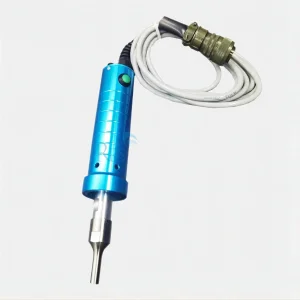
Ultrasonic metal welders and programmable dispensers assemble battery packs, wire harnesses, and protective enclosures, satisfying the assembly demands of precision electronic components.
Industry answers to common technical queries on system calibration, laser source selection, and international shipping protocols.
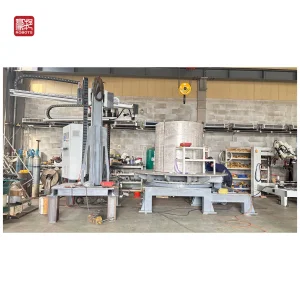
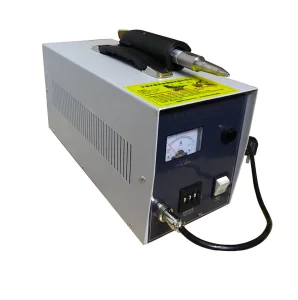
Explore our complete machinery range, covering dynamometer test cells, 3D foam cutters, and multi-process spot glue robots.
 Heping Mechanical