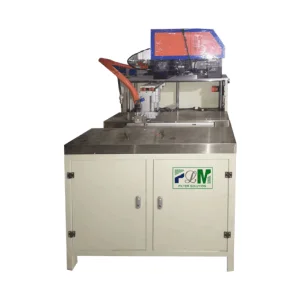
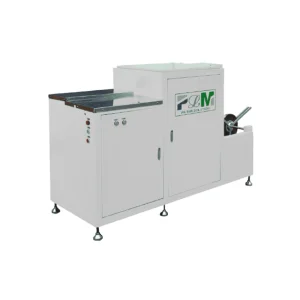
Engineered for high repeatability, thermal accuracy, and compliance with strict Swiss industrial manufacturing standards.
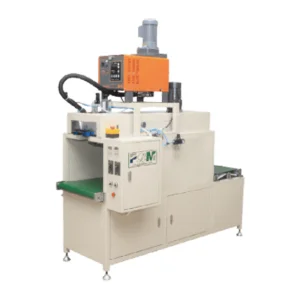
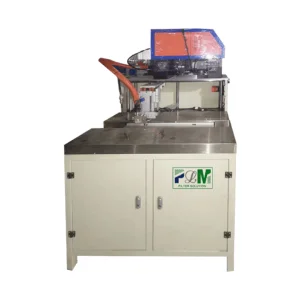
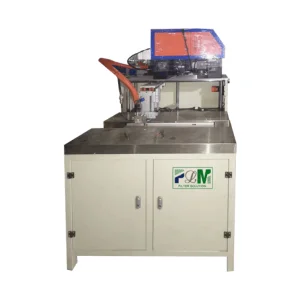
The Greater Geneva region, encompassing Meyrin, Plan-les-Ouates, and extending to the neighboring Vaud and French frontiers, is internationally synonymous with peak engineering, high-value watchmaking (Haute Horlogerie), advanced biotechnology, and medical technology clusters. As production requirements migrate from labor-intensive assembly to smart automation, Geneva-based enterprises encounter highly specific technical demands. Bonding processes must yield structurally pristine joins with micron-level tolerances, zero chemical off-gassing, and continuous repeatability.
In watch bezel and casing component assemblies, medical-grade fluid filters, and high-integrity PCB micro-dispensing projects, traditional structural adhesives or single-station manual systems often fail to meet requirements due to throughput bottlenecks and structural failures. High-precision multi-station hot melt machines address these limitations. By dividing critical processing phases—preheating, precise PUR (polyurethane reactive) or EVA dispensing, pneumatic press clamping, and vision-guided optical alignment inspection—across a rotary index table or synchronized linear shuttle, throughput scales without sacrificing mechanical precision.
To successfully integrate hot melt systems within Swiss cleanrooms and high-grade assembly centers, several core engineering parameters must be maintained:
| Machine Sub-system | Standard Parameters | High-Precision Specs (Geneva Standard) | Engineering Benefits |
|---|---|---|---|
| Thermal Control System | ± 2.0 °C standard PID | ± 0.2 °C closed-loop heating zone control | Prevents polymer degradation, maintaining constant viscosity. |
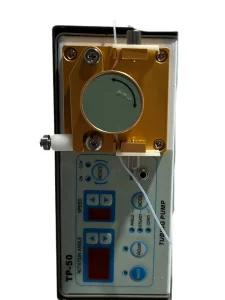
| Dispensing Accuracy | ± 0.1 ml volume | ± 0.01 ml via micro-dispensing pump | Crucial for micro-electronics, watch casings, and medical filters. |
| X-Y-Z Positioning Gantry | ± 0.05 mm mechanical | ± 0.01 mm servo-driven linear encoders | Ensures perfect repeatability for complex, multi-layer contours. |
| Inspection Capabilities | Manual QA checks | Integrated AOI (Automated Optical Inspection) | Provides 100% in-line verification of glue width and height. |
In addition, cleanroom compatibility is heavily dependent on using food-contact and medical-compliant adhesives like specialized reactive polyurethanes (PUR). Our machinery is fully optimized to process PUR at controlled, variable melt temperatures. High-temperature distribution manifolds are coated with Teflon to prevent carbon buildup and adhesive scorching, which otherwise clogs nozzles and creates costly downtime in high-throughput production runs.
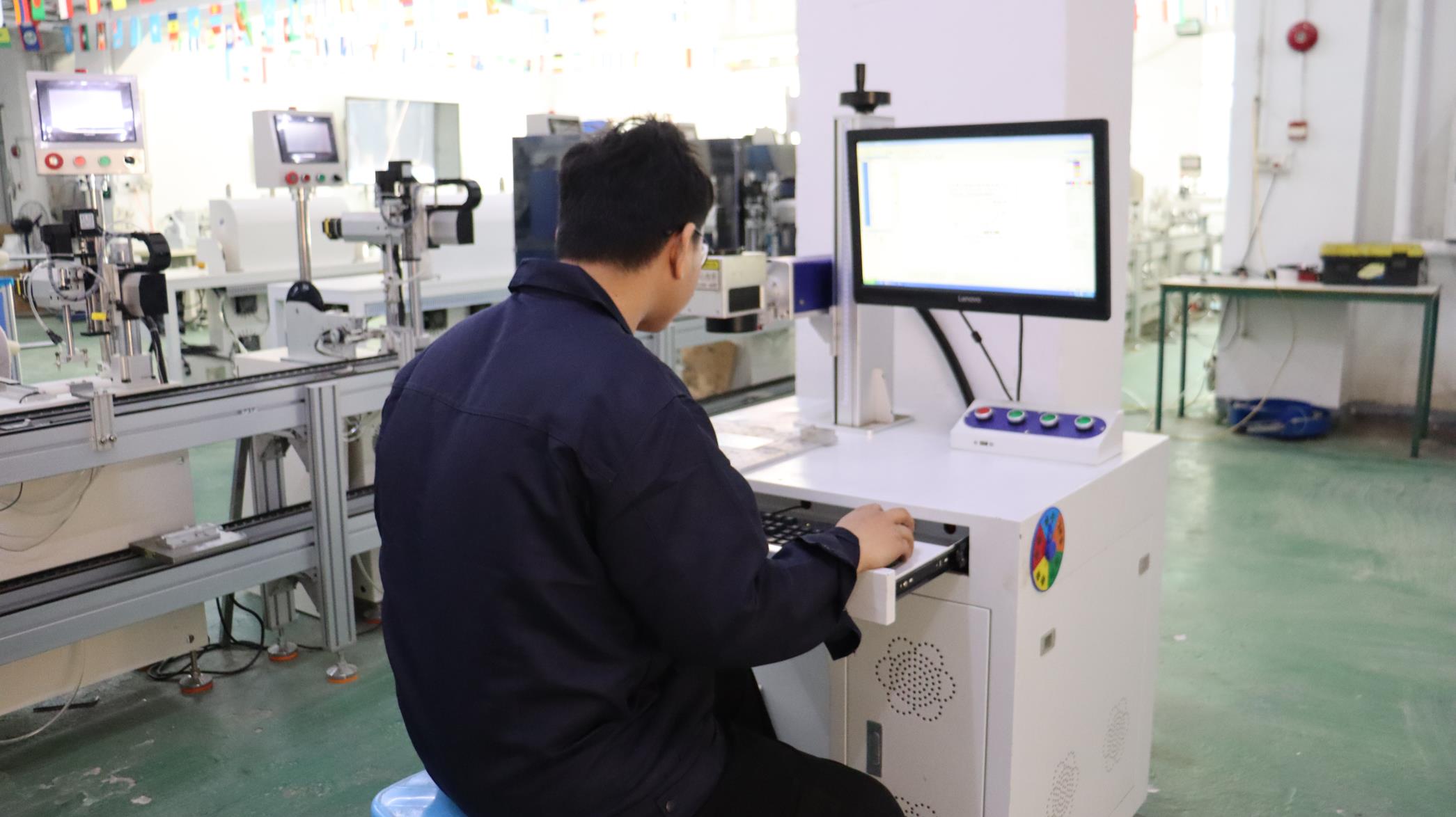
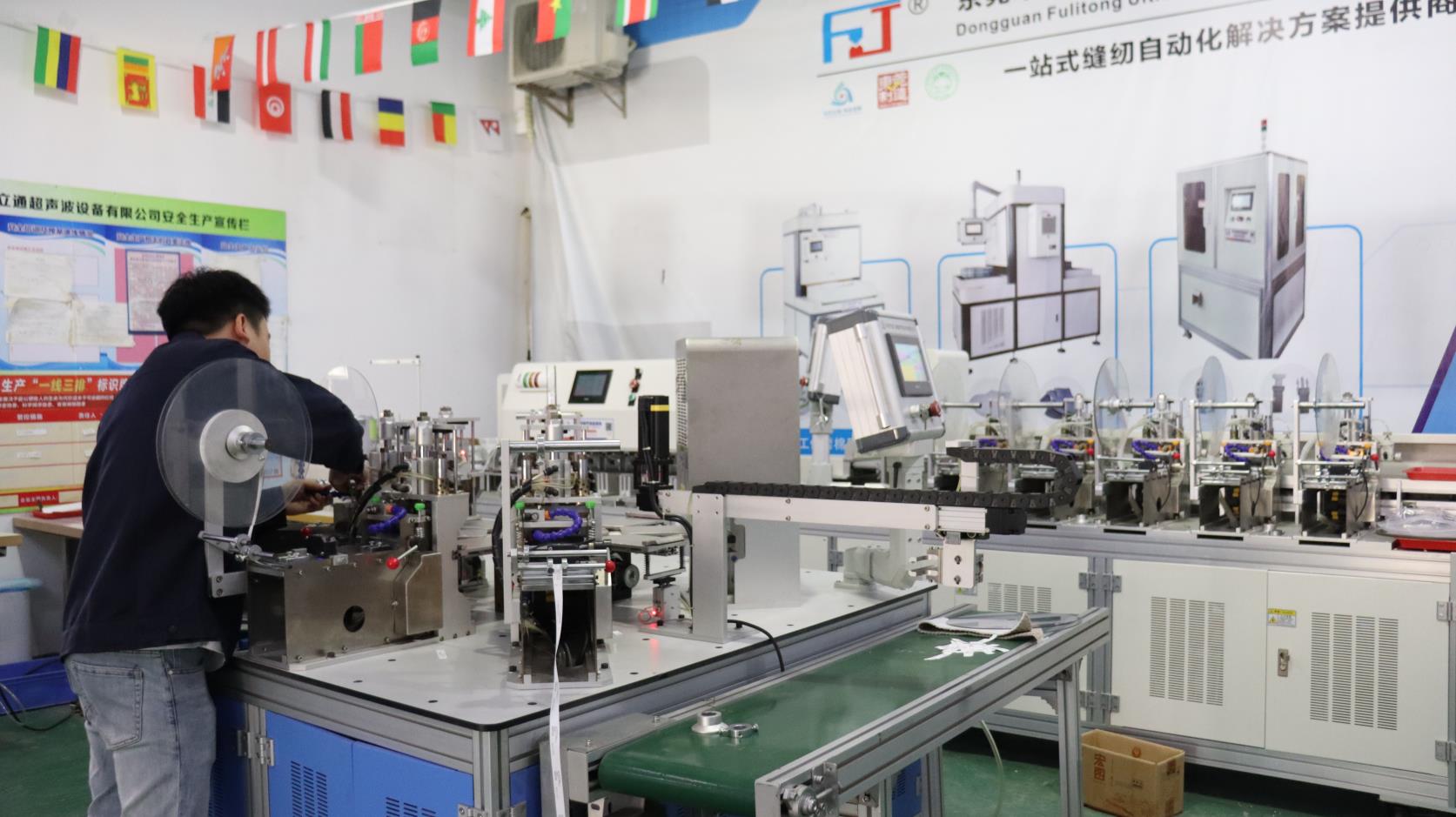
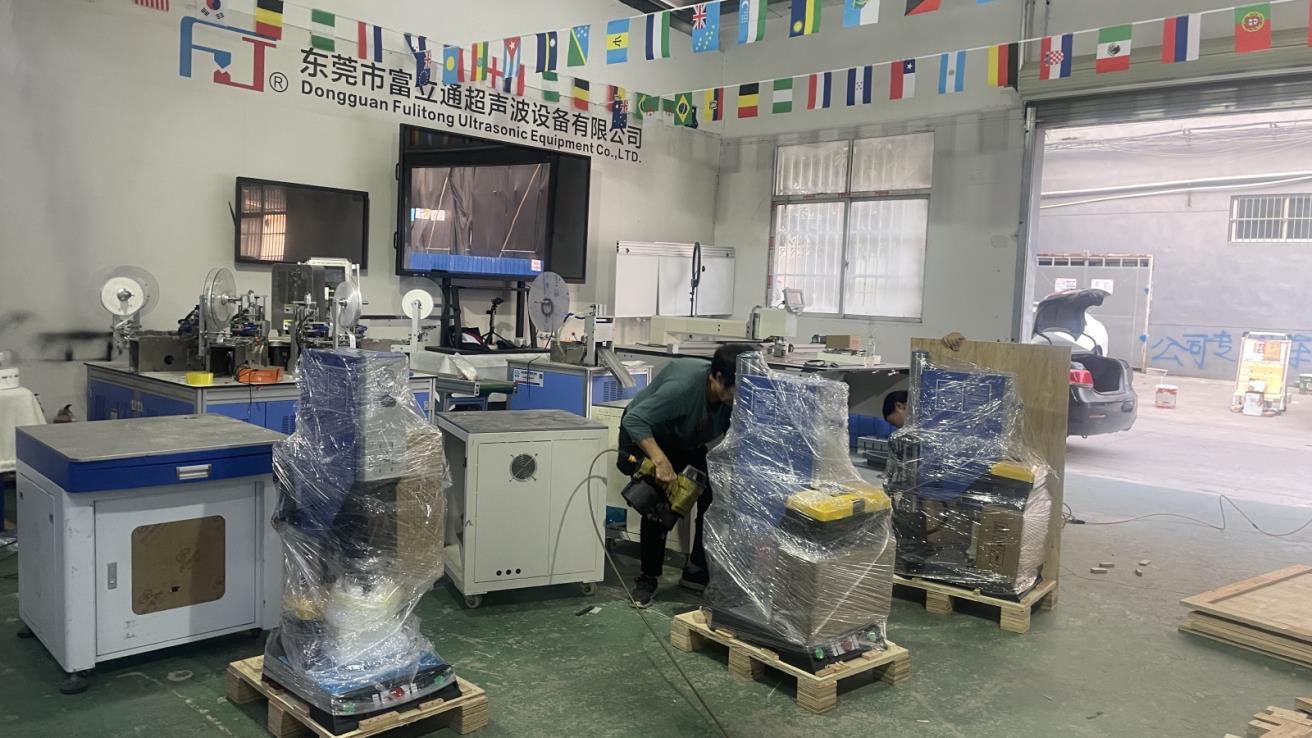
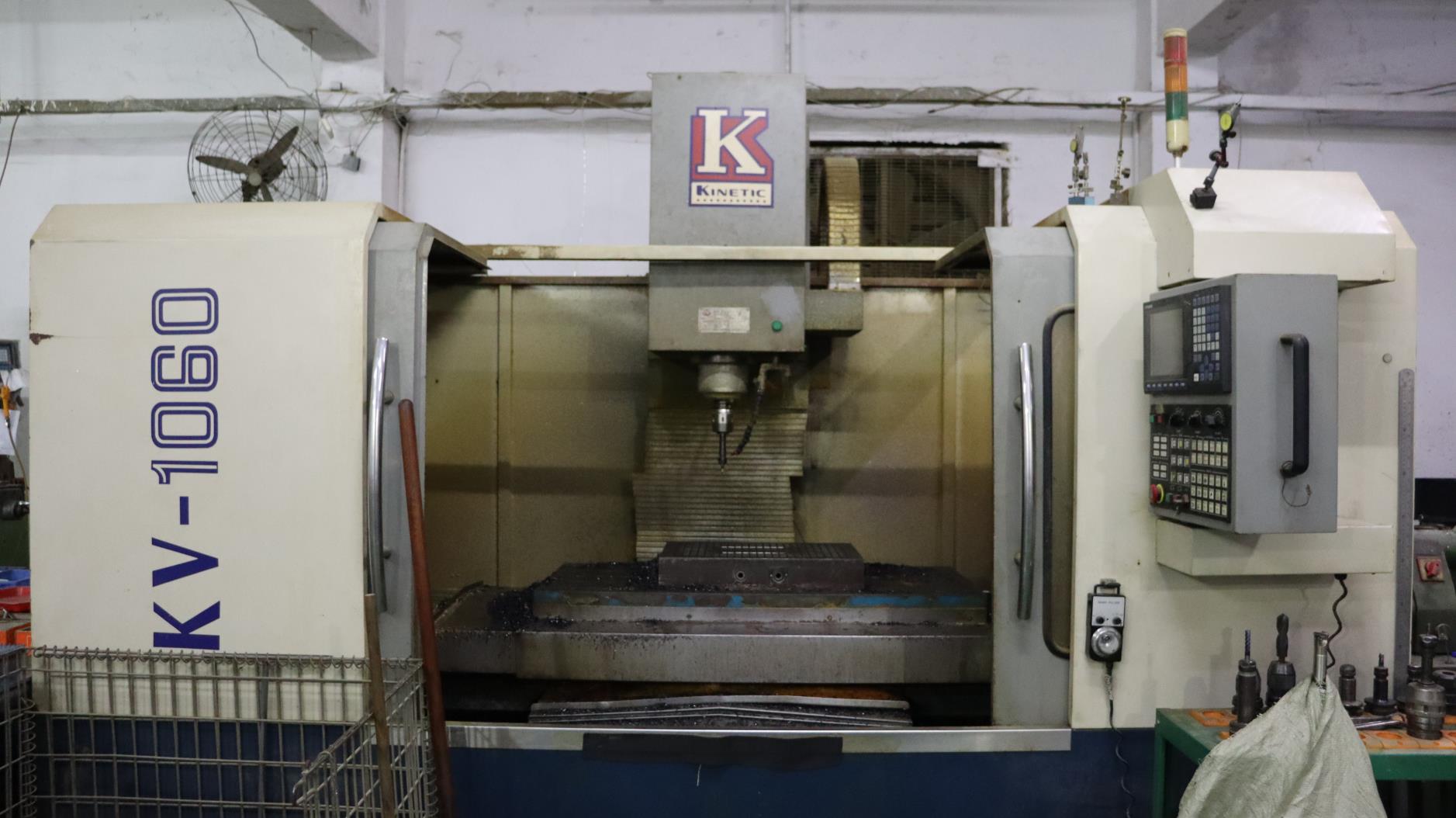
Integrating Advanced R&D, CNC Machining, and International Engineering Standards
Zhejiang Heping Mechanical Equipment Co., Ltd. is a premier industrial equipment manufacturer. Covering a factory building area of 7,000 square meters, we are a manufacturing enterprise integrating plastic welding, R&D design, production and manufacturing, as well as sales and service.
We possess strong capabilities in the design, R&D and production of non-standard mechanical products, and can customize various special-purpose mechanical equipment according to customer needs. Our production capability is backed by modern high-end machining centers including advanced CNC vertical milling machines, fiber laser cutting units, high-precision tapping machines, and automated laser marking workstations.
Through our dedicated technical and customer service teams, we ensure that every client—from precision micro-assemblers in Geneva to heavy-volume automotive component plants globally—receives standard-setting equipment that performs reliably on the line. We help our customers gain market edge by optimizing cycle times, increasing first-pass yields, and ensuring cleanroom-compatible operation.
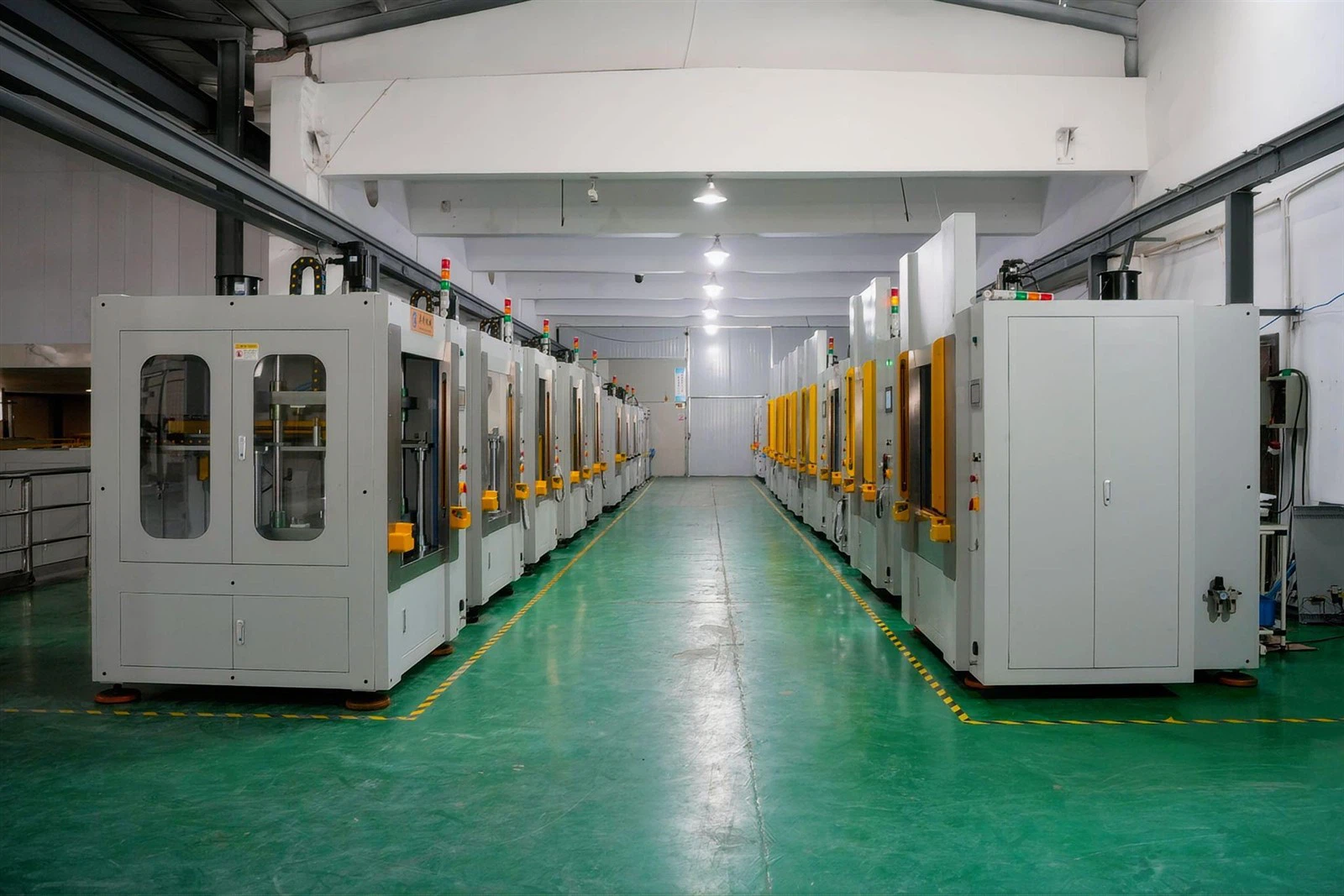
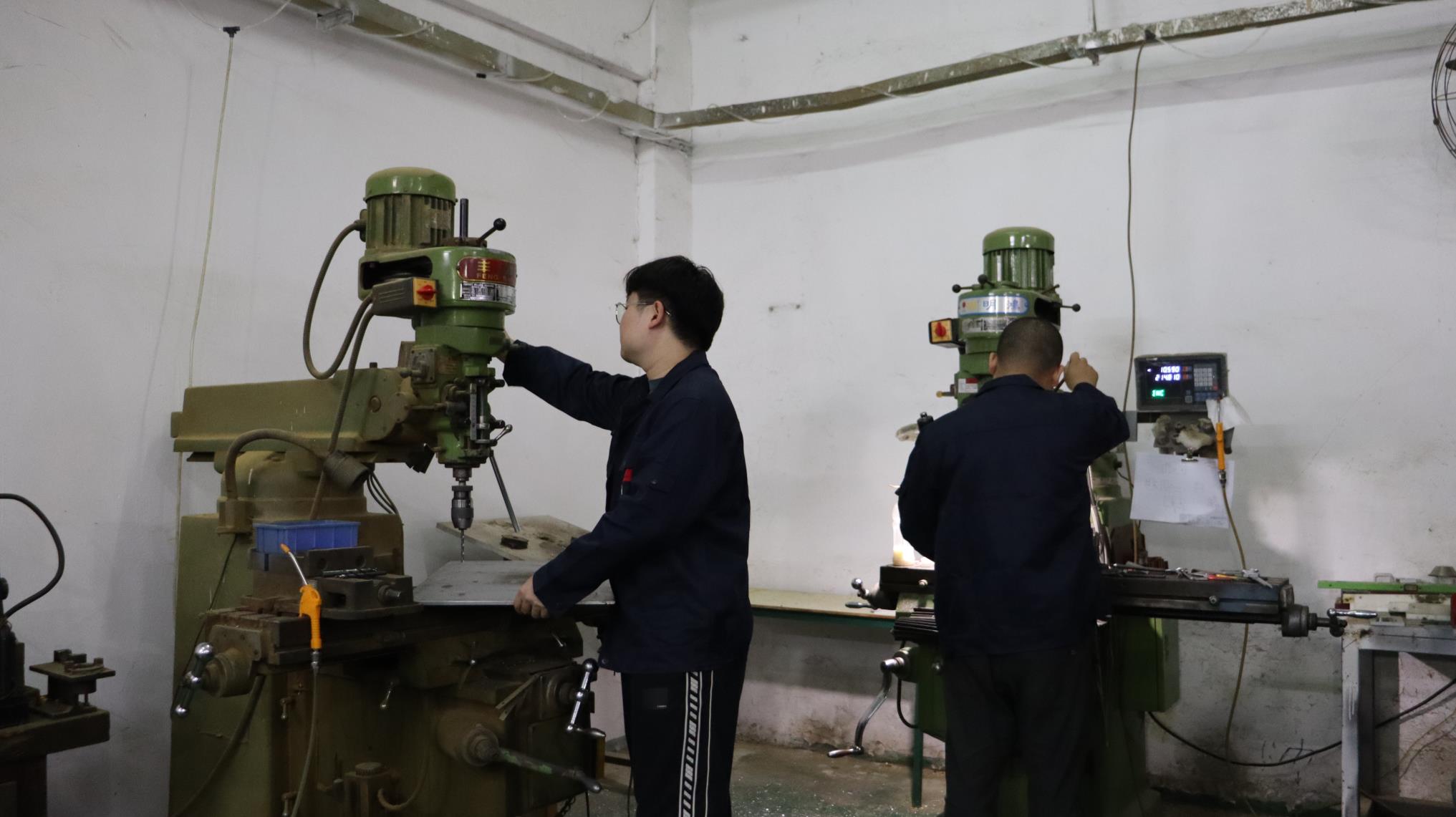
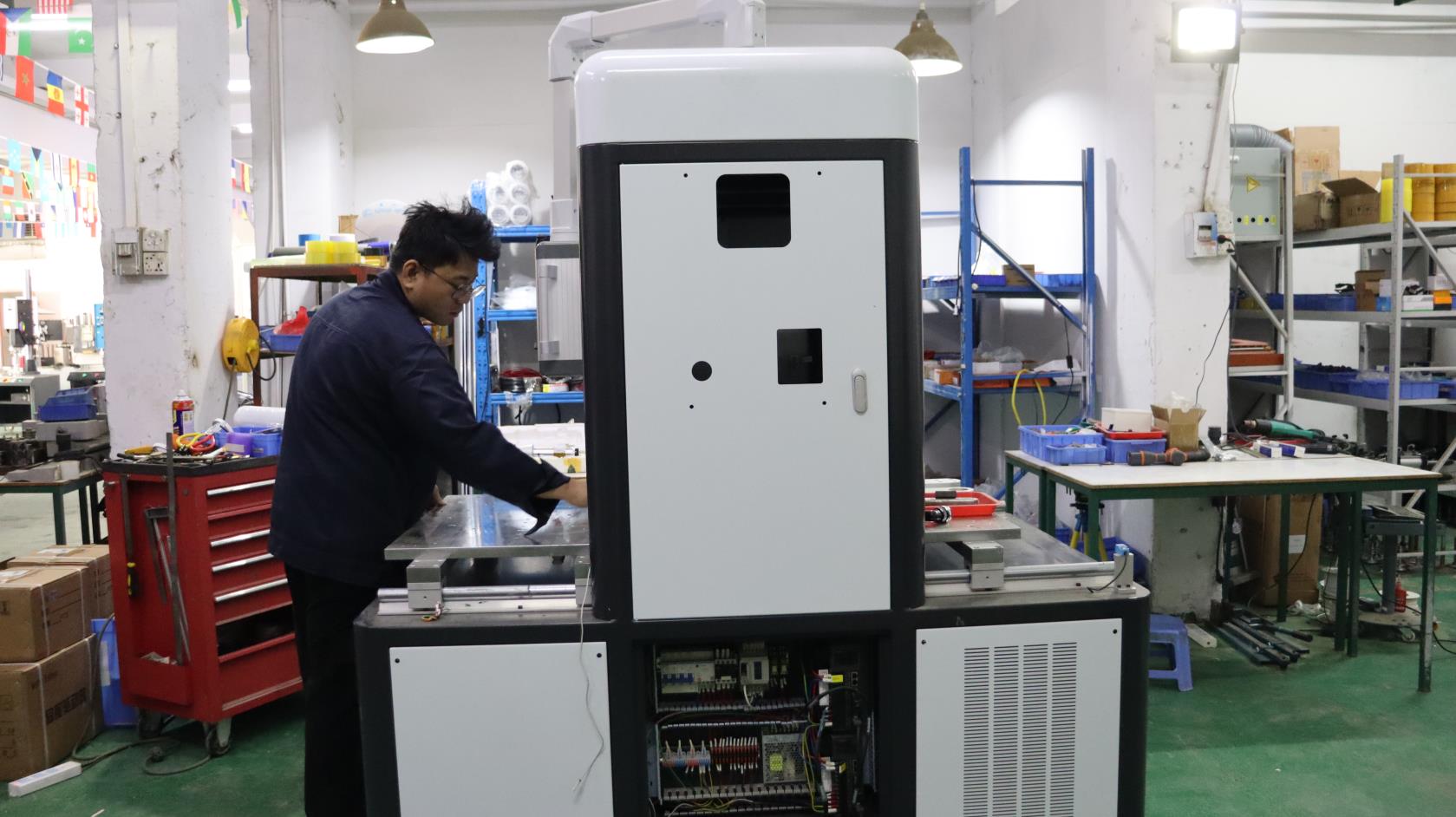
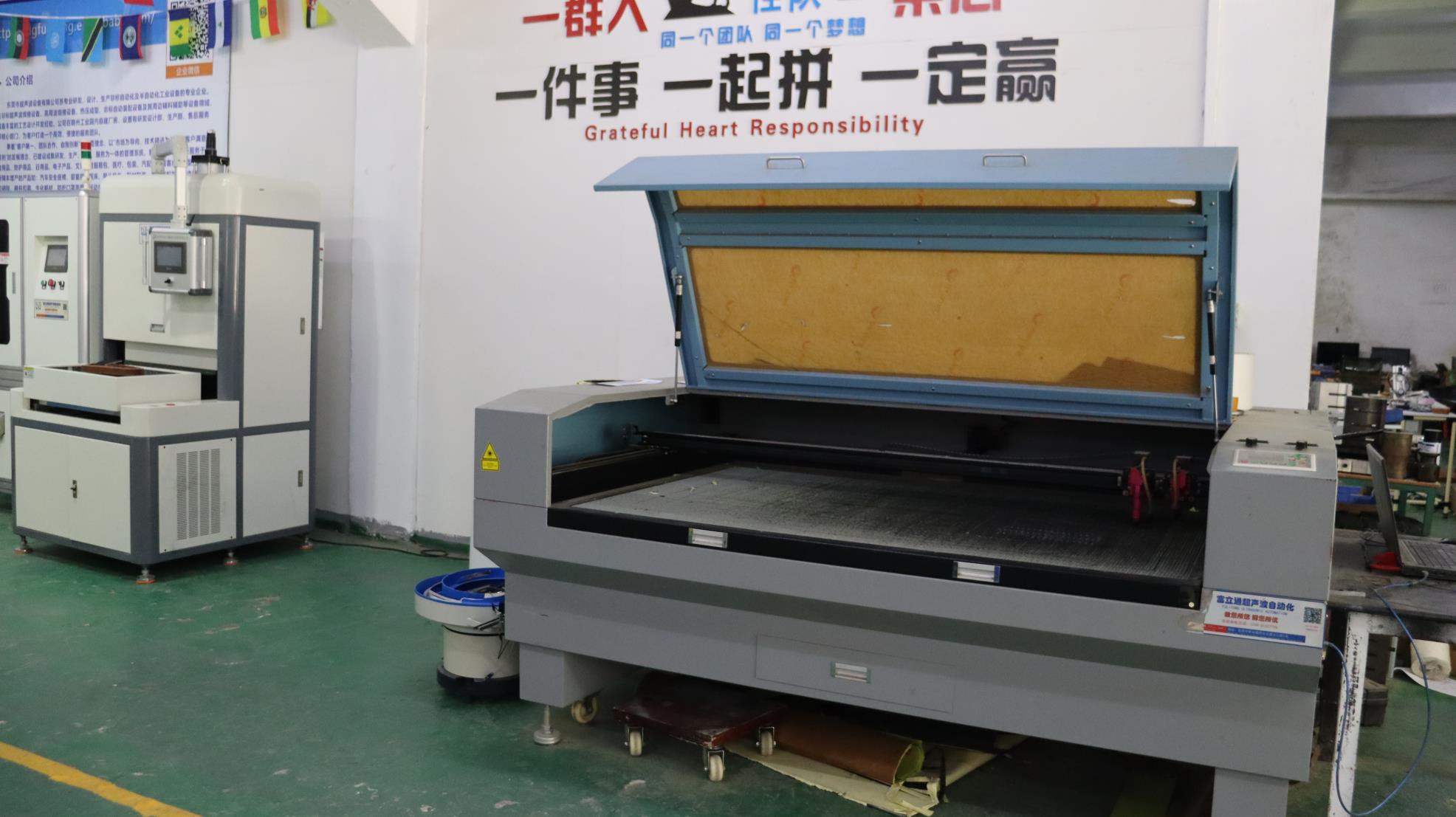
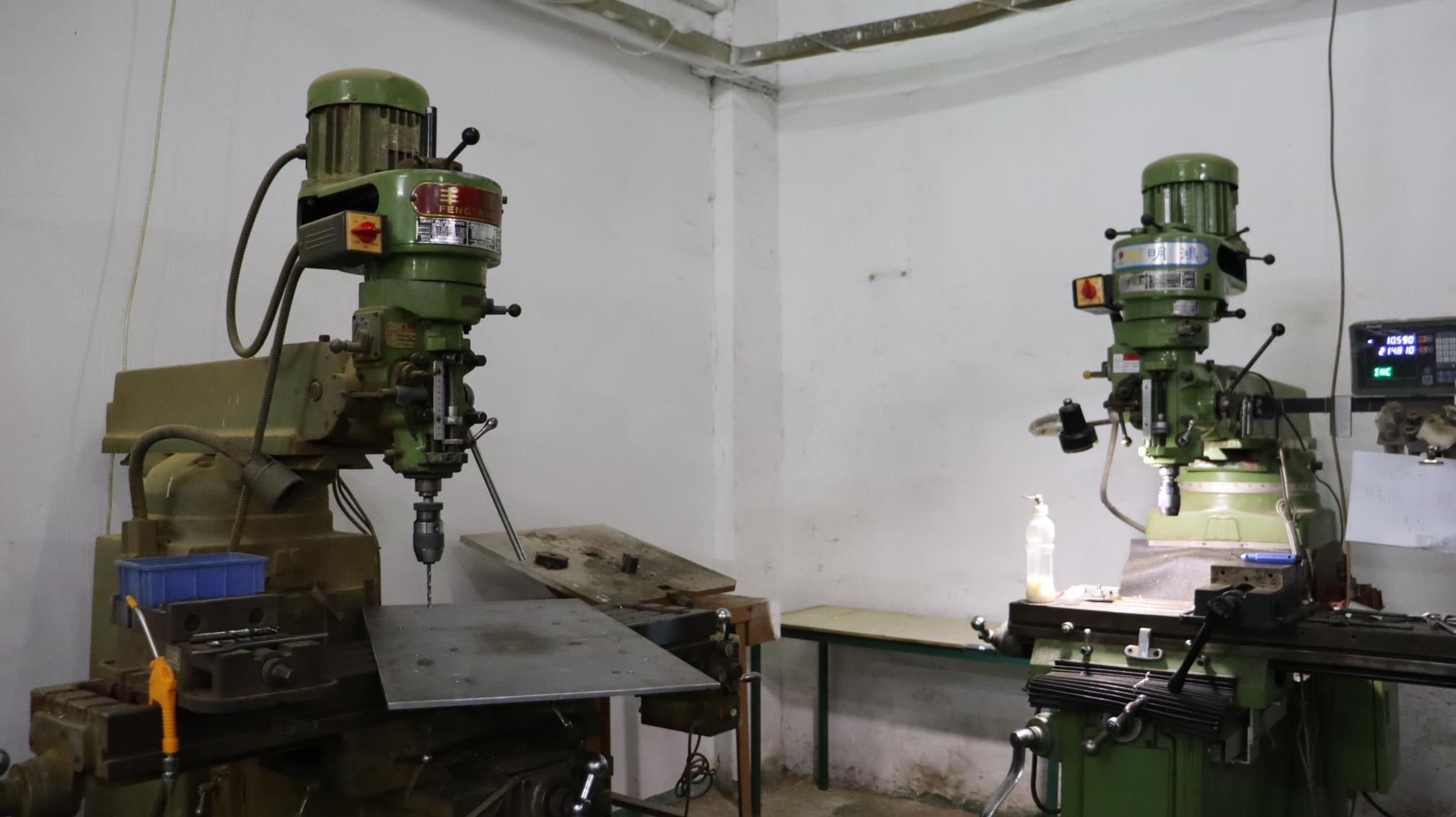
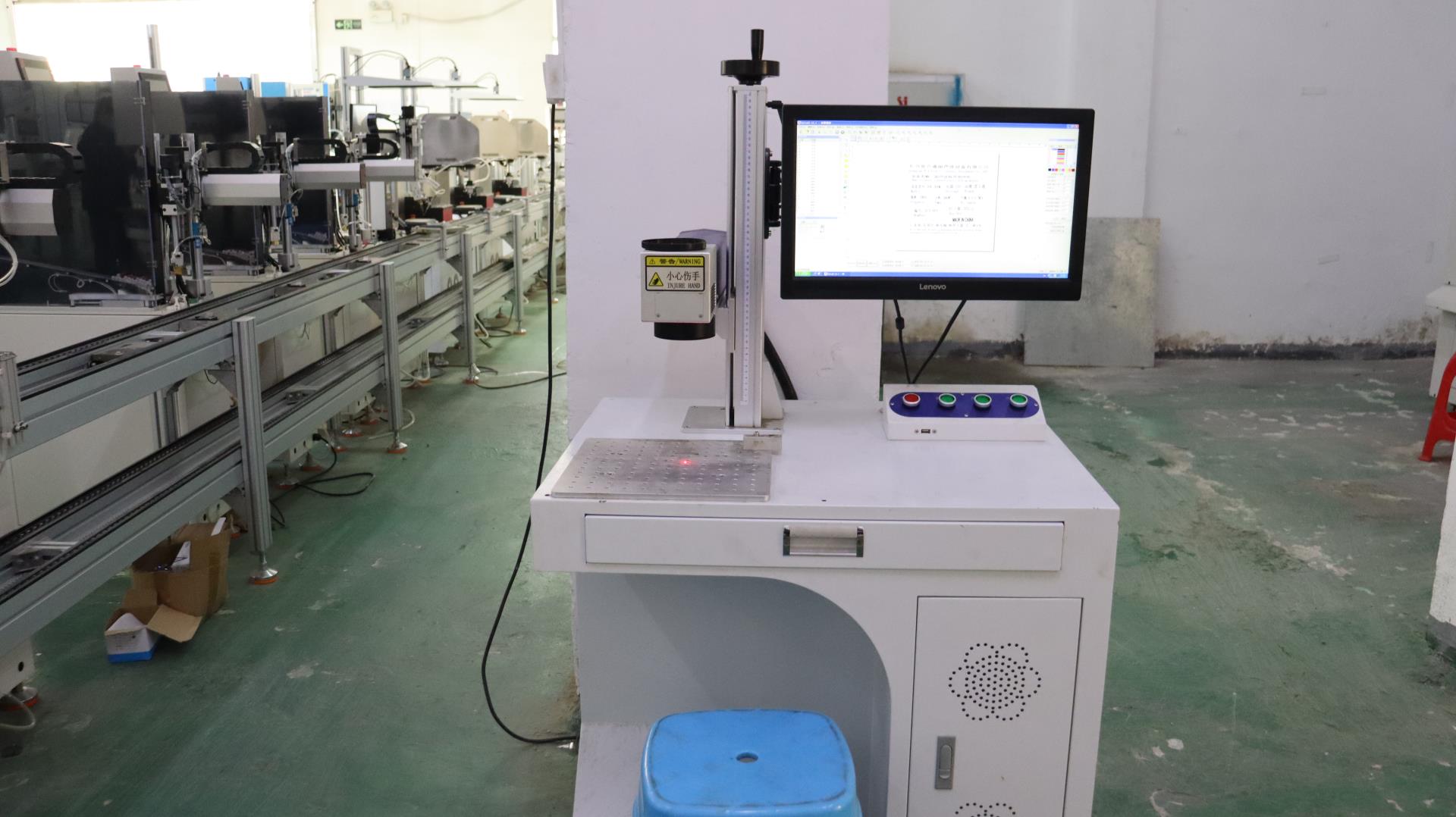
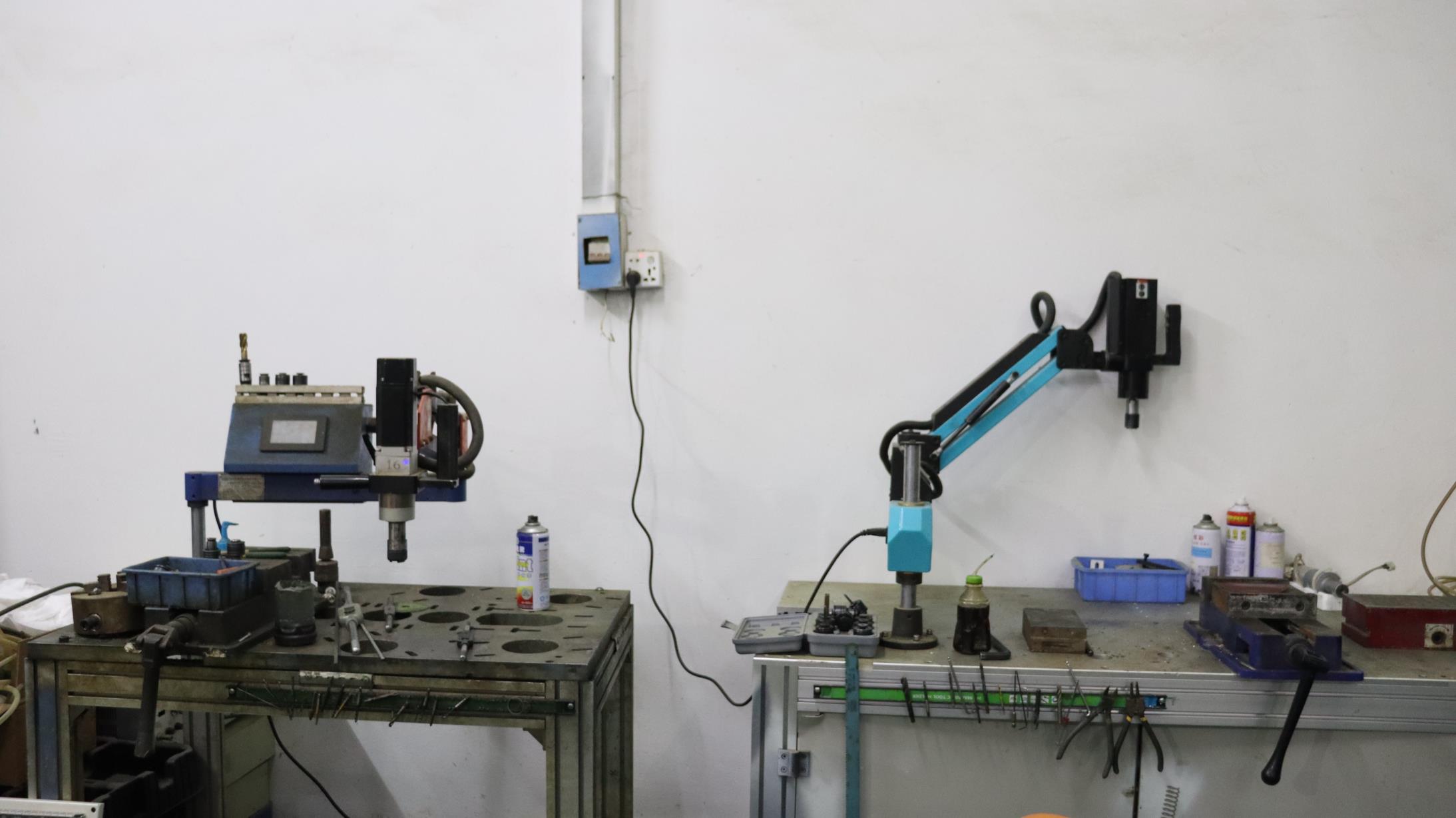
Global industrial procurement strategies are shifting towards models that combine robust capital efficiency with high precision. For manufacturing corporations based in Geneva, sourcing multi-station dispensing equipment and hot melt systems directly from our factory in Zhejiang offers distinct structural advantages. Over the last decade, Zhejiang's industrial robotics and mechanical manufacturing clusters have matured into high-competency ecosystems. This concentration of component suppliers, precision heat treatments, and optical hardware developers allows us to design and build bespoke platforms at a fraction of standard European production costs.
We maintain full ownership of our design, structural engineering, and software development workflows. This control ensures that non-standard machine modifications—such as custom indexing configurations, cleanroom housing adjustments, or integration of dedicated industrial communication protocols like OPC UA and EtherCAT—can be finalized quickly. Design updates that typically take months elsewhere can be simulated, verified, and machined in a matter of weeks.
Operating machinery in Switzerland requires adherence to strict European and Swiss-specific compliance frameworks. We build all our international-grade units in accordance with these standards:
To reduce travel overhead for setup and maintenance, we offer remote diagnostic support. By integrating a secure, VPN-capable industrial router into the machine control cabinet, our design team can connect directly to the machine's PLC. We can analyze telemetry, update step-profiles, adjust thermal ramps, and diagnose sensor states in real-time, working alongside your local maintenance technicians.
Select from our range of high-efficiency multi-operation bonding systems, customizable to suit Geneva's industrial standard specifications.
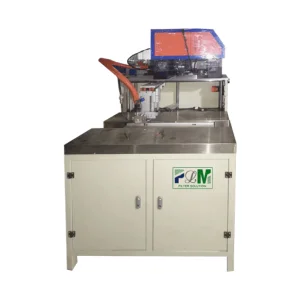
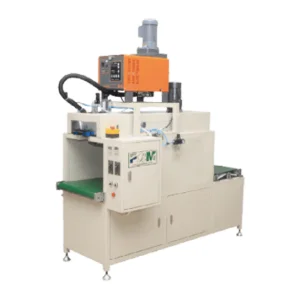
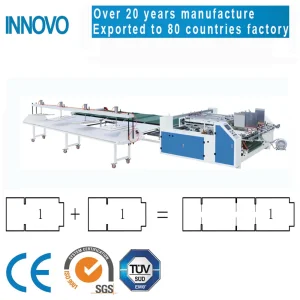
In municipal water testing, chemical processing, and aerospace hydraulic systems centered in the Geneva area, filter elements must withstand high pressures and chemical cleanings. Traditional filter fabrication is prone to thermal cracking or non-uniform adhesive coverage, resulting in bypass leaks. Our multi-layer filter media hot melt machines are engineered with advanced center-tube rolling and clipping fixtures to ensure continuous thermal bonding. Heating zones are monitored in real-time, preventing gaps in the seal.
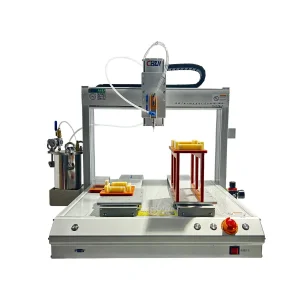
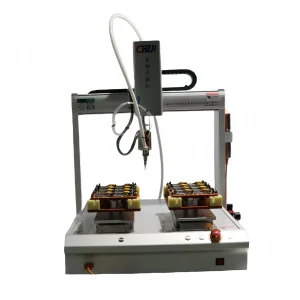
Geneva's active biotechnology and electronics industries rely on micro-sensors that must function reliably in harsh operating conditions. The assembly of PCB sensor substrates, multi-layer microfluidic cartridges, and high-frequency communication chips requires highly controlled micro-dispensing. Our 4-axis and 6-axis programmable UV dispensers deliver adhesive volumes down to ±0.01ml. Mechanical vibration dampening, toolhead feedback loops, and CCD-based fiducial alignment cameras correct for part misalignments before dispensing begins.
Modern industry demands continuous tracking of production metrics. Our latest generation of multi-station platforms features digital integration capabilities that align with Factory 4.0 and Smart Manufacturing standards. Every assembly cycle records critical variables—including curing temperature, dispensing head backpressure, mechanical clamping force, and cycle times. This raw production log is made accessible to enterprise MES databases via standardized protocols, helping manufacturers maintain complete quality logs for aerospace and medical applications.
Direct technical insights resolving common procurement, operational, and integration queries for high-precision bonding equipment.
 Heping Mechanical