Product Description
Welding Principle
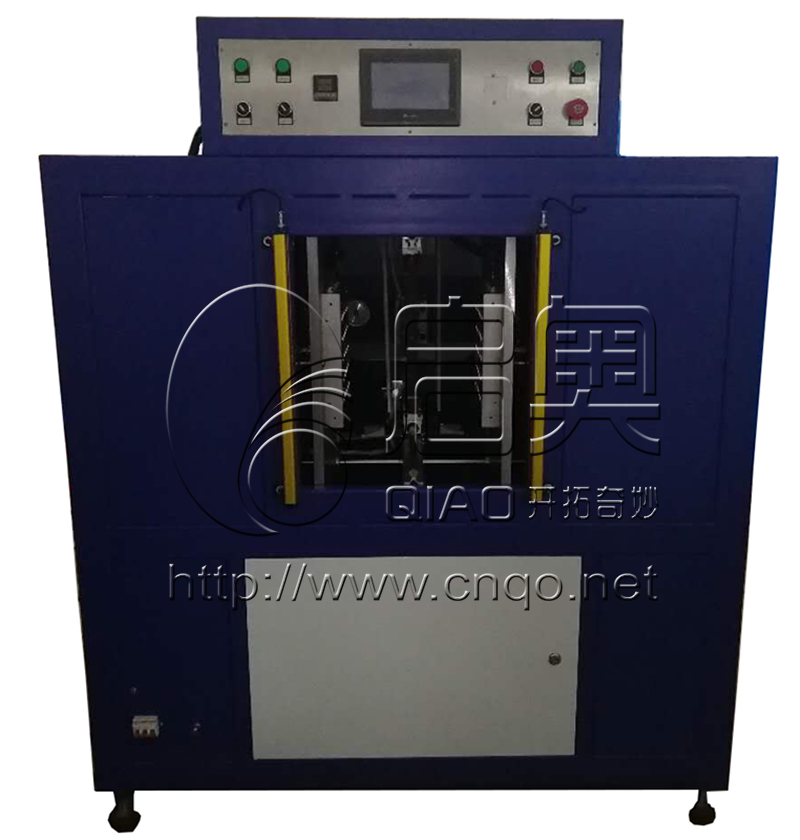
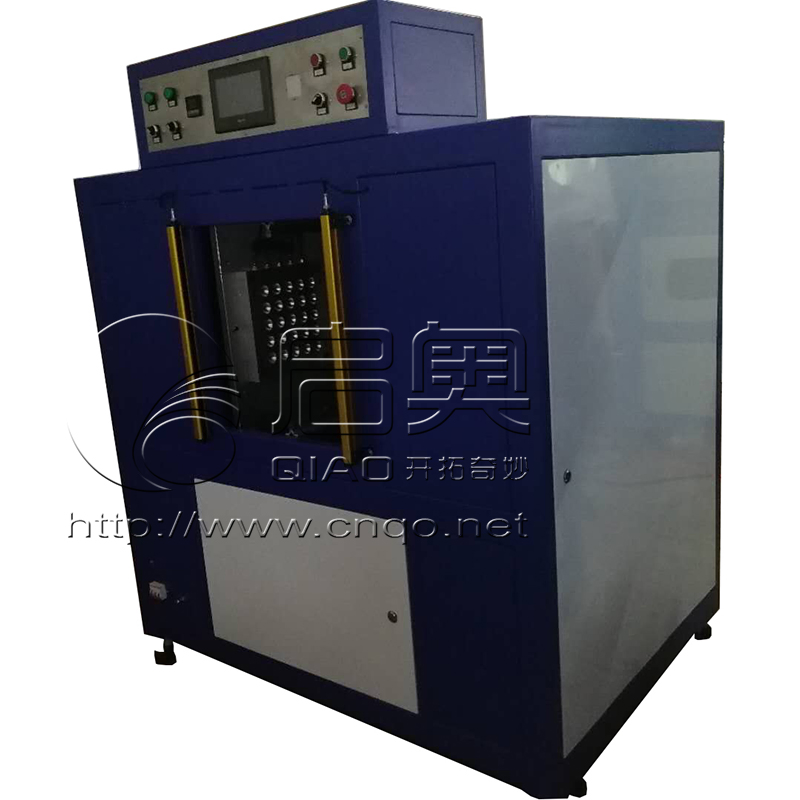
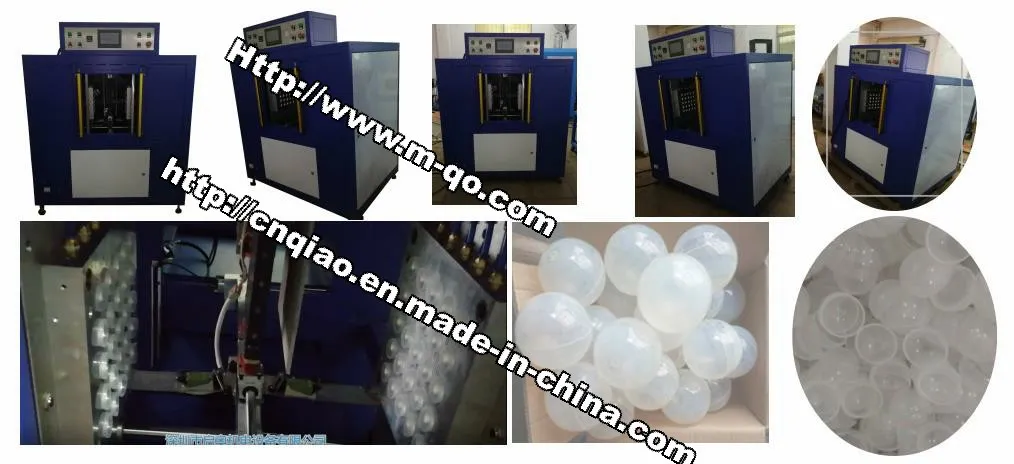
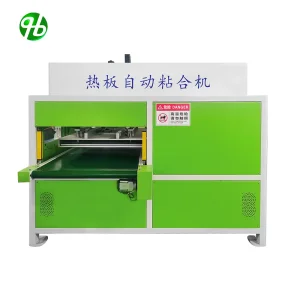
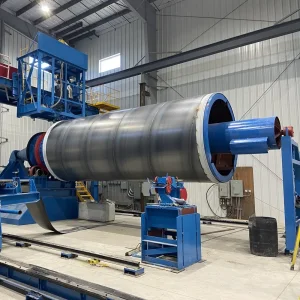
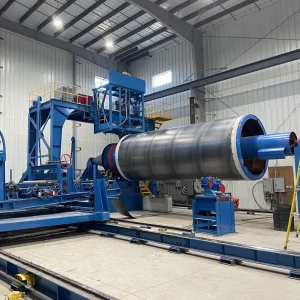
The hot plate machine exploits the electrothermal melting principle. By controlling temperature changes with precise mechanical means, it achieves perfect welding. It compensates for the limitations of ultrasonic welding when dealing with large and specialized plastic parts. The plastic components are heated by a metal plate with a higher melting point than the plastic material. Once the joint surfaces are melted, the hot plate is retracted, and the parts are pressed together to fuse. This process ensures watertight and airtight results, making it an economical and high-efficiency solution for thermoplastic parts.
Scope of Application
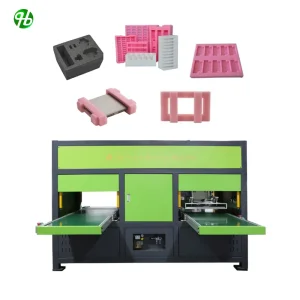
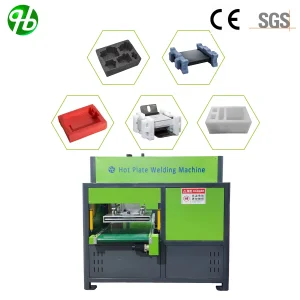
It is primarily designed for welding thermoplastic materials such as PE, PP, ABS, nylon, acrylic, POM, and large complex parts.
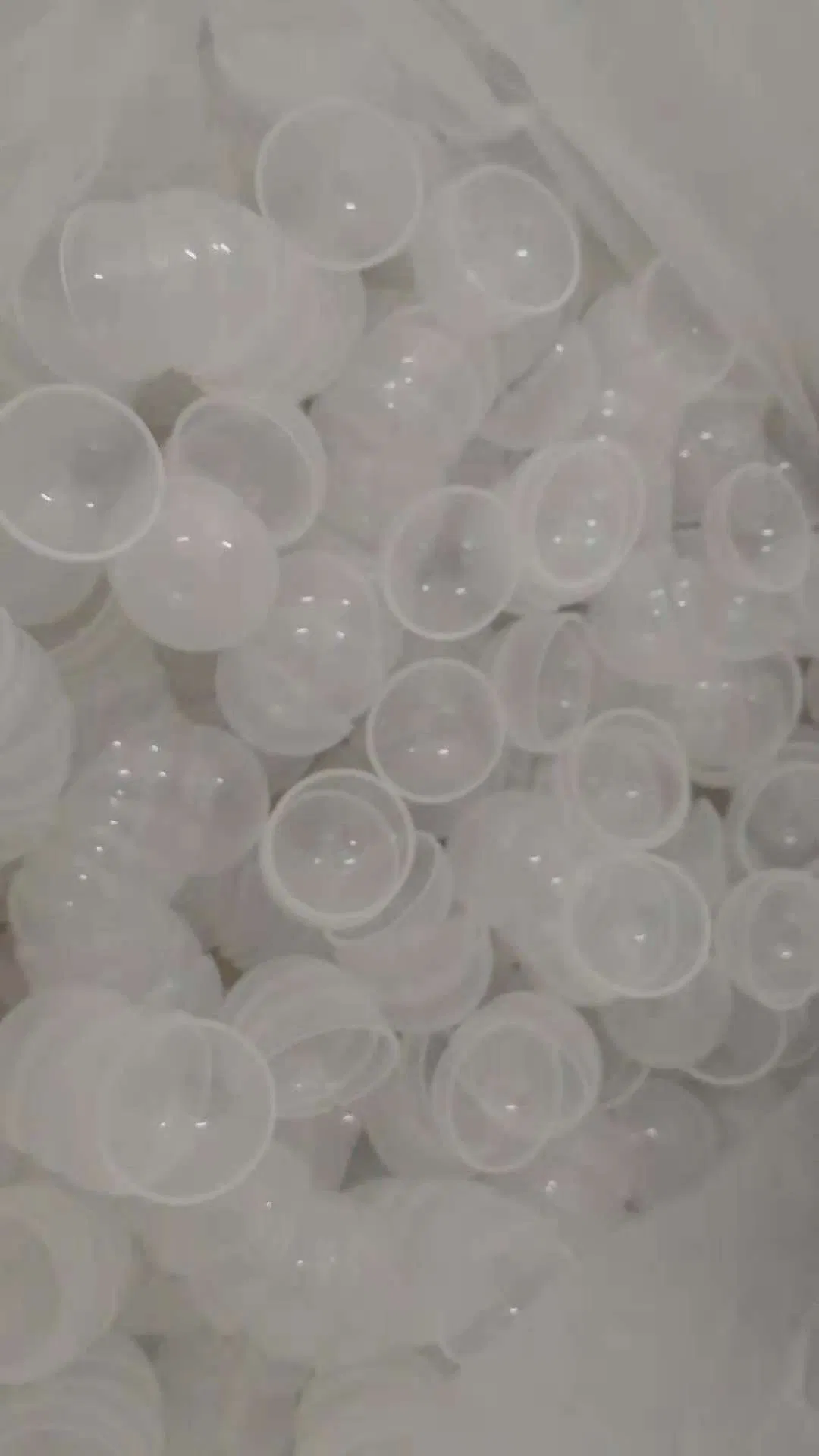
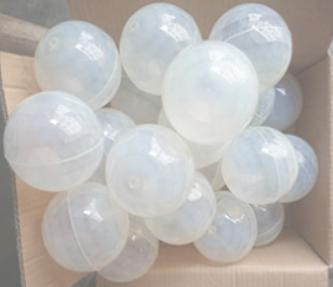
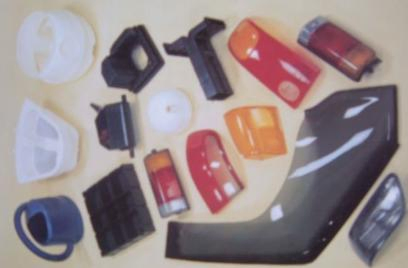
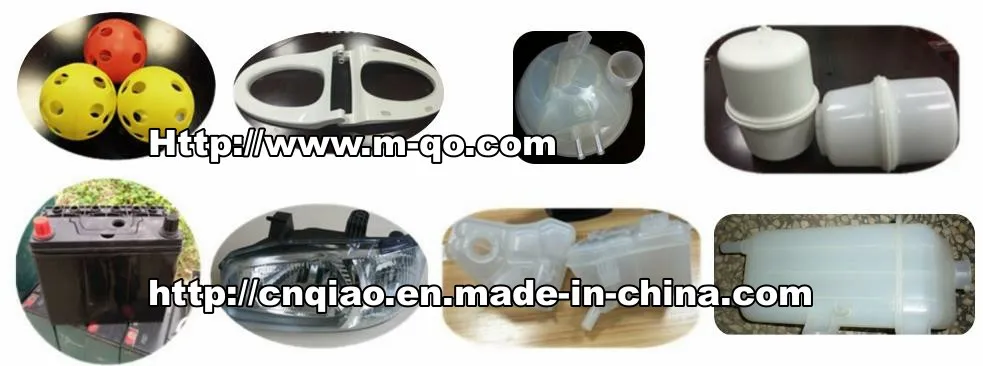
Applications include: Car lights, water tanks, washing machine components, batteries, steam irons, dashboards, dust buckets, and various irregular shaped plastic products.
Key Features
- ✓ Easy to learn and operate.
- ✓ Transmission system driven by servo motor for precise control.
- ✓ Suitable for various workpiece sizes without area limitations.
- ✓ Perfect for irregular workpieces without consumables.
- ✓ Adjustable welding procedures for different materials.
- ✓ PLC control system with intuitive man-machine interface.
- ✓ Digital display temperature controller for stability.
- ✓ Fast speed, labor-saving, and high production efficiency.
Frequently Asked Questions
What materials can this machine weld?
It is designed for most thermoplastic materials, including PE, PP, ABS, Nylon, Acrylic, and POM.
Can it handle irregular shapes?
Yes, the hot plate welding process is ideal for irregular shaped plastic products and large complex weld areas.
How precise is the control system?
The machine uses a PLC control system combined with a servo motor drive for highly precise movement and digital temperature stability.
Does the machine require any consumables?
No, the fusion process is achieved through heat and pressure, eliminating the need for adhesives or other consumables.
What is the maximum temperature for welding?
The digital temperature controller can adjust the heat from 0°C up to 500°C depending on the material requirements.
 Heping Mechanical