Engineered to deliver exceptional operational output, absolute welding performance, and high-frequency precision integration.
Analyzing global market dynamics, operational shifts, and how integrated technology changes modern workshop design.
Modern factories demand swift structural changes. Custom workstation frameworks allow seamless tool swappings, variable height controls, and modular components to reduce conversion downtimes by up to 40%.
Contemporary workstations are no longer just mechanical benches. They incorporate localized sensory arrays, smart PLC interfaces, and diagnostic components ensuring real-time operational feedback.
Minimizing worker strain is critical. Ergonomically calibrated structural profiles and smart height adjustments lower work-related injuries, thereby optimizing labor output and plant safety metrics.
Across the global manufacturing landscape, the shift towards flexible manufacturing systems (FMS) has forced industrial engineers to rethink basic plant infrastructure. Standard static work environments are being replaced by high-performance modular workstation systems. These platforms integrate structural framing with heavy-duty operational mechanisms—such as high-power ultrasonic welding arrays, inductive heating systems, and automated testing rigs. Because process requirements change frequently, workstations must allow rapid reconfiguration, allowing a single floor area to shift from automotive switch assembly to complex medical device heat-sealing in minimal steps.
By shifting to an OEM/ODM manufacturing framework, international companies can work directly with specialty design teams to integrate functional mechanisms—such as high-frequency generators, precision stamping dies, or pneumatic controls—directly into the workstation's structure. This eliminates alignment issues, structural vibration, and electrical compatibility problems that often occur when combining off-the-shelf structural elements with specialized process machinery.
Factory Area (Sqm)
Utility Patents
Non-Standard Customization
Engineering Support
Procuring raw manufacturing capacity is no longer the primary goal for operations directors and sourcing specialists. Today, the focus is on finding partners capable of providing complete engineering solutions that fit directly into existing factory setups.
Sourcing teams prioritize several key areas when evaluating industrial partners:
These requirements demand high-quality suppliers that can combine structural engineering with specialized technologies like ultrasonic bonding, precision hot-melt applications, and heavy-duty mechanical stamping.
How advanced domestic manufacturing ecosystems and localized technical integrations drive cost performance and engineering quality.
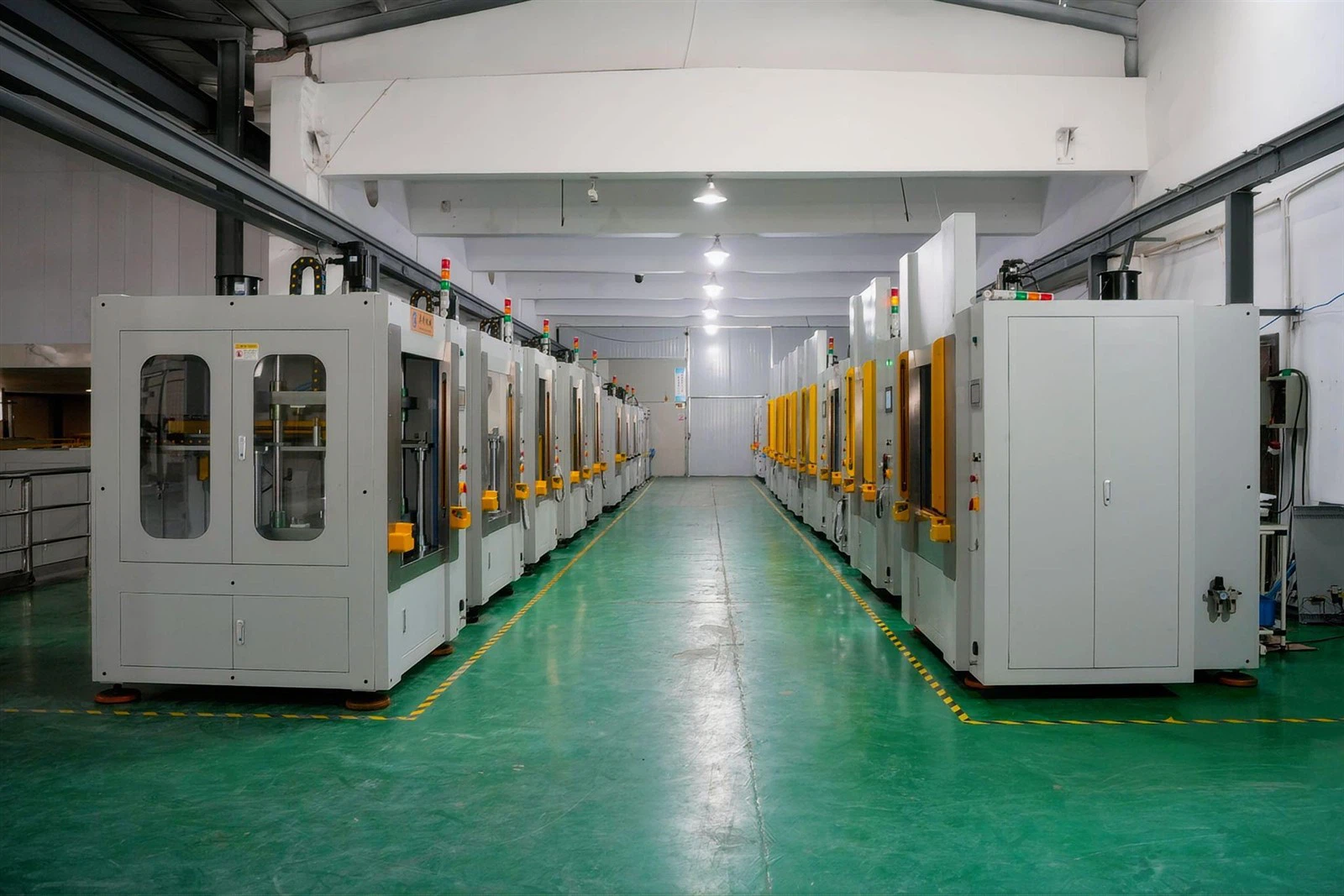
The concept of "Factory 4.0" is defined by automated production, digital tracking, and integrated supply chains. In China, these advances are supported by local clusters of material suppliers, surface treatment specialists, and electronics manufacturers. For companies like Zhejiang Heping Mechanical Equipment Co., Ltd., operating a modern 7,000 square meter factory means having immediate, direct access to these resources.
This ecosystem offers significant advantages for custom workstation manufacturing:
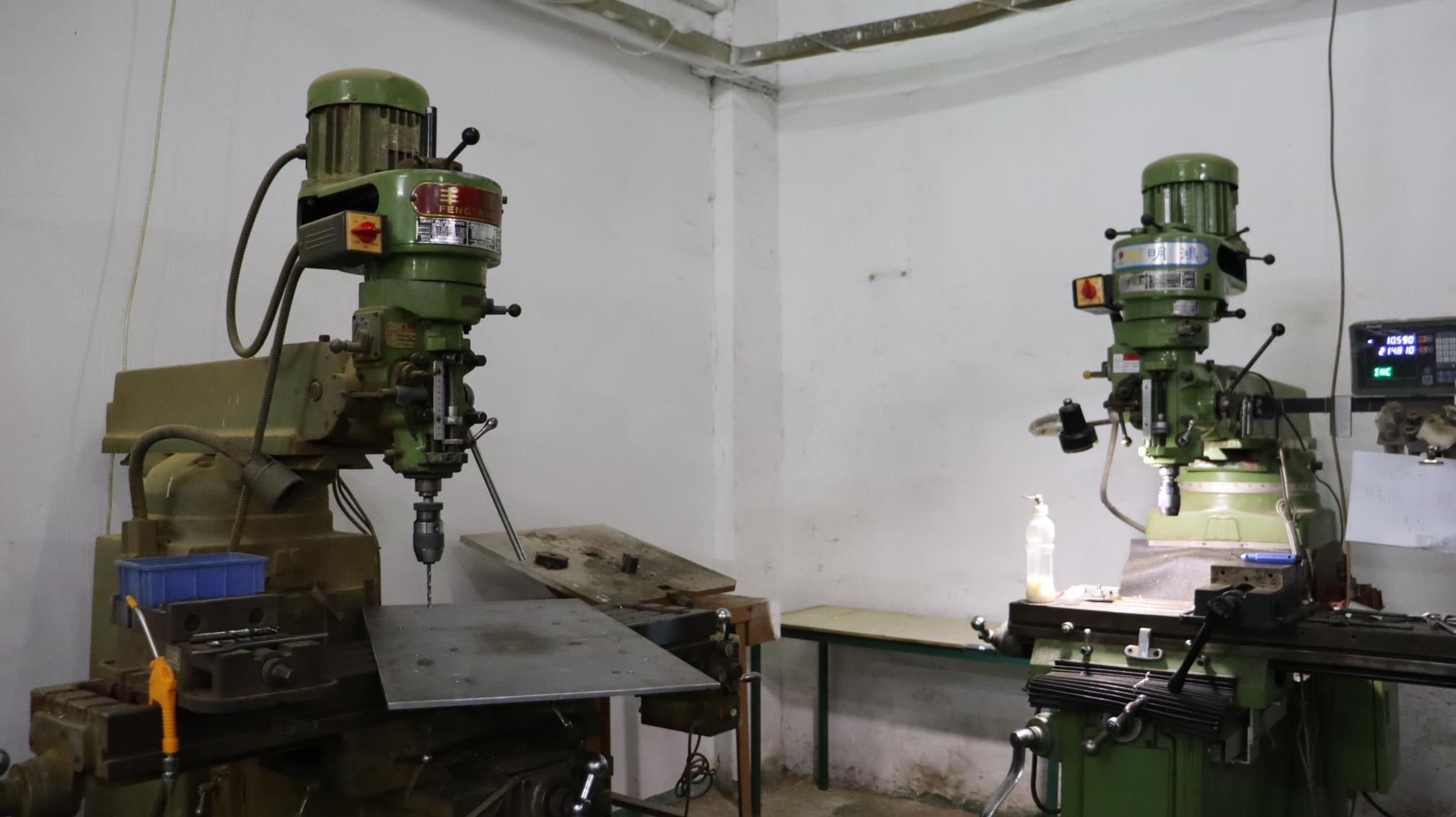
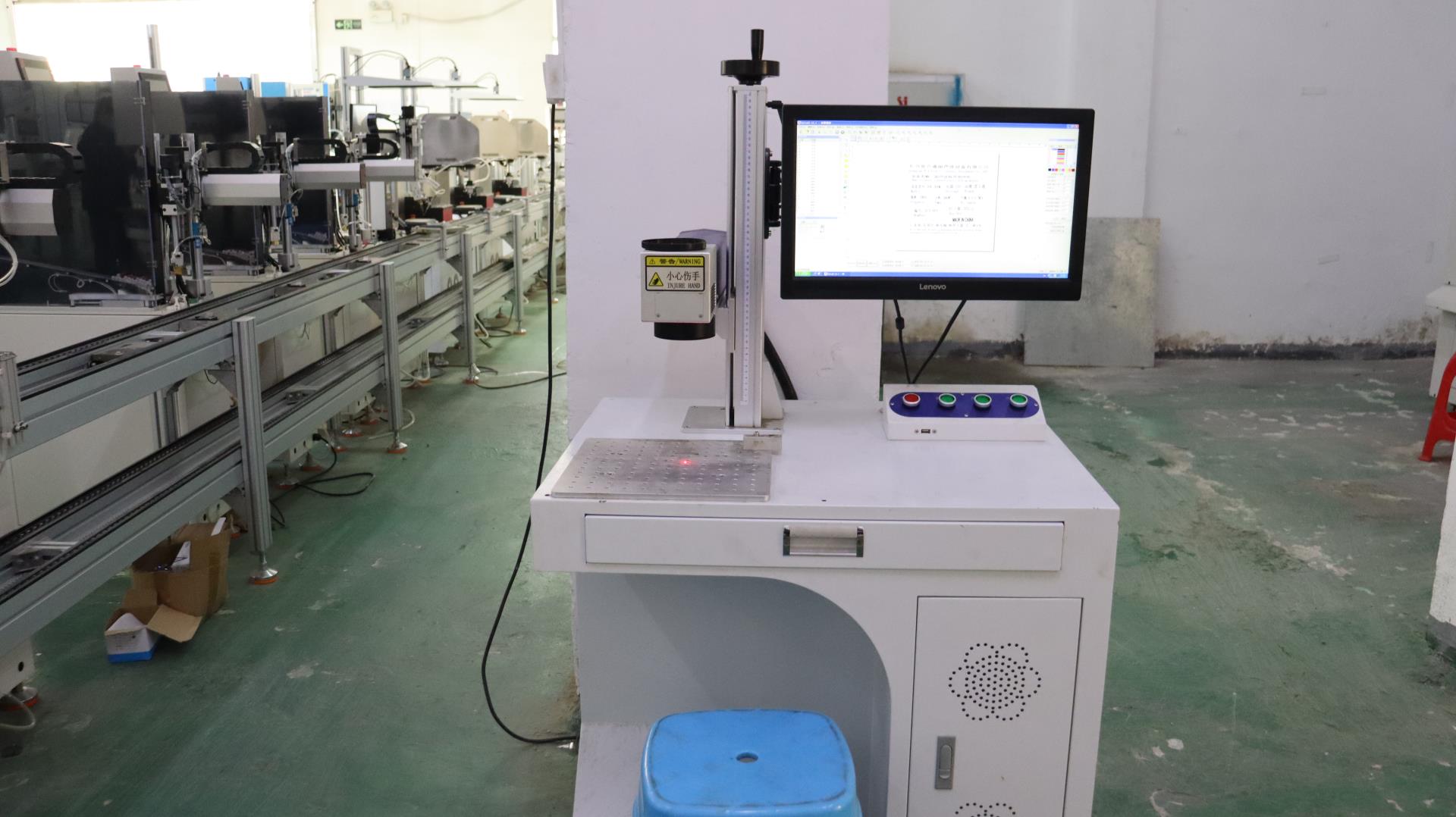
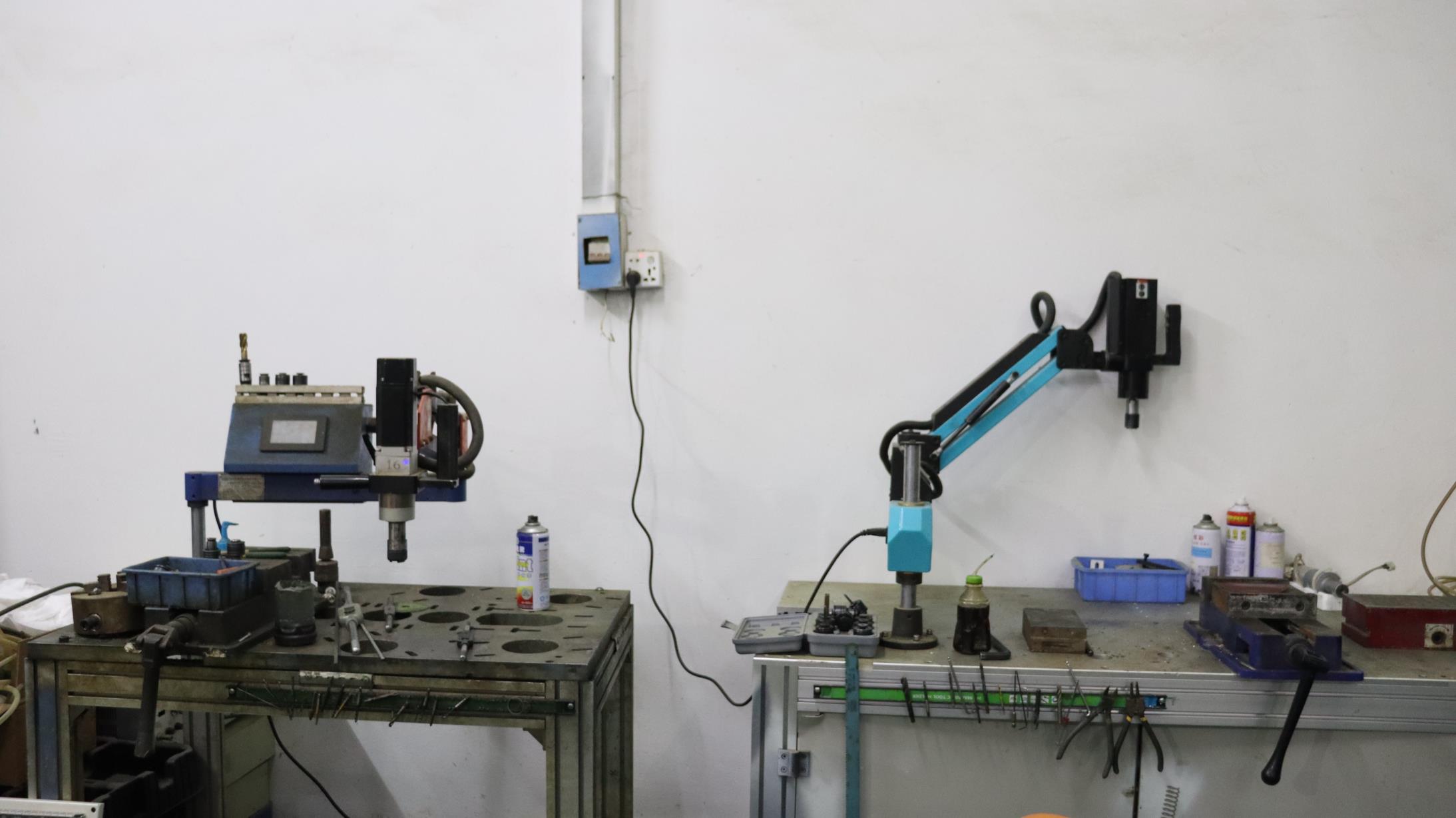
By source-locating CNC milling, high-precision laser cutting, and raw tool-steel fabrication, custom workstation designs can transition from CAD models to functional steel prototypes in a fraction of the time required by Western suppliers.
With in-house assembly, wiring, and software configuration, every custom workstation is fully debugged and validated before shipment. This reduces setup delays at the customer's facility.
Additionally, supply chain resilience relies on smart engineering. By developing in-house, patent-backed technologies, domestic manufacturers reduce their reliance on third-party components. This helps maintain stable pricing and reliable delivery schedules, even when global logistics are disrupted.
Integrating non-standard design, state-of-the-art tooling, and patent-verified industrial mechanics.
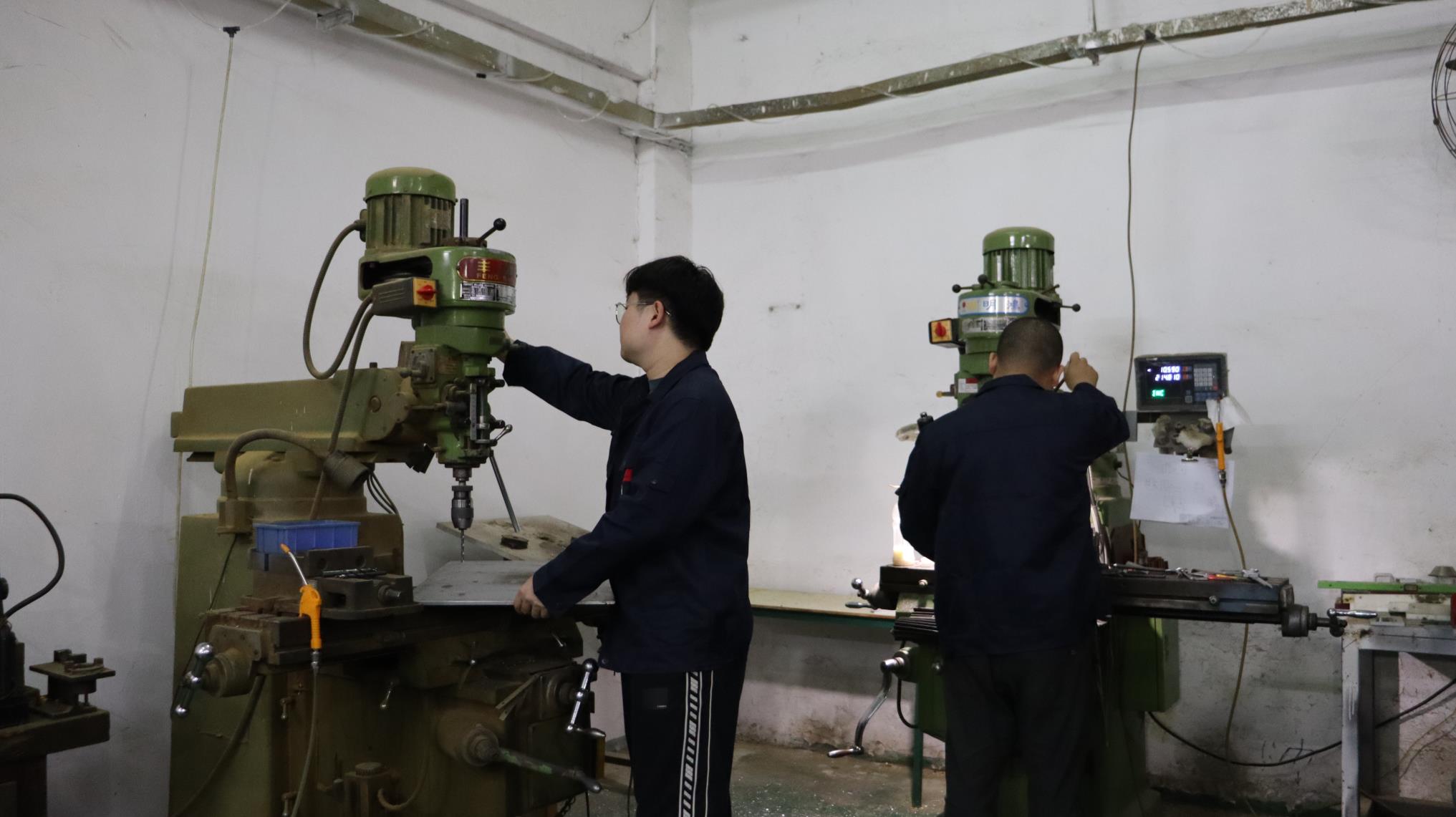
As a leading manufacturing enterprise, Zhejiang Heping Mechanical Equipment Co., Ltd. integrates plastic welding R&D, precision tool design, machining, and final systems debugging under one roof. Our team of experienced engineers designs and manufactures custom machinery tailored to specific production line requirements.
Our commitment to technical excellence is demonstrated by our intellectual property. The company has secured 6 utility model patent certificates, including patent numbers:
These patents represent verified innovations in acoustic welding design, high-frequency energy management, and mechanical structural configurations. They ensure our customers receive reliable, high-performance equipment built to competitive standards.
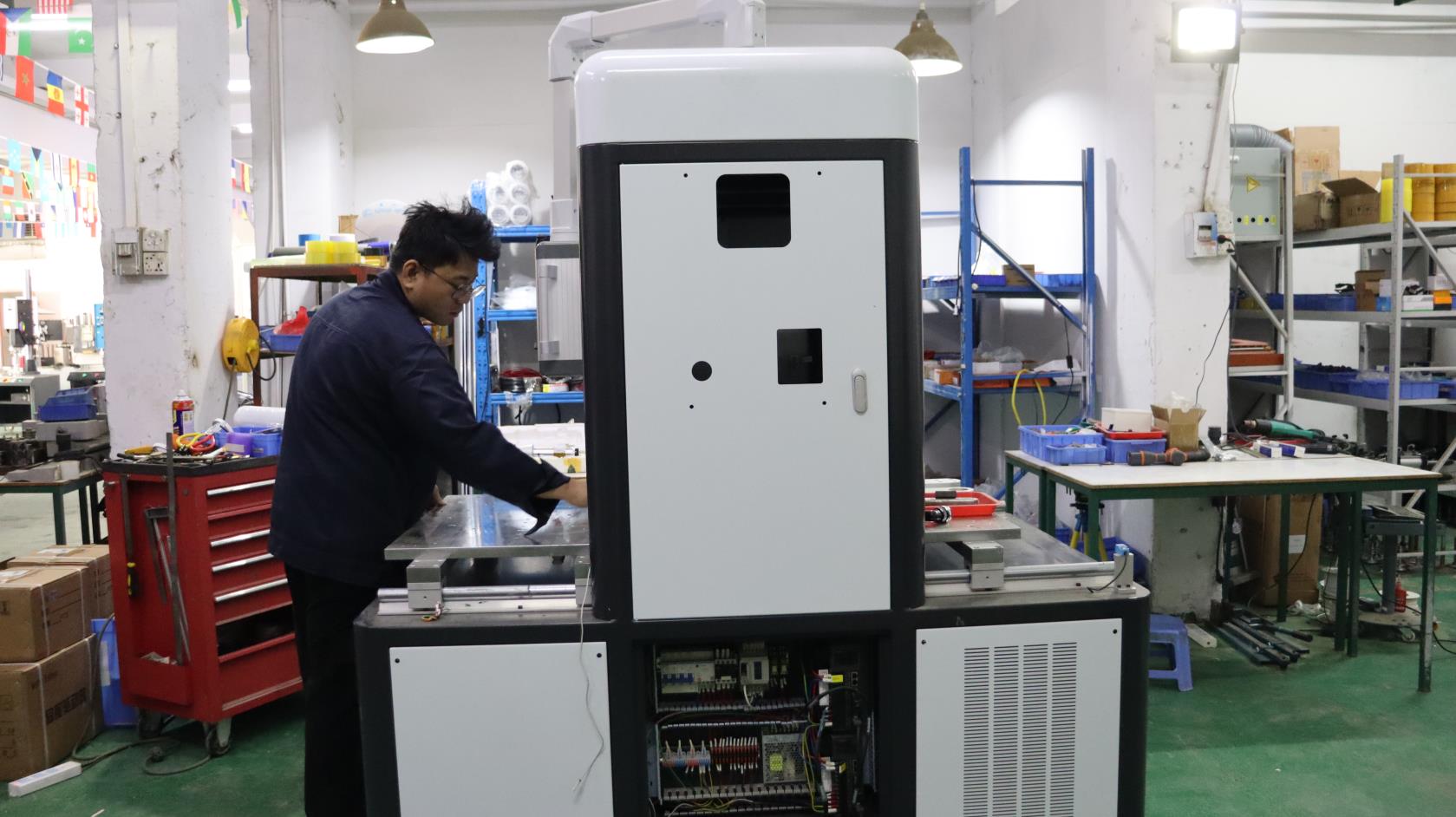
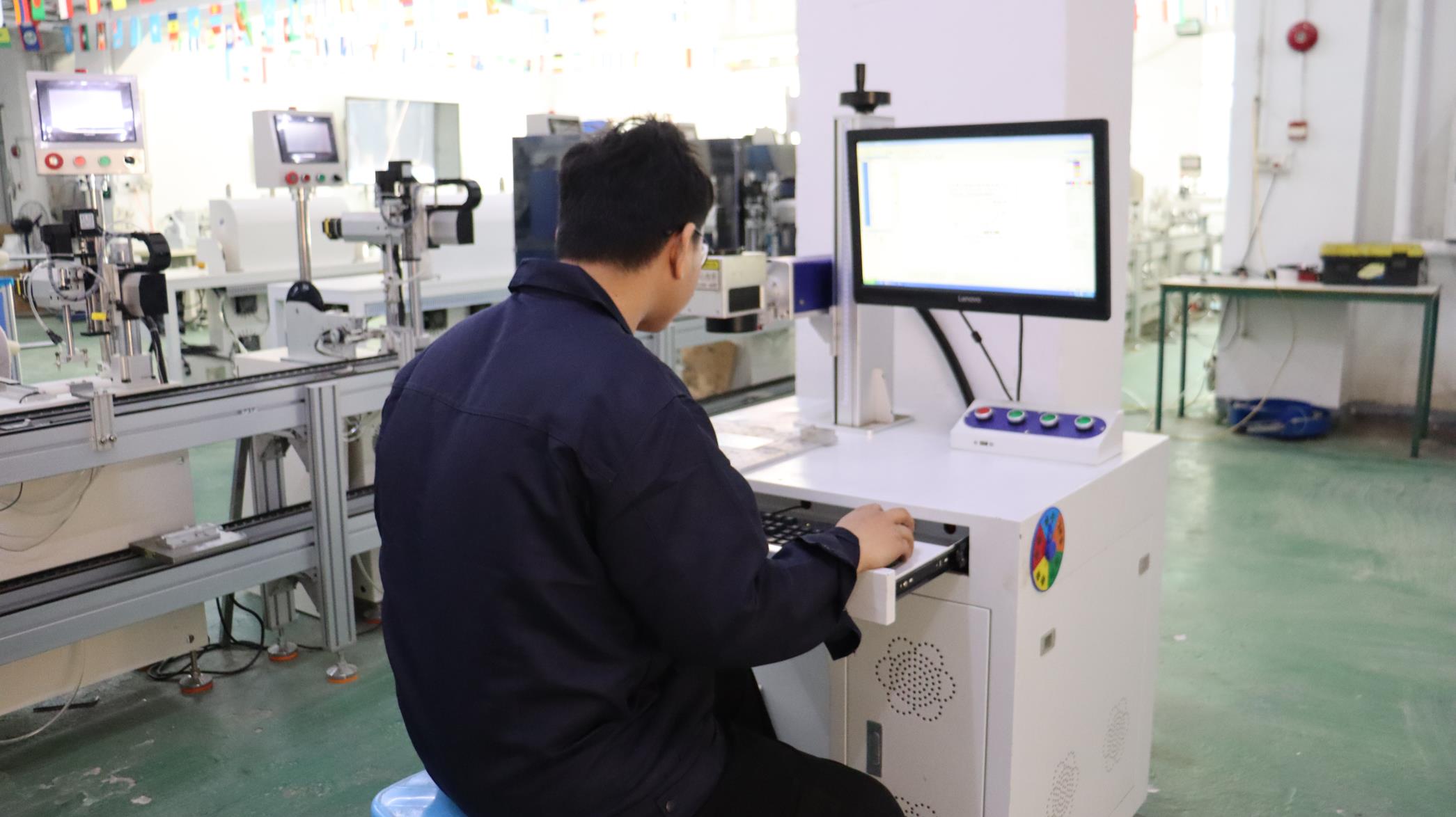
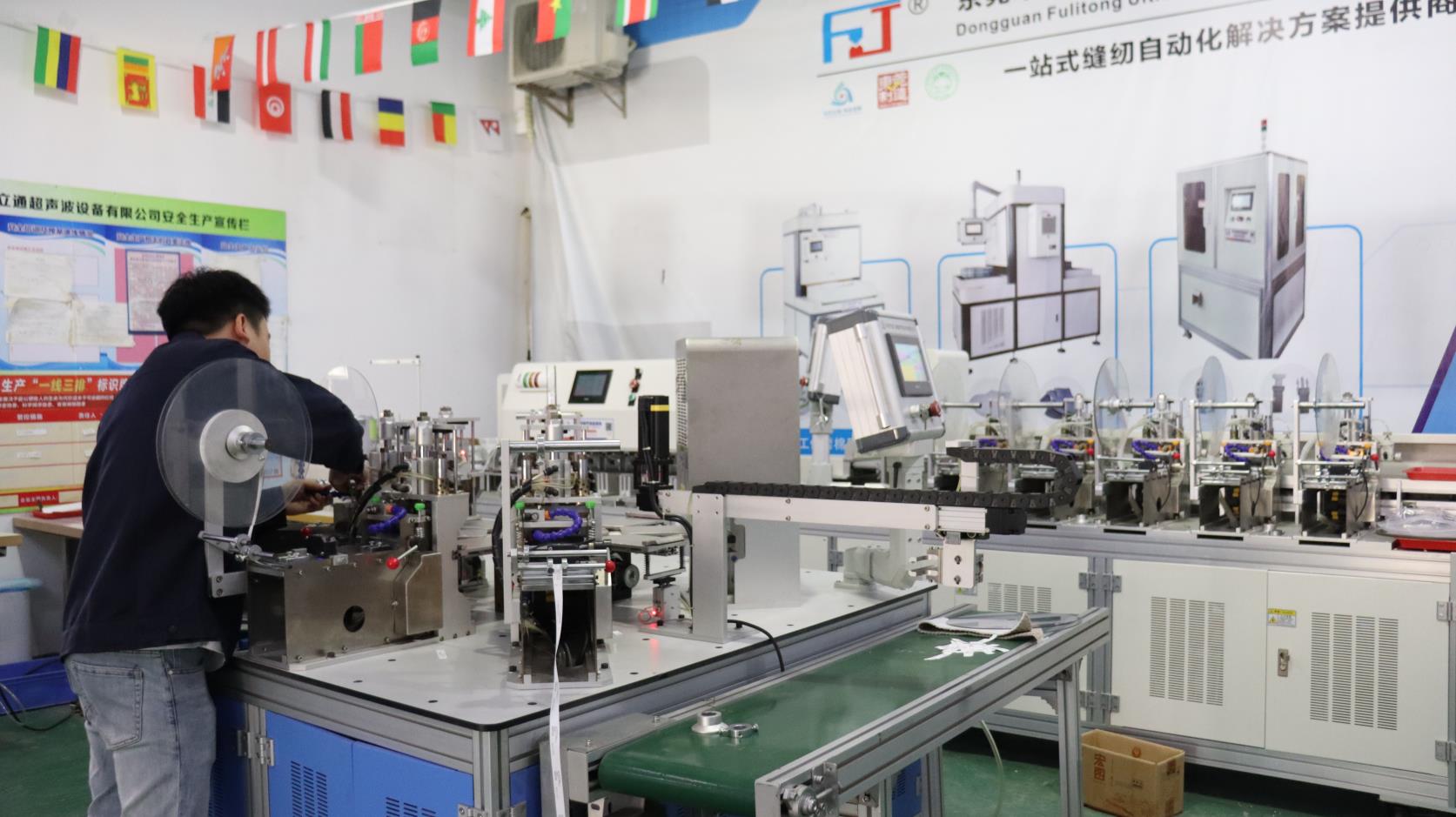
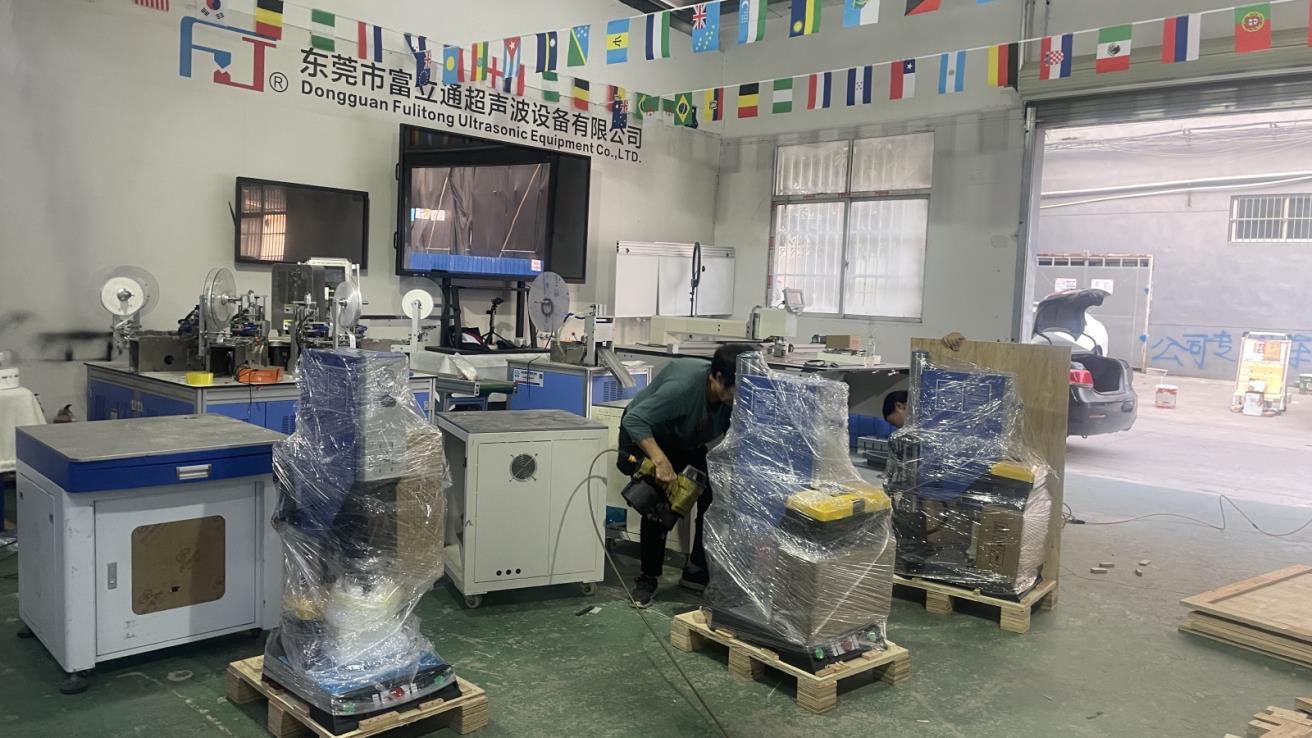
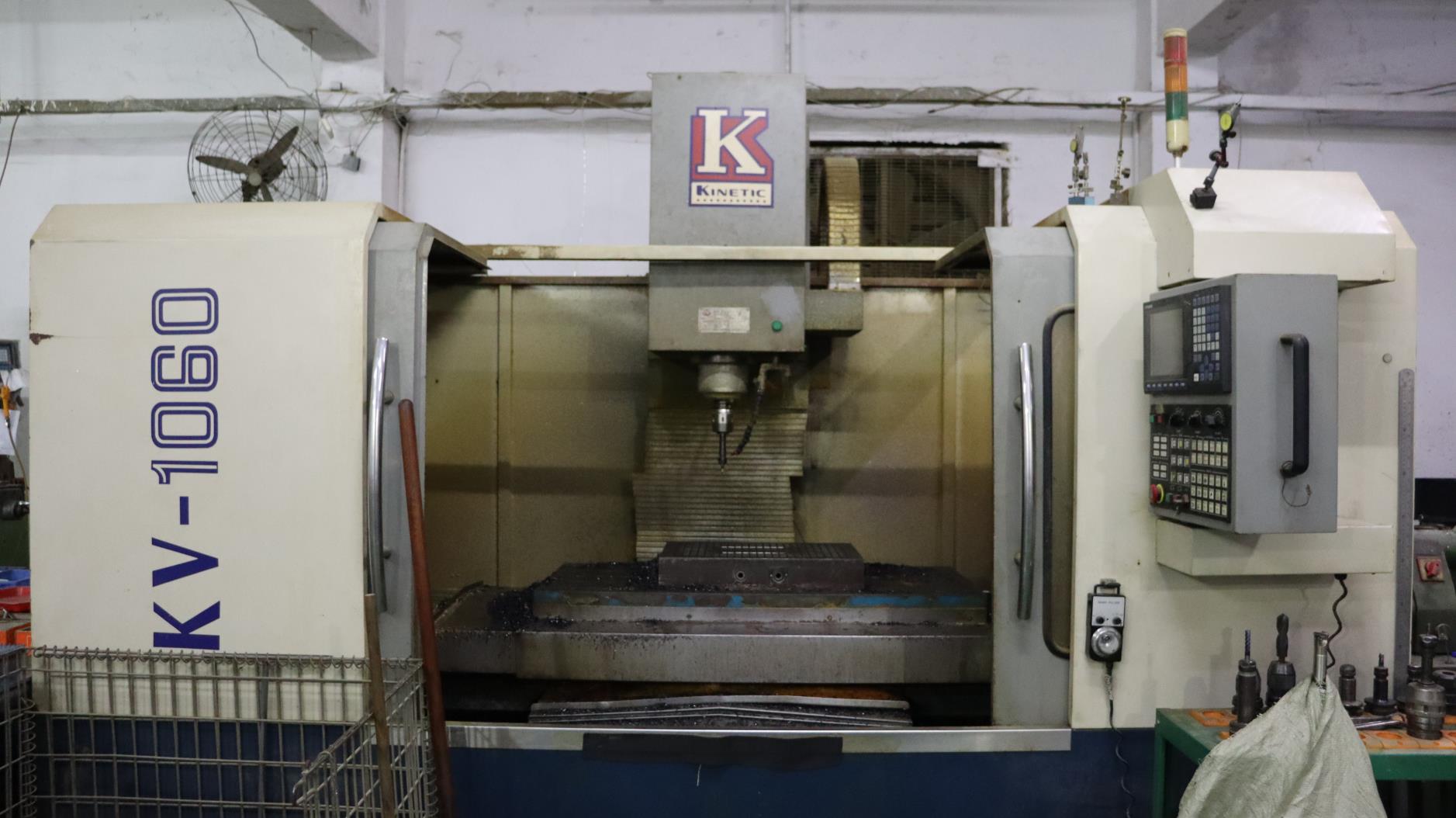
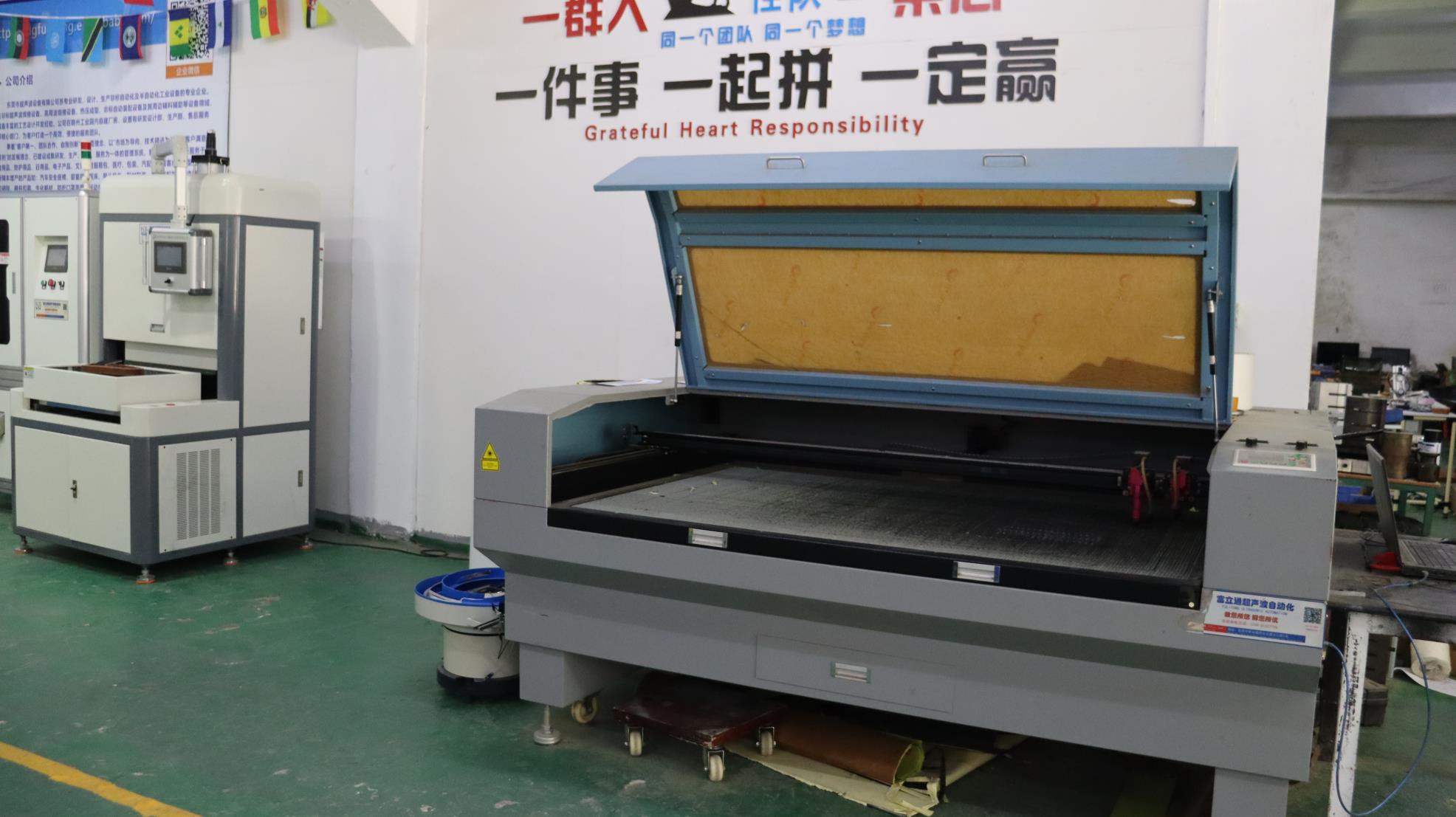
How customized workstations resolve specific automation challenges in real-world environments.
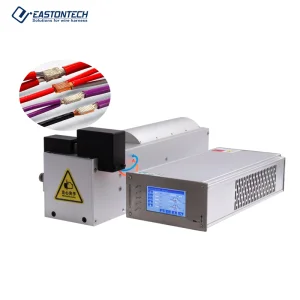
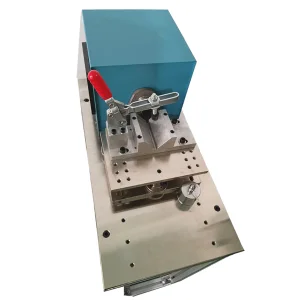
In modern automotive plants, workstations must assemble small mechanical switches, dashboard buttons, and wiring harnesses quickly and reliably. Custom workstations integrate high-speed pneumatic tooling, precise mechanical guides, and automated electrical testing. Incorporating specialized wire splicers and ultrasonic metal welders helps ensure solid connections, reducing defects and improving assembly line efficiency.
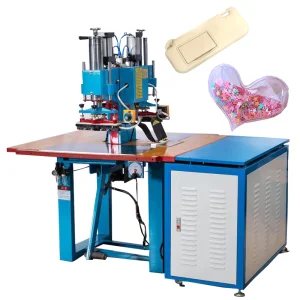
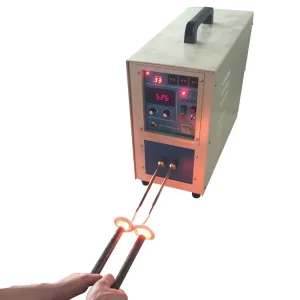
Medical manufacturing requires clean, contamination-free processing environments. Traditional thermal bonding can heat materials unevenly, affecting structural integrity. High-frequency induction welding workstations solve this by heating materials internally, creating strong, hermetic seals on PVC fluid bags. These workstations feature clean-room-compatible frames, precise pressure controls, and protective shielding to ensure consistent quality.
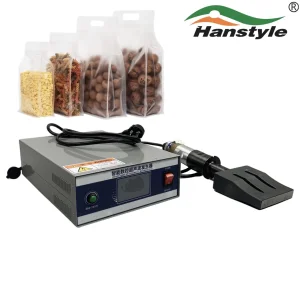
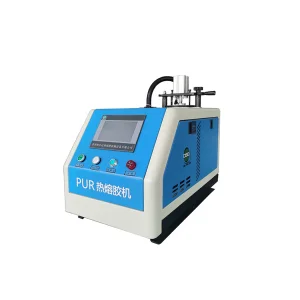
Woodworking and consumer packaging lines require robust adhesive application systems. Workstations equipped with energy-saving PUR hot-melt applicators apply adhesive evenly at high speeds. Combining these systems with automatic ultrasonic sealing devices enables packaging machinery to maintain high output with minimal maintenance.
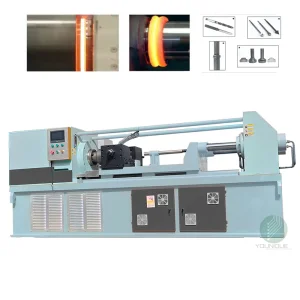
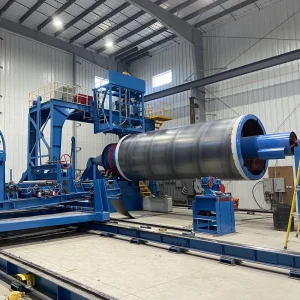
Heavy-duty applications like manufacturing concrete pipe molds or rotor shafts require high mechanical force. Specialized workstations featuring hydraulic rotary friction welding tools join high-tensile copper and steel parts. Integrated sensors monitor rotational speeds and clamping pressures, providing real-time data to verify weld quality.
Answers to common questions from plant managers and sourcing teams regarding our design, manufacturing, and support capabilities.
We work closely with your engineering team to understand your requirements. We then model structural frames, plan component layouts, and design tools to handle mechanical loads and electrical requirements, ensuring the workstation integrates smoothly into your production line.
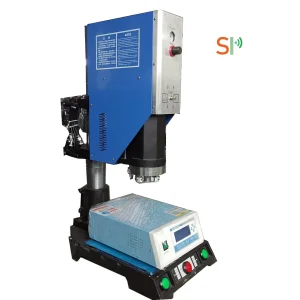
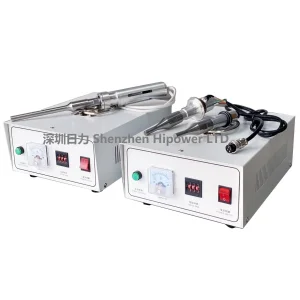
We configure systems based on your materials and speed requirements. We offer 15kHz and 20kHz continuous high-power ultrasonic welding devices, complete with custom horn designs and auto-tuning generators, to ensure reliable, high-speed bonding.
We hold 6 utility model patent certificates, covering innovations in mechanical design and welding technology. This verified intellectual property ensures our machines meet rigorous safety and efficiency standards.
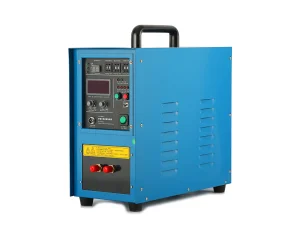
Yes. We customize induction heating stations with induction generators, custom coils, and precise temperature monitoring, designed for high-precision brazing or polymer welding processes.
Every workstation goes through mechanical assembly, sensor wiring, PLC programming, and debugging. We run the equipment under typical operational loads to verify performance before it is packed and shipped.
We provide remote technical assistance, including detailed schematics, video walk-throughs, and online programming support. We also offer replacement parts and tool re-machining services to minimize operational downtime.
High-capacity machinery designed for industrial processing, component testing, and specialized materials manufacturing.
 Heping Mechanical