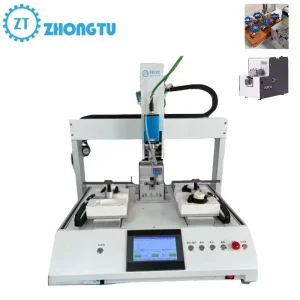
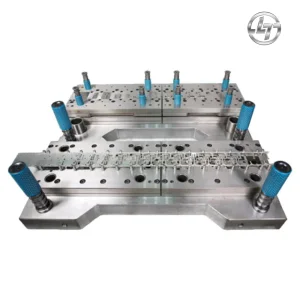
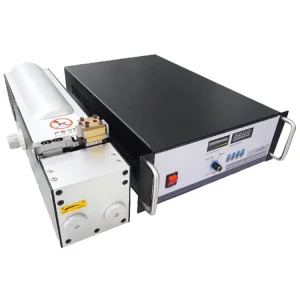
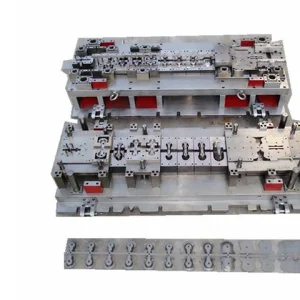
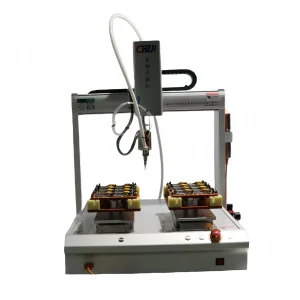
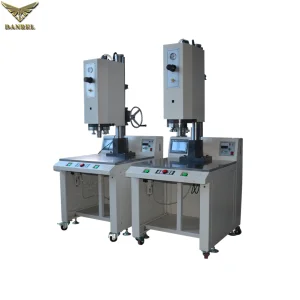
Explore our premium lineup of high-precision automated machinery, custom engineered to streamline assembly, welding, and surface polishing processes.
An in-depth analysis of pneumatic press machinery in modern manufacturing ecosystems, outlining technical considerations, efficiency drivers, and custom engineering integration.
Pneumatic press machines remain the bedrock of modern assembly lines, providing reliable force execution without the complexity or fluid containment concerns of hydraulic alternatives. By utilizing compressed air to create linear motion, these machines offer rapid cycling, high repeatability, and clean operation that is critical for electronics, medical devices, automotive components, and consumer goods packaging.
In the era of smart factory automation, China's pneumatic press manufacturers have transitioned from producing simple manual benchtop cylinders to high-efficiency, multi-axis, sensor-integrated systems. These machines utilize advanced proportional pressure regulators, linear encoders, and electronic control integration to deliver precision force control that rivals electric servo drives at a fraction of the capital investment.
Purchasing pneumatic presses wholesale from China requires navigating structural, electrical, and control options. Below are critical factors procurement teams must review.
Ensuring clean, dry, and regulated air supplies is imperative. High-performance models feature integrated FRL (Filter-Regulator-Lubricator) units to prevent premature seal wear and maintain a constant pressure profile during peak operation cycles.
Safety compliance (CE, OSHA standards) requires dual-hand start buttons with anti-tie-down circuits and safety curtains. High-quality machinery utilizes pneumatic exhaust valves that drop cylinder pressure immediately upon safety interruption.
C-frame or H-frame structural plates must be high-tensile steel, stress-relieved via heat treatment. This prevents throat deflection during maximum pressure exertion, ensuring concentricity and alignment of tooling dies.
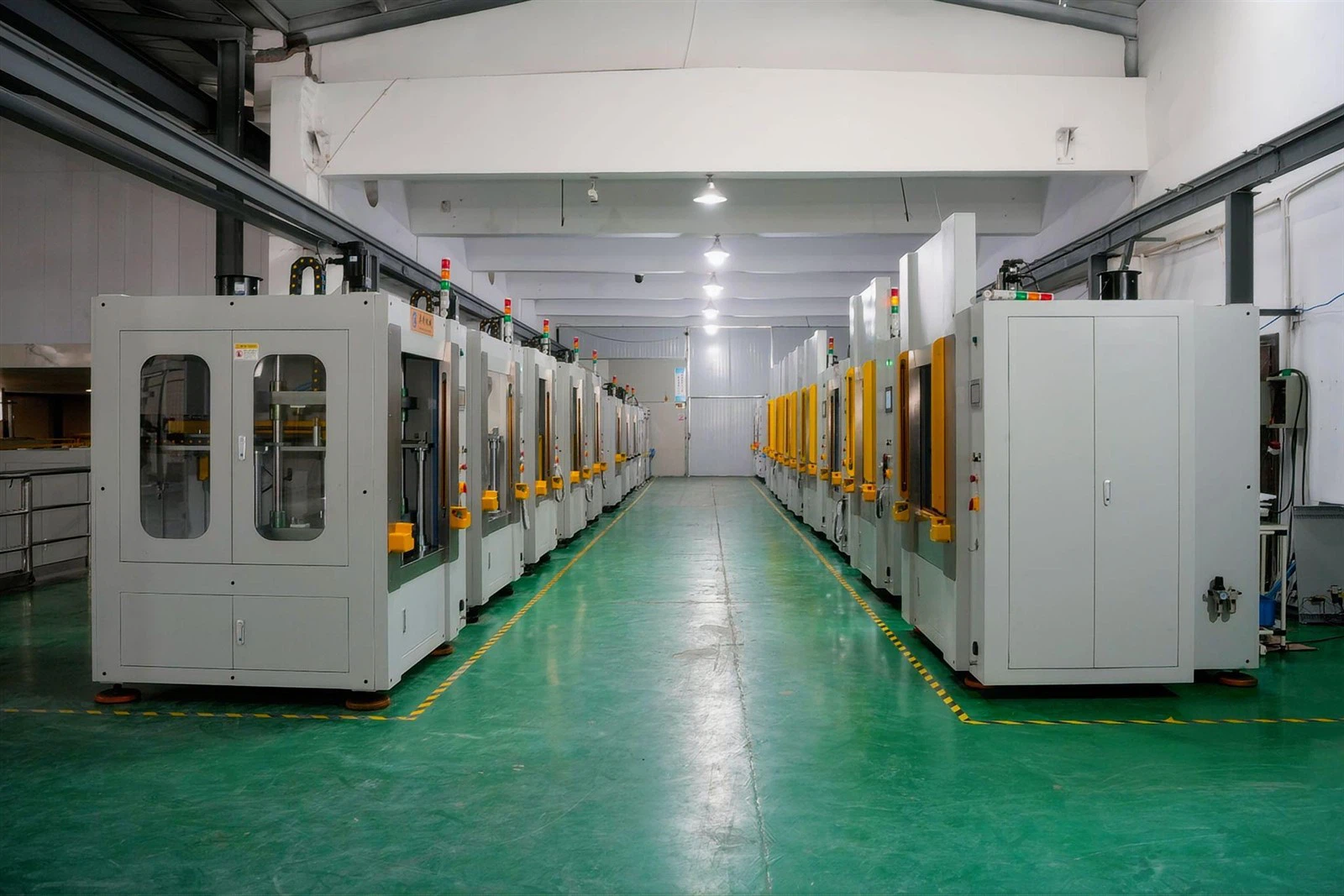
Zhejiang Heping Mechanical Equipment Co., Ltd. is an industry-leading manufacturing enterprise specializing in the R&D, design, production, and service of plastic welding systems and custom industrial machinery. Spanning a state-of-the-art 7,000 square meter factory facility, we build solutions that enable global enterprises to scale their manufacturing capabilities with maximum efficiency.
We possess strong capabilities in the design, R&D, and production of non-standard mechanical products. Recognizing that no two manufacturing operations are identical, we can customize various special-purpose mechanical systems, integrating advanced pneumatic clamping, automated press-fits, and high-frequency ultrasonic welding components directly tailored to customer needs.
Our commitment to excellence allows our customers to share in our core advantages: high quality, impeccable service support, and consistent welding/pressing performance, ensuring you operate without concerns in highly competitive industrial markets.
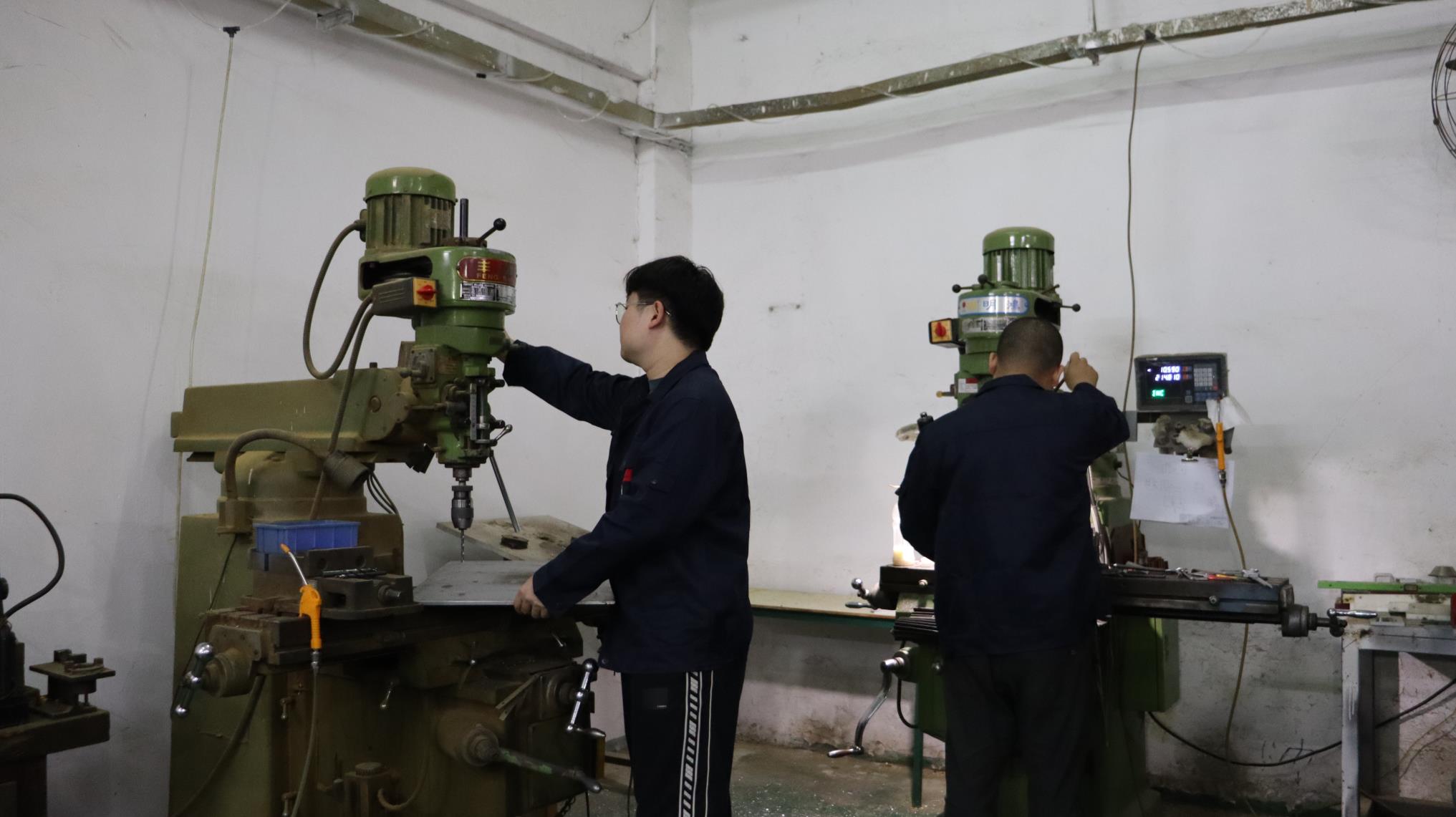
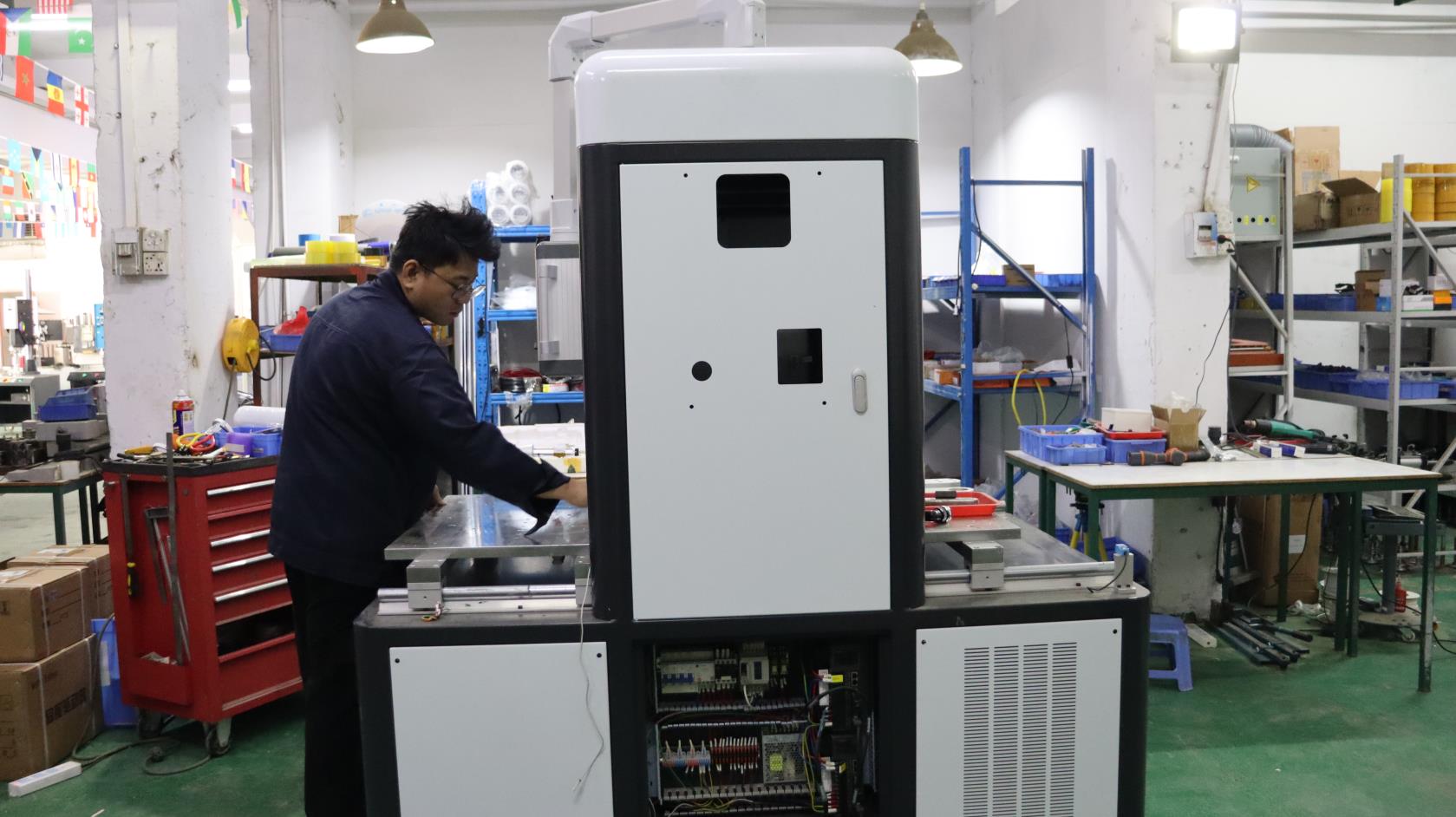
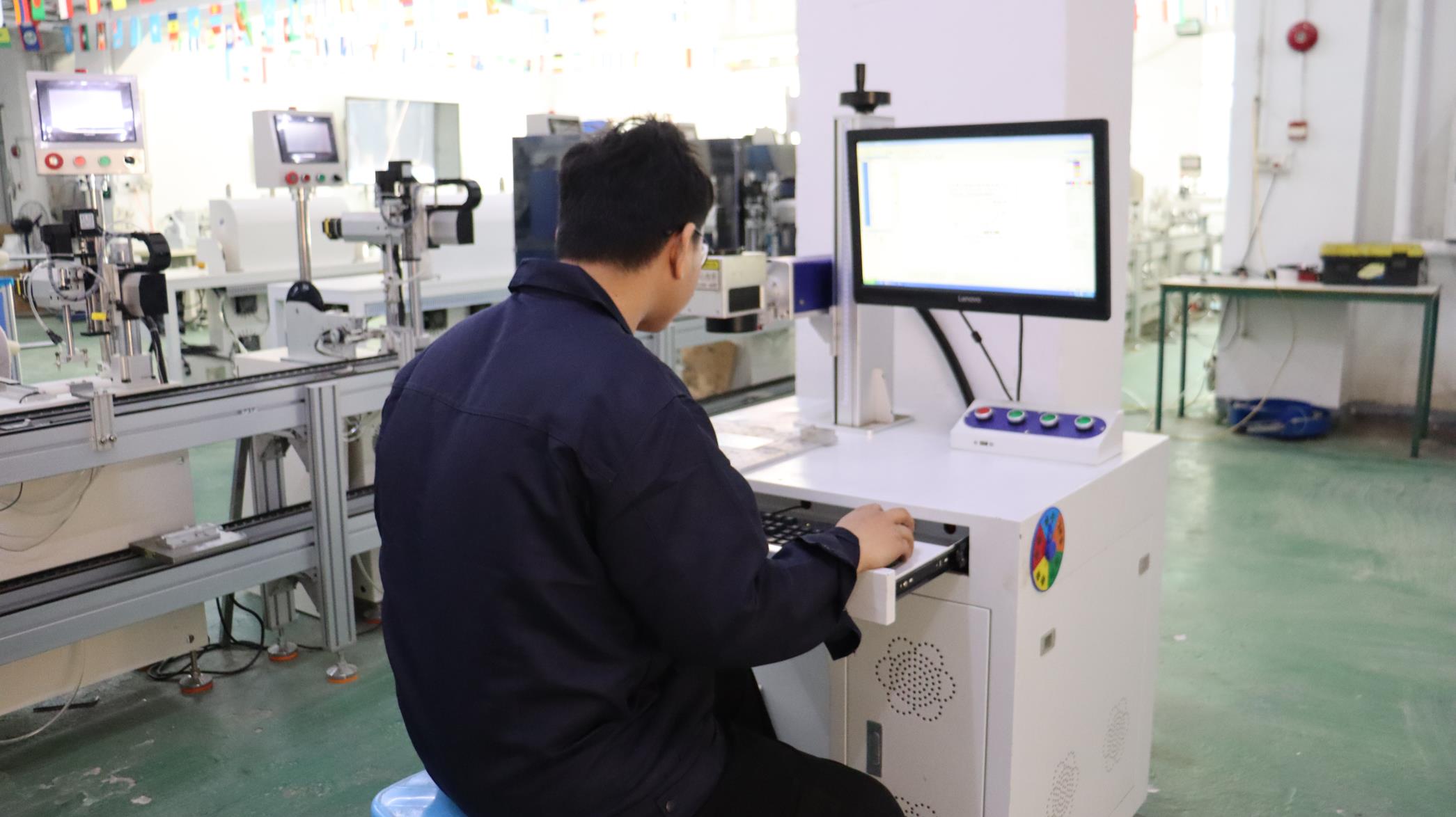
Our commitment to mechanical engineering excellence is backed by rigorous in-house R&D. Zhejiang Heping has secured 6 utility model patent certificates, protecting our proprietary mechanical structures and electronic control designs.
Utility patent focusing on stabilized pressure distribution profiles in mechanical cylinder assemblies, optimizing rapid actuation cycles.
Covers our advanced pneumatic clamp sealing technology and automated multi-cavity plastic injection mold tooling configurations.
Designed for high-frequency mechanical synchronization structures utilized in advanced friction and hot-plate plastic welding.
Establishes safety mechanics for pneumatic systems, guaranteeing fast exhaust response times upon sensor detection triggers.
A closer look at how standard pneumatic press designs adapt to specialized processing applications across key industrial sectors.
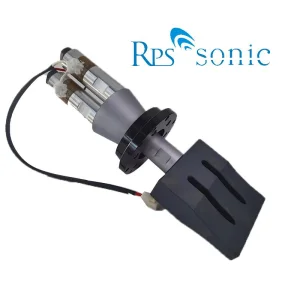
Welding auto harness wires (e.g., 30mm² wire assemblies) requires rapid clamping force with absolute displacement control. Heavy-duty pneumatic pistons coupled with customized double-end ultrasonic transducers allow micro-welding with minimum heat deformation.
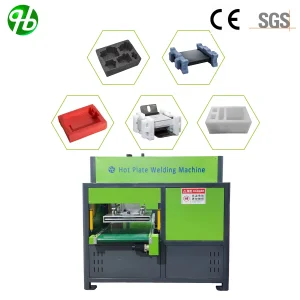
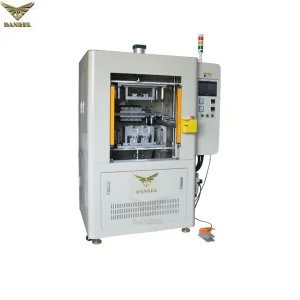
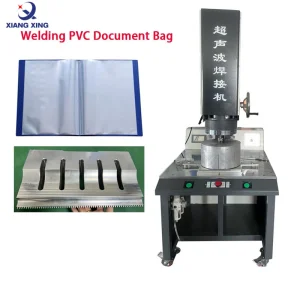
Hermetic sealing of thick thermoplastic plates (such as polystyrene comic book cases or PE foam inserts) requires specialized hot-plate or high-power 4200W sonic welding systems. Constant pneumatic pressure prevents flashing and optimizes weld flash thickness.
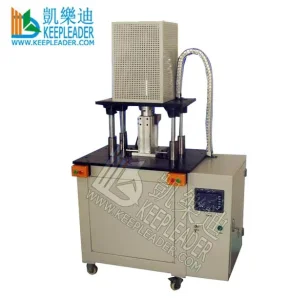
For circular parts like PP water tanks or spheres, spin friction welding is optimal. The pneumatic actuator controls the precise downward speed and Z-axis force profile while the rotary spin motor fuses the joint via mechanical friction.
How we are preparing the next generation of pneumatic pressing equipment for industrial digitalization.
Integrating differential pressure sensors across the pneumatic cylinder piston allows software-based monitoring of seal degradation. System alerts trigger before mechanical failure occurs, ensuring zero production downtime.
Replacing manual regulators with dynamic electronic proportional valves. The controller automatically recalibrates pressure parameters mid-cycle depending on material thickness, ensuring highly sensitive part assembly.
Developing exhaust air recirculation loops to capture and reuse kinetic energy from cylinder return strokes. This reduces global air consumption of factory automation units by up to 25%.
Get professional answers to key technical questions about pneumatic press machines, custom fabrications, and global procurement logistics.
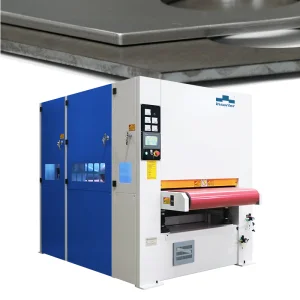
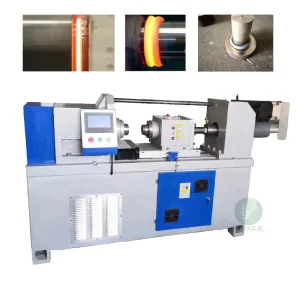
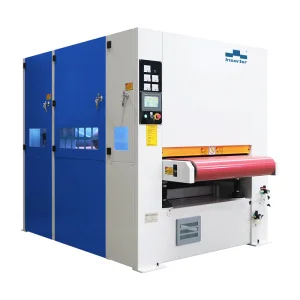
Explore our complete spectrum of industrial assembly, hot-welding, and automated surface polishing technology designed for maximum plant throughput.
 Heping Mechanical