High-performance manufacturing equipment, customized tooling systems, and testing setups built to optimize cycle times and secure operational excellence.
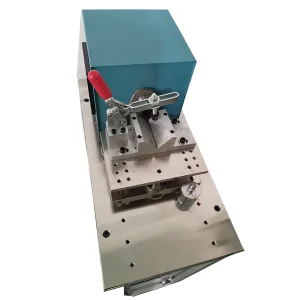
The global manufacturing landscape is undergoing a structural transition toward autonomous systems. The demand for robotic welding systems is no longer driven solely by the pursuit of high throughput; it is defined by the critical need for repeatability, micro-metric precision, and adaptive processing. Industries ranging from heavy automotive assembly to sensitive medical device encapsulation rely on automated welding to secure structural integrity and mitigate human variability.
Traditional manually operated welding setups face substantial challenges, including severe skilled labor shortages, rising operational hazards, and inconsistent seam quality. By integrating robotic kinematic arms with smart sensor feedback systems, modern plants achieve 24/7 continuous cycles with minimal maintenance overhead. As a pioneer in non-standard industrial design, Zhejiang Heping Mechanical Equipment Co., Ltd. addresses these requirements by engineering customizable, patent-backed solutions that bridge the gap between mechanical durability and software control.
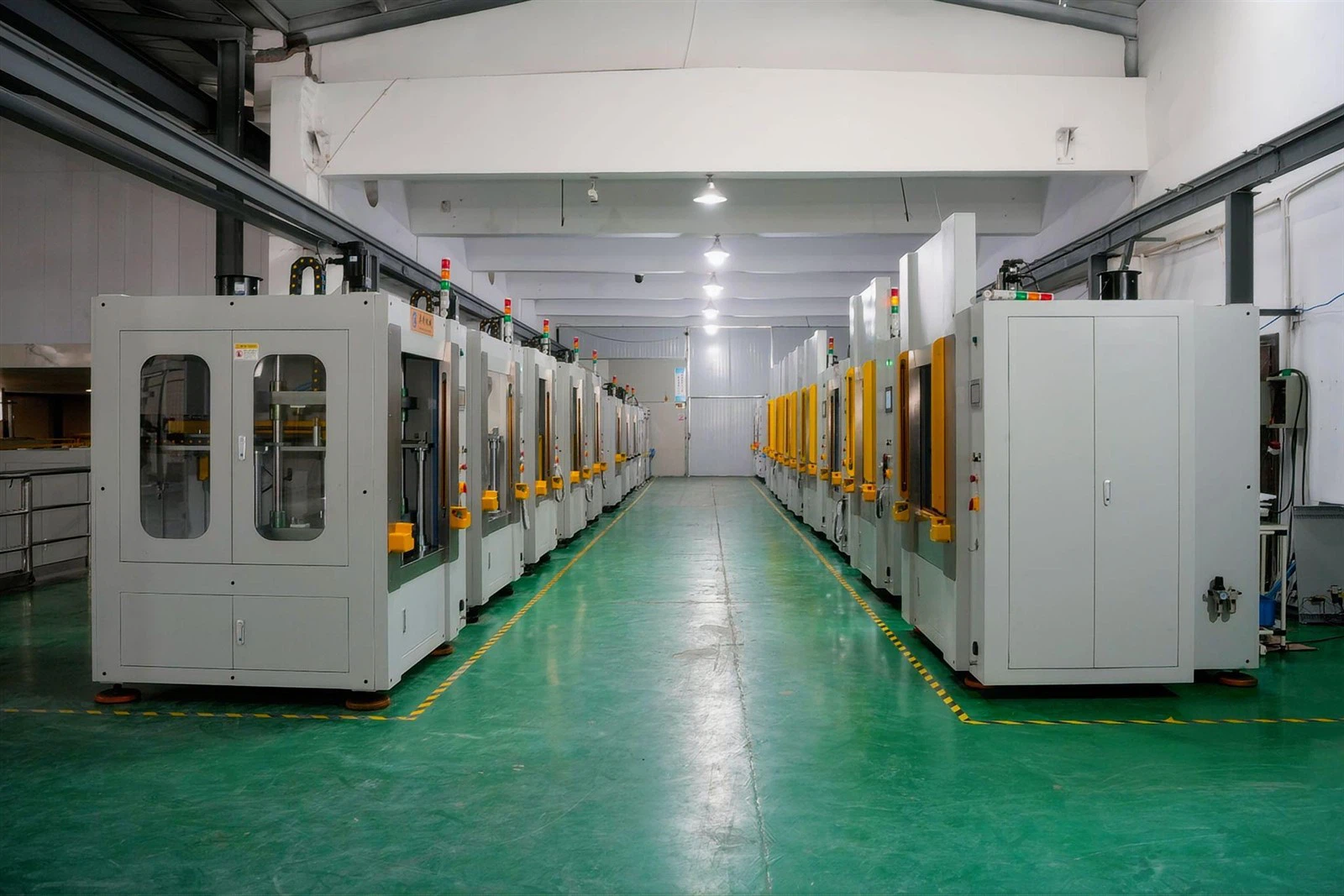
The technological trajectory of robotic welding systems centers on sensor fusion, machine intelligence, and energy conservation.
Real-time optical sensors track and adjust the torch path dynamically. This neutralizes mechanical tolerances in raw materials and prevents joint deviation during thermal expansion.
Innovations in rotary friction and ultrasonic welding enable bonding of dissimilar materials, such as joining copper with aluminum, without altering metallurgic compositions.
Offline programming software coupled with machine learning reduces deployment downtime. Virtual models simulate welding trajectories to eliminate physical collisions prior to fabrication.
Procurement managers must balance upfront capital investment with long-term reliability and compatibility with factory standards.
Welding equipment must align with local industrial standards (CE, UL, OSHA). Reliable manufacturers supply systems with integrated fume extraction, light curtain sensors, and fail-safe safety relays.
Modern production lines require plug-and-play communication protocols (EtherNet/IP, PROFINET, DeviceNet). Modular end-effectors allow fast conversions between welding, tapping, and finishing tools.
Reliable machinery requires a high duty cycle, thermal cooling management, and preventative diagnostic dashboards. Real-time logging of heat parameters ensures quality control documentation.
Minimize downtime through structured SLA plans, standard component availability, and remote diagnostics. Prompt dispatch of spare tooling is critical to keeping assembly lines operational.
China's manufacturing clusters have evolved beyond traditional high-volume production. They now offer vertically integrated ecosystems that combine rapid prototype testing with optimized component sourcing. Industry 4.0 practices in China combine precision machining, raw material refinement, and mechanical engineering under unified quality frameworks.
For global buyers, this translates to unmatched design flexibility and shorter delivery windows. Chinese industrial suppliers leverage direct access to specialized logistics networks, advanced raw alloys, and CNC machinery clusters to iterate non-standard designs quickly. This integrated approach minimizes supply bottlenecks, allowing factories to build custom machines and complete factory tooling packages at competitive costs without compromising engineering standards.
A premier manufacturer integrating plastic welding, non-standard mechanical R&D, and complete manufacturing workflows.
Established as an industry leader and occupying a modern factory building area of 7,000 square meters, Zhejiang Heping Mechanical Equipment Co., Ltd. is a specialized manufacturing enterprise. We integrate plastic welding, R&D design, production, manufacturing, sales, and comprehensive after-sales services into a unified workflow.
Our competitive advantage lies in our design capabilities and technical personnel. We specialize in engineering non-standard mechanical products, customizing special-purpose industrial machinery to meet specific application requirements. Our processes allow customers to access high-quality equipment, dependable service, and reliable welding performance, keeping your production lines competitive.
Our commitment to intellectual property and engineering standards is verified by 6 utility model patent certificates, including patent registrations: ZL202420005404.9, ZL202420005354.4, ZL202420005309.9, and ZL201921574530.
We design and construct non-standard mechanical systems from the ground up, ensuring seamless integration with existing factory floor layouts.
All components undergo dimensional inspection and performance testing before shipping, verifying structural integrity and process capability.
Our engineering and service teams provide commissioning, calibration, and support to keep your automated equipment running smoothly.
We maintain full control over quality by handling machining, assembly, program debugging, and packaging in-house.
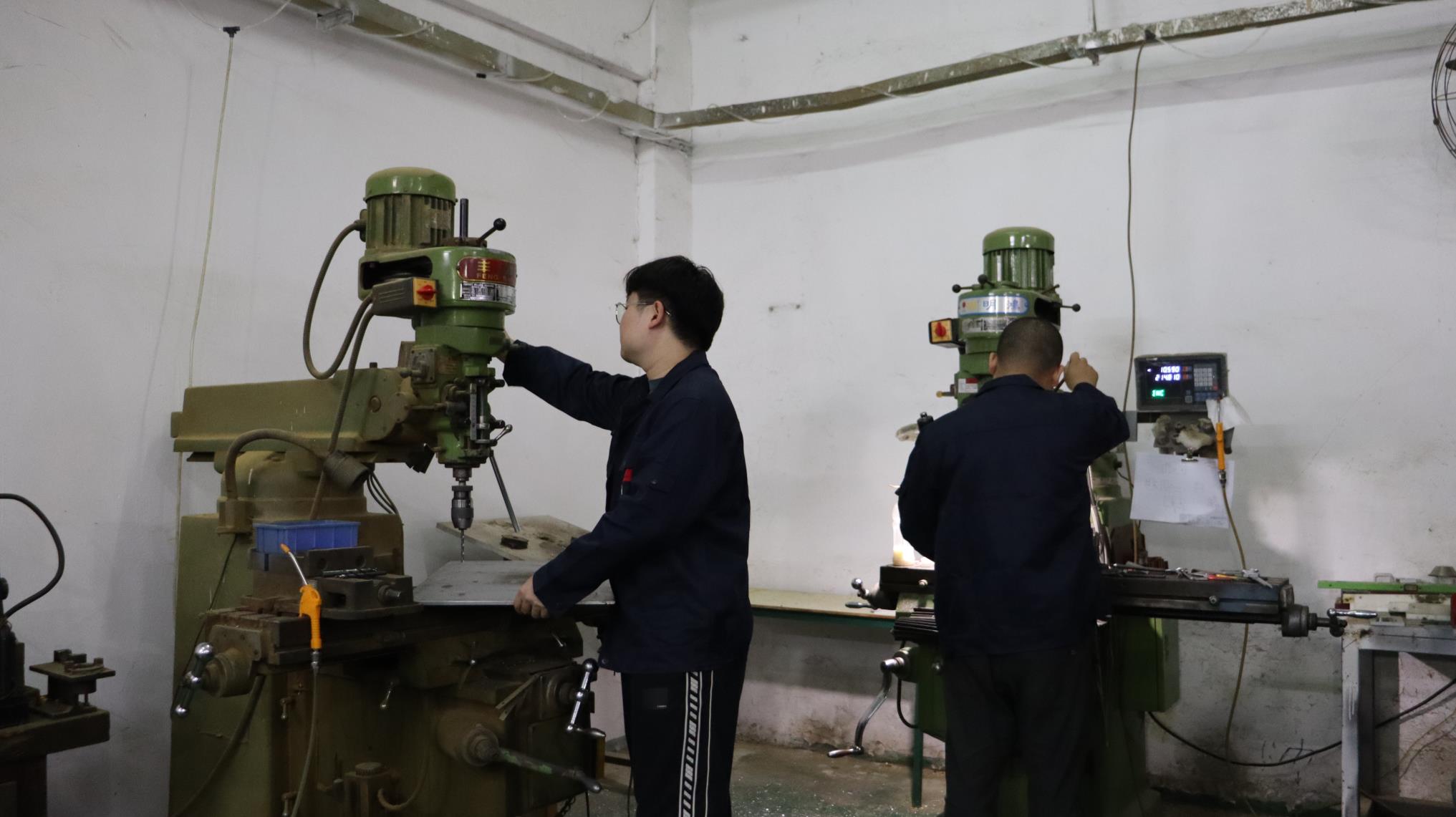
Machine Work
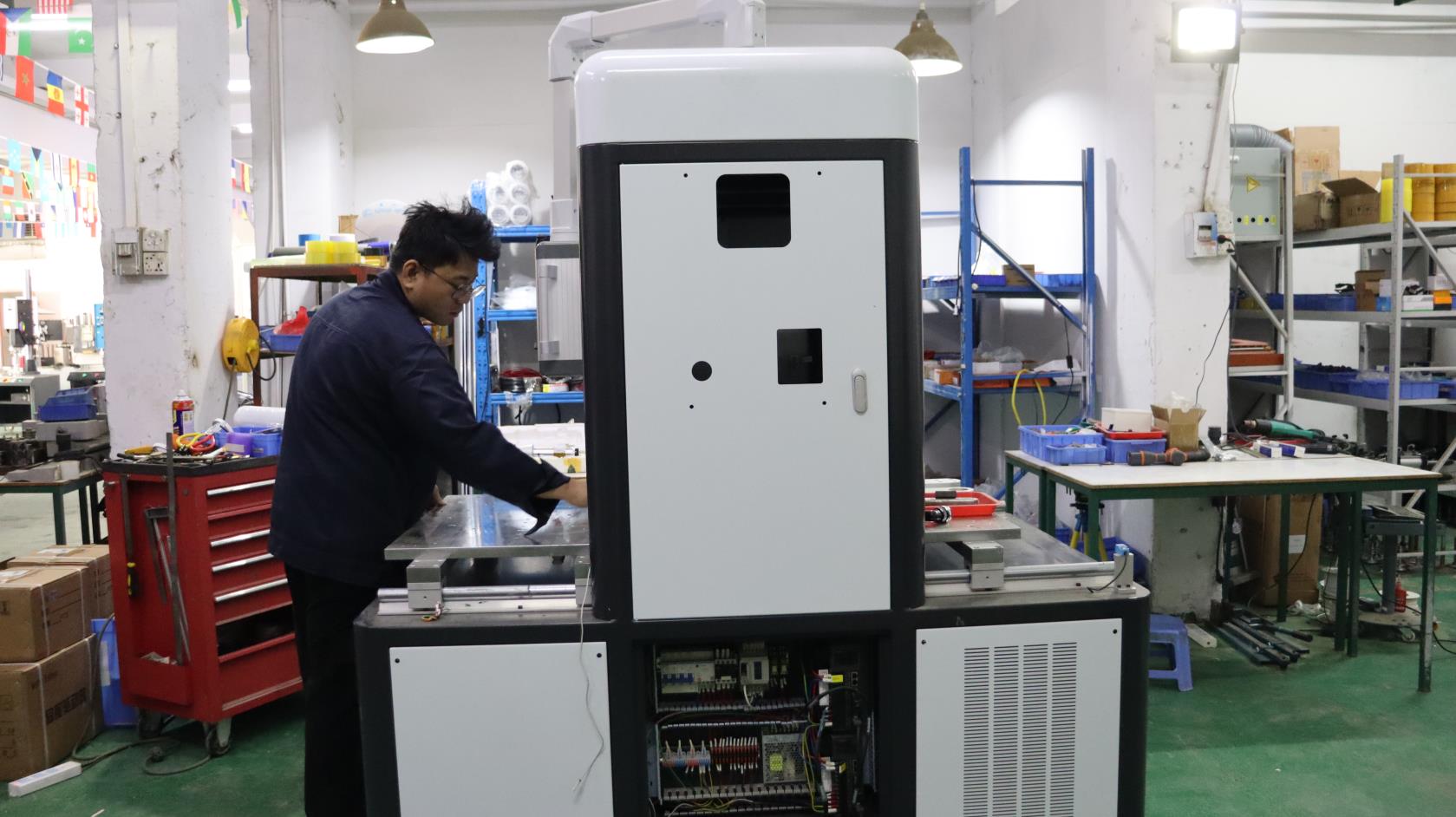
Assembly
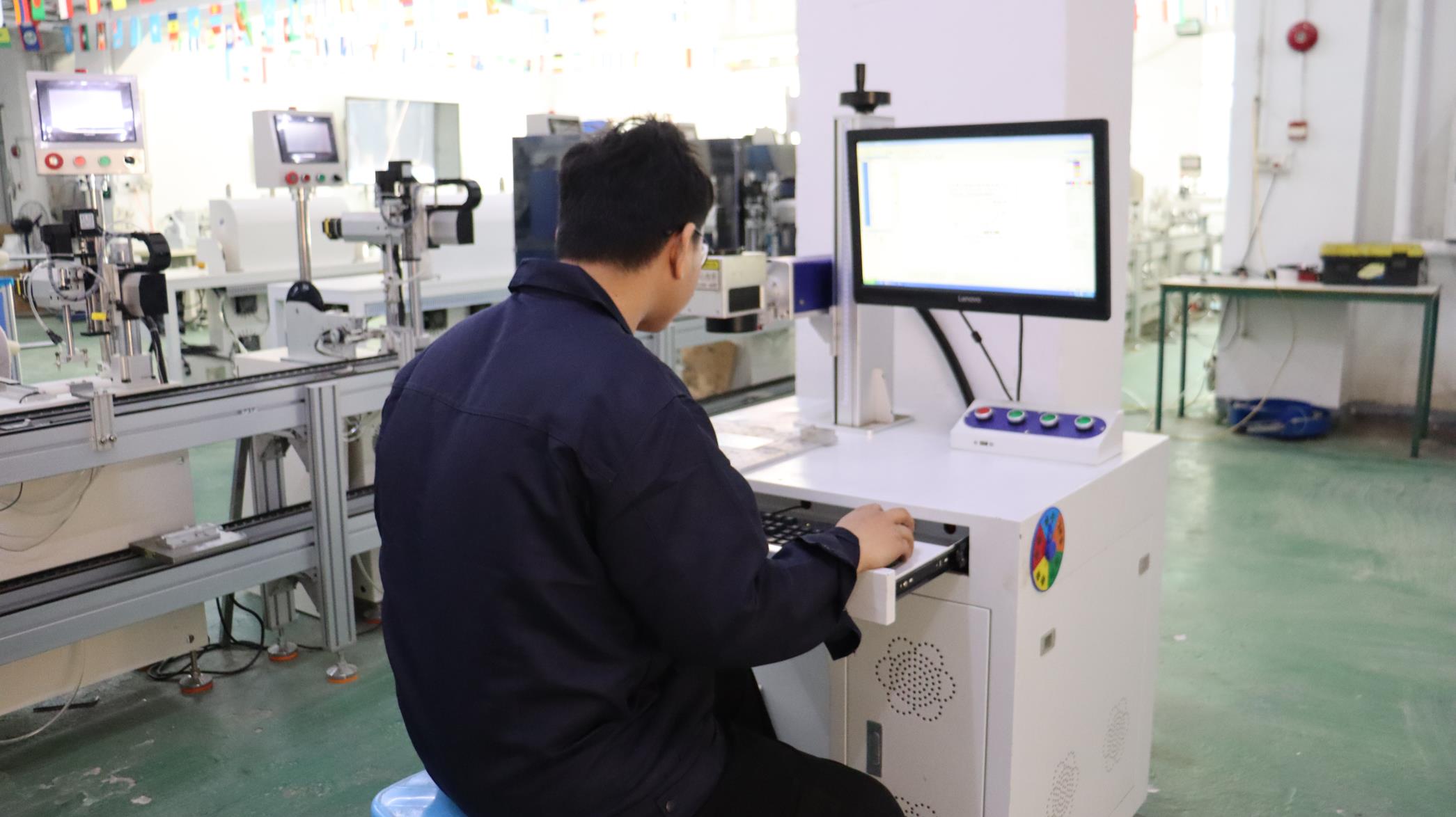
Debugging
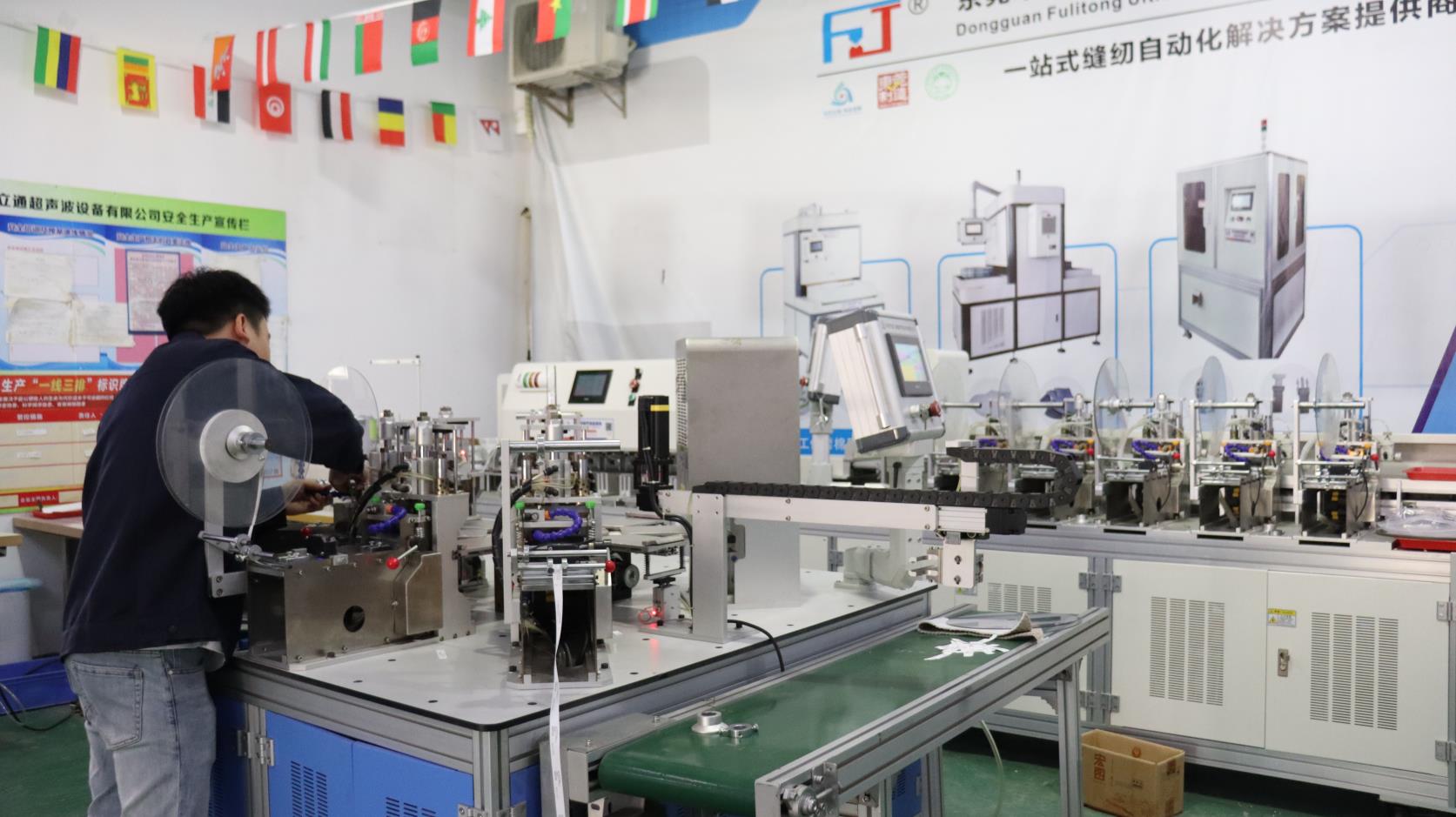
Laser Marking
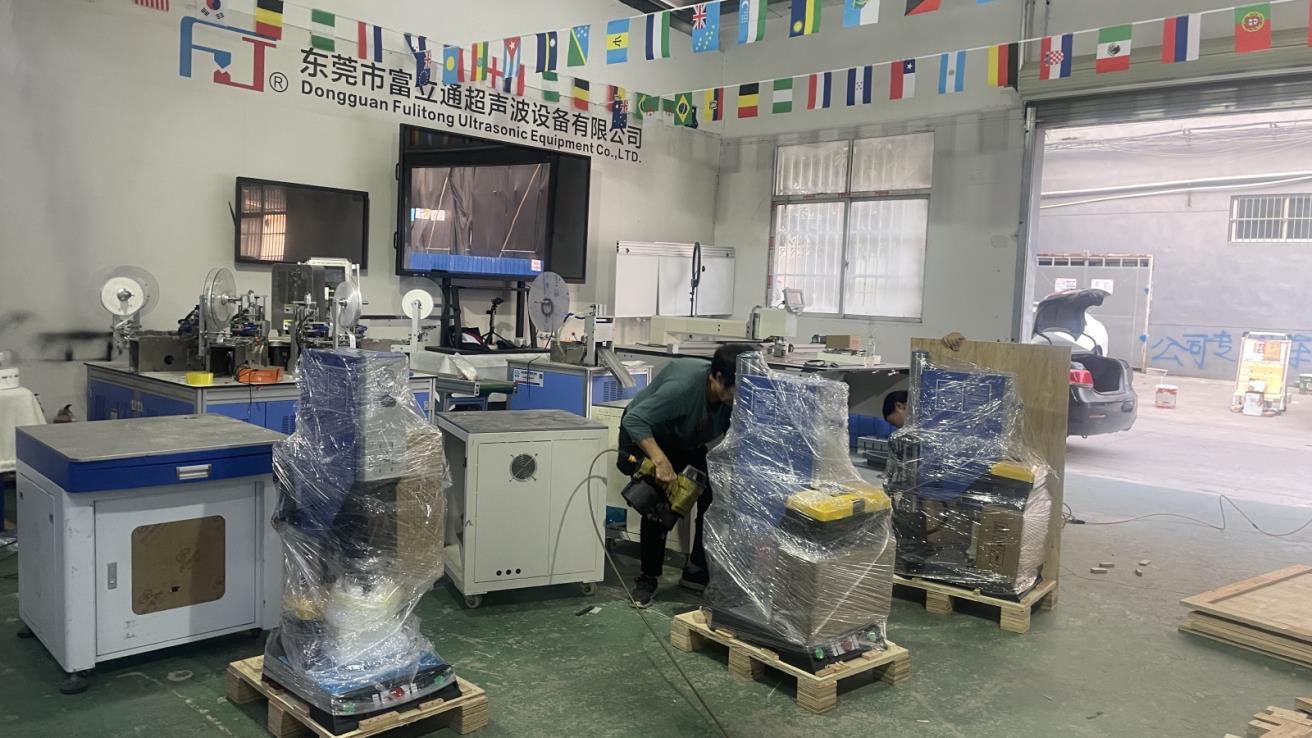
Packaging
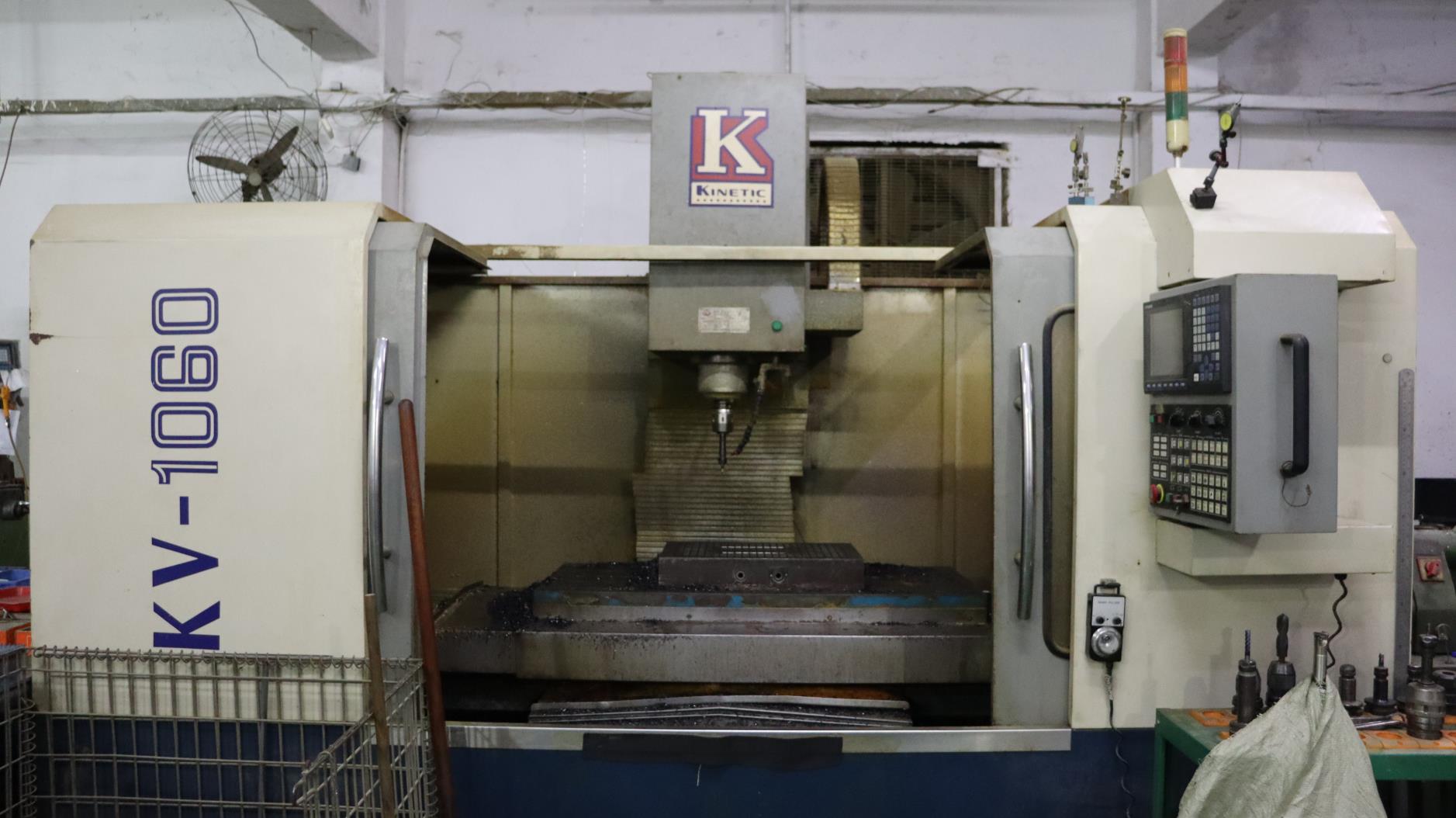
CNC Machining
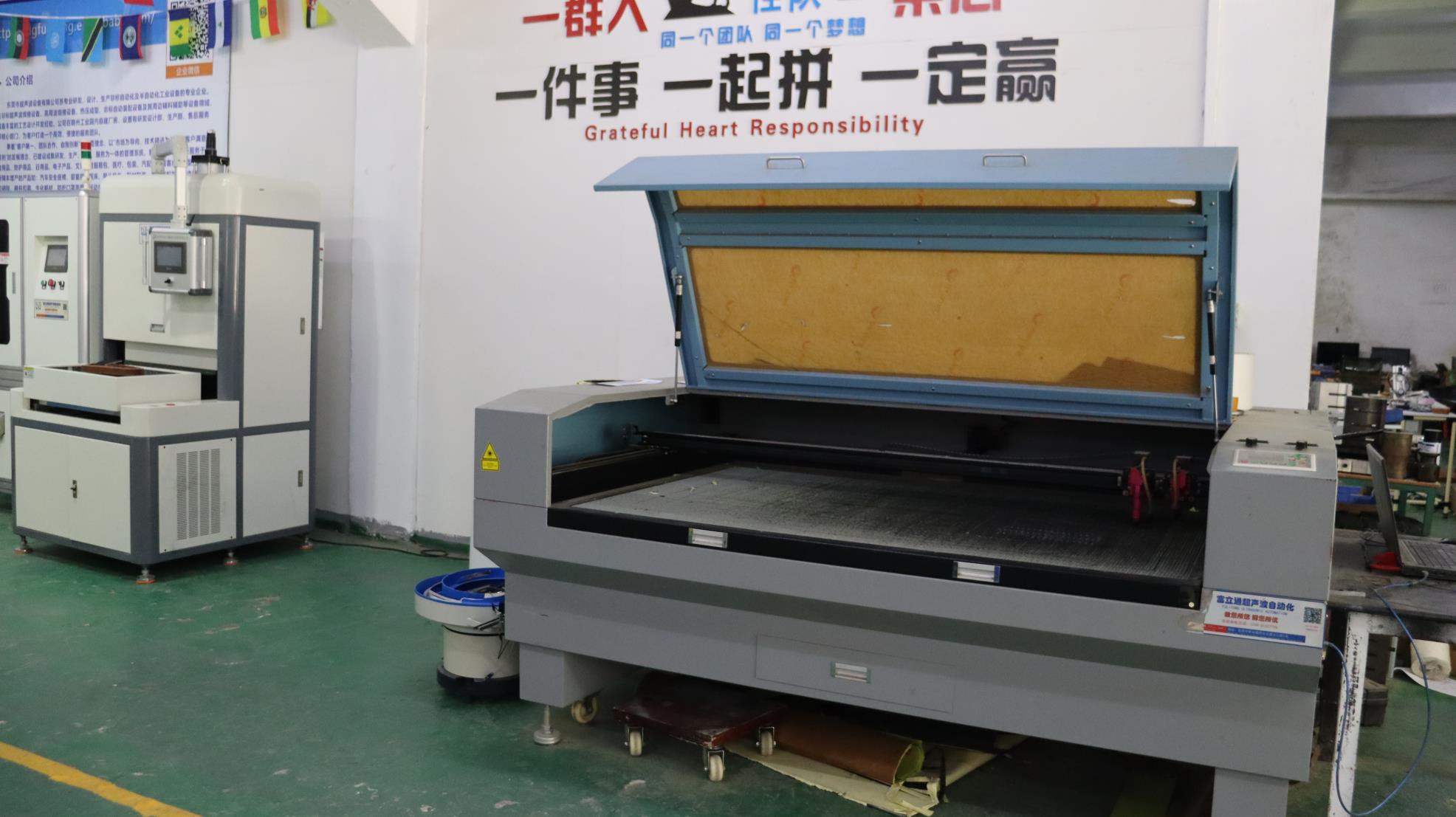
Laser Cutting
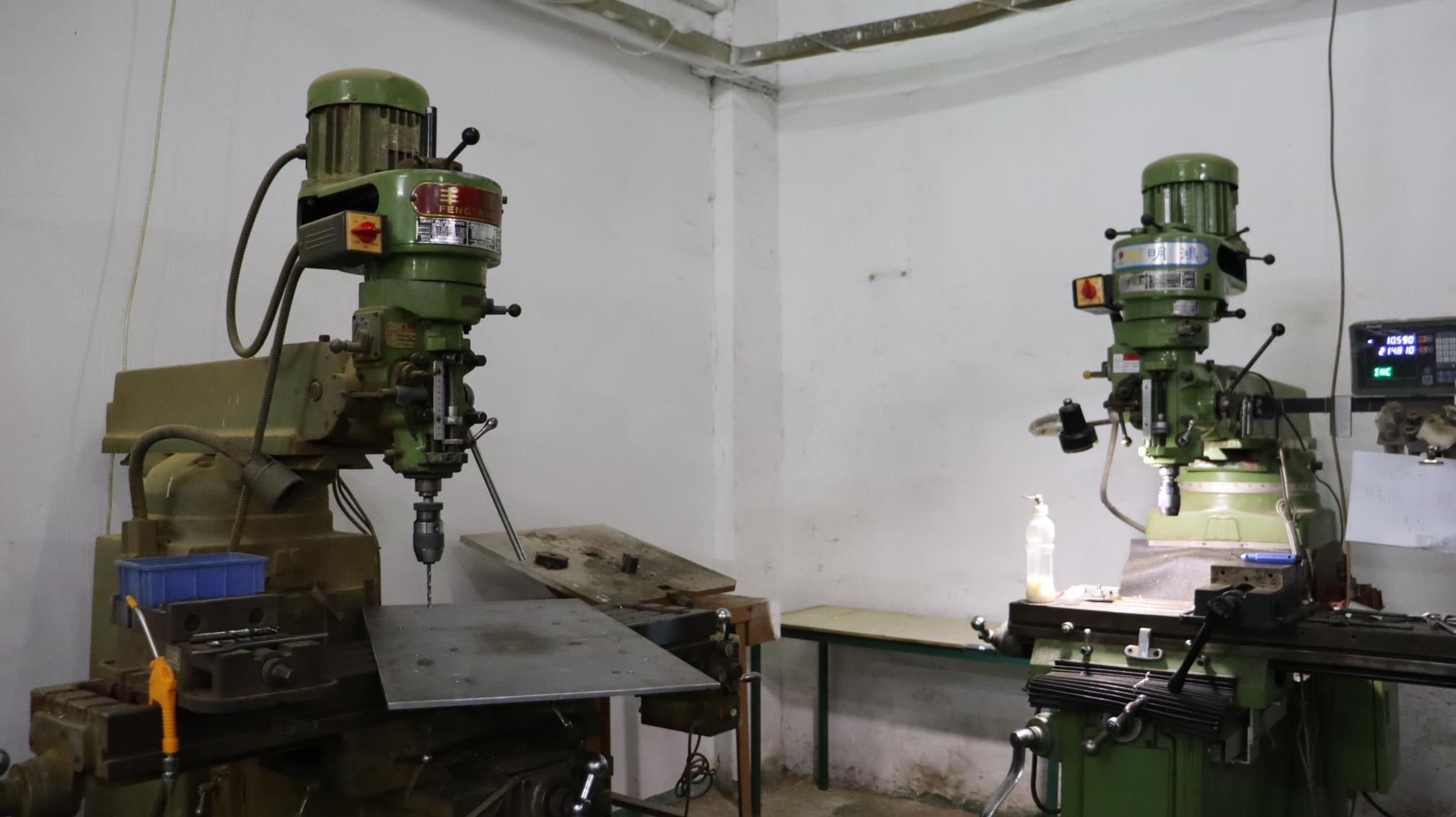
Milling Machine
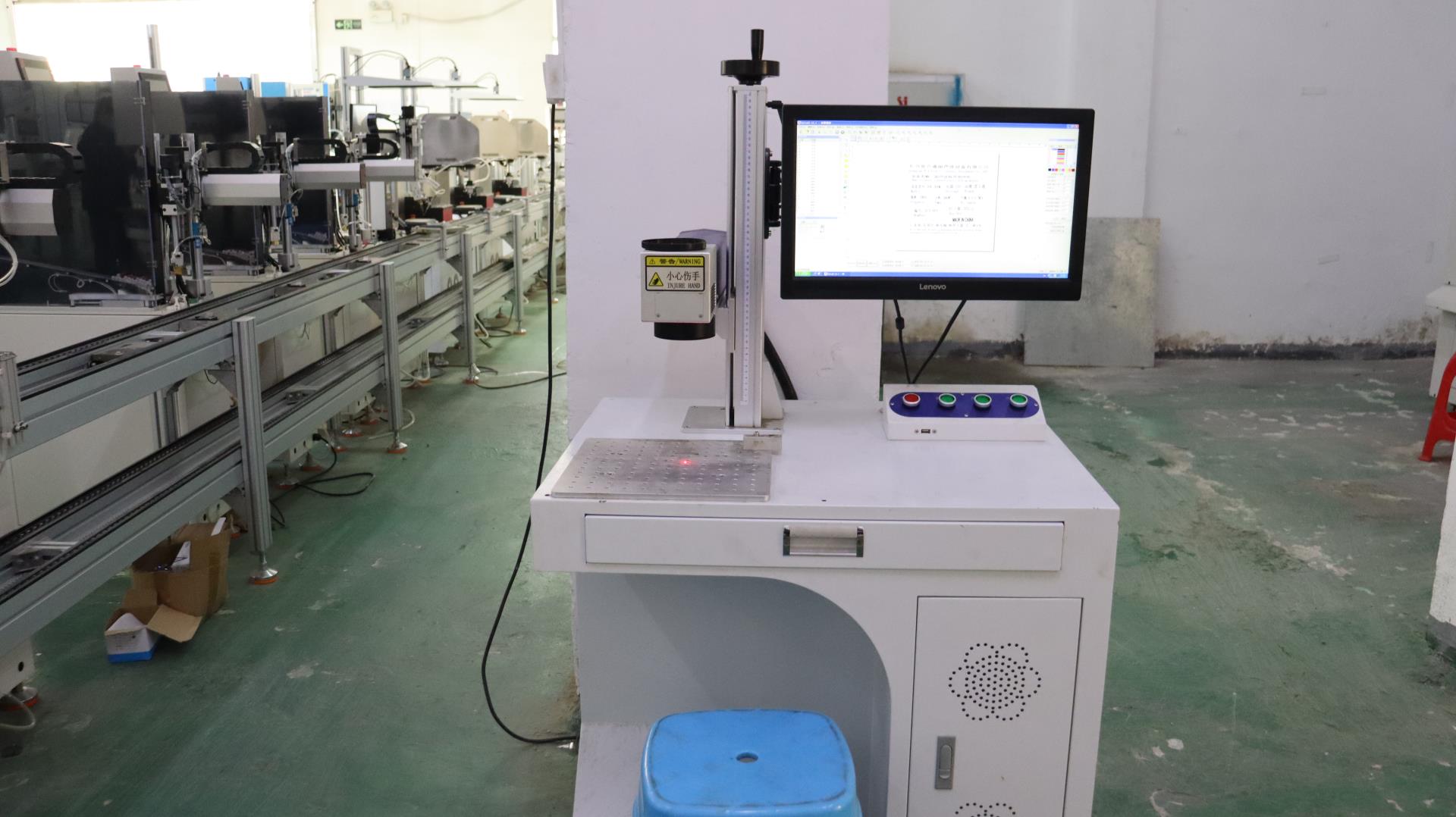
Laser Engraving
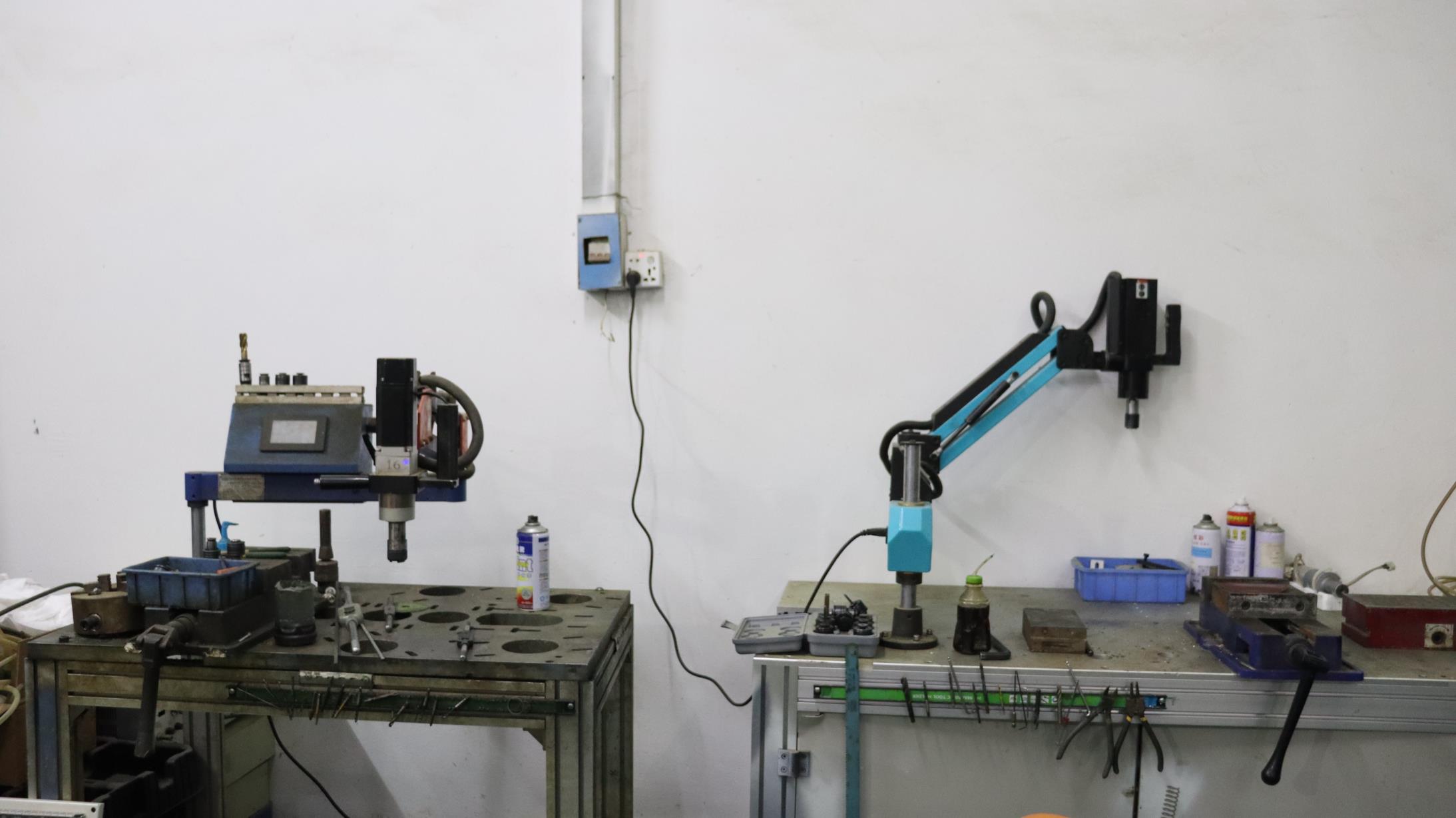
Tapping Machine
Our machinery is built for challenging manufacturing environments, meeting precise engineering specifications.
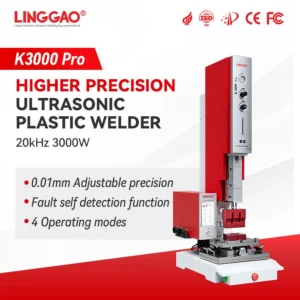
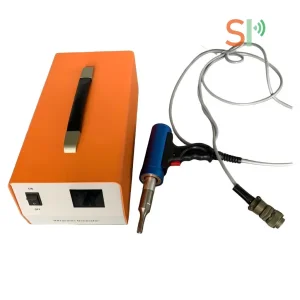
From welding structural frames to bonding thermoplastic interior door panels and exterior trims, our high-power ultrasonic plastic welding machinery ensures clean welds that maintain structural integrity under high stress.
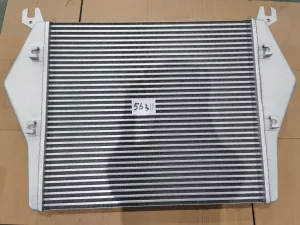
We design heavy-duty tooling systems, such as customized aluminum intercooler molds, that maintain high dimensional accuracy and thermal stability during repeated casting and forming cycles.
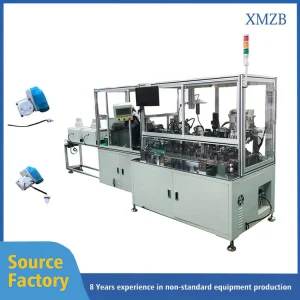
Our automated soldering and dispensing machinery handles delicate electronics assembly, providing precise material deposition and controlled heat cycles to prevent thermal shock to sensitive components.
Answers to common engineering and procurement questions regarding automatic welding systems and machinery customization.
Ultrasonic welding is ideal for complex, rigid thermoplastic assemblies requiring rapid, clean joint bonding without additives (e.g., automotive trim, medical components). Rotary friction welding is better suited for circular or cylindrical components (like pump shafts), as it uses mechanical rotation to generate frictional heat for a solid-state joint across the entire contact area.
We employ a multi-phase testing workflow: first, verifying dimensions with precision measuring tools; second, testing mechanical sub-assemblies; and third, running continuous test cycles under load during the debugging phase. This process checks both mechanical function and PLC logic stability before the system is packed and shipped.
Yes. Our CNC bench welders and automated systems are built using standard communication modules. They support industrial fieldbus systems (such as Modbus, EtherNet/IP, or Profinet) to output cycle times, alarm logs, and process parameters directly to your plant's SCADA or MES software.
Zhejiang Heping has obtained 6 utility model patent certificates, including registrations ZL202420005404.9, ZL202420005354.4, ZL202420005309.9, and ZL201921574530. These patents cover design innovations in mechanical structure, actuator layout, and control stability for our specialized welding and heating equipment.
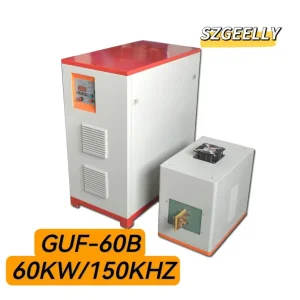
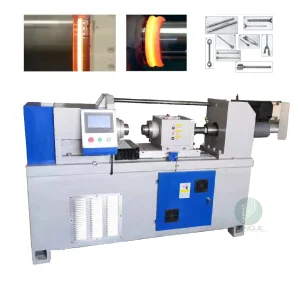
Our high-frequency induction heating machines work with all conductive metals, including carbon steel, stainless steel, copper, brass, and aluminum. They are commonly used for applications like localized surface quenching, copper brazing, metal annealing, and pre-heating prior to welding.
Lead times vary based on design complexity. Typical custom mold designs, such as heavy-duty tractor aluminum intercooler molds, take between 4 to 8 weeks. This timeline includes CAD design review, CNC machining, surface finishing, and sample verification to ensure the mold matches your specifications.
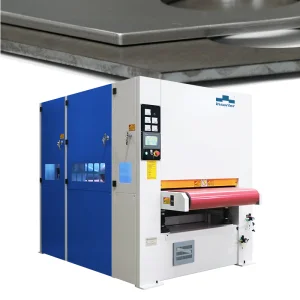
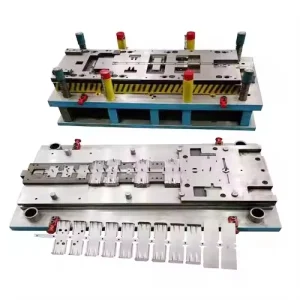
Our wider range of industrial products includes high-precision metal stamping dies, automatic bench welders, and specialized processing machines.
 Heping Mechanical