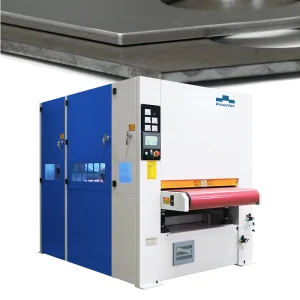
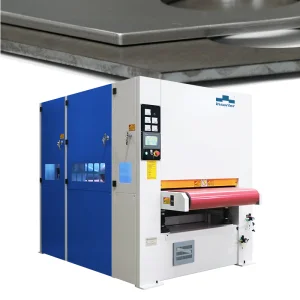
High-precision systems engineered for rigorous production environments, optimizing material integrity and cycle times.
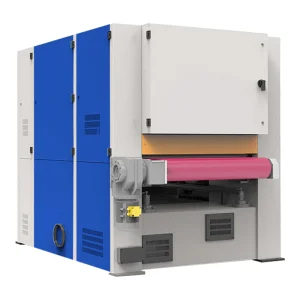
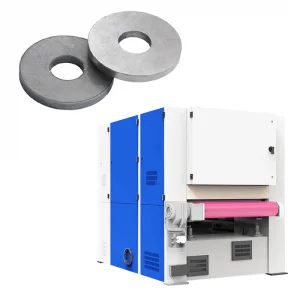
A deep analytical dive into how desktop spin welding tech bridges production voids across South American industrial corridors.
Venezuela's domestic industrial base, centered primarily around key zones such as Caracas, Valencia, Maracay, and Barquisimeto, is seeing a strategic pivot. Manufacturers are increasingly looking to substitute imports with locally produced goods. This structural shift requires highly reliable, space-saving, and power-efficient machinery that can withstand unpredictable supply chains and infrastructure variances.
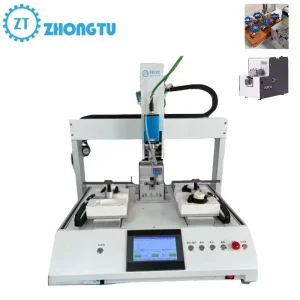
In particular, the packaging, automotive auxiliary parts, and water purification sectors require high-integrity thermoplastic bonding. Desktop Spin Welding technology has emerged as the premier choice over bulky traditional setups. By operating on targeted mechanical friction principles rather than relying on high-frequency electrical fields (like ultrasonic welding), spin welding provides robust, air-tight hermetic seals for circular components with minimal power consumption.
For Venezuelan engineering plants, welding non-homogeneous or highly viscous polymers (like PP, PE, and Nylon) often poses a risk of joint structural failure. Our desktop spin welding machines use high-speed rotational friction to melt precise circular interfaces, immediately followed by pneumatic forge pressure. This locks the polymer chains in place. This method eliminates the need for expensive chemical adhesives or consumables, which are difficult to source in the local Venezuelan market due to import restrictions.
Understanding the dynamic variables that dictate hermetic strength in mass production environments.
The desktop spin welder spins the upper plastic piece to speeds exceeding 2,000 RPM. Under pneumatic control, the piece is lowered until it meets the stationary base component. The friction quickly raises the temperature to the polymer's melting point.
Once the transition temperature is reached, a controlled vertical displacement occurs. The material flows outward, displacing oxides and impurities into a flash pocket to ensure a pure joint core.
Within milliseconds, rotation is brought to a dead stop. This rapid deceleration prevents the newly formed melt layer from shearing, which is essential for maintaining pressure-tight seals.
The system maintains steady axial force during cooling, allowing the molecular chains to interlock. This creates a weld joint that matches or exceeds the tensile strength of the parent plastic.
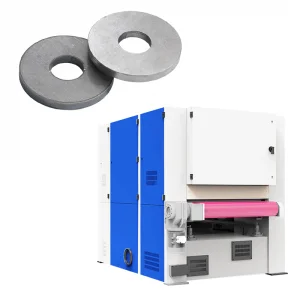
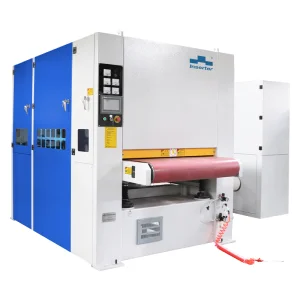
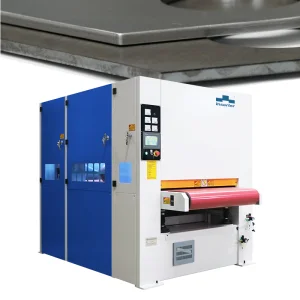
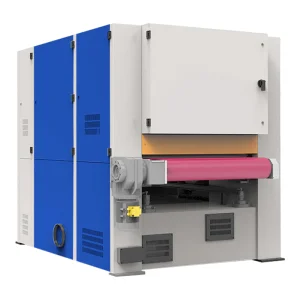
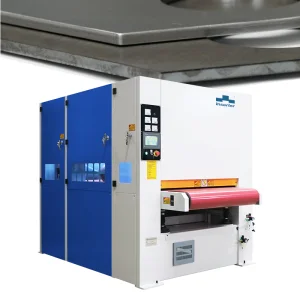
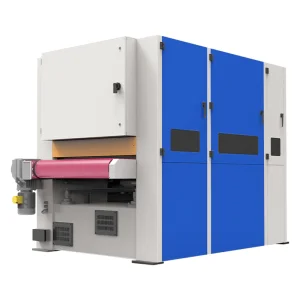
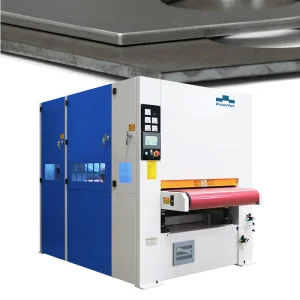
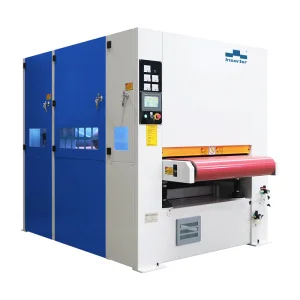
Essential machinery integrated into production lines for deburring, sanding, and surface preparation.
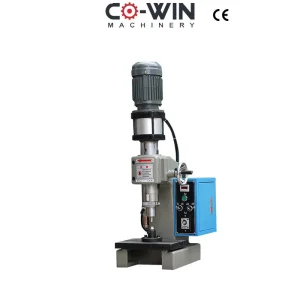
Leveraging China's manufacturing precision, customized designs, and dependable global export operations.
Industrial power grids in Venezuela can experience voltage drops and frequency shifts. Our machines can be customized with heavy-duty stabilized PLC controllers and robust servo motors. These systems are designed to handle 220V/380V/440V electrical fluctuations, helping to protect internal electronics from damage.
Unlike chemical bonding, which requires specialized glues, spin welding only uses the thermoplastic materials themselves. This saves Venezuelan companies from high shipping and customs costs for imported adhesives, lowering long-term operating expenses.
We design custom upper and lower nesting fixtures based on your component's CAD files. This helps ensure high alignment accuracy, preventing product damage or defects even when working with complex geometries.
Zhejiang Heping Mechanical Equipment Co., Ltd.
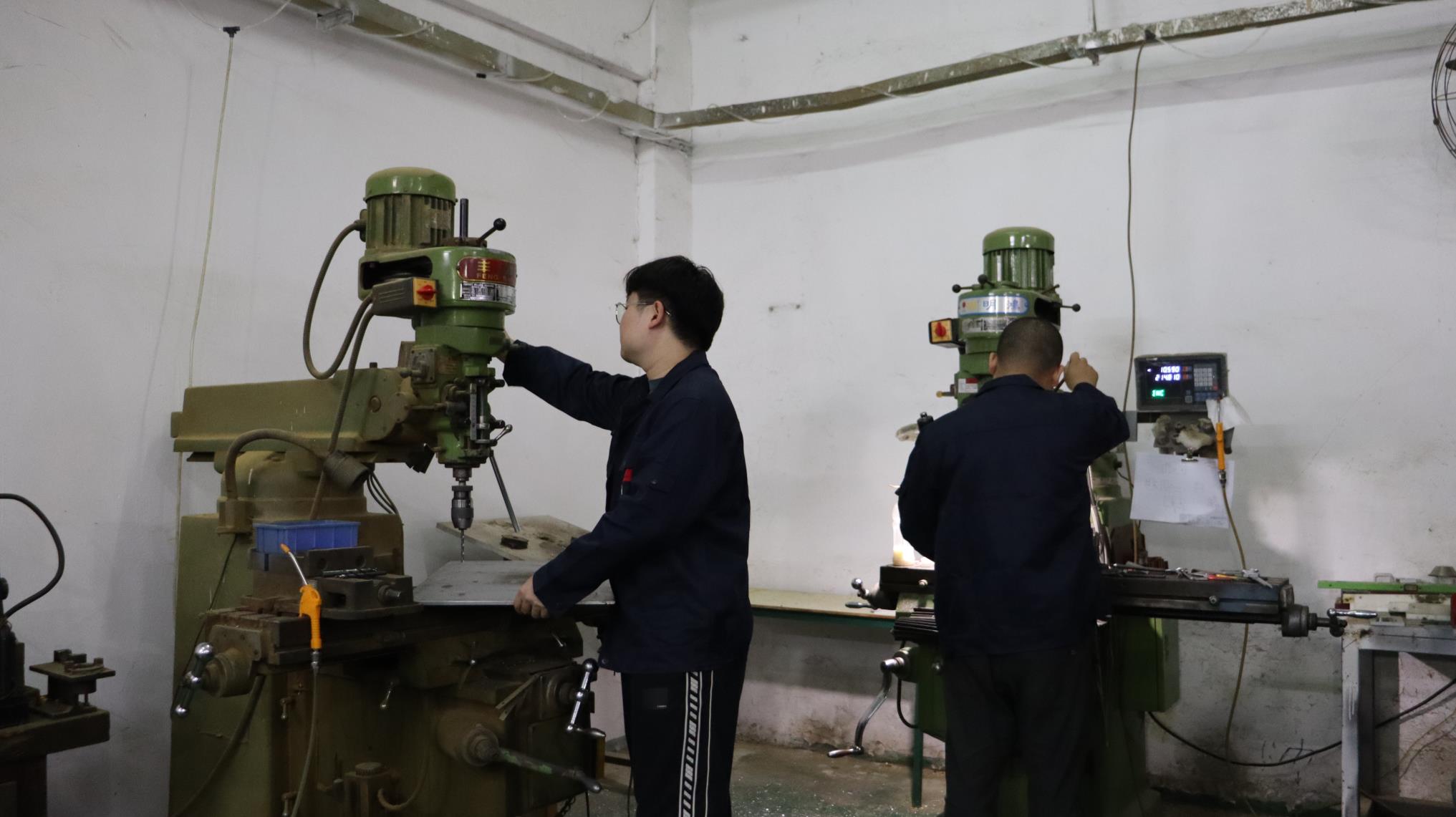
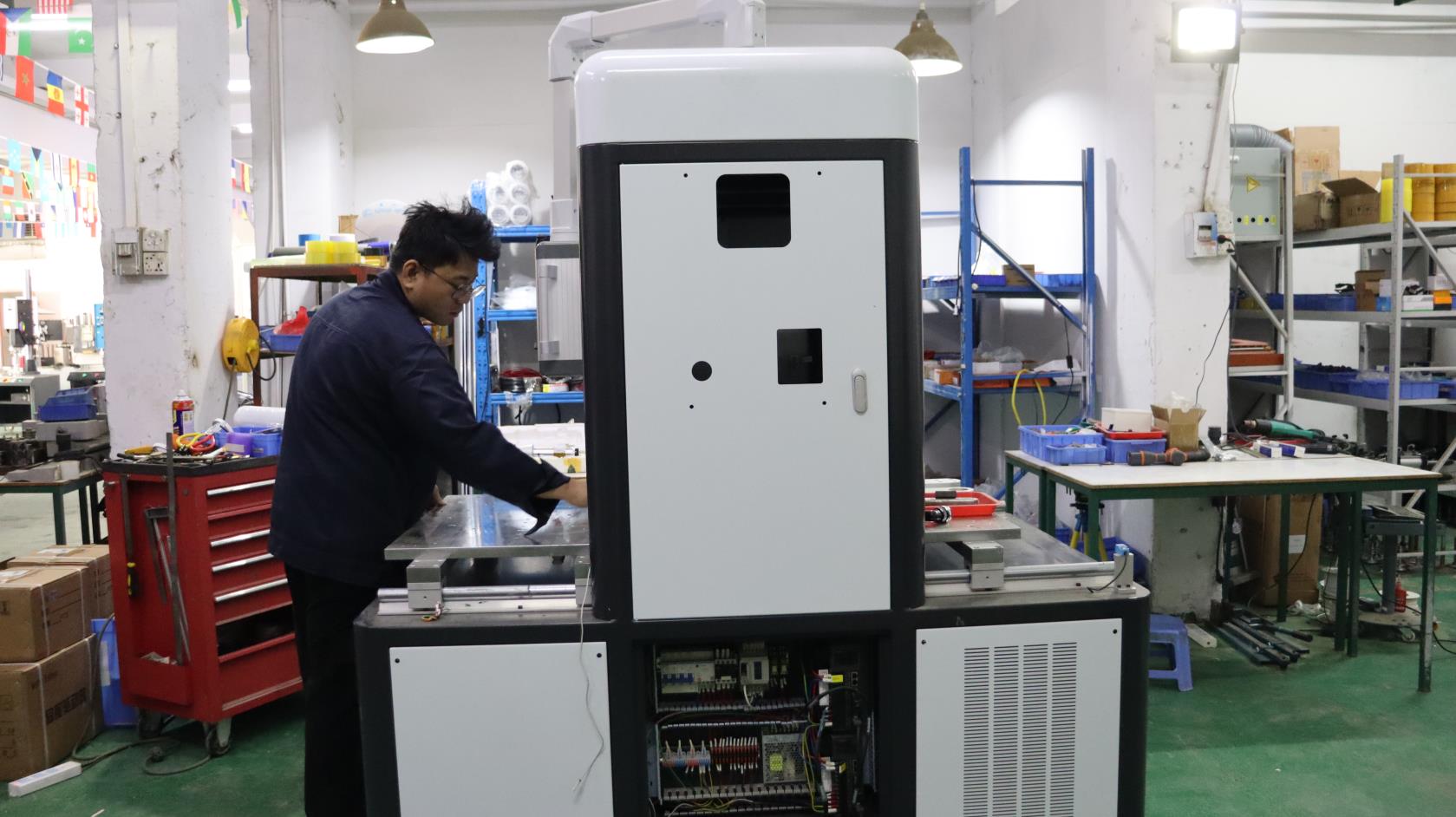
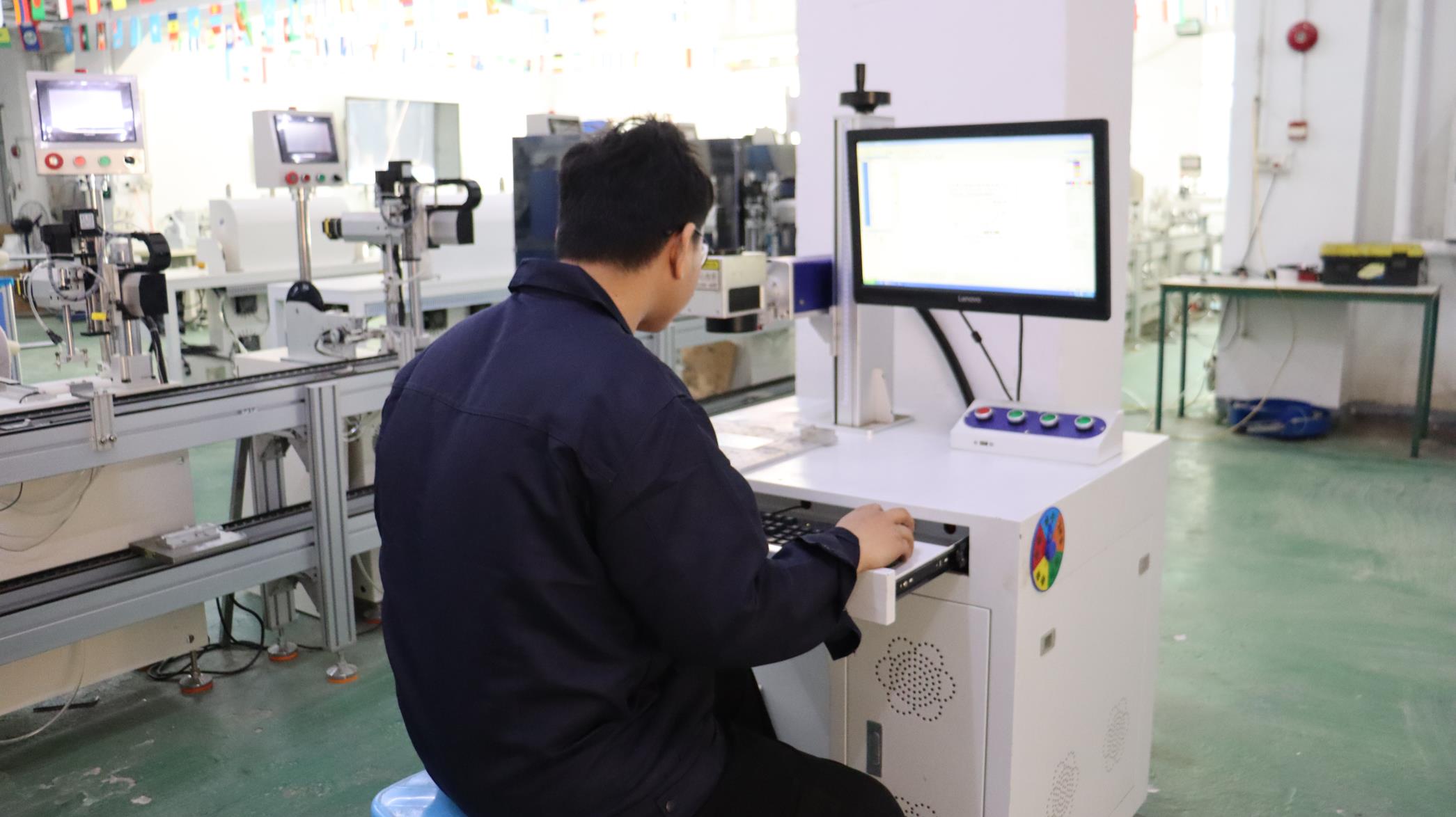
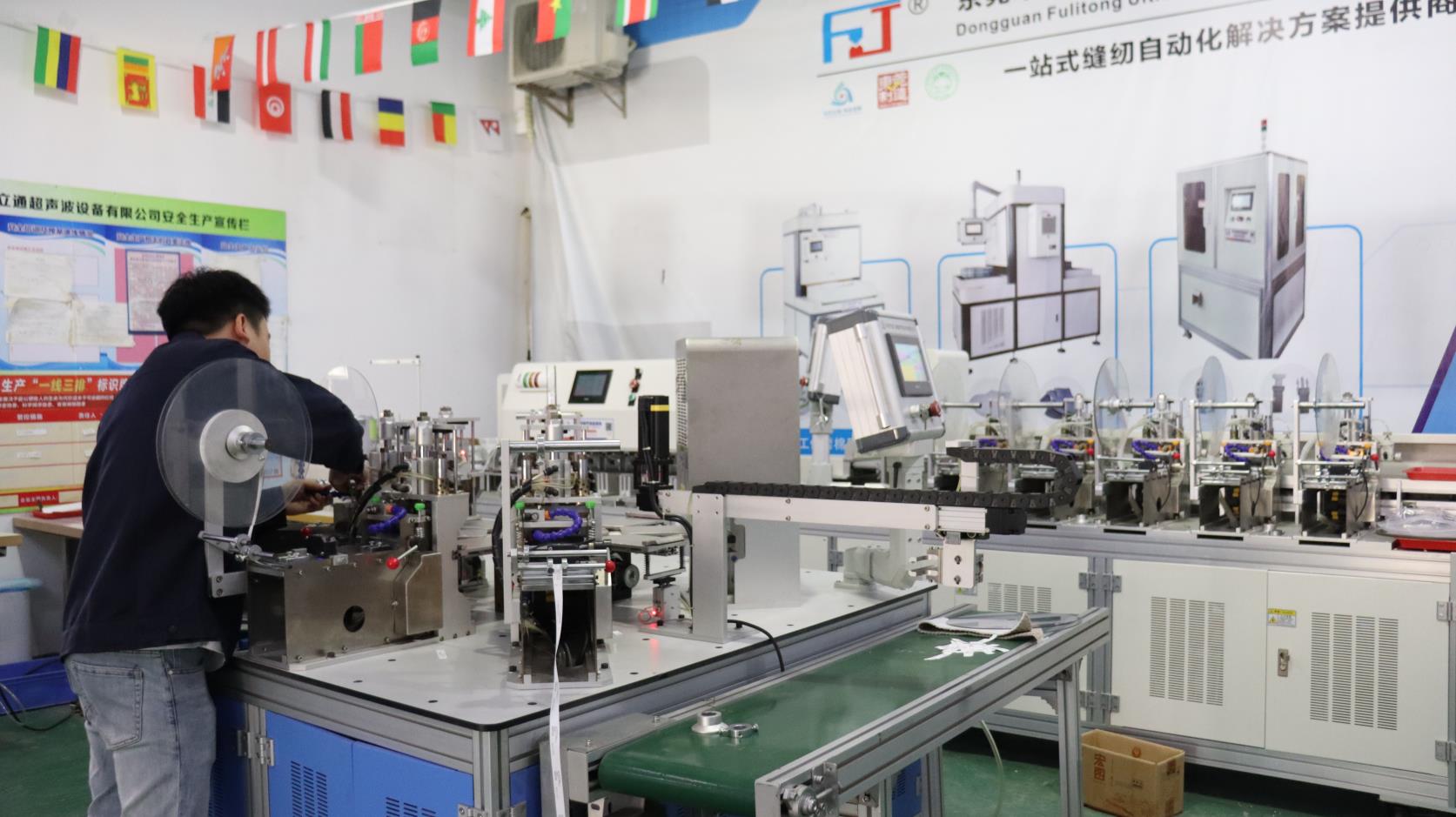
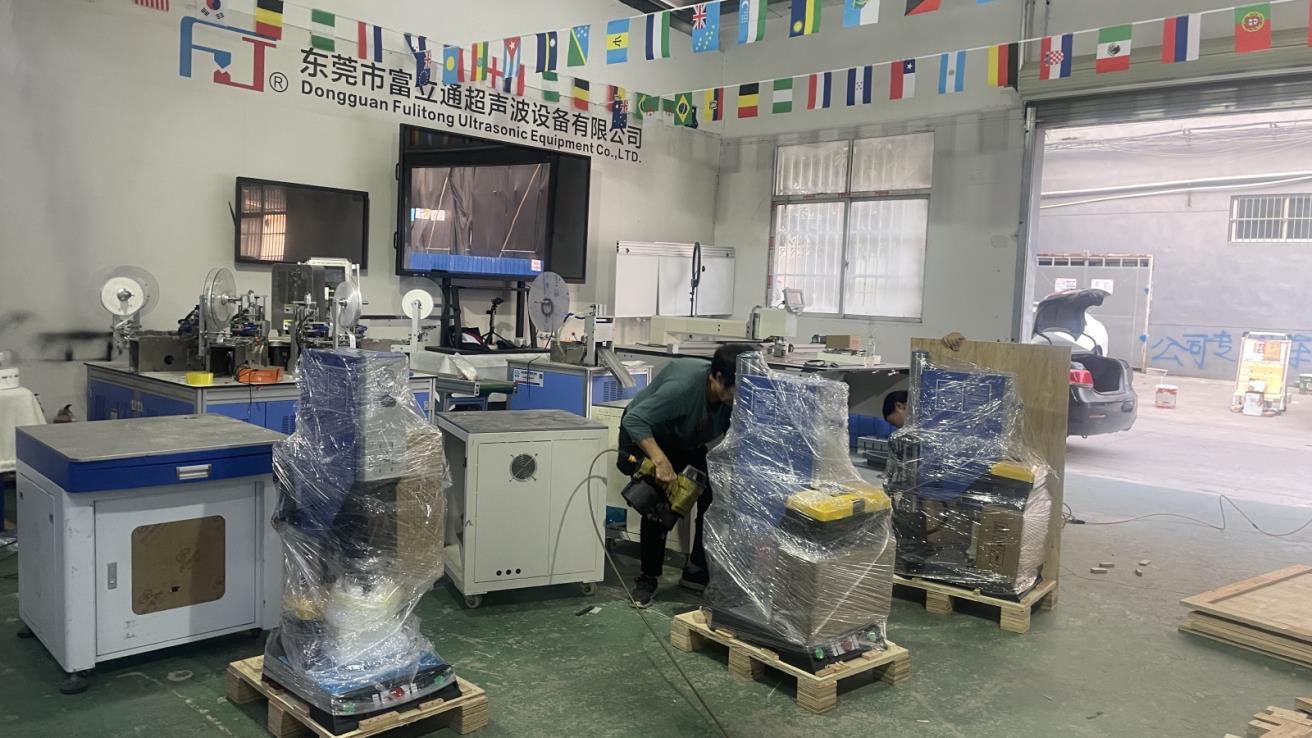
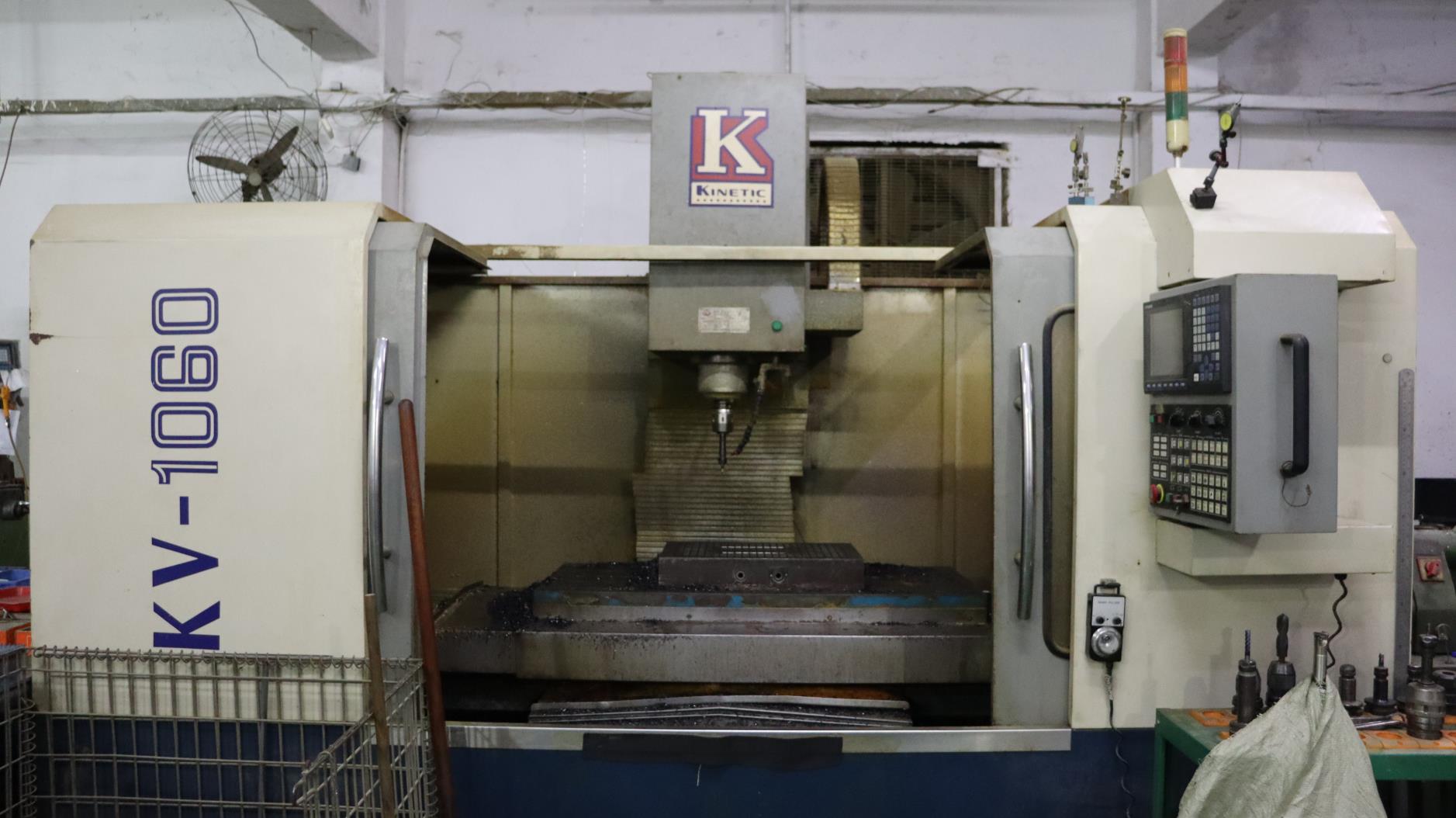
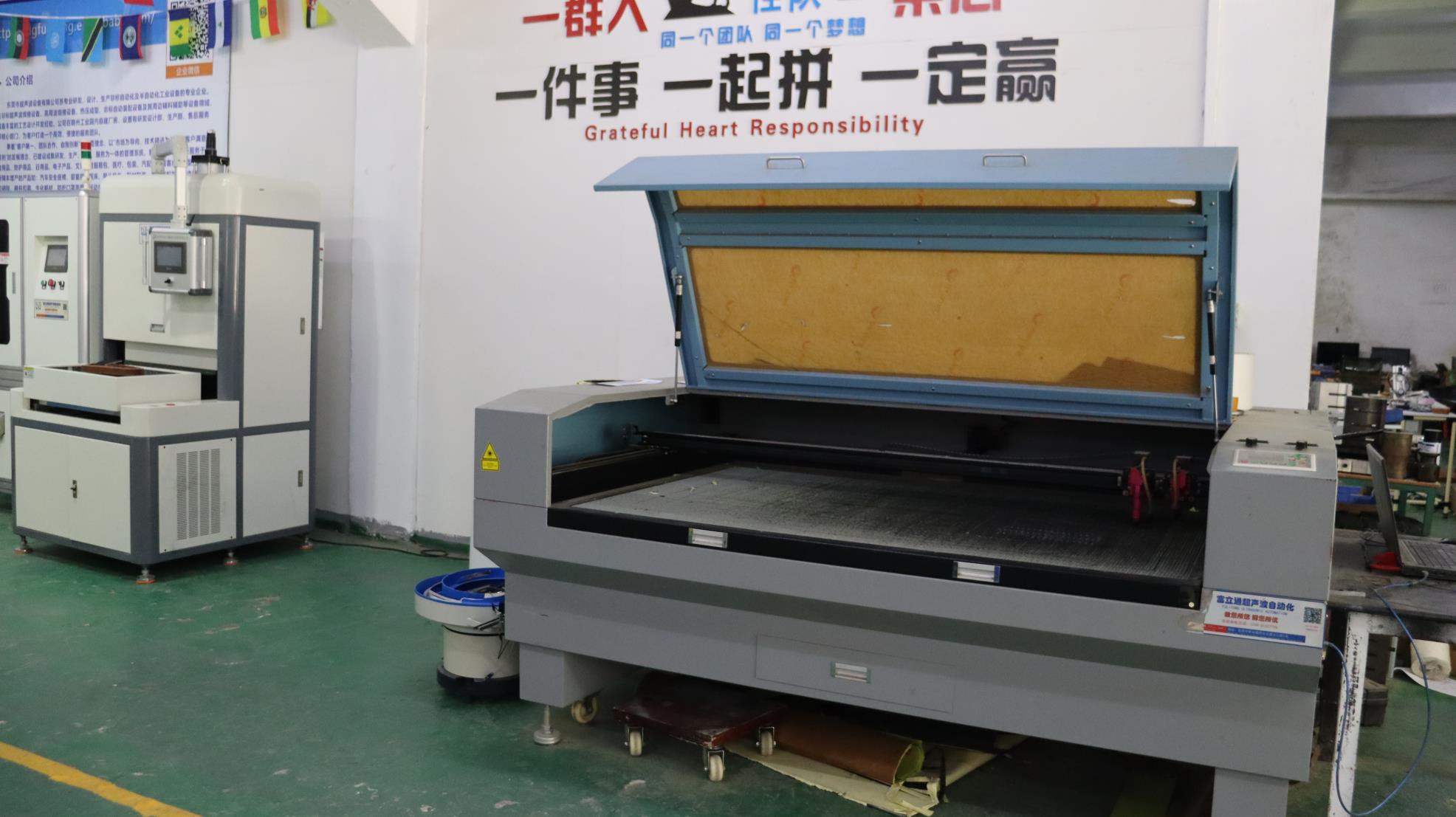
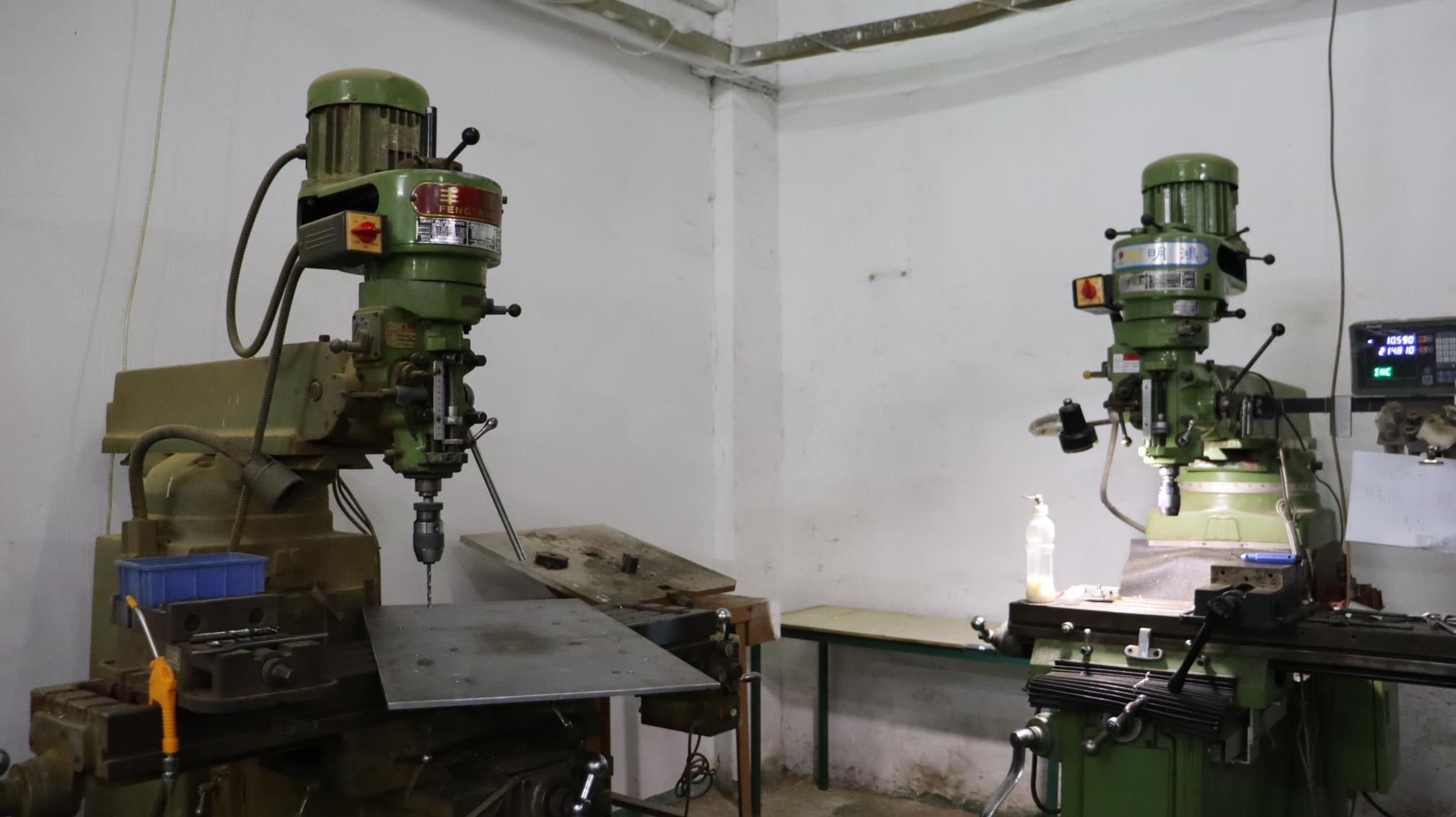
Covering a factory building area of 7,000 square meters, we are a manufacturing enterprise integrating plastic welding, R&D design, production and manufacturing, as well as sales and service.
Our focus on reliability and design allows us to manufacture custom, high-durability machines for various assembly tasks. By pairing precision engineering with strict quality control, we ensure our global clients receive high-performing machinery built to handle heavy production demands.
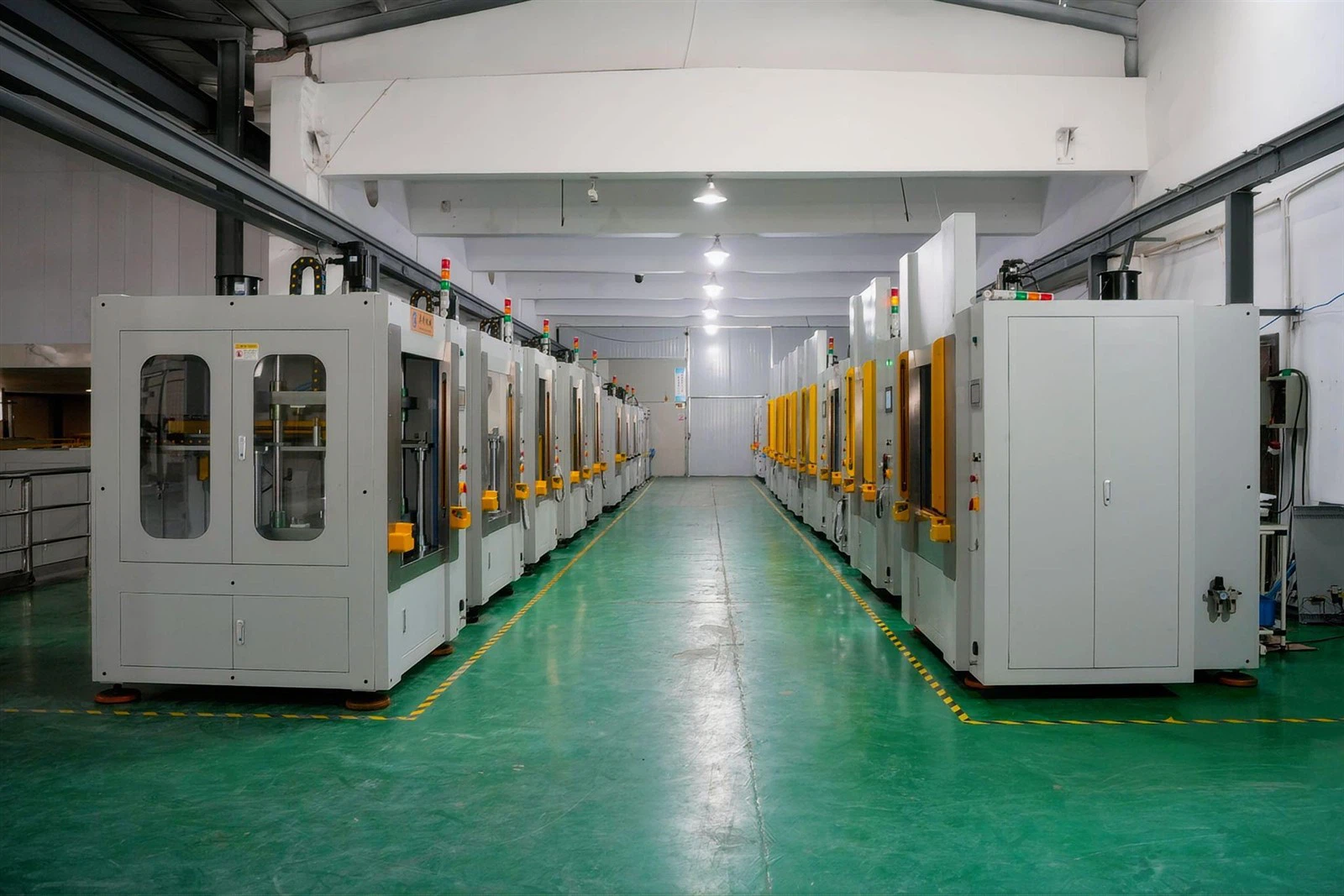
How we maintain product quality and support our customers globally.
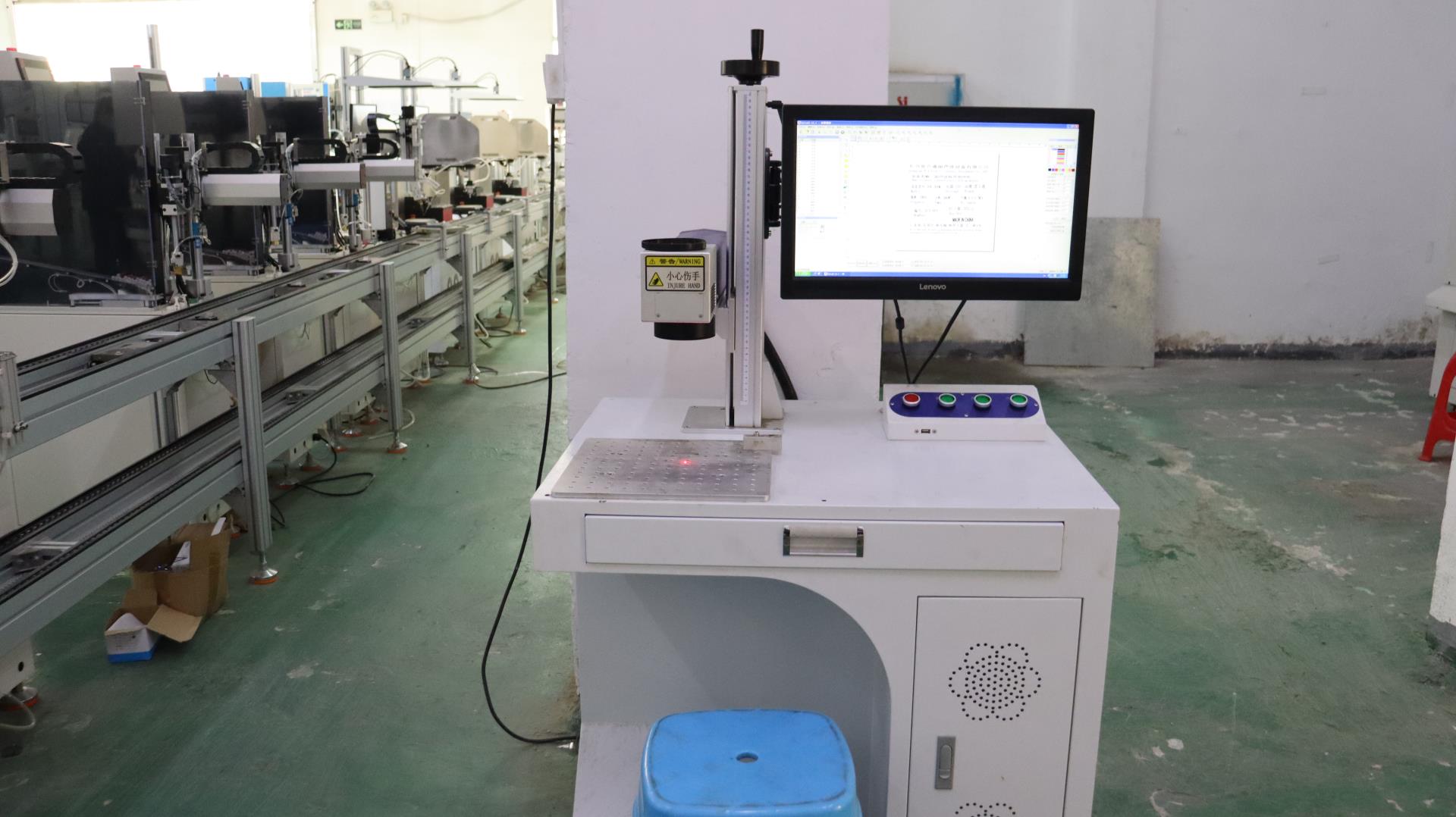
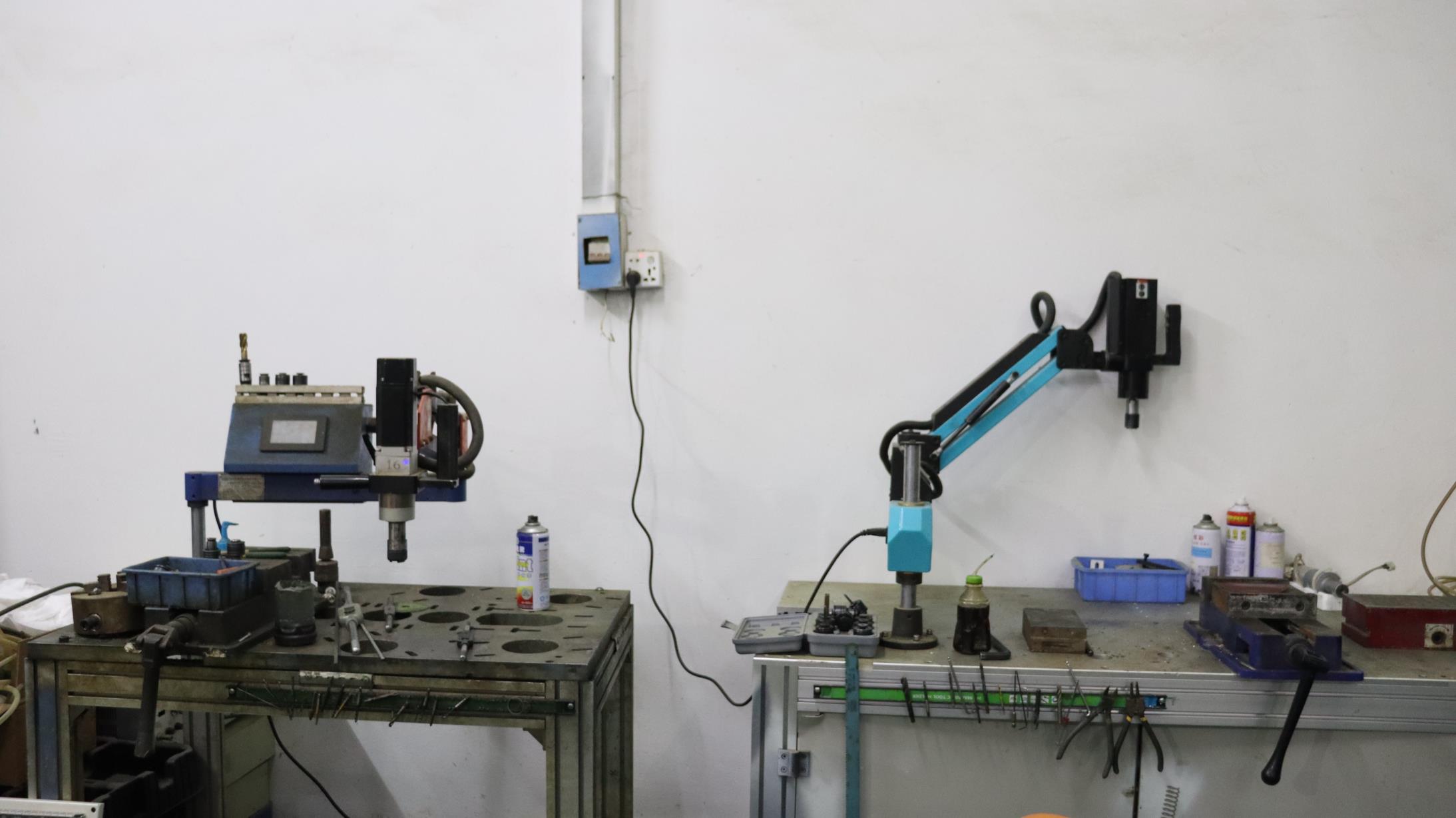
We possess strong capabilities in the design, R&D and production of non-standard mechanical products, and can customize various special-purpose mechanical equipment according to customer needs.
We strive to let customers share our core advantages-high quality, excellent service and impeccable welding performance-when purchasing our products, enabling you to operate without worries in the highly competitive market.
We have a team of high-quality, skilled and experienced engineering and technical personnel, who provide customers with more professional, efficient and comprehensive after-sales service to solve production-related concerns.
The company has obtained 6 utility model patent certificates, with patent numbers ZL202420005404.9, ZL202420005354.4, ZL202420005354.4, ZL202420005404.9, ZL202420005309.9, and ZL201921574530
Strategic ocean and air freight logistics, customs paperwork support, and heavy-duty protective packaging.
For heavier machinery orders, sea freight is the most cost-effective option. We coordinate with shipping lines to route cargo through key regional hubs, delivering directly to Venezuela's major ports, including Puerto Cabello and La Guaira. We handle all export clearances on the Chinese side to ensure a smooth transit process.
Our export team prepares detailed documentation (including commercial invoices, packing lists, Bills of Lading, and Certificate of Origin documents) to assist your customs broker and help prevent delays.
Saltwater exposure and humidity during long sea transits can cause rust on precision components. To prevent this, our machines are packed in vacuum-sealed moisture-barrier bags and placed inside reinforced wooden cases.
This protection helps ensure the equipment arrives in Valencia or Caracas in good condition, ready to be installed and powered on.
Expert guidance on polymer welding, material selection, and importing desktop machinery into South America.
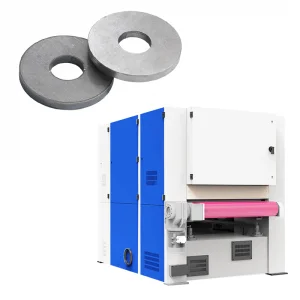
A selection of grinding, deburring, and polishing equipment designed for metal and plastic fabrication lines.
Contact our engineering team today to request a quote, submit CAD files for custom fixtures, or discuss your plant's setup requirements.
Send Inquiry Now Heping Mechanical