Linear Vibration Welding Equipment Factory & Exporters in Rwanda

Precision Polymer & Mechanical Processing Solutions Tailored for East Africa's Expanding Industrial Infrastructure

Send Inquiry Now
7,000㎡
Production Plant
6+
Utility Model Patents
100%
Customizable Solutions
ISO
Quality Standards Met

Driving Rwanda's Industrial Transformation with High-Performance Welding and Mineral Processing Systems

In accordance with the Rwanda Vision 2050 development agenda and the "Made in Rwanda" manufacturing framework, the nation's industrial landscape is shifting towards high-value domestic production. Rapid urbanization, the expansion of special economic zones (SEZs) like Kigali Special Economic Zone, and localized assembly requirements have catalyzed a demand for advanced joining, mineral classification, and separation equipment. As a leading manufacturer and exporter, we address these specific macro-industrial bottlenecks, bringing high-tech linear vibration welding technologies and efficient dewatering screen machines directly to East Africa's heartland.

"The integration of modern linear vibration friction welding and solid-liquid separation units represents a key stepping stone in localized production. From mineral processing in Kayonza to packaging and plastic component assembly in Kigali, our specialized machinery introduces unprecedented efficiency and reliability."

Macro Industry Solutions: Bridging Automotive & Mineral Processing Gaps

Industrialization within Rwanda requires solutions that are rugged, energy-efficient, and easy to maintain. We provide strategic dual-pathway solutions to address two major industrial pillars:

1. Precision Plastic Assembly (Linear Vibration Friction Welding)

As the East African Community (EAC) encourages automotive assembly localization (such as local vehicle assembly and component manufacturing in Rwanda), the requirement for strong, airtight plastic-to-plastic welds becomes critical. Typical applications of our linear vibration welding equipment include:

  • Automotive Parts: Intake manifolds, fluid reservoirs, expansion tanks, and glove boxes.
  • Consumer Goods & Electronic Cases: Heavy-duty electrical junction boxes and water meters that require IP67/IP68 hermetic seals.
  • Agricultural Hardware: Specialized plastic containers and fluid handling components that resist chemical degradation and environmental stressors in agricultural application.

2. Advanced Mineral Beneficiation (Dewatering & Screening)

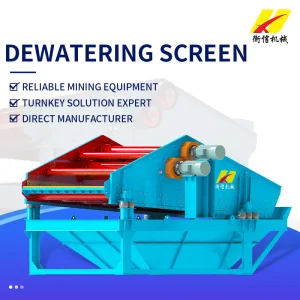
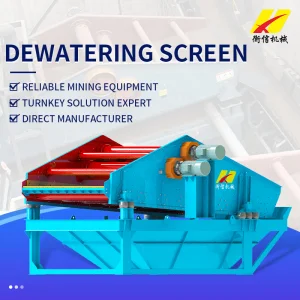
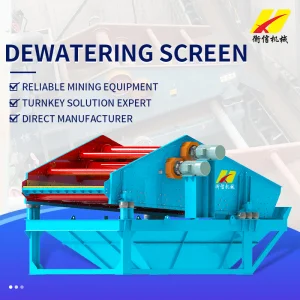
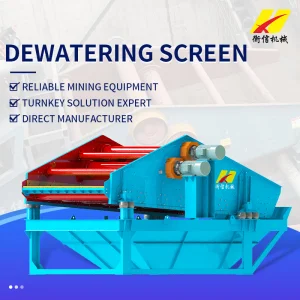
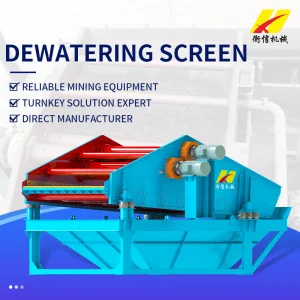
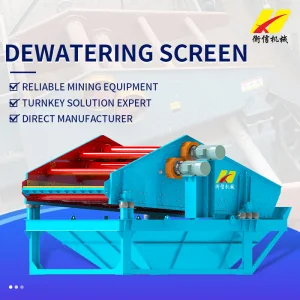
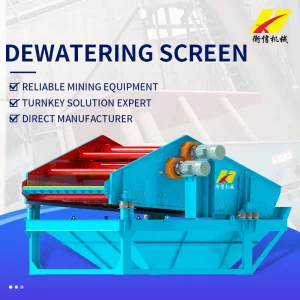
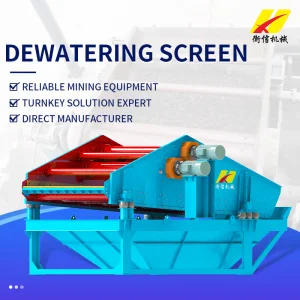
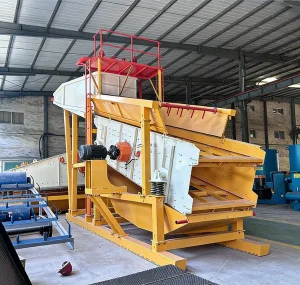
Rwanda is historically renowned for its mineral resources, particularly the 3Ts (Tin, Tantalum, and Tungsten). Maximizing recovery rates in processing plants requires high-capacity screening and dewatering. Our vibrating screen installations perform sorting, washing, and moisture extraction. Designed with low energy consumption parameters, they operate reliably under remote mining operations, reducing slurry waste and maximizing the purity of output ores.

Scientific Principle: Why Linear Vibration Welding?

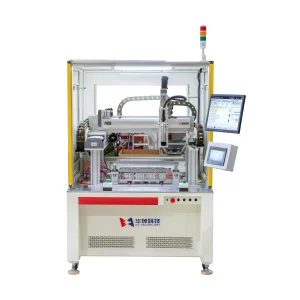
Linear vibration welding is a friction welding technique capable of joining complex thermoplastic components with structural-grade weld strength. In contrast to conventional ultrasonic or hot-plate welding, linear vibration uses relative motion under a designated clamping force to generate frictional heat. The process can be outlined in four crucial stages:

  1. Pre-heating and Solid Friction: The two thermoplastic parts are pressed together. One part remains stationary while the other oscillates at a defined amplitude (typically 0.7mm to 1.8mm) and frequency (around 240Hz).
  2. Unsteady Melt State: Frictional heat melts the contact surfaces, forming a thin polymer layer.
  3. Steady-State Flow: The melting rate balances the outflow of flash material, ensuring a uniform melt pool across the joint line.
  4. Solidification (Holding): Vibration is abruptly stopped, and pressure is maintained while the joint cools, forming a seamless molecular bond equivalent in strength to the base material.

This process eliminates the need for adhesives, screws, or external heat sources, which significantly reduces production costs and ensures compliance with clean-production environmental regulations.

Our Competitive Edge and E-E-A-T Guarantee

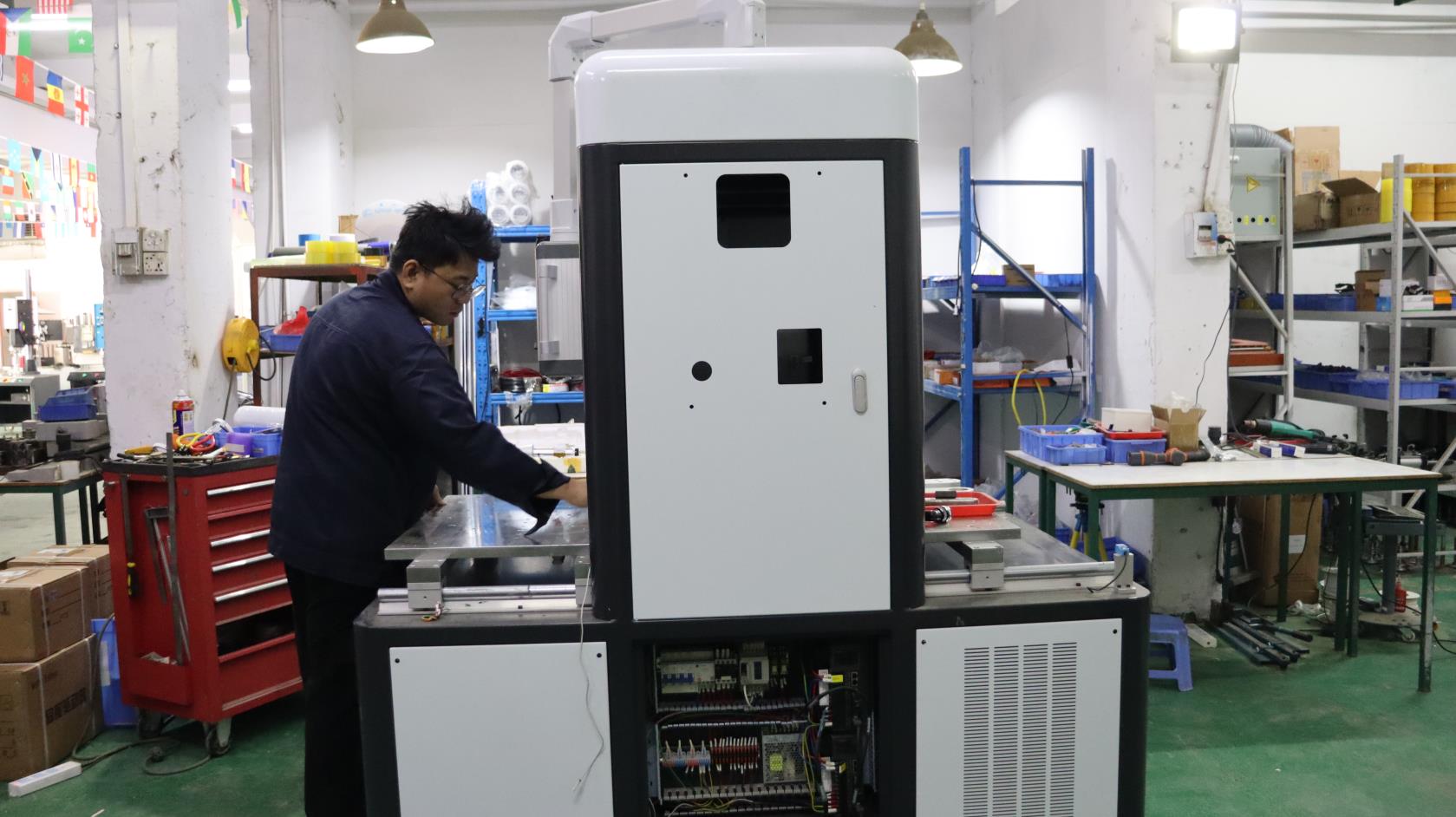
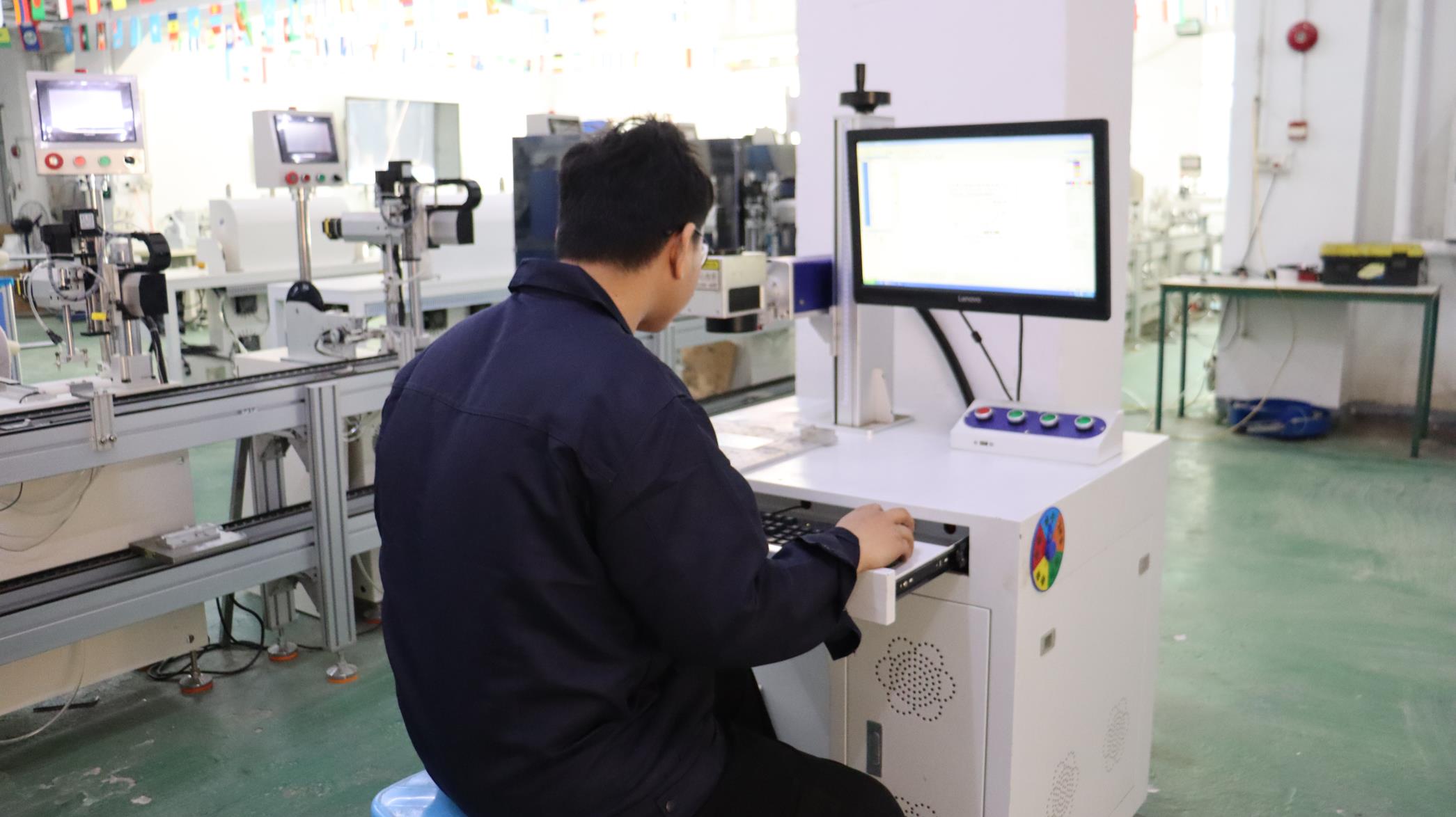
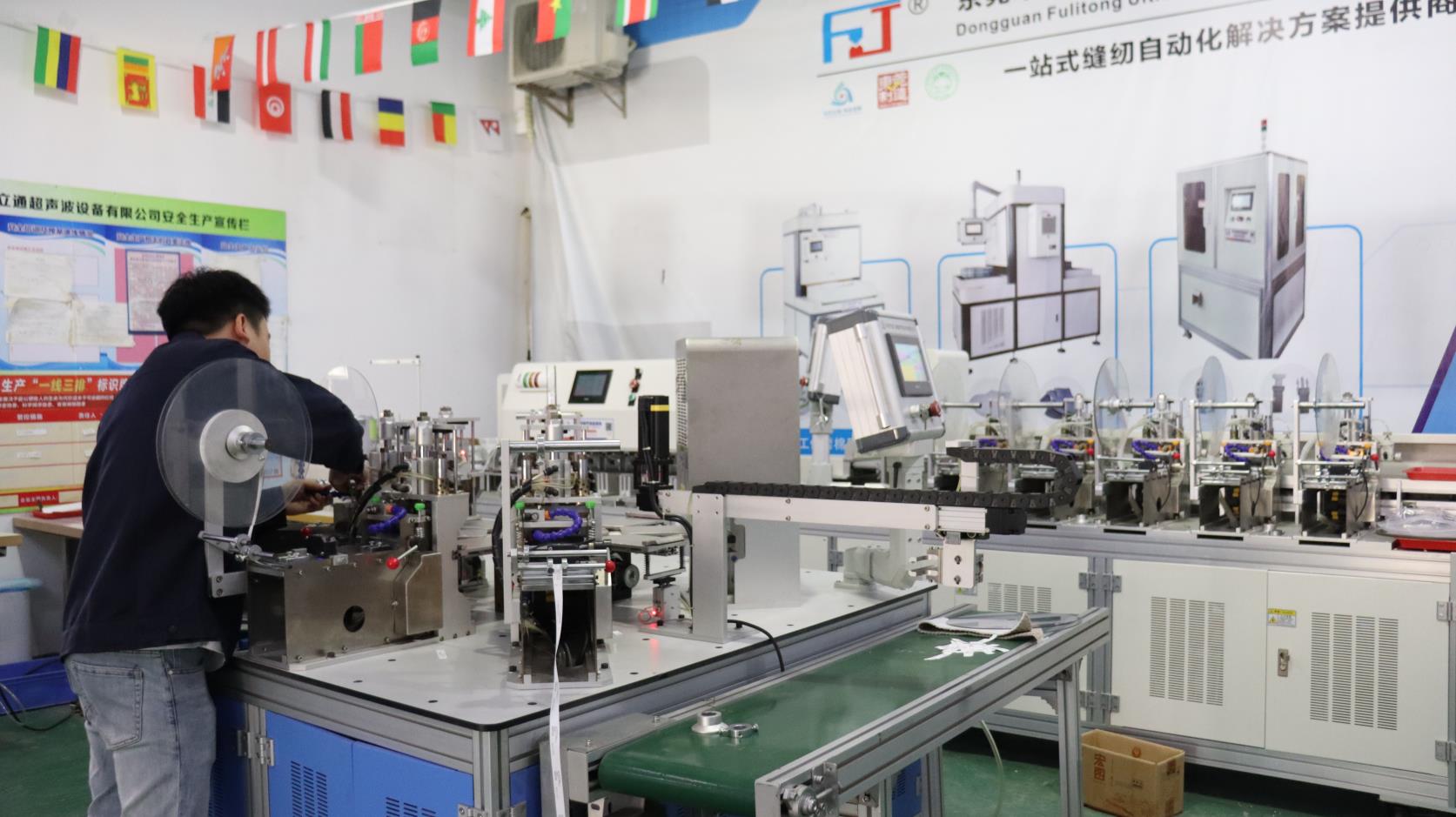
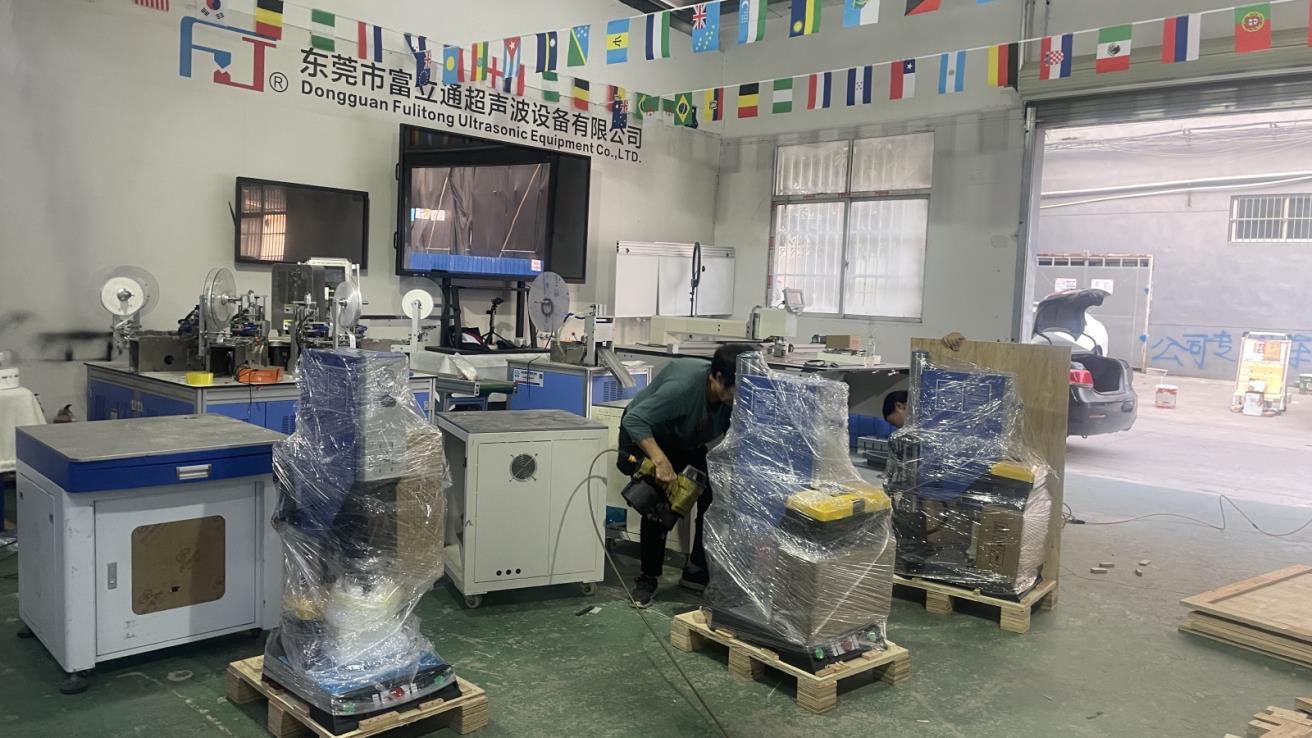
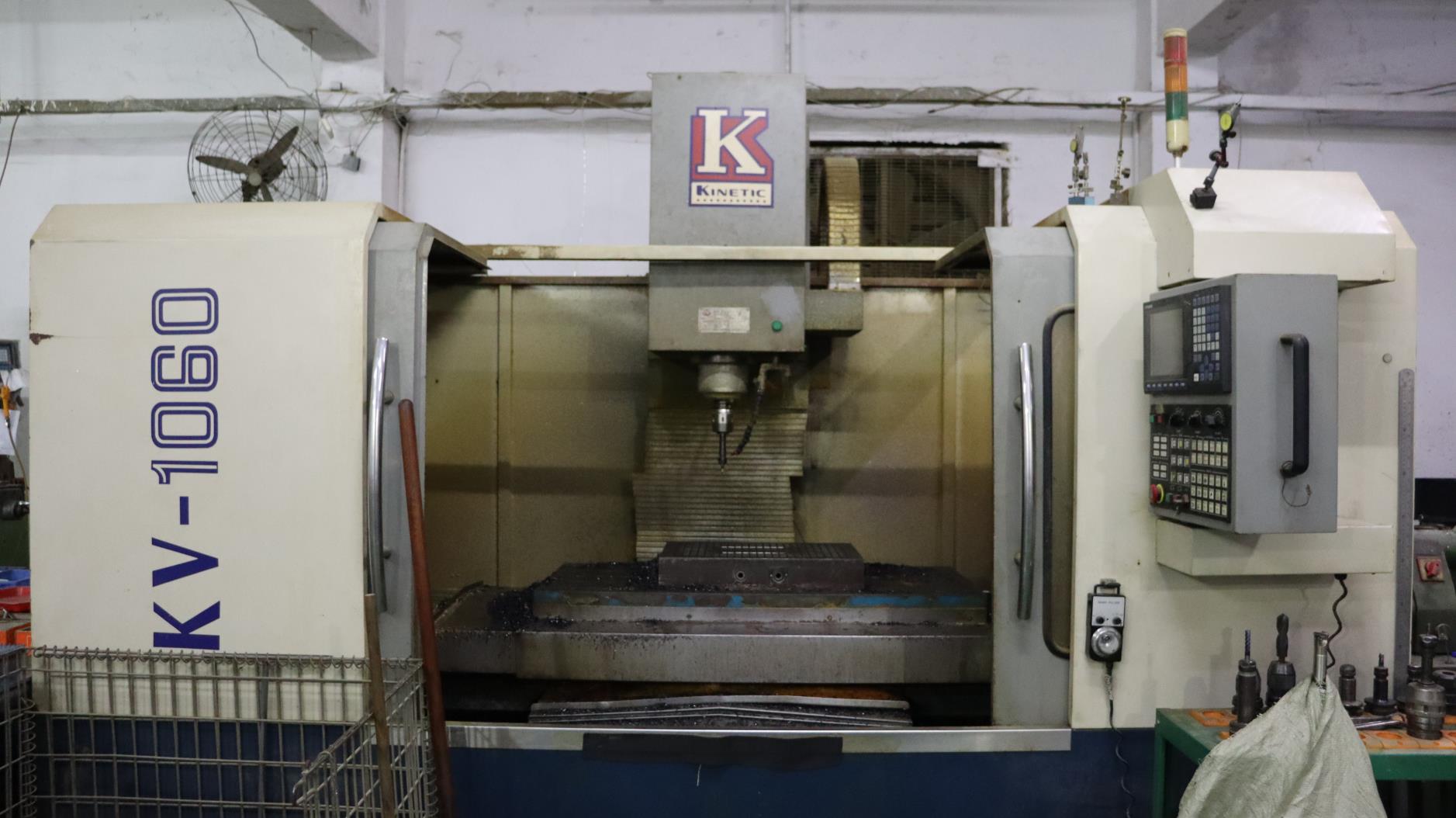
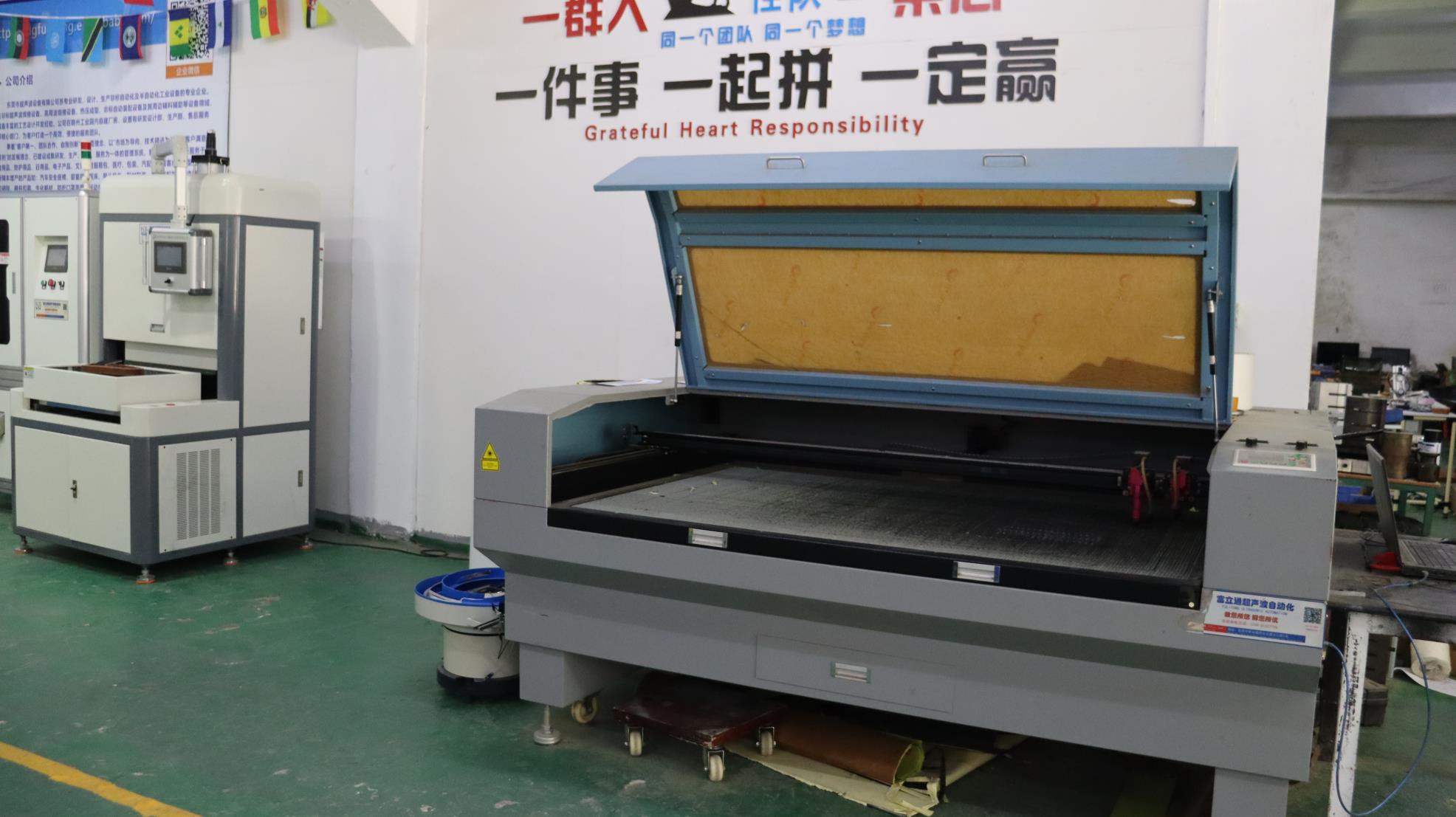
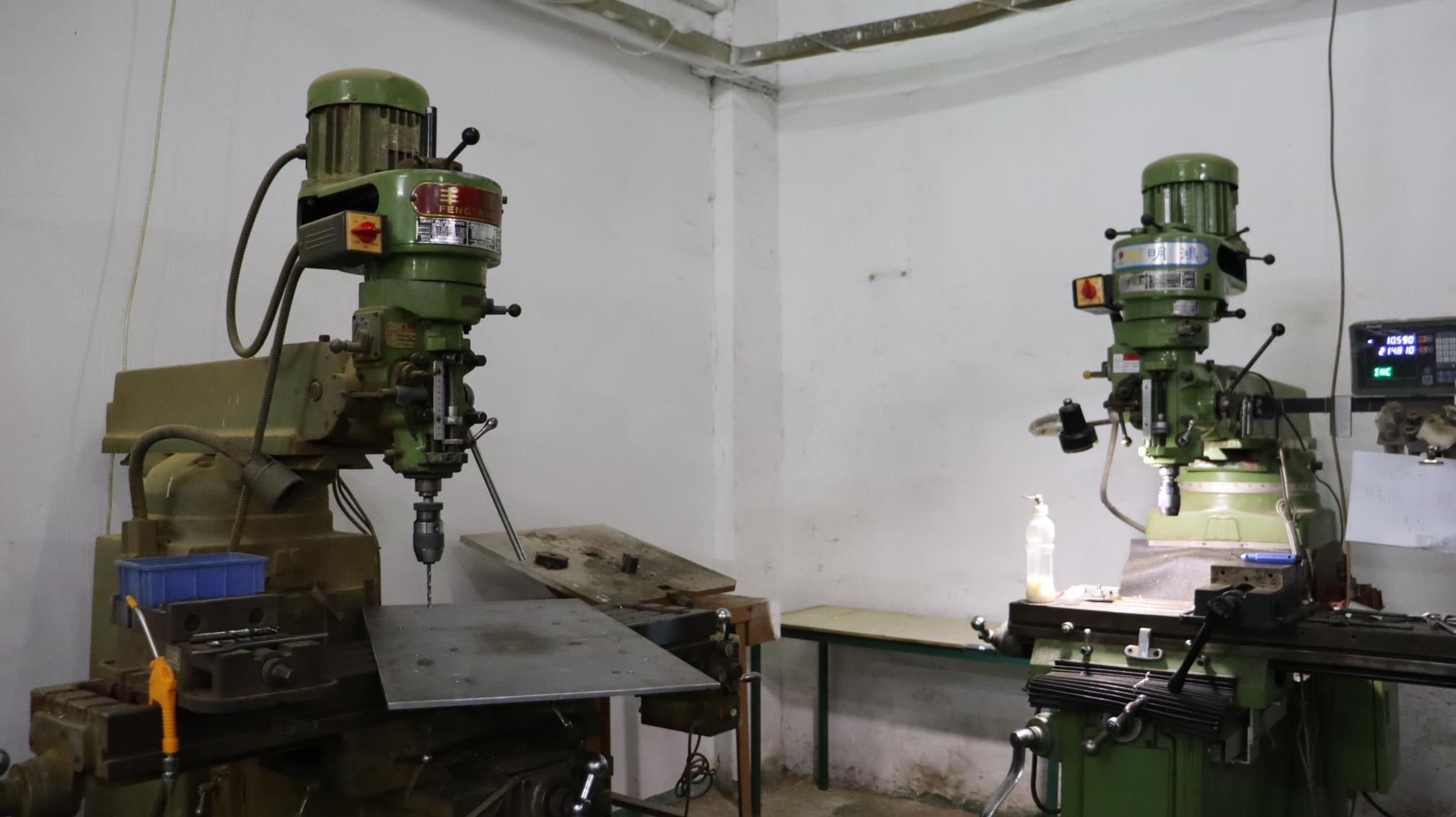
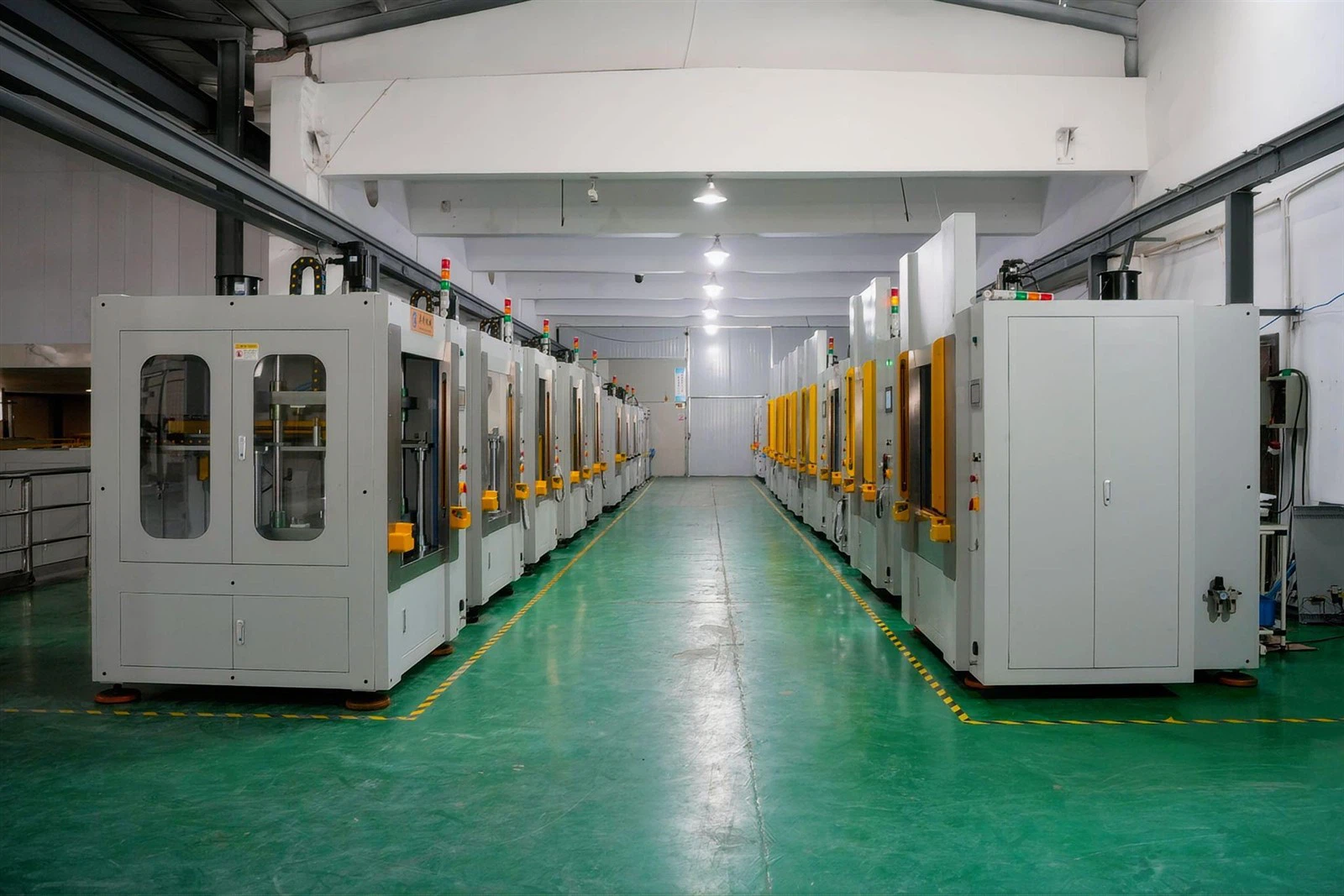
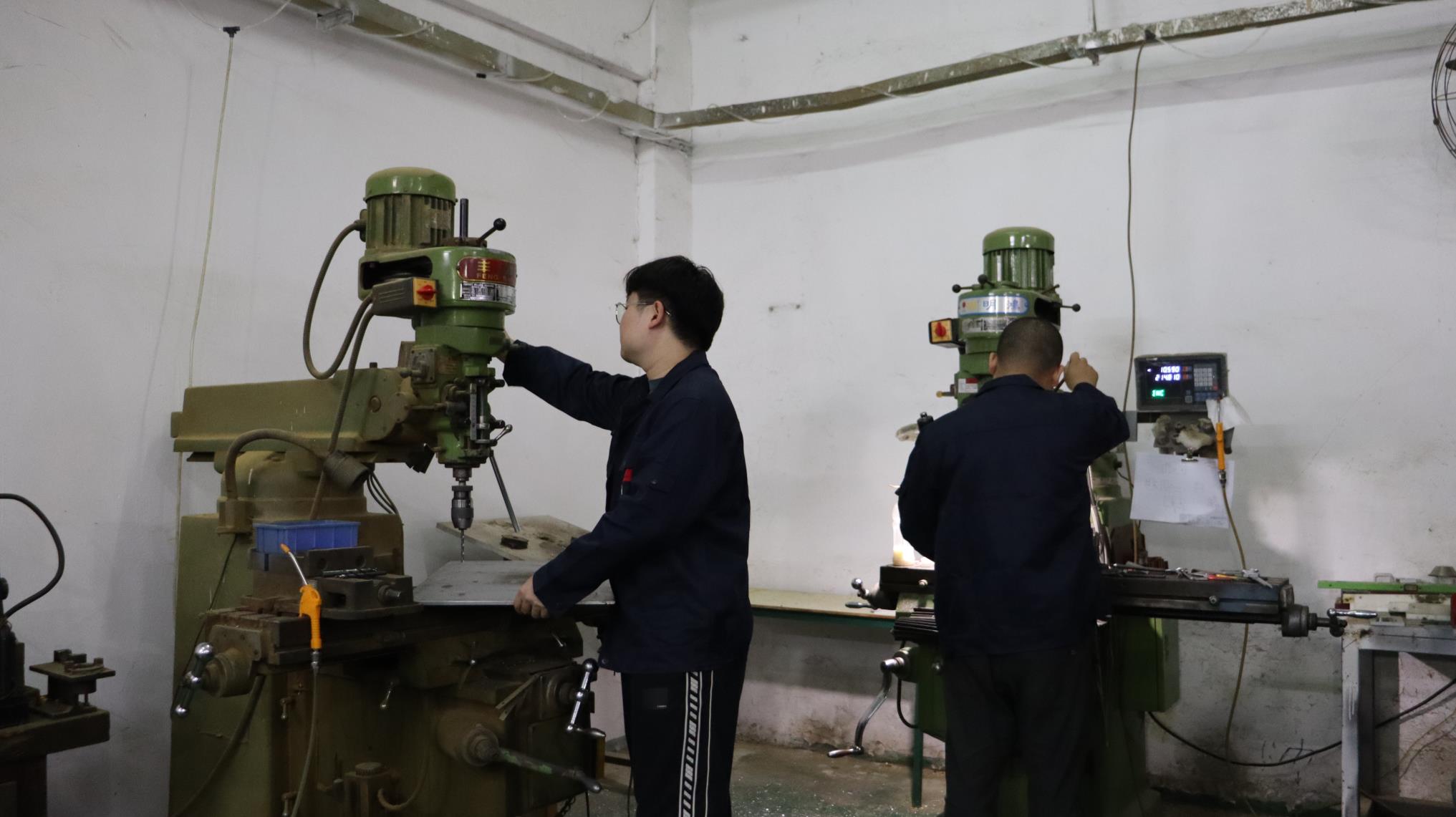
Zhejiang Heping Mechanical Equipment Co., Ltd. stands as a benchmark of engineering authority and reliability. Our facilities span a comprehensive 7,000 square meter complex dedicated to plastic welding, research & development design, trial manufacturing, and sales. With years of empirical industrial data behind us, we hold 6 utility model patent certificates (including patent numbers ZL202420005404.9, ZL202420005354.4, ZL202420005309.9, and ZL201921574530). This highlights our commitment to continuous design innovation.

Our manufacturing workspace features specialized engineering zones designed to guarantee production quality from blueprint to finished assembly:
Seamless Export Delivery, Support & EAC Customs Integration

Exporting mechanical heavy machinery to East Africa demands technical competence and strict compliance with local customs codes and standard frameworks. Zhejiang Heping has developed an end-to-end global supply chain architecture designed to minimize administrative friction and transport delays for Rwandan industrial buyers:

  • EAC Standards Harmonization: Our production designs are tailored to align with the Rwanda Standards Board (RSB) safety codes as well as East African Community (EAC) machinery safety directives.
  • Port Logistics & Transit Routes: We provide structured freight forwarding utilizing the primary transport corridors. Equipment is dispatched via maritime freight to the ports of Dar es Salaam (Tanzania) or Mombasa (Kenya), and transported via the Central/Northern corridors directly to Kigali.
  • Customs Cleared documentation: Complete provision of certificates of origin, detailed Bill of Lading, clean inspections certificates, and mechanical structural reports to ensure hassle-free clearance through local customs desks.
  • On-Site Commissioning Support: Beyond delivery, our high-quality engineering team is available for remote coordination or on-site configuration, debugging, and employee safety training to guarantee optimized machine output.

Tailored Design Features

We possess strong capabilities in the design, R&D, and manufacture of customized, non-standard mechanical systems built to match your space constraints and voltage requirements.

Impeccable QA Inspection

Our quality verification processes ensure high vibration frequency stability, solid-state clamping accuracy, and reliable structural integrity across all delivered machines.

Professional Support Network

We employ a dedicated group of high-quality, skilled, and experienced technical support specialists to provide engineering help and prevent unexpected system downtime.

Technological Roadmap: Industry 4.0 Integration

As smart manufacturing processes expand globally, Zhejiang Heping is designing the next generation of industrial equipment with embedded intelligence. Our development roadmap focuses on bringing smart control capabilities directly to East African operations:

Predictive Maintenance Integration: Future iterations of our linear vibration welding units and mining screens will feature integrated sensor modules. These arrays detect anomalies in vibration patterns, mechanical frequency drift, and structural wear, alerting maintenance staff before machine failures occur.

Energy Recovery Mechanics: With rising energy costs in developing economies, we are focusing on improving energy efficiency. By utilizing dual-mass kinetic balancing systems in our screens, we reduce motor energy draw by up to 22% while maintaining identical processing output.

Frequently Asked Questions

What is the typical shipping lead time from your factory to Kigali, Rwanda?
Generally, maritime transit from our factory packaging docks to either Dar es Salaam or Mombasa ports takes approximately 30 to 45 days. Local road transit and customs clearance into Kigali takes an additional 10 to 14 days, depending on route conditions. We provide complete tracking and documentation to support this process.
Can your equipment handle specialized voltages standard in Rwanda's industrial zones?
Yes. All mechanical drive units, PLC modules, and power transformers can be custom-configured during the factory assembly phase to match Rwanda's industrial grid standards (typically 380V/400V, 50Hz, 3-Phase power grids), ensuring safe electrical operations without external converters.
Which thermoplastics can be joined using your Linear Vibration Friction Welding equipment?
Our systems weld a wide range of engineering thermoplastics, including PP, PE, PA (Nylon), ABS, PC, POM, and glass-fiber reinforced formulations. This makes them ideal for structural parts, automotive components, and sealed industrial housings.
What utility patents do you hold for your machinery?
We hold 6 active utility model patent certificates under China's State Intellectual Property Office (including ZL202420005404.9, ZL202420005354.4, and ZL201921574530). These patents protect our innovations in vibration dampening, power conversion efficiency, and structural safety.
Do you support customized screen sizing for specific mineral classification in Rwanda?
Yes. We design and manufacture non-standard dewatering and screening media tailored to target minerals like coltan, cassiterite, and gold slurry. You can select polyurethane or stainless-steel wire meshes with apertures optimized for your mine's particle size distribution.

Optimize Your Factory Production Capabilities Today

Get in touch with our engineering team for detailed technical quotes, custom mechanical blueprints, and export container pricing to Rwanda.

Send Inquiry Now