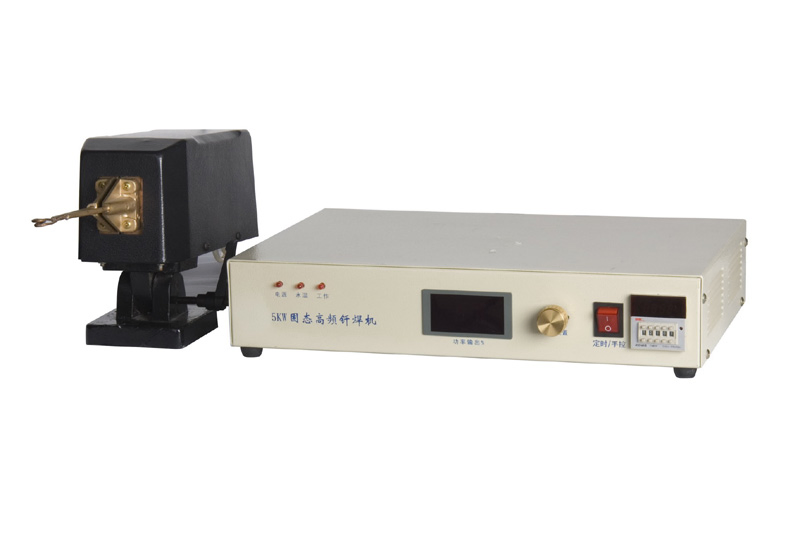
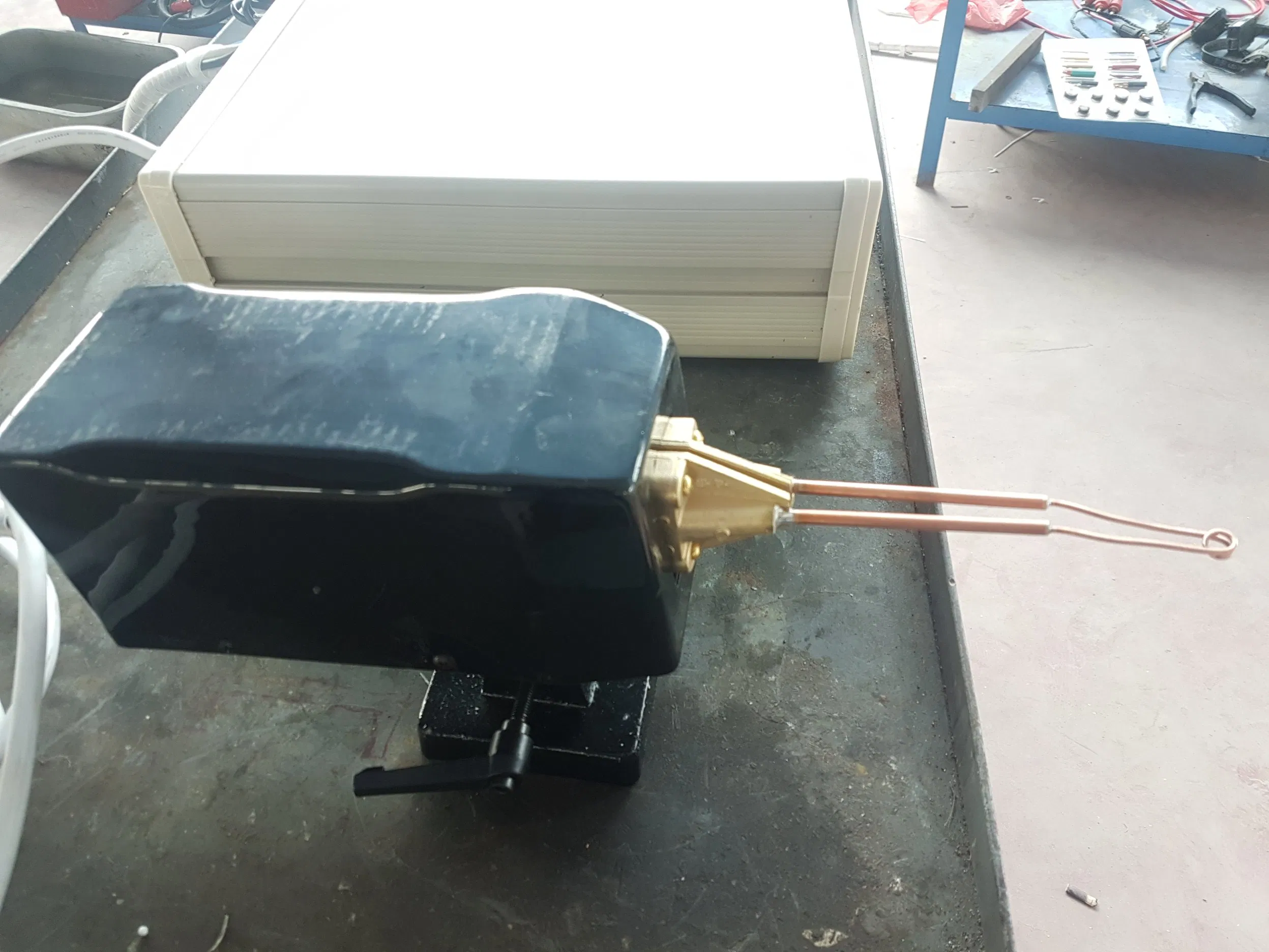
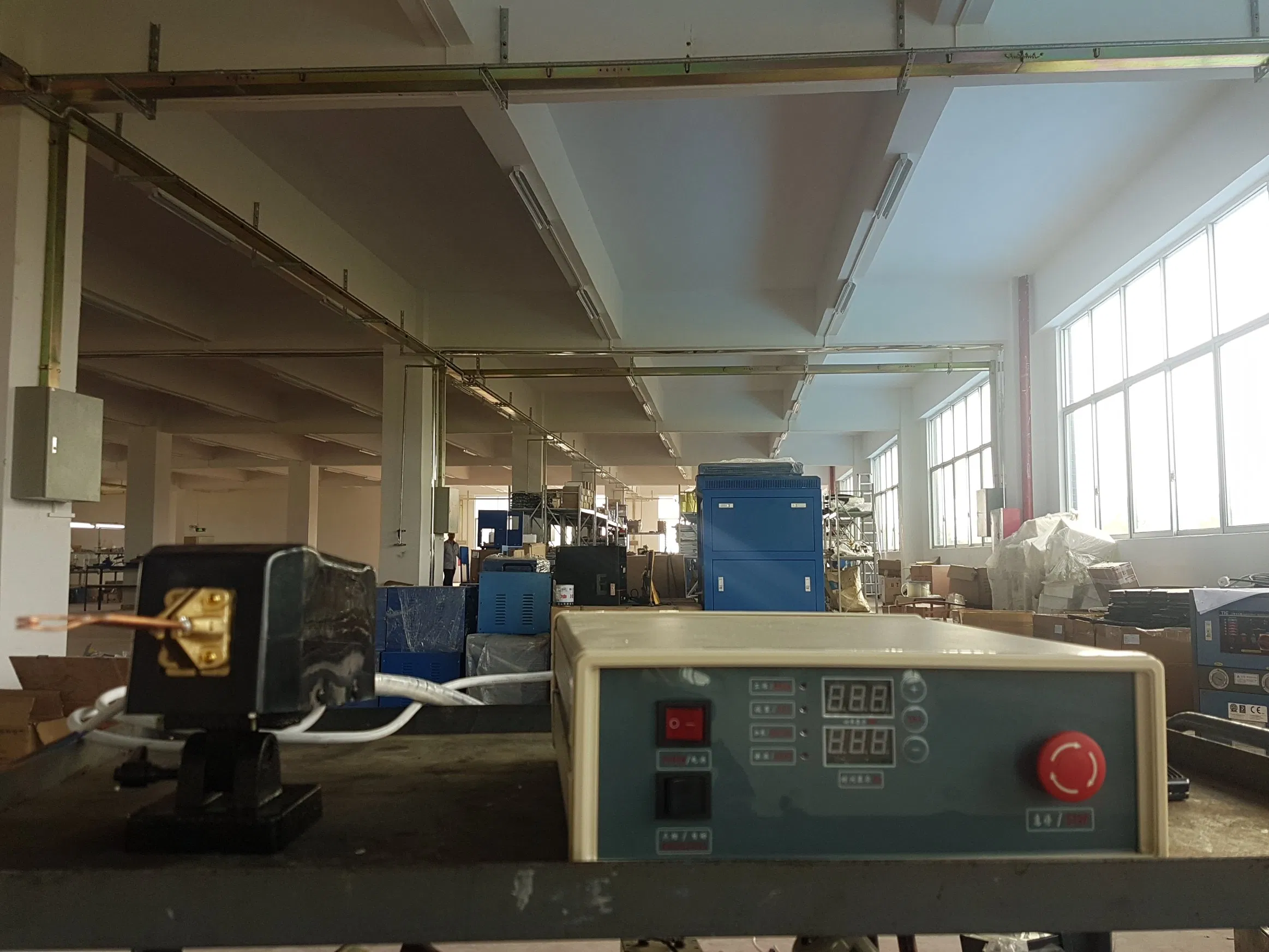
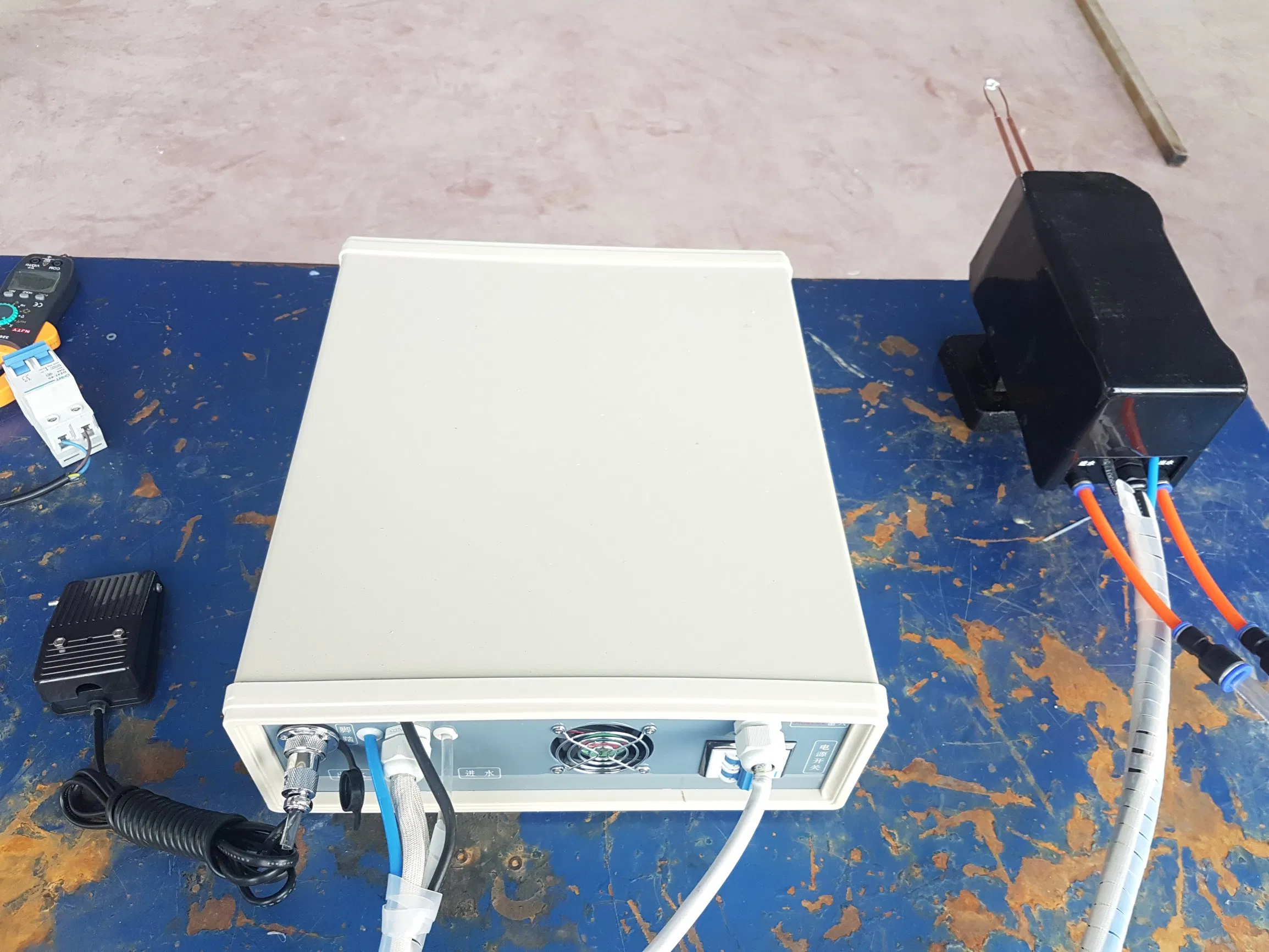
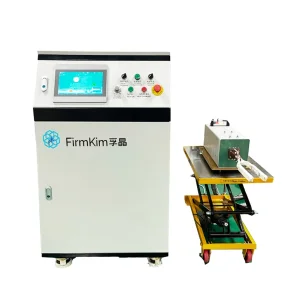
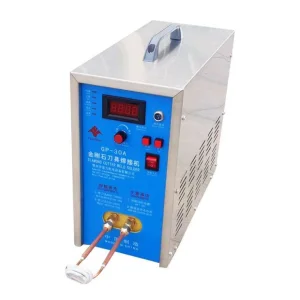
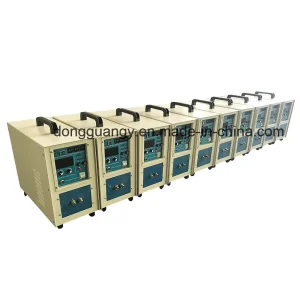
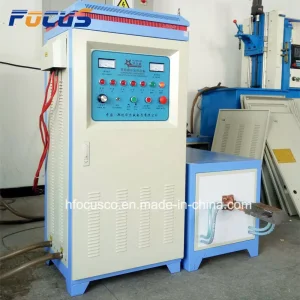
Product Performance & Features
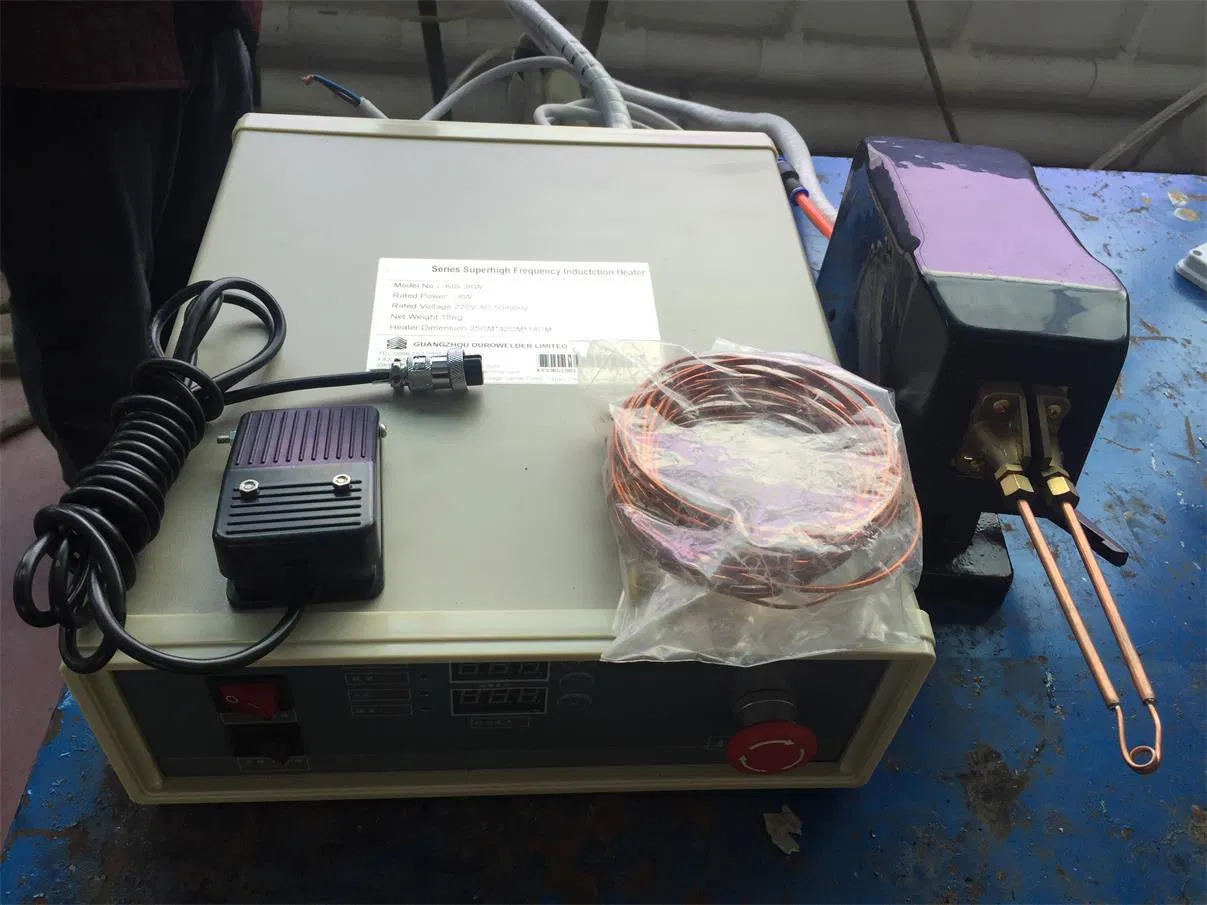
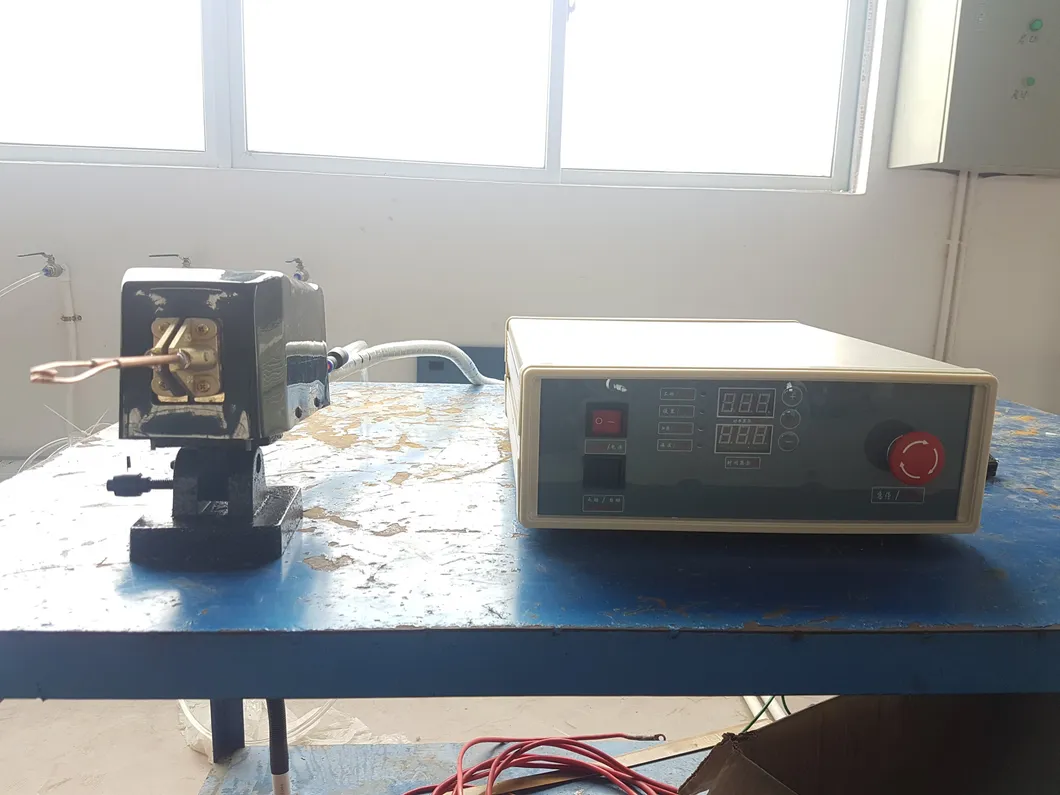
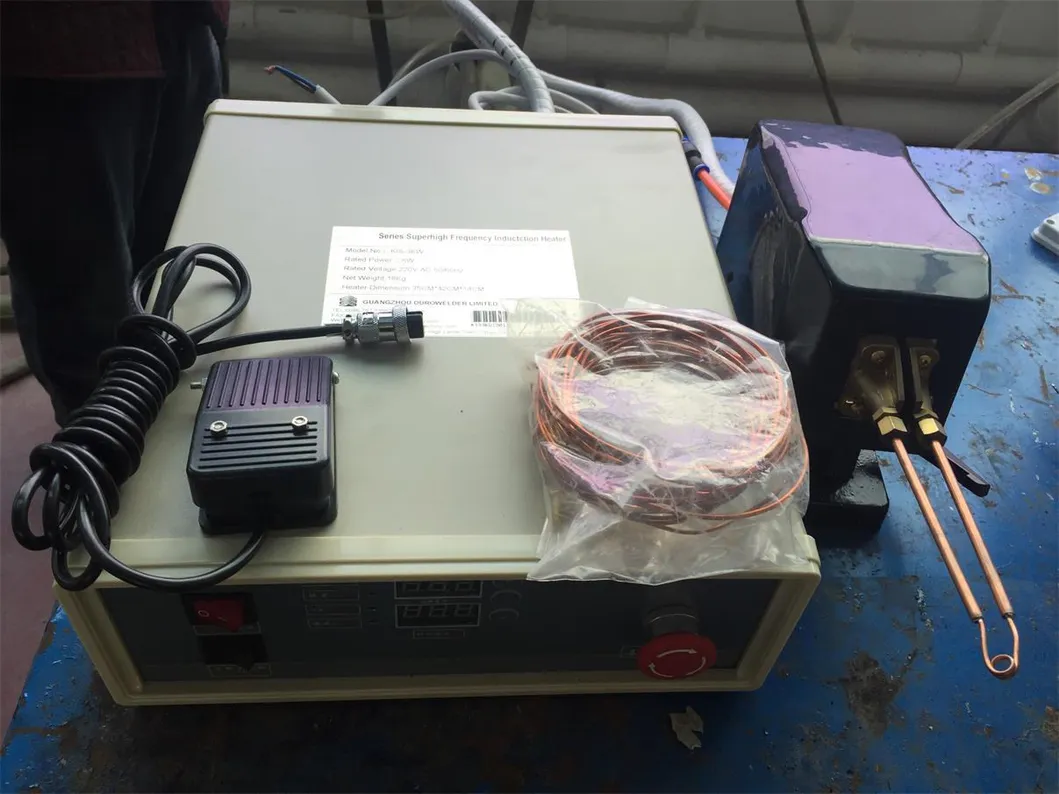
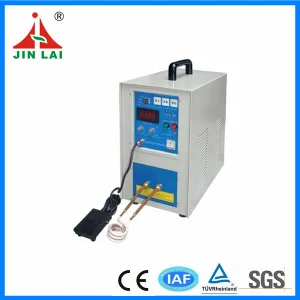
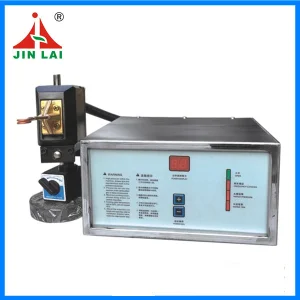
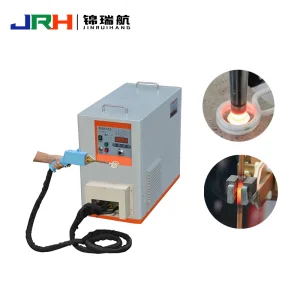
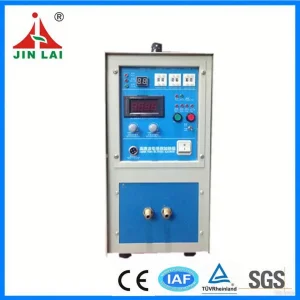
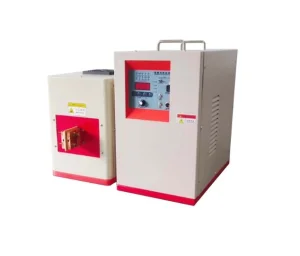
KIS superhigh frequency induction heating equipment features high frequency (minimum heated welding diameter of 0.1mm), small size, light weight, and a low failure rate. It is highly energy-efficient, saving up to 70% of power compared to traditional glass-ceramic vacuum tube equipment. It ensures solid, delicate, and aesthetically pleasing welding points with integral geometric configuration and perfect surface grain. The process maintains a complete crystal structure of the internal metal parts with a limited annealing range.
Wide Range Applications
Welding of big and small gears of hard alloy saw blade
Welding and annealing of spectacle frame and fitting
Welding of jewelleries, clock and watch components
Electric industry: Tin and silver soldering of fine wires and electronic elements
Electromechanical industry: Silver and braze welding of metal joints, quench tempering for mini motor shafts
Wire material industry: Annealing of wire material and sheet bands
Welding of cutting tools and tempering for paper cutters and shoe blades
Toy industry: Tempering for wind springs and thin metal sheets
Frequently Asked Questions
What are the primary energy-saving benefits of this equipment?
The KIS series can save up to 70% of power consumption compared to traditional glass-ceramic vacuum tube high-frequency heating equipment.
What is the minimum welding diameter supported?
Due to its superhigh frequency capabilities, it can handle a minimum heated welding diameter of just 0.1mm.
Which industries typically use the KIS series?
It is widely used in eyeglasses manufacturing, jewelry, electronics, electromechanical industries, and the production of small relays and toys.
Does the machine require specific cooling conditions?
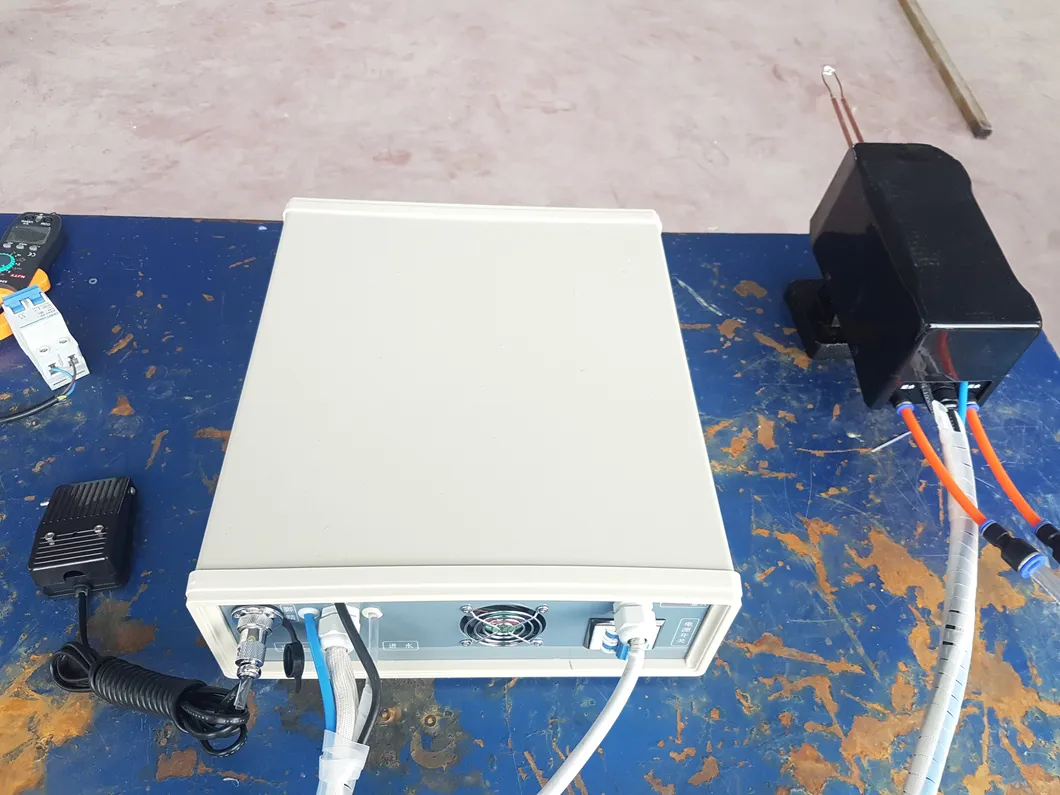
Yes, it requires cooling water with a temperature under 40ºC and specific pressure depending on the model (ranging from 0.2Mpa to 0.5Mpa).
Can this equipment run continuously?
Yes, all models in the KIS series feature a 100% duty cycle, allowing for continuous industrial operation.
How is the welding quality compared to other methods?
It provides a very solid welding point that is delicate in appearance, maintaining the internal crystal structure of the metal with minimal annealing range.
 Heping Mechanical