In the era of automated logistics and stringent food safety protocols, heat seal packaging machines serve as the backbone of global supply chain integrity. As markets transition from traditional plastics to sustainable barrier materials, sealing technology has experienced a paradigm shift. Modern manufacturing calls for micro-processor precision, energy efficiency, and dynamic sealing profiles capable of adapting to varying film densities.
With the rise of bio-plastics, mono-materials, and recyclable barrier papers, sealing machines must control temperature within a strict ±1°C window to prevent burns while ensuring hermetic seals.
Integration of thermal imaging cameras and pressure transducers allows high-speed continuous packaging lines to auto-reject micro-leaks, ensuring zero-defect output for medical and food clients.
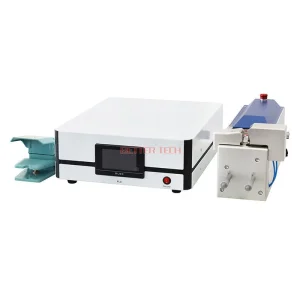
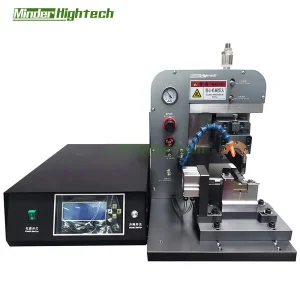
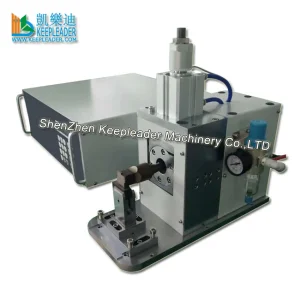
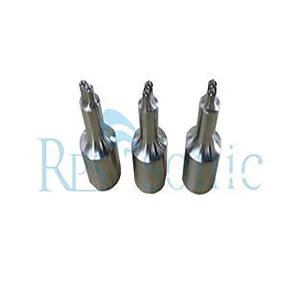
For products sensitive to thermal transfer, ultrasonic sealing utilizes high-frequency acoustic friction to weld materials from within, bypassing external heat plates and saving energy.
To assist global procurement managers in selecting reliable machinery, we have evaluated the top 10 players based on custom R&D expertise, manufacturing scale, export footprints, and patent counts.
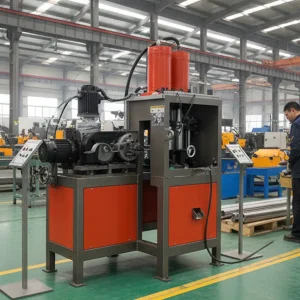
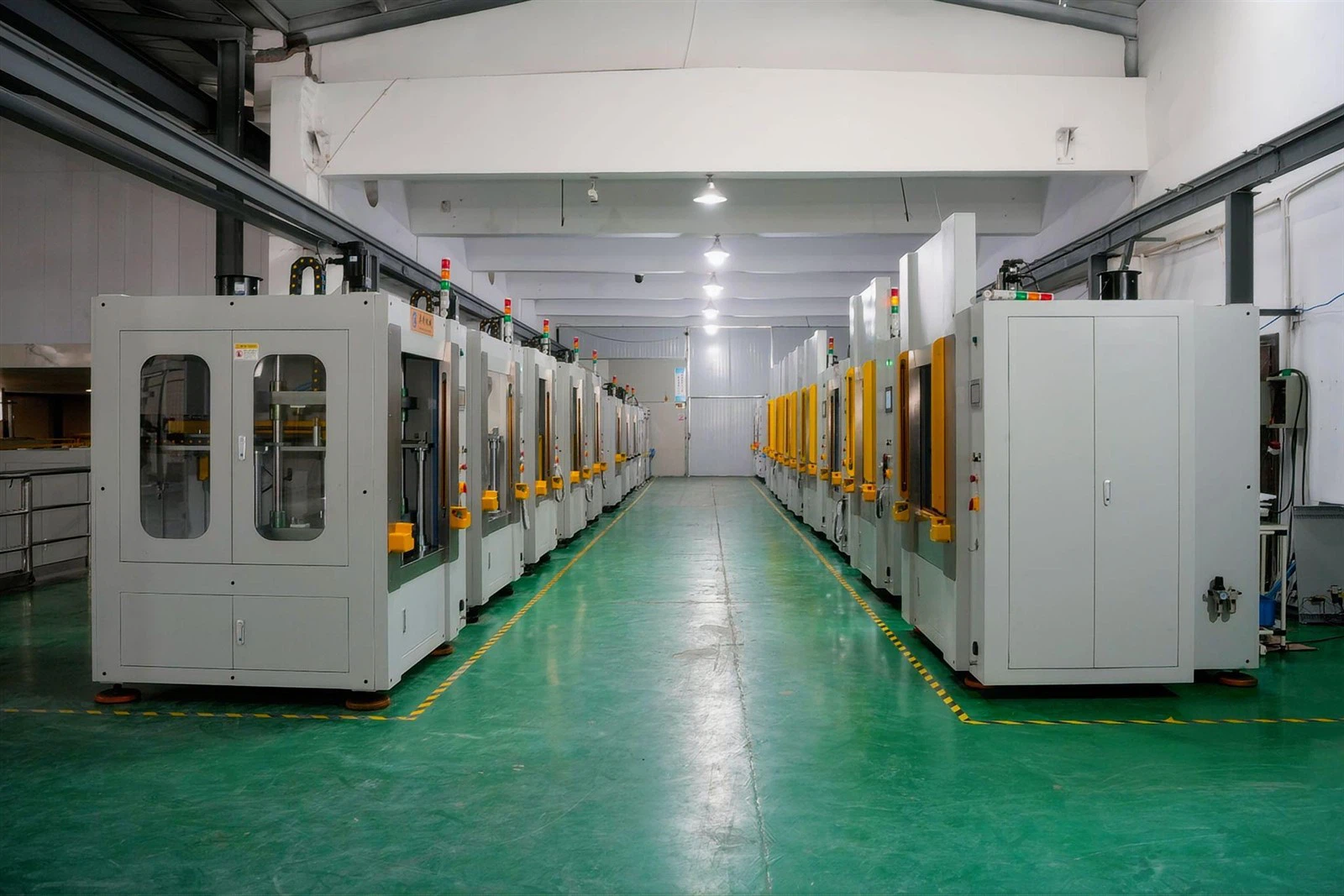
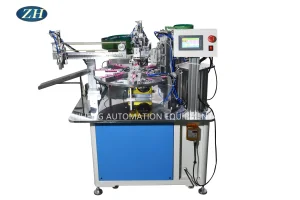
Integrating advanced plastic welding, non-standard mechanical automation R&D, and complete sales-service infrastructure. Operating a state-of-the-art 7,000 m² factory.
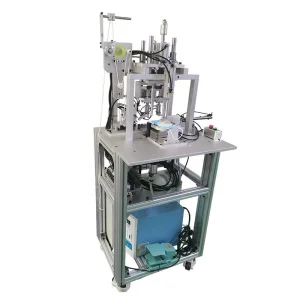
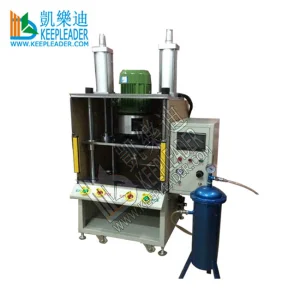
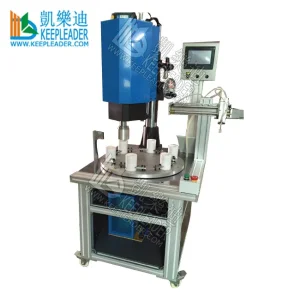
Zhejiang Heping stands out for its high precision custom tooling and heavy industrial structural reliability. Holding 6 national utility patents (including ZL202420005404.9, ZL202420005354.4, ZL202420005309.9), they design and construct bespoke non-standard rotary, ultrasonic, and spin welding setups for global automotive, biomedical, and consumer products packaging.
Renowned globally for high-speed continuous vertical and horizontal flow wrappers. Syntegon excels in food, confectionery, and pharmaceutical heat sealing lines featuring patented hermetic integrity verification.
The gold standard in thermoforming vacuum sealing machinery. Multivac specializes in tray sealers and chamber systems, delivering robust solutions for food freshness and medical tray packaging worldwide.
A pioneer in weighing and packaging integration. Ishida provides high-speed vertical form-fill-seal (VFFS) systems that integrate advanced hot-bar technology to deliver reliable seals at over 120 bags per minute.
Highly regarded for wrapping machinery using horizontal flow wrappers. Fuji incorporates intelligent control panels that self-adjust heater block pressure dynamically based on film resistance feedback.
Leaders in shrink film technology and specialized vacuum shrink sealers. Famous for proprietary barrier materials coupled with high-durability thermal impulse sealers for bulk food proteins.
India's largest multinational flexible packaging manufacturer. Uflex designs structural bag-makers and pouches converters with integrated multi-zone heating blocks for optimal high-volume packaging.
Specializing in horizontal pouch packaging (HFFS) and stand-up pouches with zippers. Volpak's heat sealing setups excel in handling complex gussets and dynamic top-seals.
Part of the IMA group, Ilapak offers MAP (Modified Atmosphere Packaging) horizontal flow-wrappers with advanced continuous sealing jaws designed for complex gas-flush applications.
Specializing in validatable tabletop impulse and band sealers. Highly valued by medical and laboratory procurers looking for strict conformance to European sanitary and cleanroom standards.
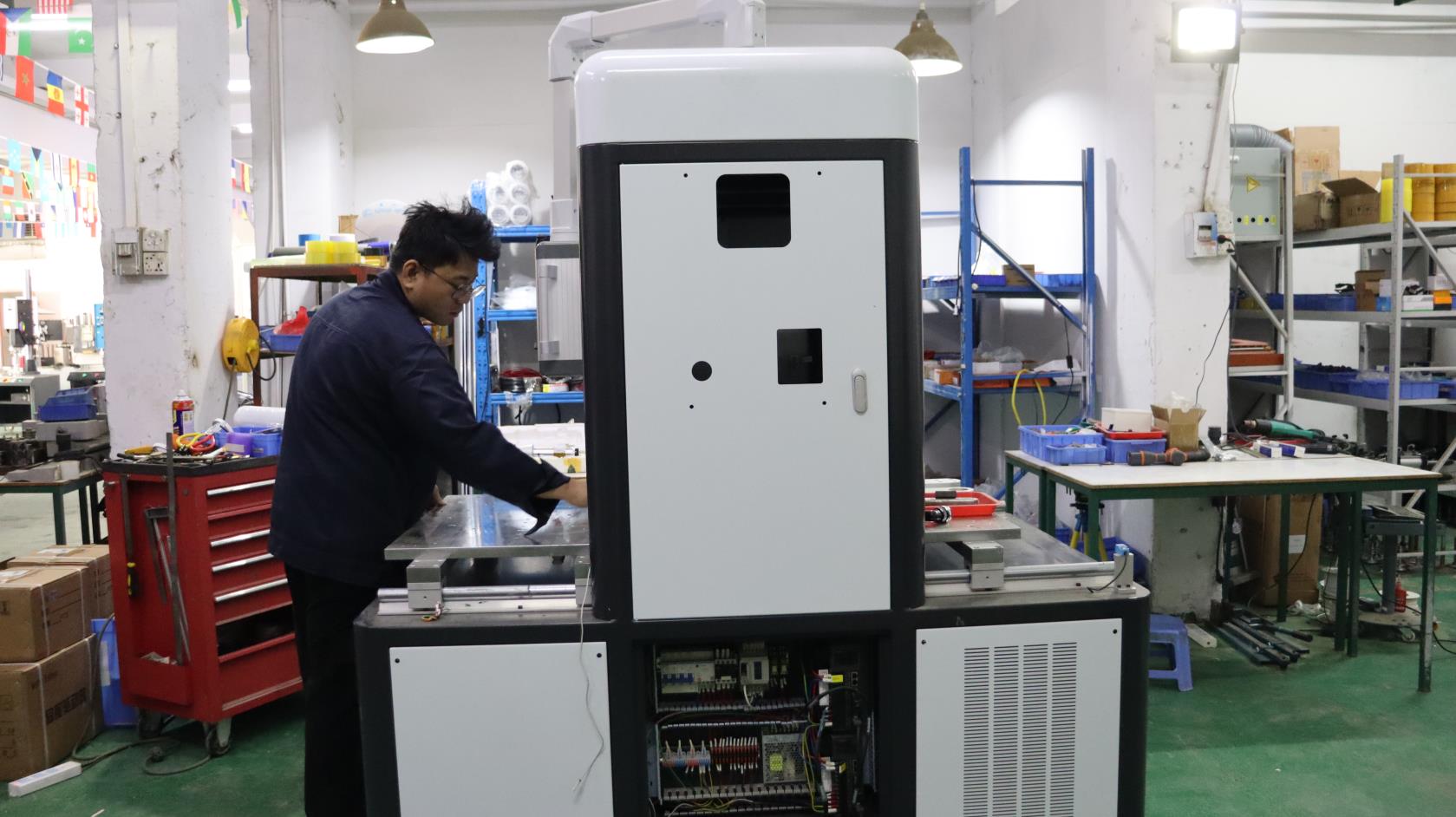
Zhejiang Heping Mechanical Equipment Co., Ltd. is a premium engineering enterprise integrating plastic welding, R&D design, CNC manufacturing, and global technical exports. Covering a modern factory building area of 7,000 square meters, we supply custom automation systems built to withstand decades of rigorous operation.
We possess strong capabilities in the design, R&D, and production of non-standard mechanical products. We customize complex tooling and automated material feeds based on exact thermodynamic calculations and customer-specified films.
We strive to let customers share our core advantages—high quality, excellent service, and impeccable welding performance—when purchasing our products, enabling you to operate without worries in the highly competitive global market.
We have a team of high-quality, skilled, and experienced engineering and technical personnel. We provide customers with more professional, efficient, and comprehensive after-sales service to solve production-related concerns and logistics issues.
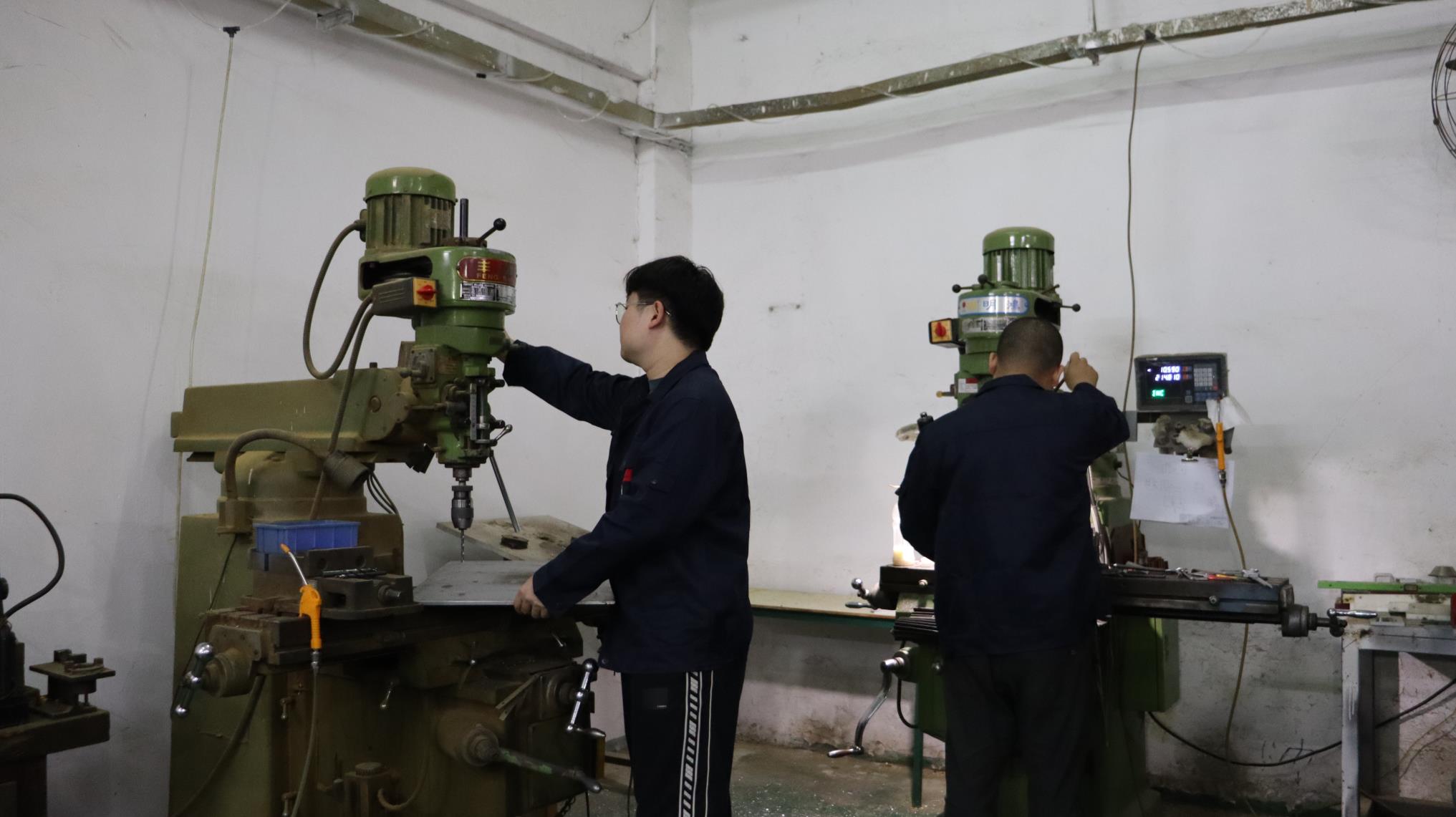
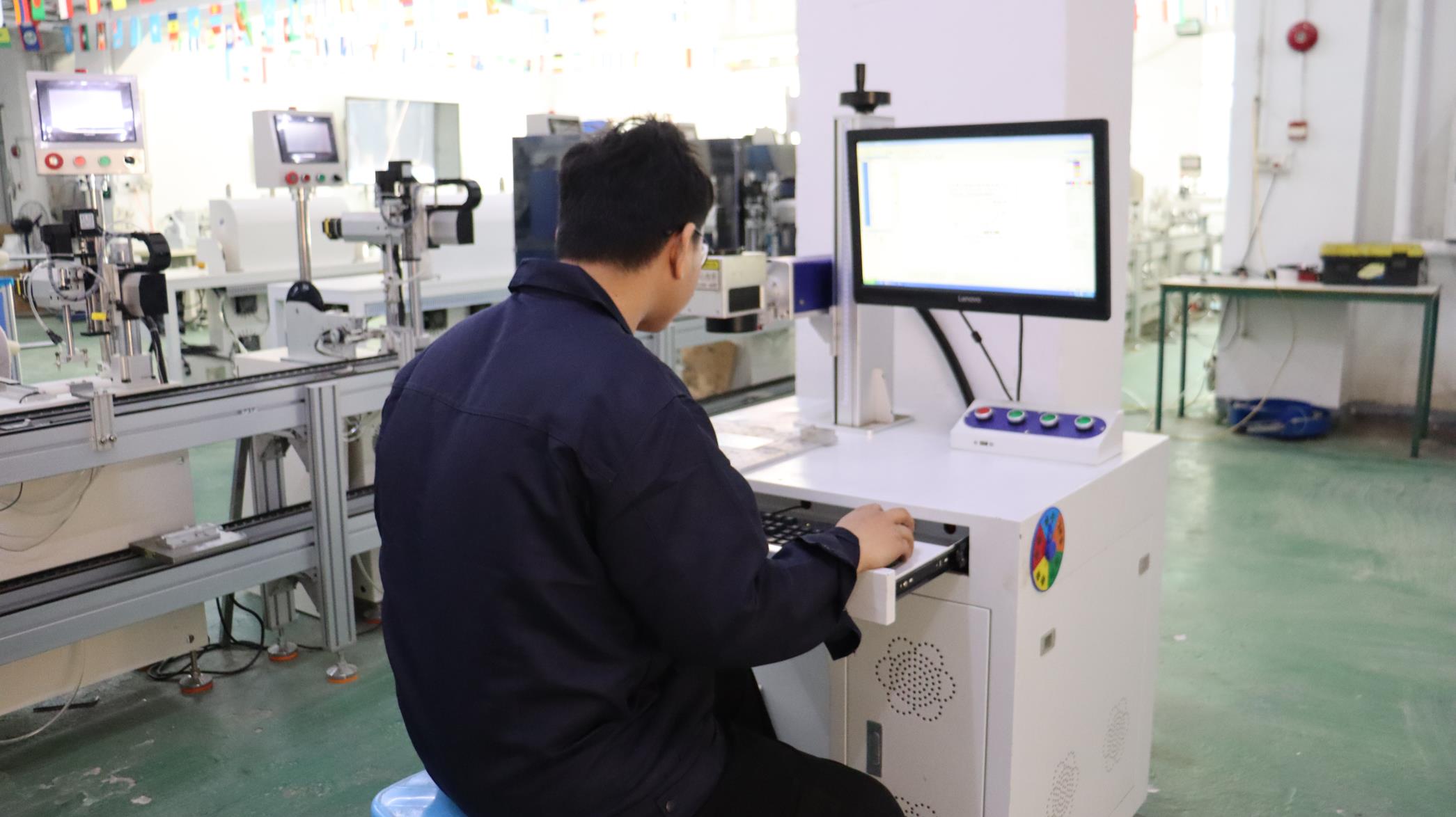
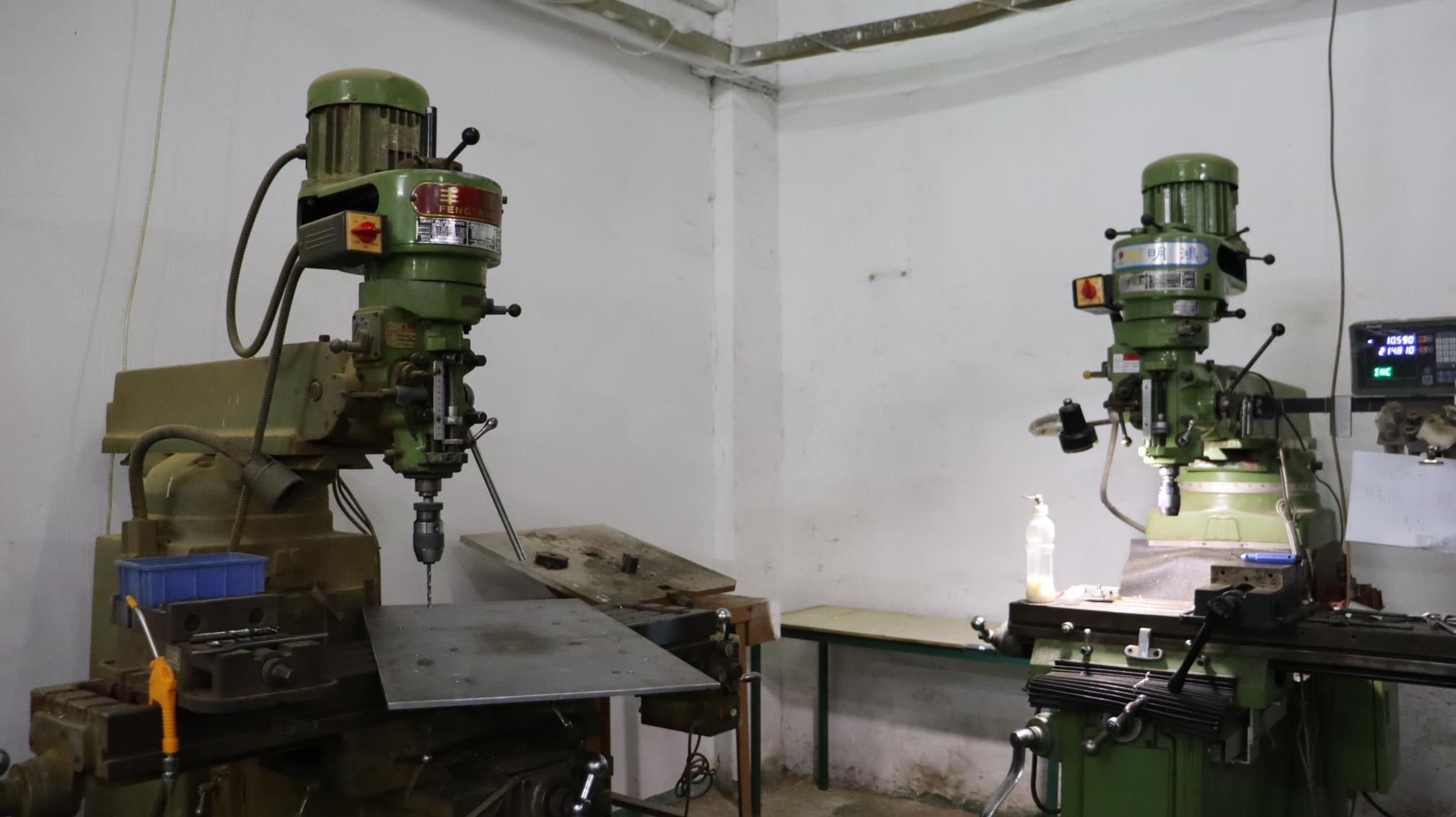
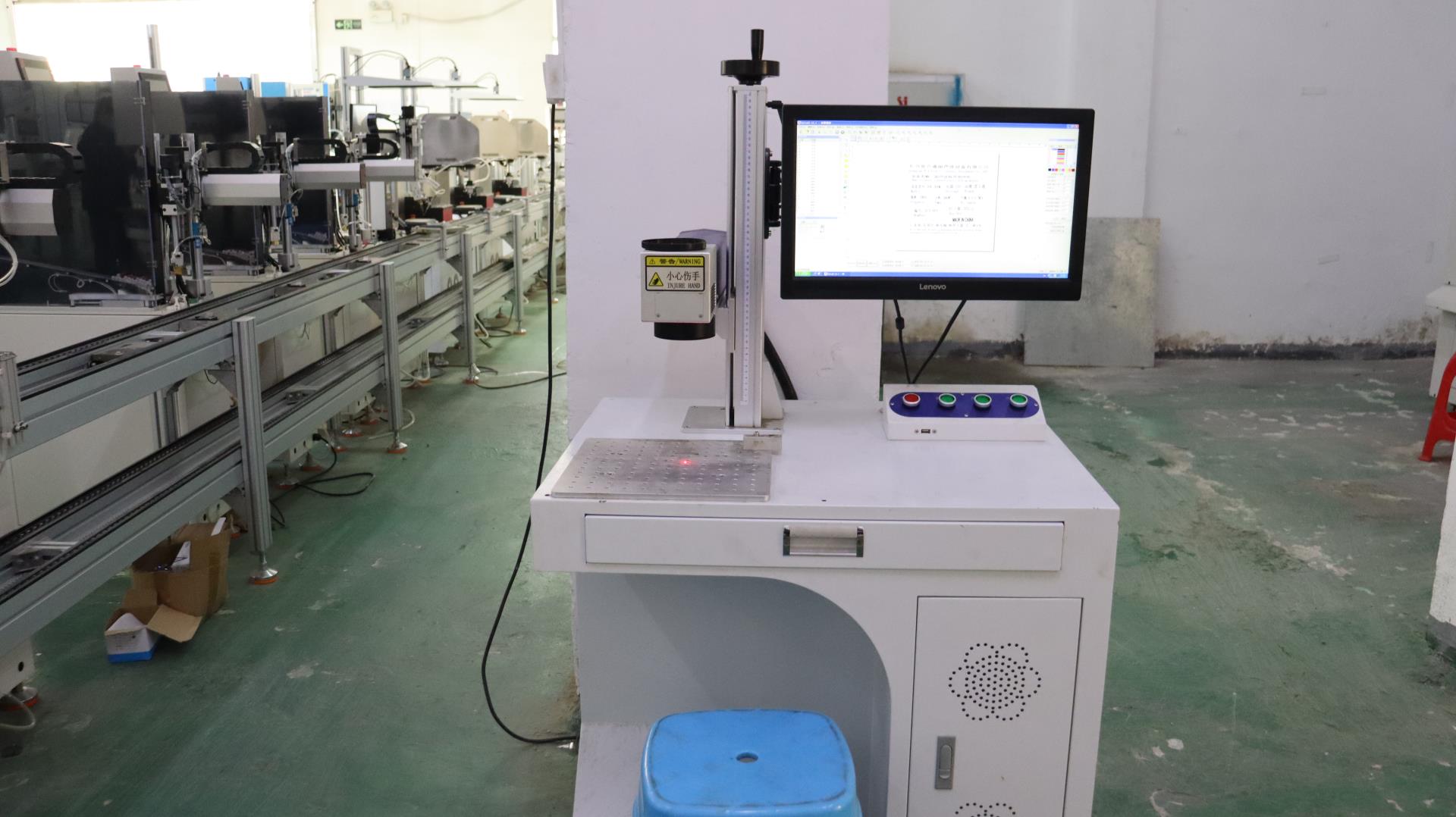
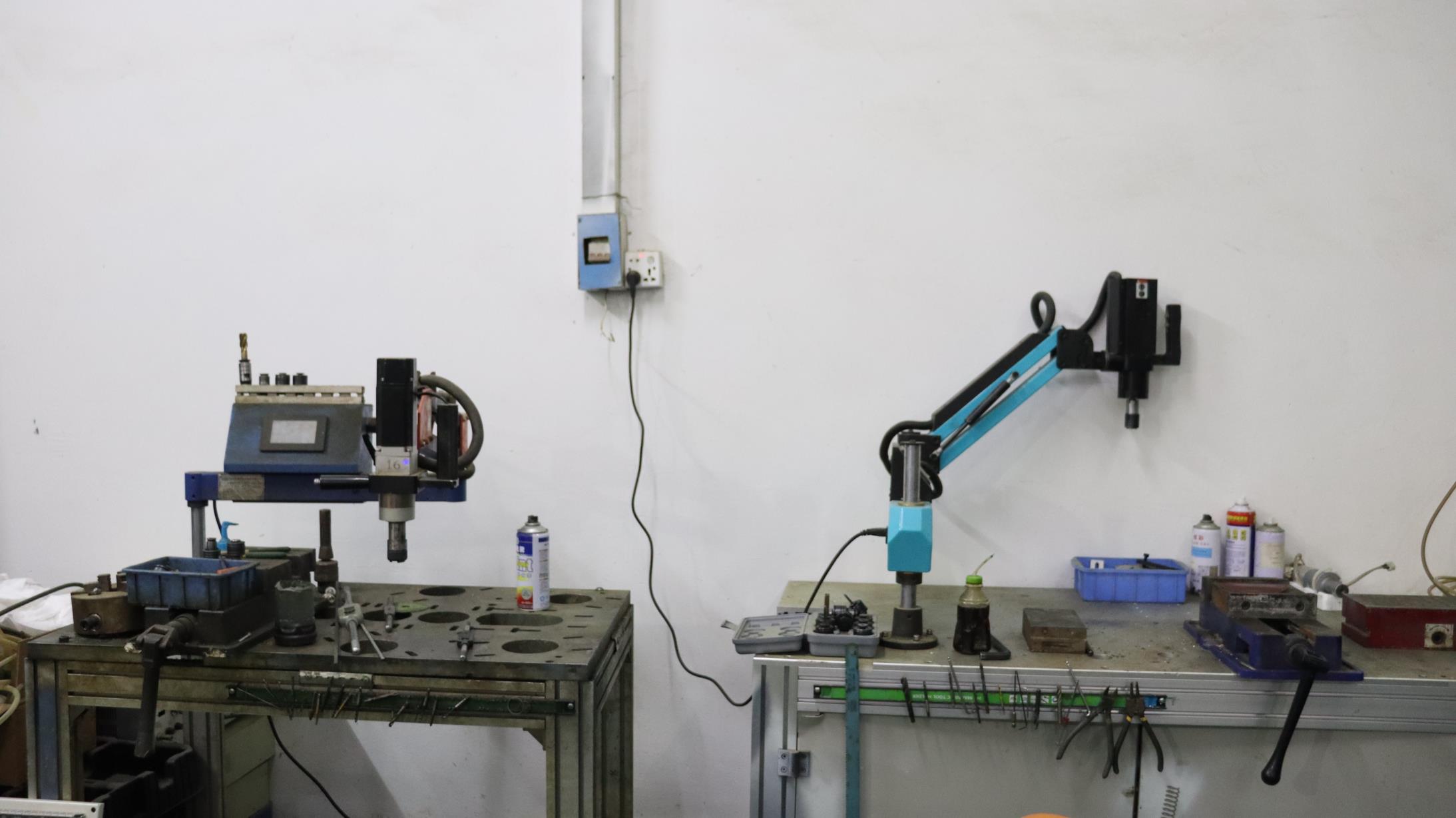
Our facility is fully equipped with high-precision CNC setups, heavy milling units, laser engraving machines, and validation test stands to guarantee that every non-standard automation line runs flawlessly before dispatch.
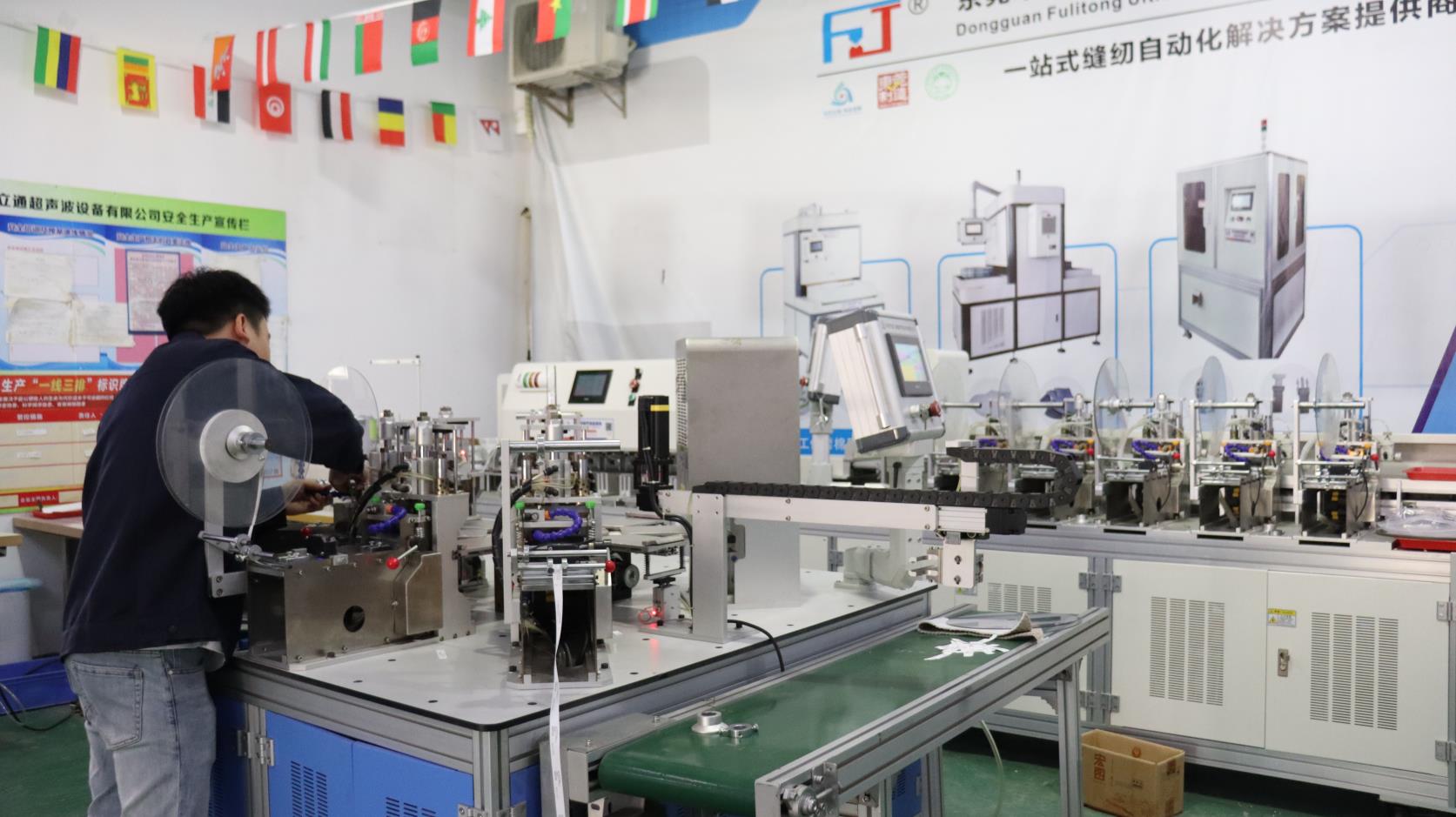
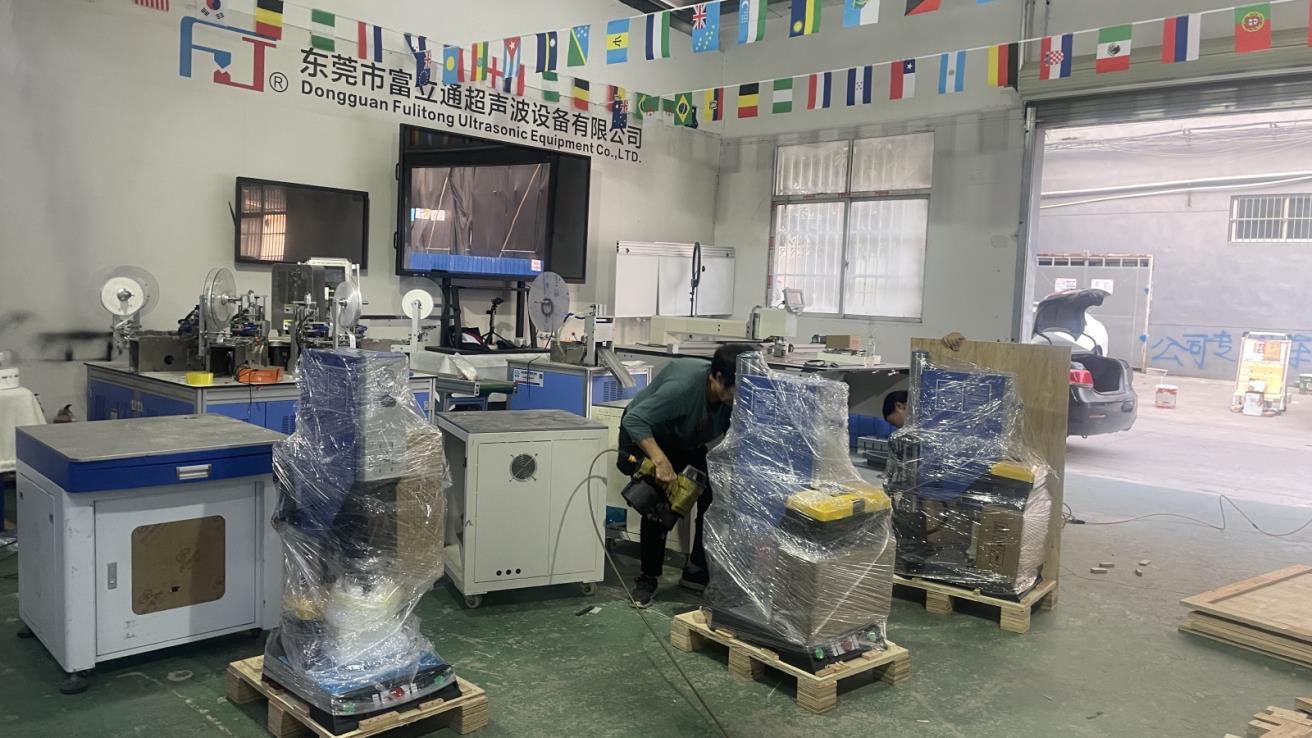
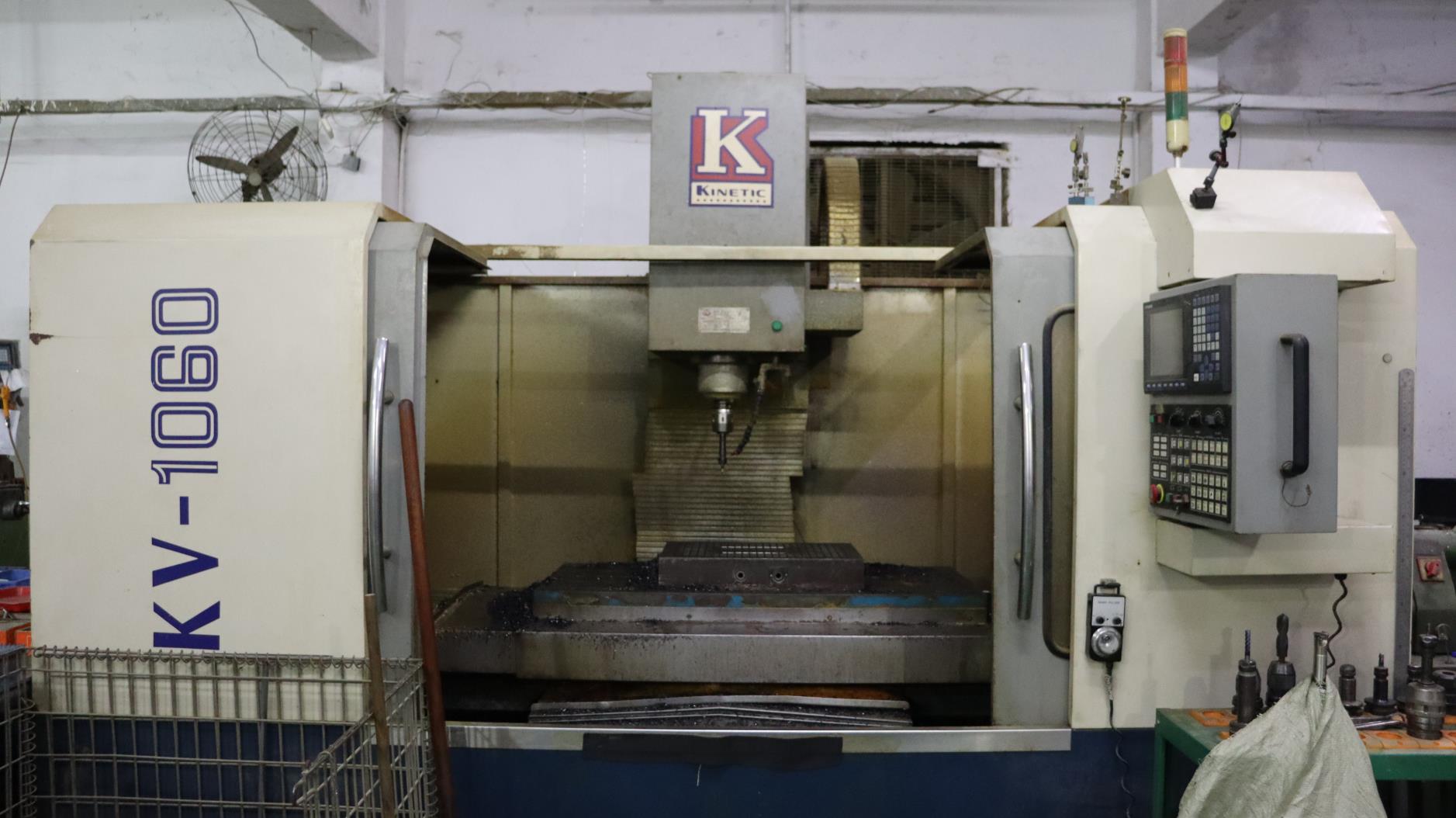
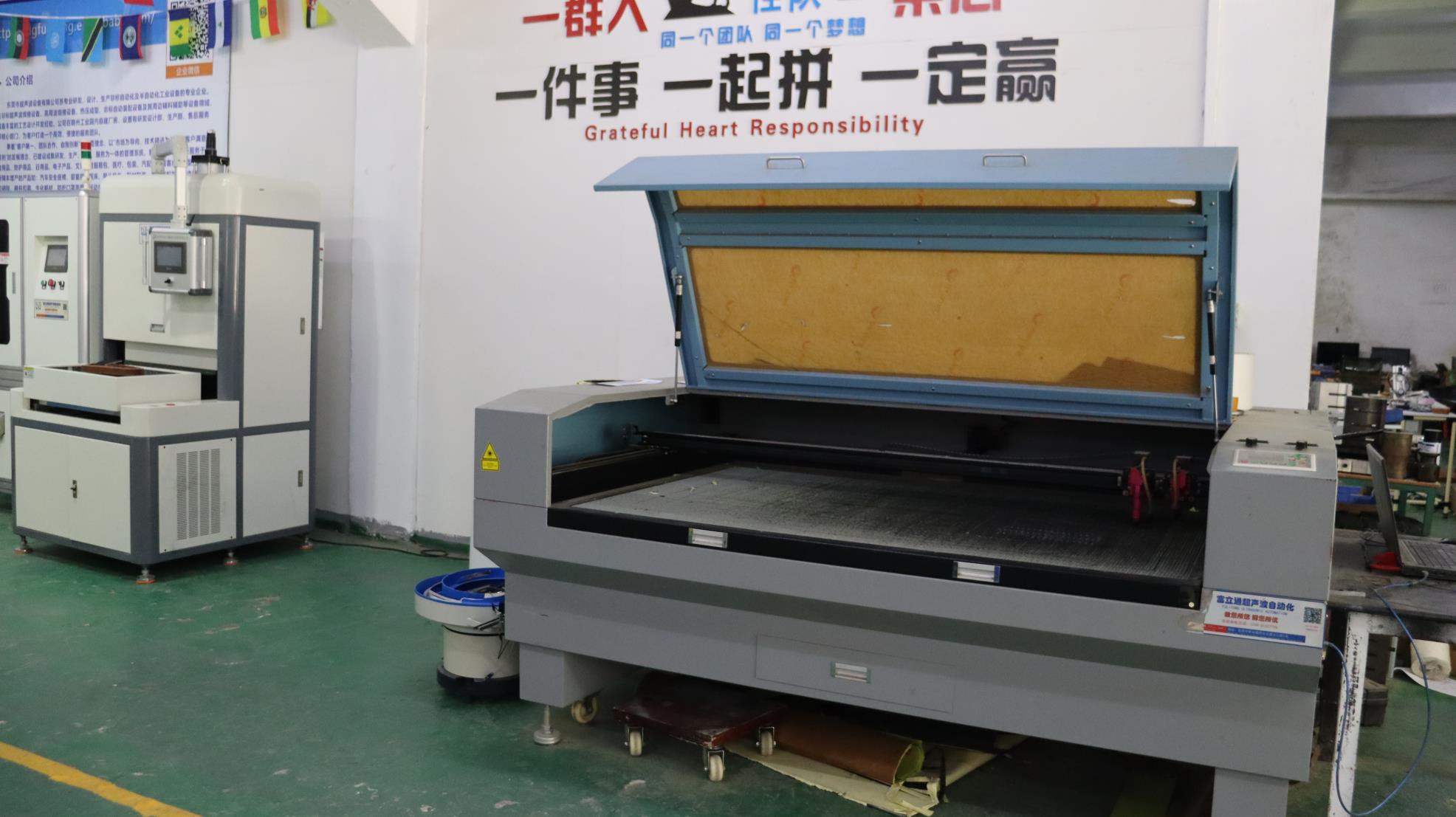
Selecting the correct welding and sealing architecture is critical to avoid downtime and maintain OEE (Overall Equipment Effectiveness).
| Parameters | Continuous Rotary Sealing | Impulse Sealing | Ultrasonic Sealing/Welding |
|---|---|---|---|
| Working Mechanism | Constant heated metal wheels/bands press film as it rolls. | High-current pulse heated Ni-Cr wire heats and cools rapidly. | High-frequency acoustic vibrations (15-35kHz) weld from within. |
| Best Film Types | Thick laminates, foils, complex multi-layer plastics. | Single layer PE, PP, thin thermo plastics. | Mono-materials, biomaterials, dust-contaminated bags. |
| Sealing Cycle Speed | Extremely fast (ideal for continuous conveyors). | Moderate (requires cool-down dwell time). | Very fast (less than 0.2 seconds welding time). |
| Energy Consumption | High (Heaters must be kept at temperature permanently). | Low (Energy consumed only during the pulse). | Very low (Piezoelectric transducers run on demand). |
| Initial Tooling Cost | Moderate | Low | High (Precision titanium/aluminum horns required). |
Importing automated thermal sealing lines requires strict validation processes to maintain cleanroom and environmental compliance.
All heavy-machinery exports to Europe must carry CE certification, demonstrating compliance with EN 60204-1 for electrical safety and ISO 12100 for risk assessments.
For sterile medical packaging, seal integrity must be verifiable. Validatable heat sealers must record temperature, pressure, and time with high precision to meet FDA Title 21 CFR Part 11 requirements.
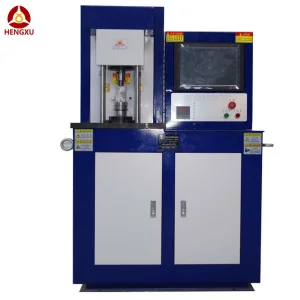
Sealing performance validation utilizes test structures like the ASTM D4172 standard to gauge friction, load capabilities, and material wear, guaranteeing long-term machinery lifetime.
Get insights from our lead engineers regarding installation variables, material compatibility, and system optimization.
 Heping Mechanical