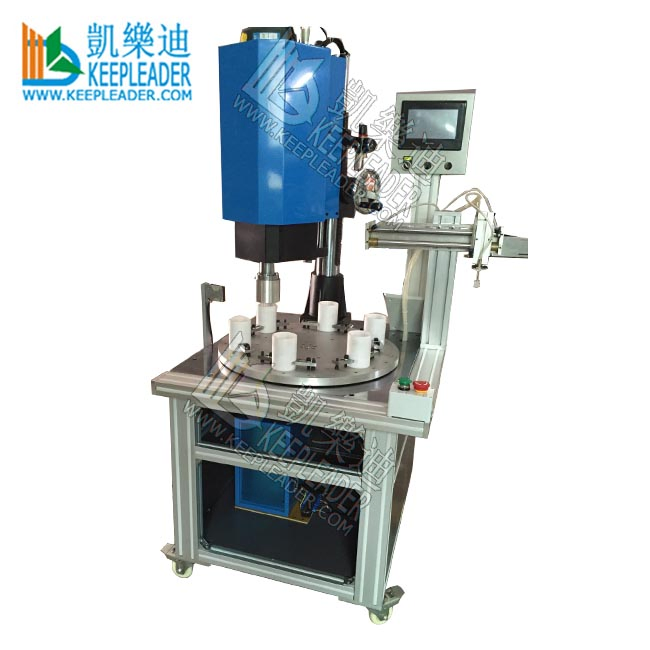
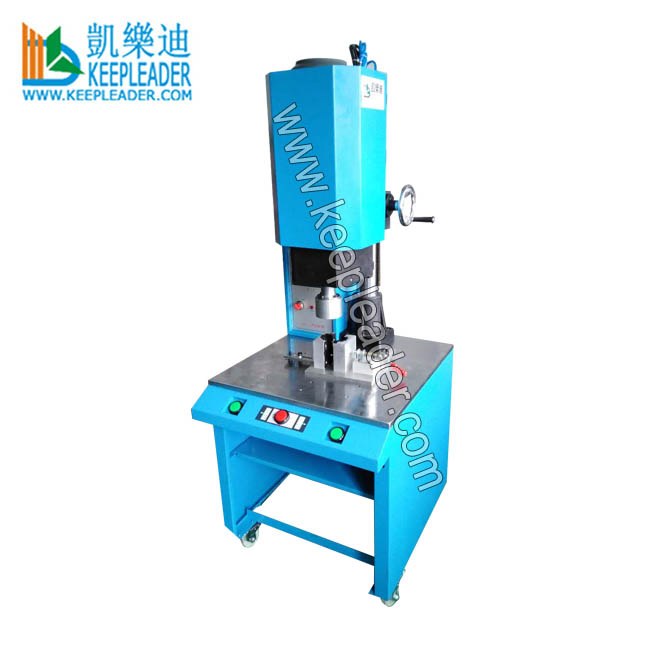
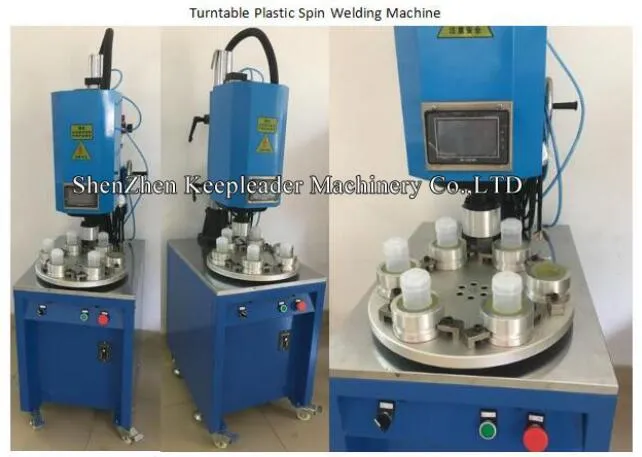
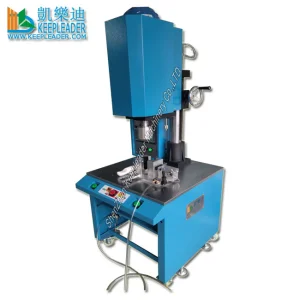
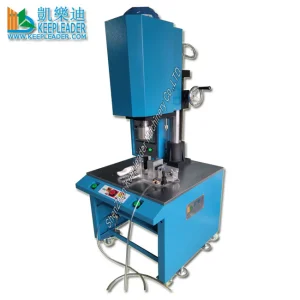
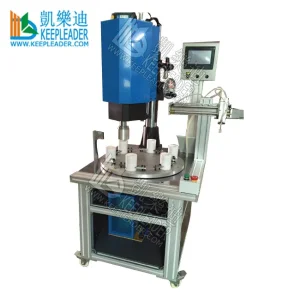
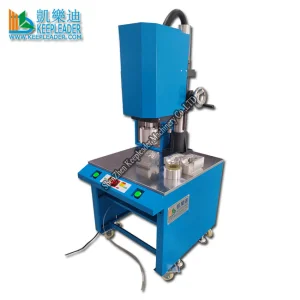
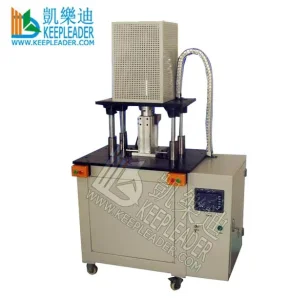
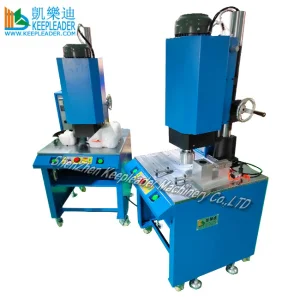
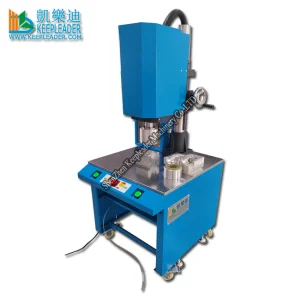
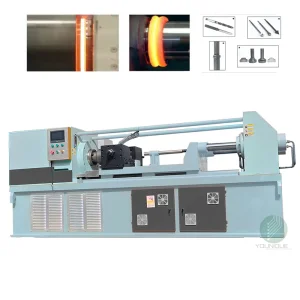
Turntable Plastic Spin Welding Machine of Water Filter_Thermos Cup_PP_PE Automatic Rotary Thermoplastic Spinning Friction Welder

Customization: Available
Application: Household Appliances, Garden Supplies, Decoration, Commodity, Auto Part, Electronic, Stationery, Toy
Cooling Way: Air Cooling

Product Description

Basic Specifications
Model: Turntable Plastic Spin Welding Machine
Control: Automatic
Frequency: High Frequency
Electric Current: DC
Style: Vertical
Power: Pneumatic
Package: Wooden Case
Product Description

Turntable Plastic Spin Welding Machine integrates automatic turntable indexing and robotic arm auto-unloading for high-volume bonding processes. It is designed for welding solid thermoplastic parts with rotational symmetrical joining surfaces, such as circular and spherical components. By applying simultaneous rotation and axial pressure, friction generates the necessary heat for melting and fusion.
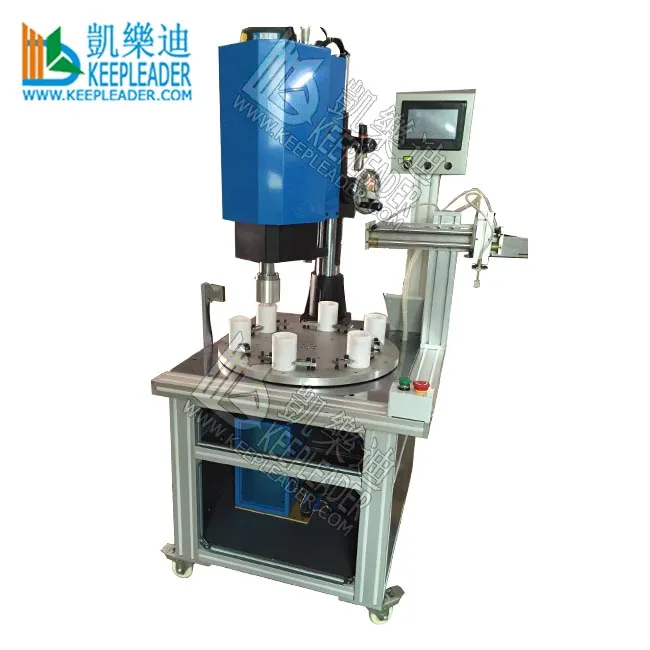
Spin Welding Machine Overview

The spin friction ensures a precise, durable weld with high mechanical strength that is perfectly waterproof and airtight. The resulting bond often exceeds the strength of the original plastic matrix.

Core Advantages
  • Superior Quality: Permanent joints and hermetic seals for air-tight applications.
  • Efficiency: Lower equipment costs and energy-efficient operation.
  • Environment: No ventilation required and no additional material needed.
  • Operation: Immediate handling after welding and ease of assembly.
Technical Introduction

Orientation spin melting welding is a frictional technology using a circular-axis joint. During the process, one part is held stationary while the other rotates at high speeds (300-1600 RPM) under pressure. Once the interface is molten, rotation stops, and pressure is maintained until the material solidifies.

Technical Parameters
Model Parameter D30 Series D40 Series D70 Series
Power Output 300w 450w 750w
Power Supply AC380V/50HZ or 220V/60HZ
Max Rotary Speed 300 RPM
Rated Torque 18.6 n-m 28.4 n-m 48 n-m
Max Diameter 100mm
Dimensions 780*680*2000mm
Net Weight 320kgs 340kgs 360kgs
Machine Characteristics
  • PLC Control: Convenient for data setting and monitoring.
  • Servo-motor: Precision orientation and depth control.
  • Compact Design: All-in-one movable unit to save floor space.
  • Customizable: Melting depth, speed, time, and torque are adjustable.
Detailed Photos & Applications
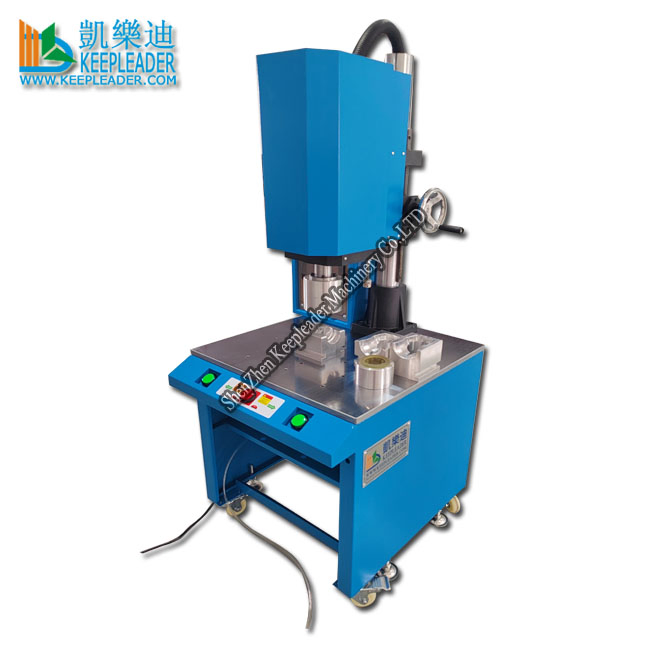
Machine Detail 1
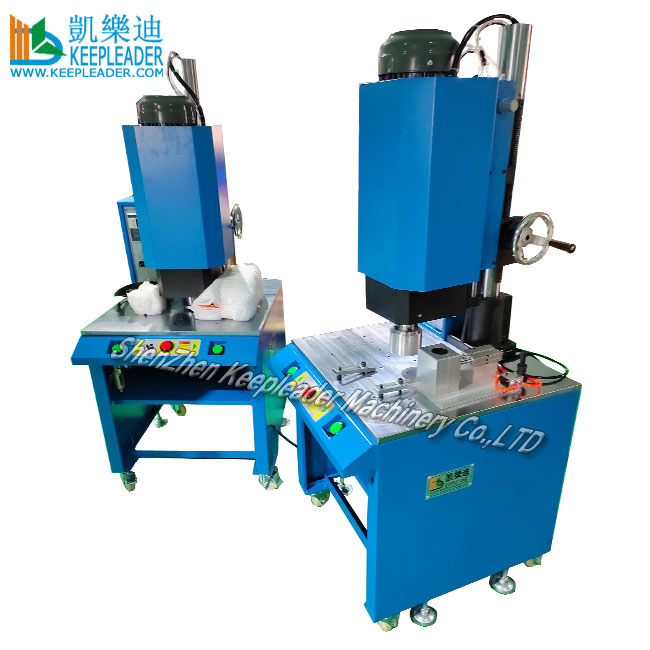
Machine Detail 2

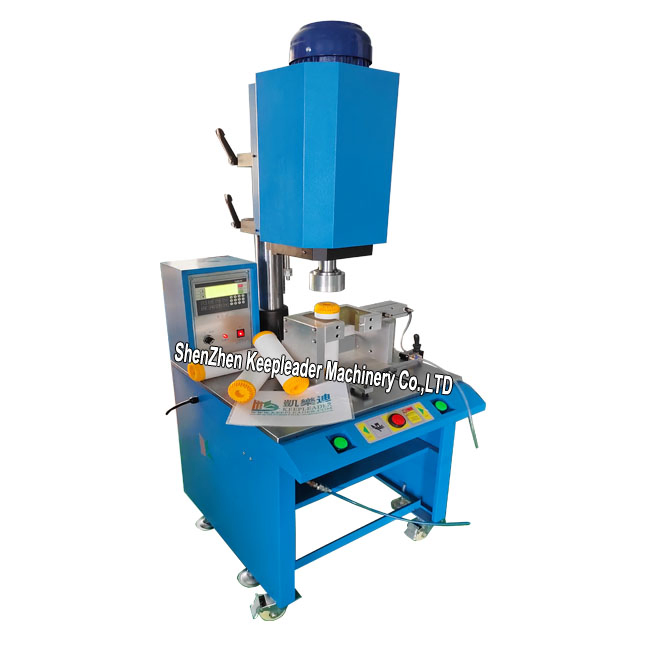
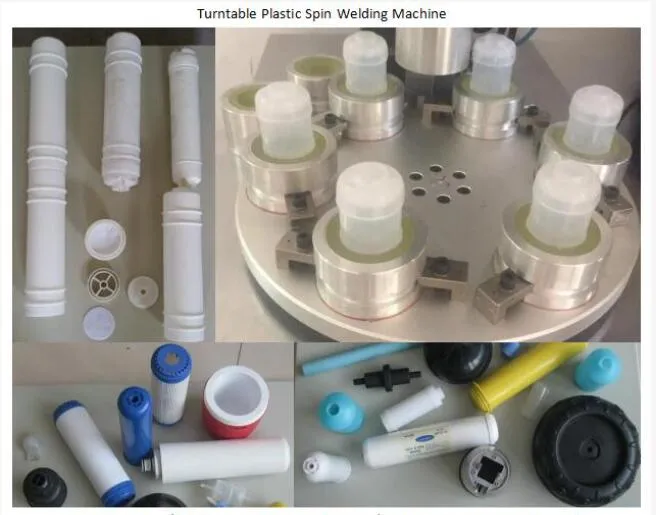
This process is commonly used in the manufacture of automotive parts, household appliances (like water filters and thermos cups), and medical devices. It is ideal for wide range of thermoplastic materials used in injection molded circular assemblies.

Buying Guides & Considerations

01 Material Considerations: Semicrystalline thermoplastics are more readily joined using spin welding than ultrasonic welding. Dissimilar polymers can be joined if their melting temperatures are compatible.

02 Joint Design: The joint must be on a circular axis and allow for adequate collapse distance. Upper parts should be designed with drive features for the tool to grasp.

03 Surface Speed: Linear surface speed increases with joint diameter. Proper speed is critical to avoid material degradation or insufficient melting.

04 Press Speed: Axial speed determines contact pressure. It must be high enough to cause melting rather than grinding.
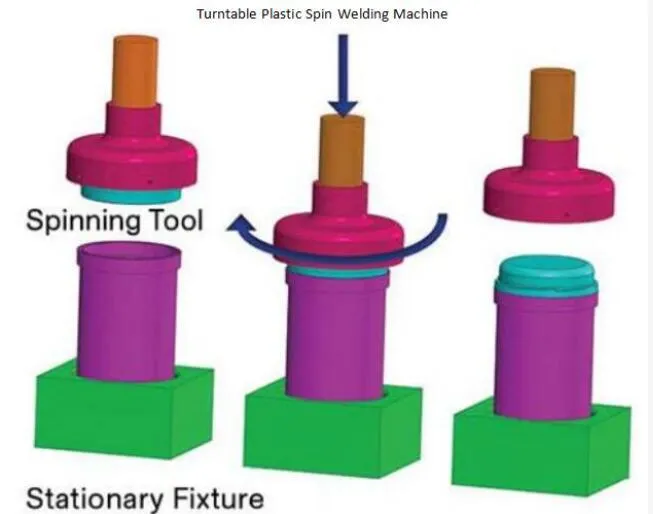
Application Examples
Frequently Asked Questions
Q1: What types of products are best suited for spin welding? A: Parts with a circular or spherical joint interface, such as water filters, thermos cups, and spherical valves, are ideal for this technology.
Q2: Can the machine handle different plastic materials? A: Yes, it works well with PP, PE, and most semicrystalline thermoplastics. It is often more effective than ultrasonic welding for these materials.
Q3: How does the turntable improve the production process? A: The automatic turntable indexing allows for continuous loading and unloading, significantly reducing cycle times and increasing repeatability.
Q4: Does the weld provide a waterproof seal? A: Yes, spin welding creates a strong hermetic seal that is both air-tight and water-proof, often stronger than the base material.
Q5: What are the key control parameters for a successful weld? A: The primary parameters are surface velocity (RPM), axial press speed, welding depth (collapse distance), and hold time.
Q6: Is orientation control possible for complex parts? A: Yes, machines equipped with servo-motors allow for precise angular orientation, ensuring parts stop at a specific position after welding.

Related Products