Heping Mechanical
1 / 5
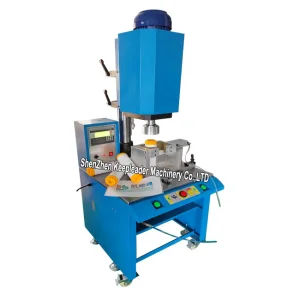
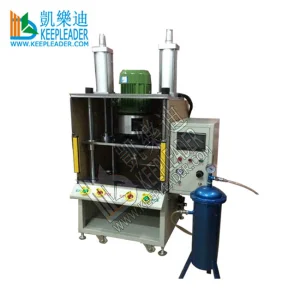
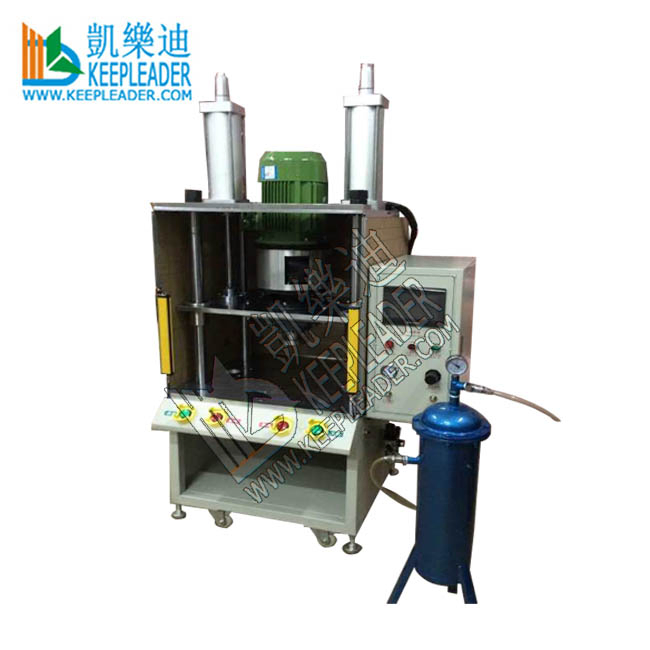
| Model NO. | PP Car Water Tank Spin Welding Machine |
| Style | Portable |
| Welding Way | Butt Welding |
| Type | Intermediate Frequency Inverter Welder |
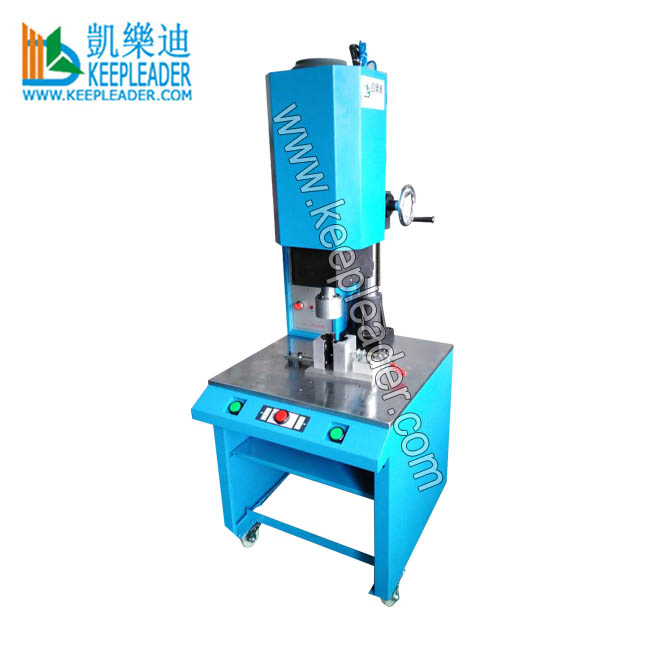
| Machine | Spin Welding Machine |
| Transport Package | Wooden Case |
| Specification | Spin Welding Machine |
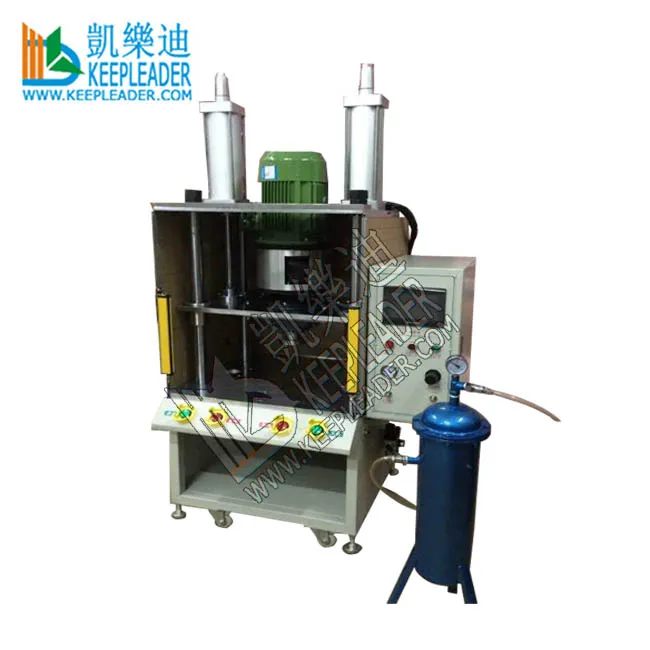
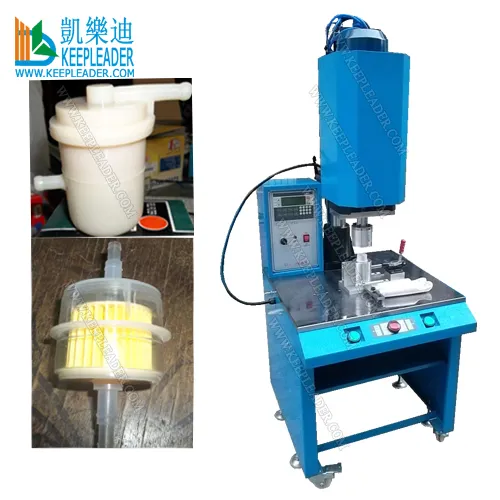
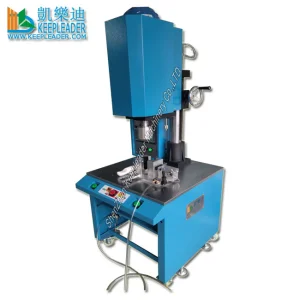
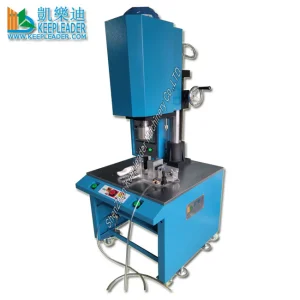
| Name | PP Car Water Tank Spin Welding Machine |
| Model | KLP-8P |
| Motor power | 5~8HP |
| Power Supply | 380v/50hz*3P |
| Maximum Diameter | 320mm |
| Timer | 0.01~9.99 seconds |
| Air pressure | Up to 6kgs/cm² |
| Productivity | 8~15 operation/minute |
| Operation | Auto/Manual Both |
| Weight | 800kgs |
| Overall size | 1000*700*2000mm |
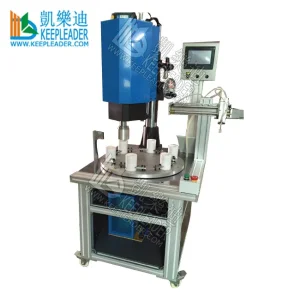
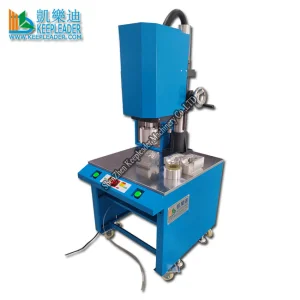
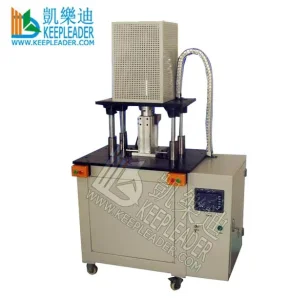
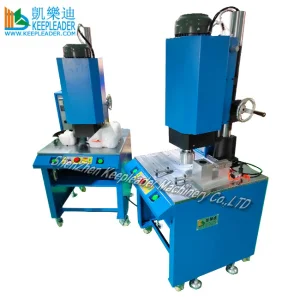
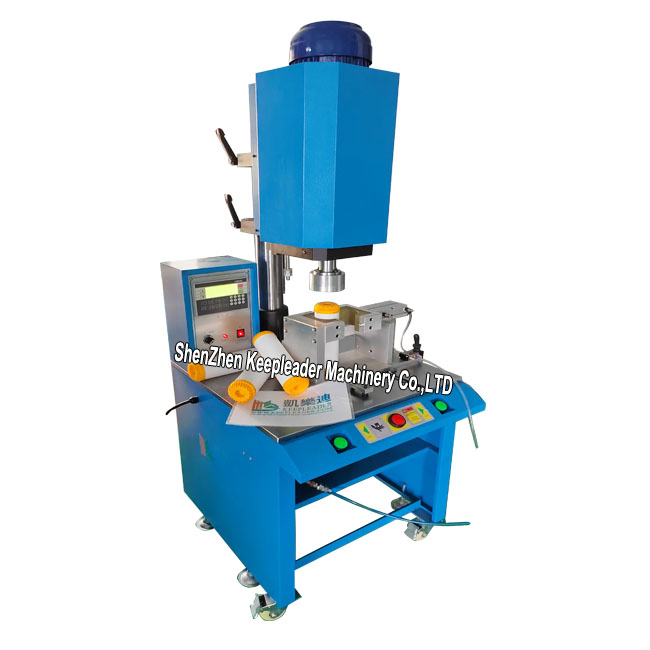
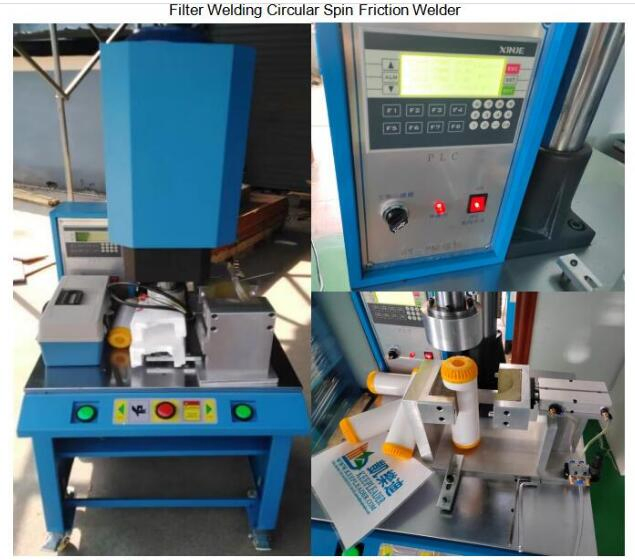
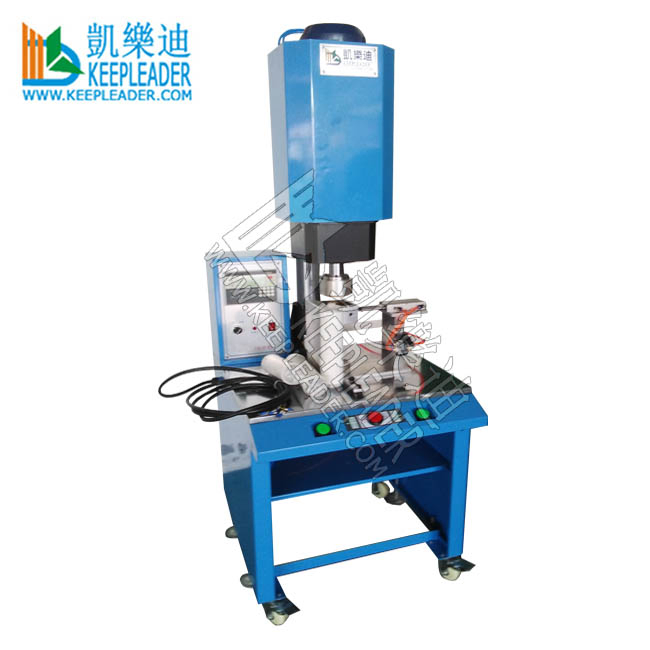
This machine joins circular thermoplastic parts by applying pressure and a spinning motion that generates heat to melt and fuse them together. Ideal for:
Please provide the following information for a tailored solution:
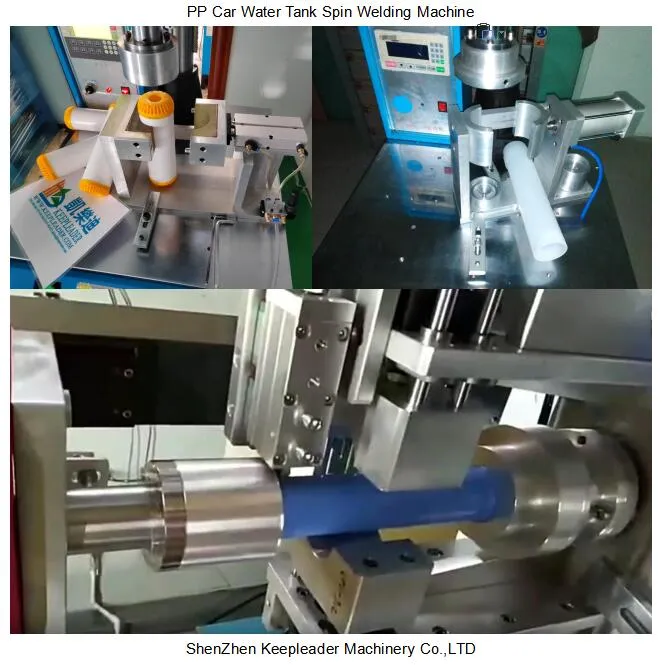
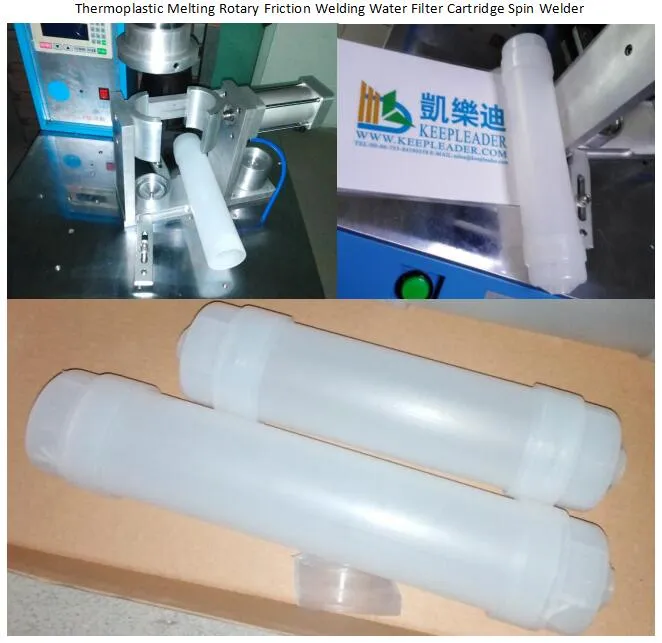
The machine usually features tailored fixtures (Manual or Pneumatic) that gratify productive dimensions and loading profiles in both Vertical and Horizontal modes.
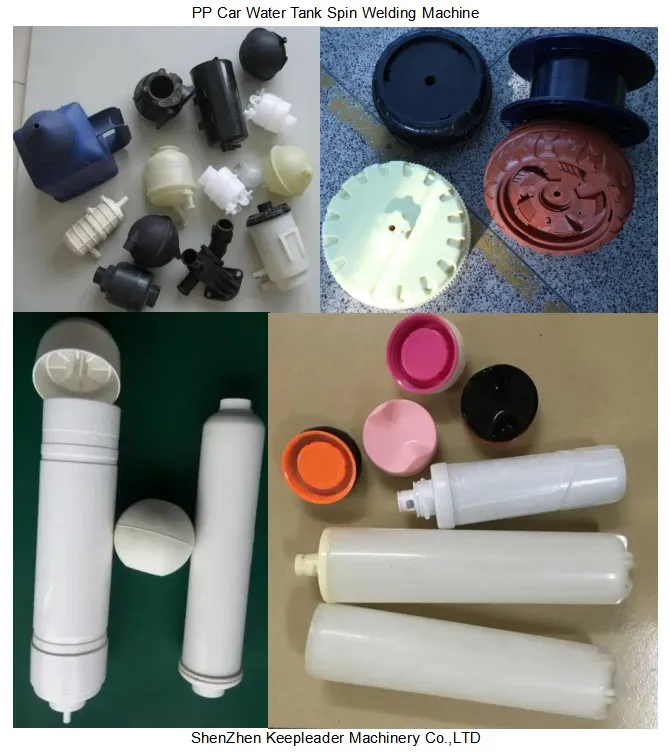
Capable of welding large size floated balls, water filter tanks, barrels, and other round thermoplastic interfaces.
Spin Welding uses heat generated by rotational friction at the joint line to weld thermoplastic parts with rotationally symmetric joints. It applies axial pressure while rotating one part against its stationary mate. The resulting friction generates heat that melts the parts together. Advantages include high-quality permanent joints, hermetic seals, lower equipment cost, and energy efficiency.
Semi-crystalline thermoplastics are more readily joined using Spin Welding than ultrasonic welding. It is capable of making reliable seals even with dissimilar polymers by designing joints with an undercut. To check feasibility, use a heated iron wire to melt the parts; if it is molten and sticky, spin welding is likely possible.
Surface Speed Linear surface speed increases with weld joint diameter and motor RPM. Selection depends on material and joint geometry.
Press Speed Affects contact pressure and friction heat. Must be high enough to cause melting but not damage the parts.
Weld Depth Crucial for joint strength and hermetic sealing. Excessive depth may lead to flash formation.
Hold Time Allows molten material to solidify. Typically ranges from 1-3 seconds depending on part size.