Explore our state-of-the-art welding, coating, and assembly machinery engineered for high durability, repeatability, and integration into automated lines.
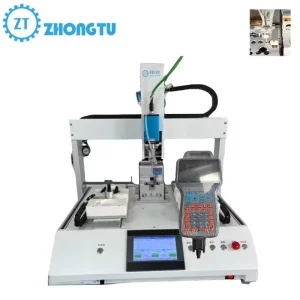
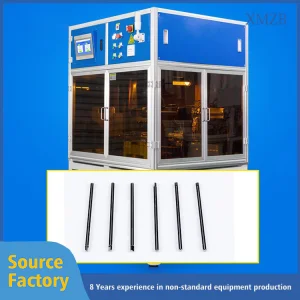
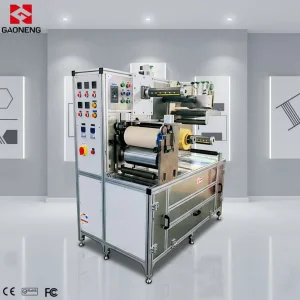
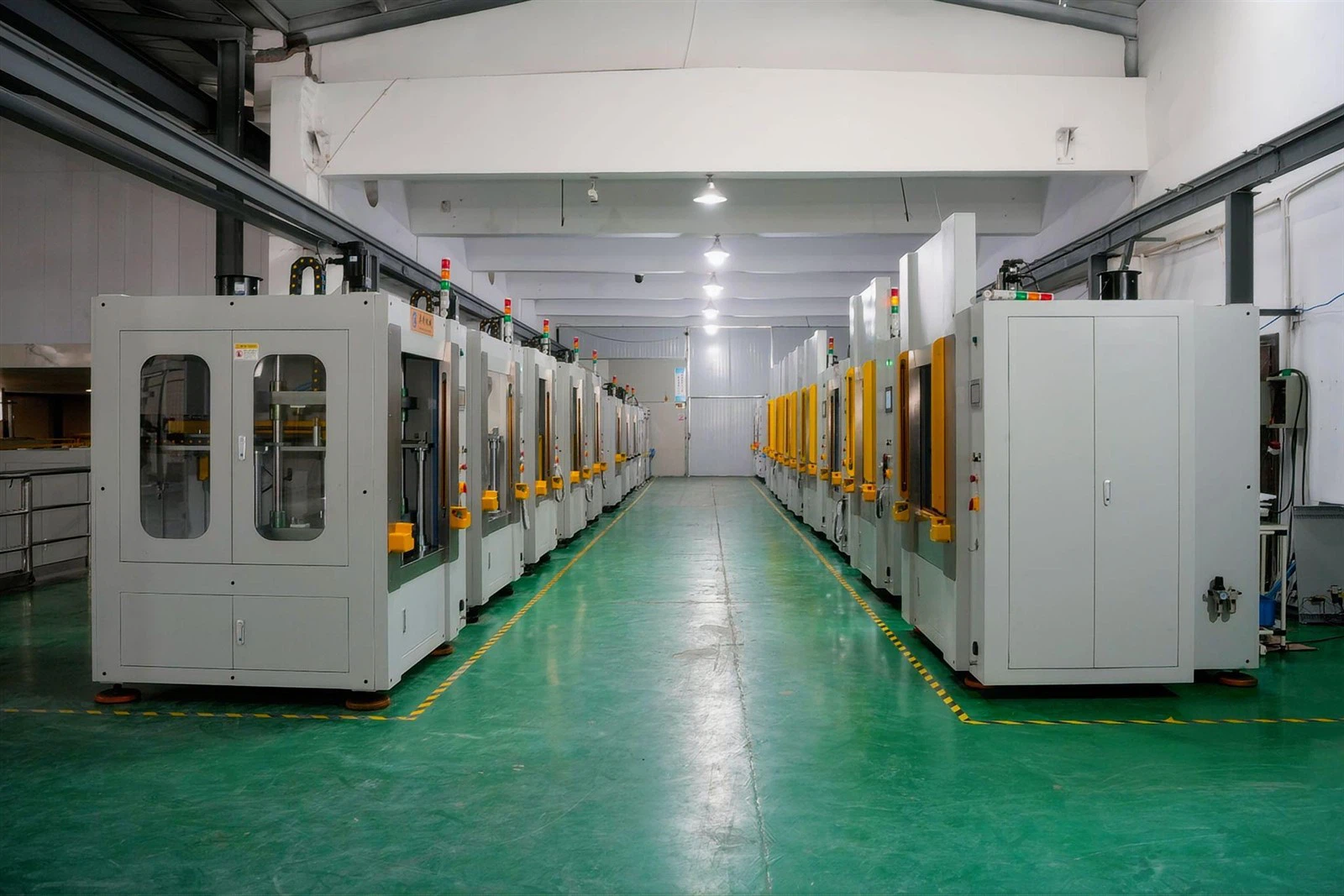
Covering a factory building area of 7,000 square meters, we are a manufacturing enterprise integrating plastic welding, R&D design, production and manufacturing, as well as sales and service. Driven by automation technology and thermal engineering expertise, we serve high-demand global manufacturing sectors.
By leveraging advanced production technologies, Zhejiang Heping focuses on delivering standardized and high-capacity equipment alongside extensive customization options. We maintain a high standard of mechanical engineering execution, which guarantees durability, high repeatability, and thermal accuracy. Over the years, our team has integrated advanced control systems into our thermoplastic welding machinery to meet the requirements of modern Industry 4.0 production environments.
Through our dedicated R&D, Zhejiang Heping successfully holds 6 utility model patent certificates, affirming our structural design ingenuity and technical reliability.
Under strict quality management protocols, our in-house production cycles translate to shorter lead times and superior manufacturing quality.
We possess strong capabilities in the design, R&D and production of non-standard mechanical products, and can customize various special-purpose mechanical equipment according to customer needs.
We strive to let customers share our core advantages - high quality, excellent service and impeccable welding performance - when purchasing our products, enabling you to operate without worries in the highly competitive market.
We have a team of high-quality, skilled and experienced engineering and technical personnel, who provide customers with more professional, efficient and comprehensive after-sales service to solve production-related concerns.
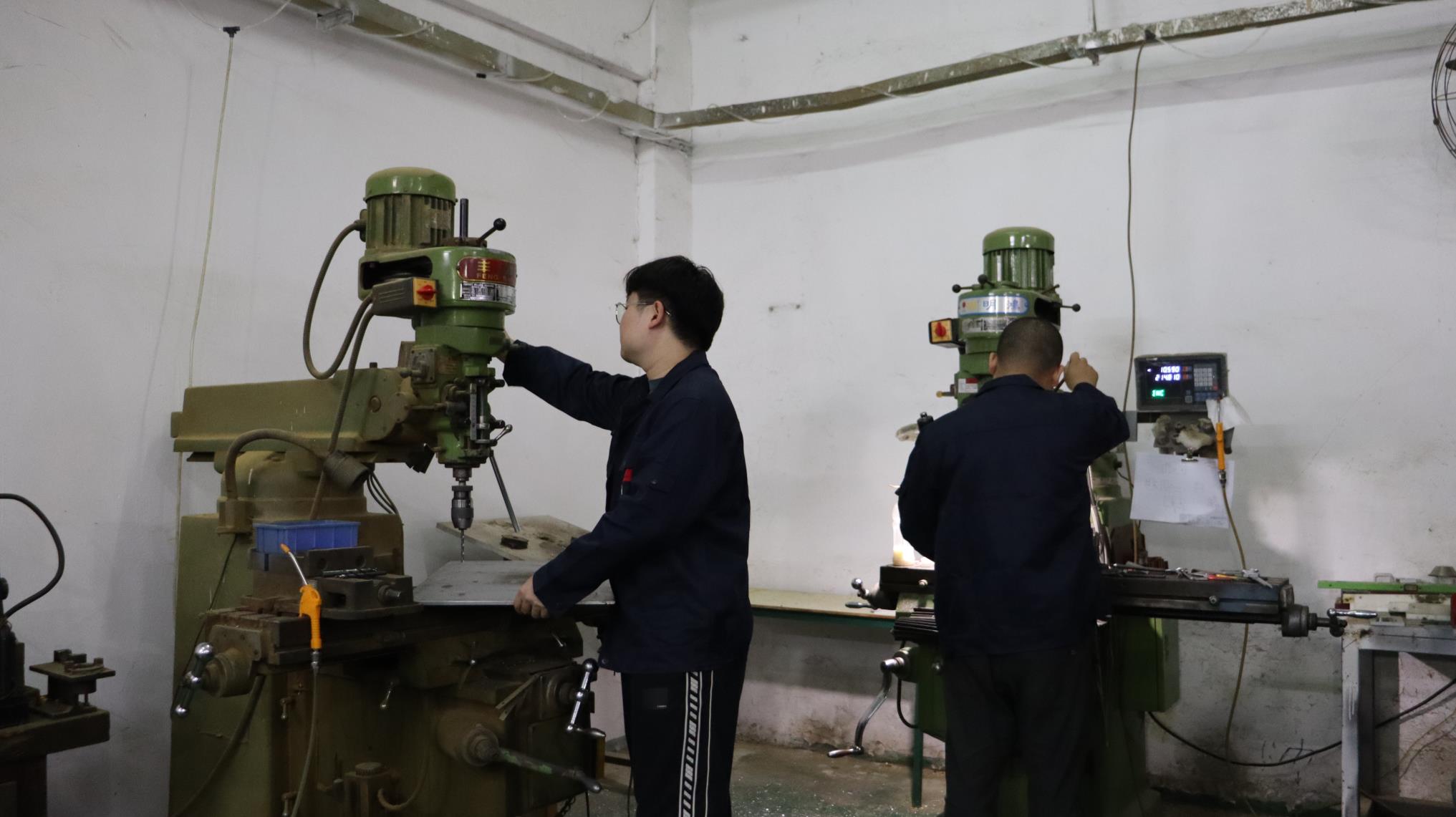
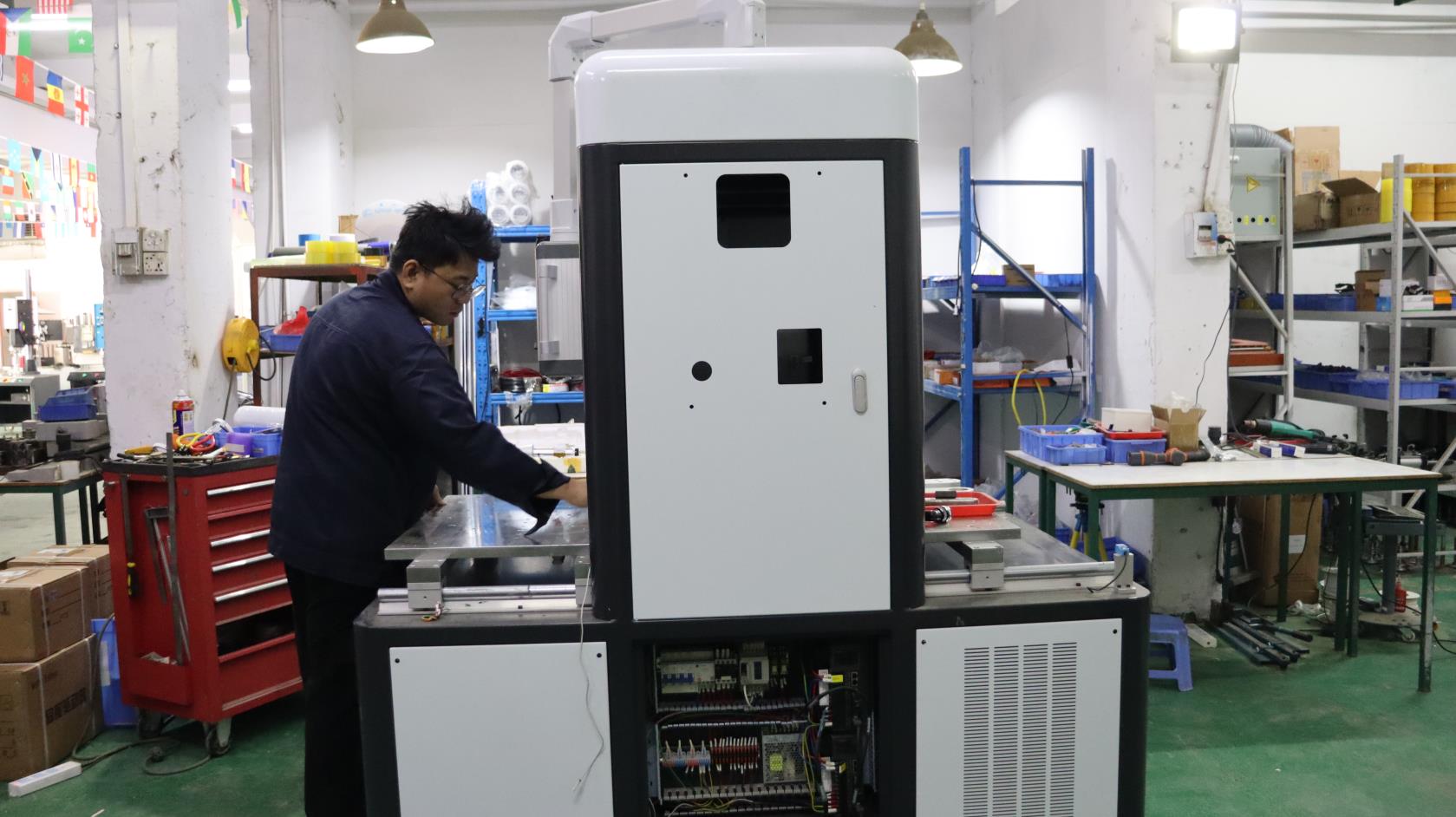
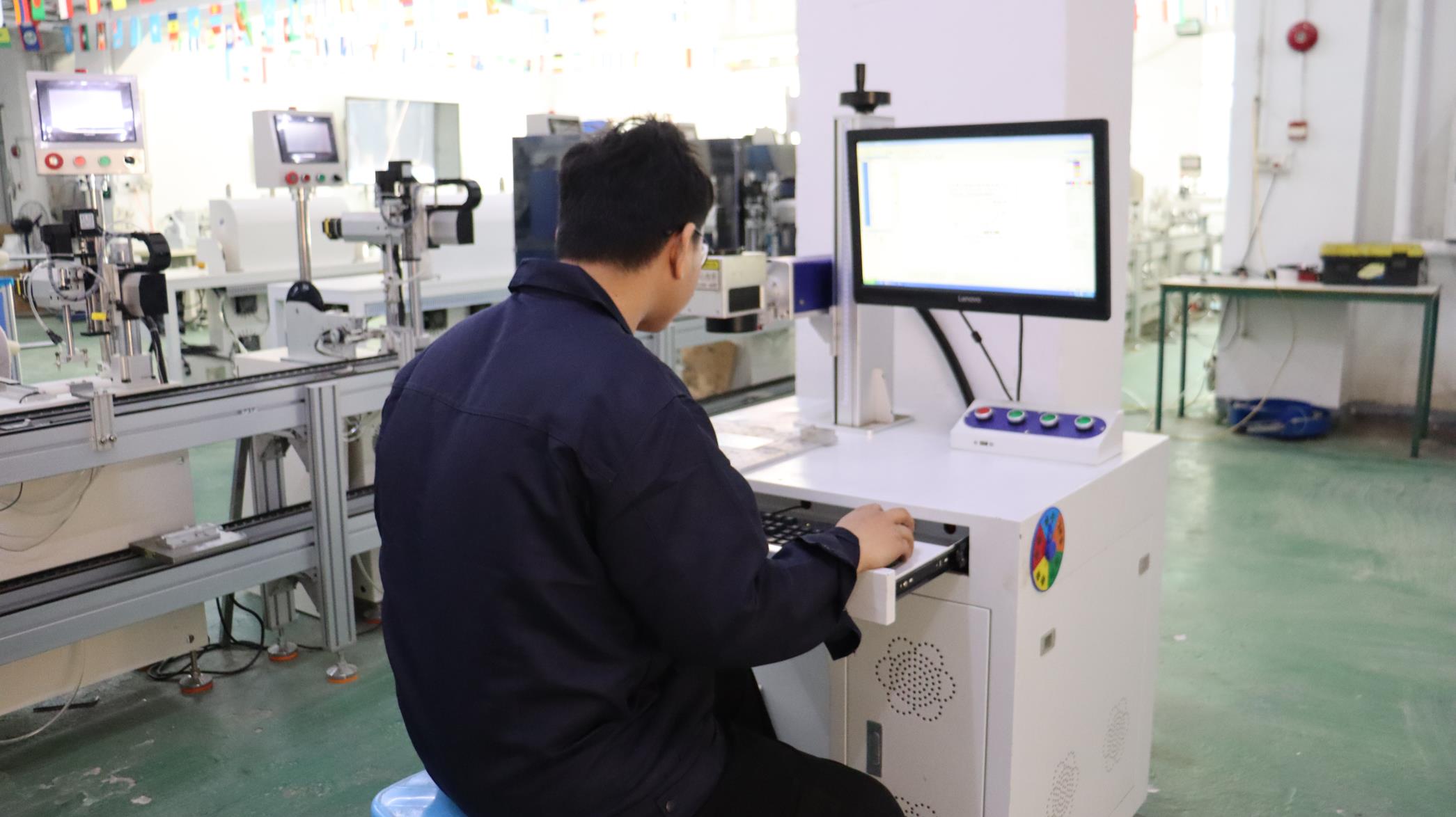
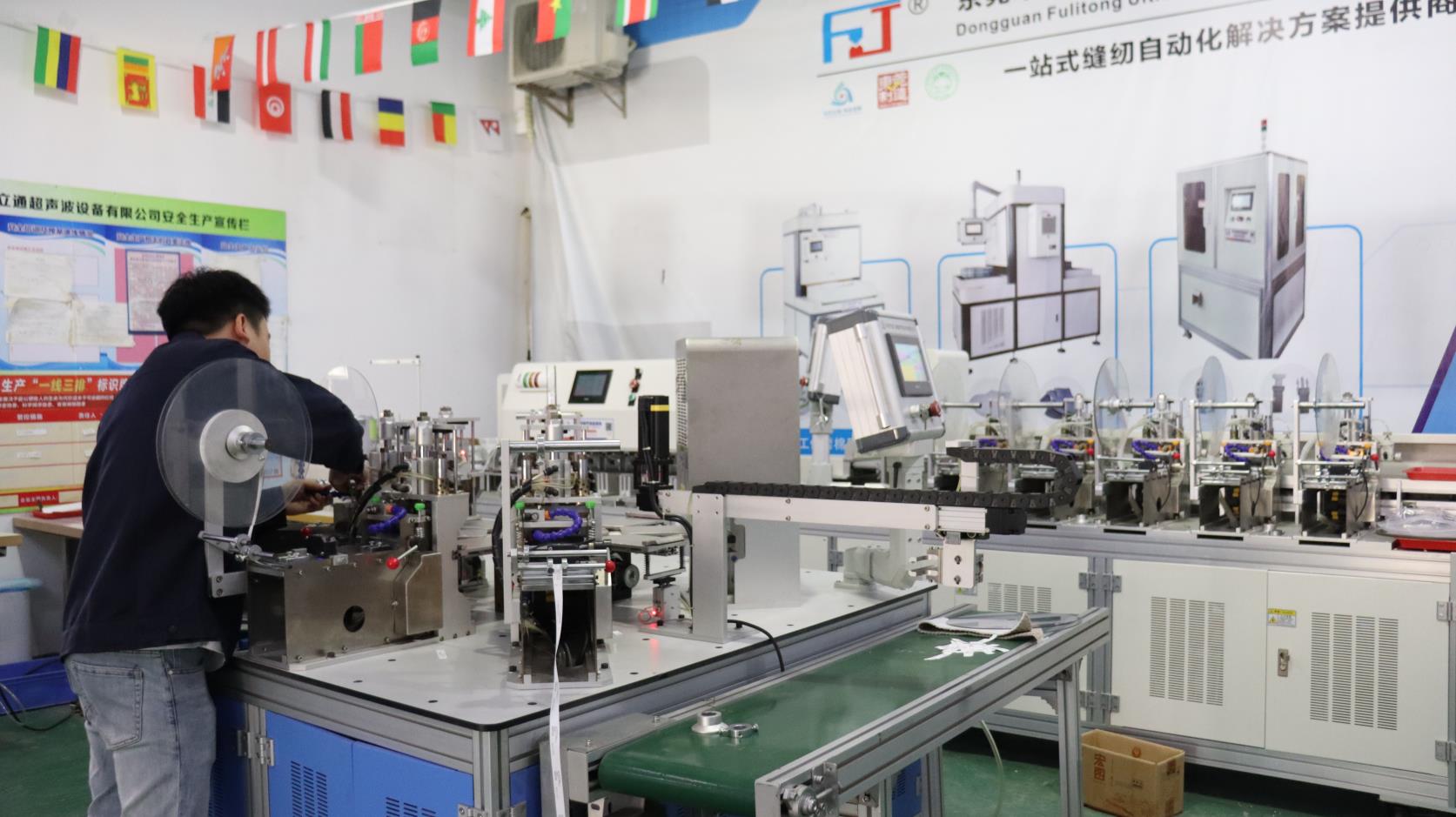
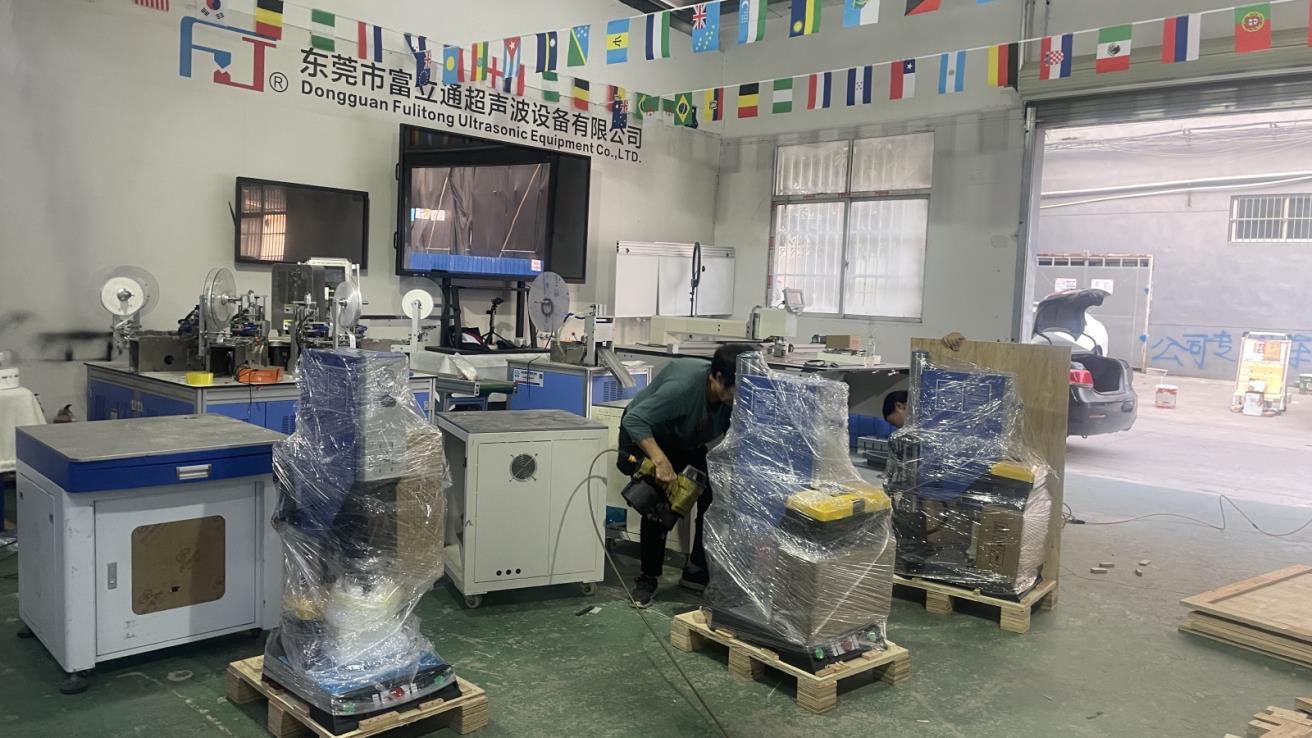
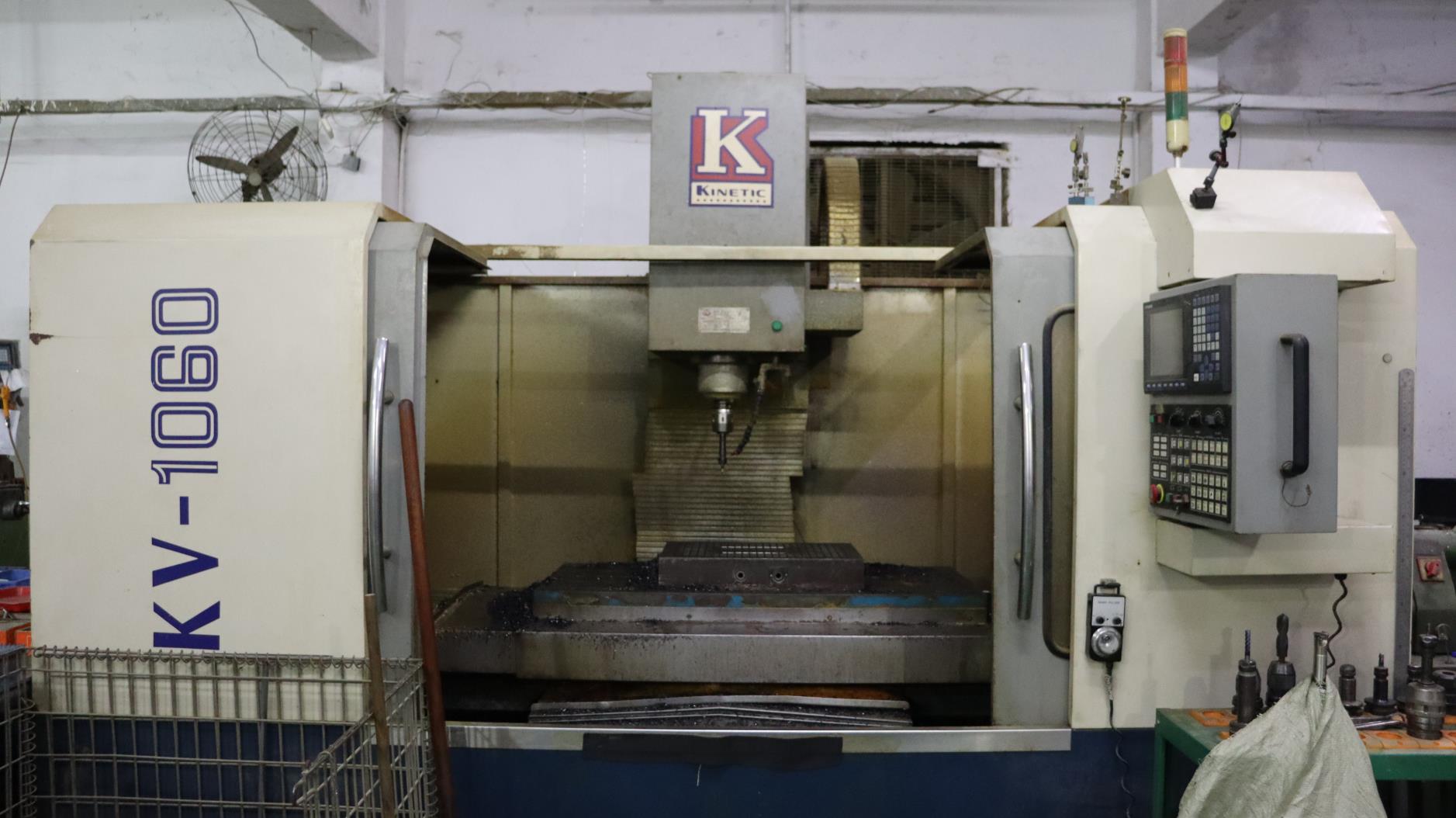
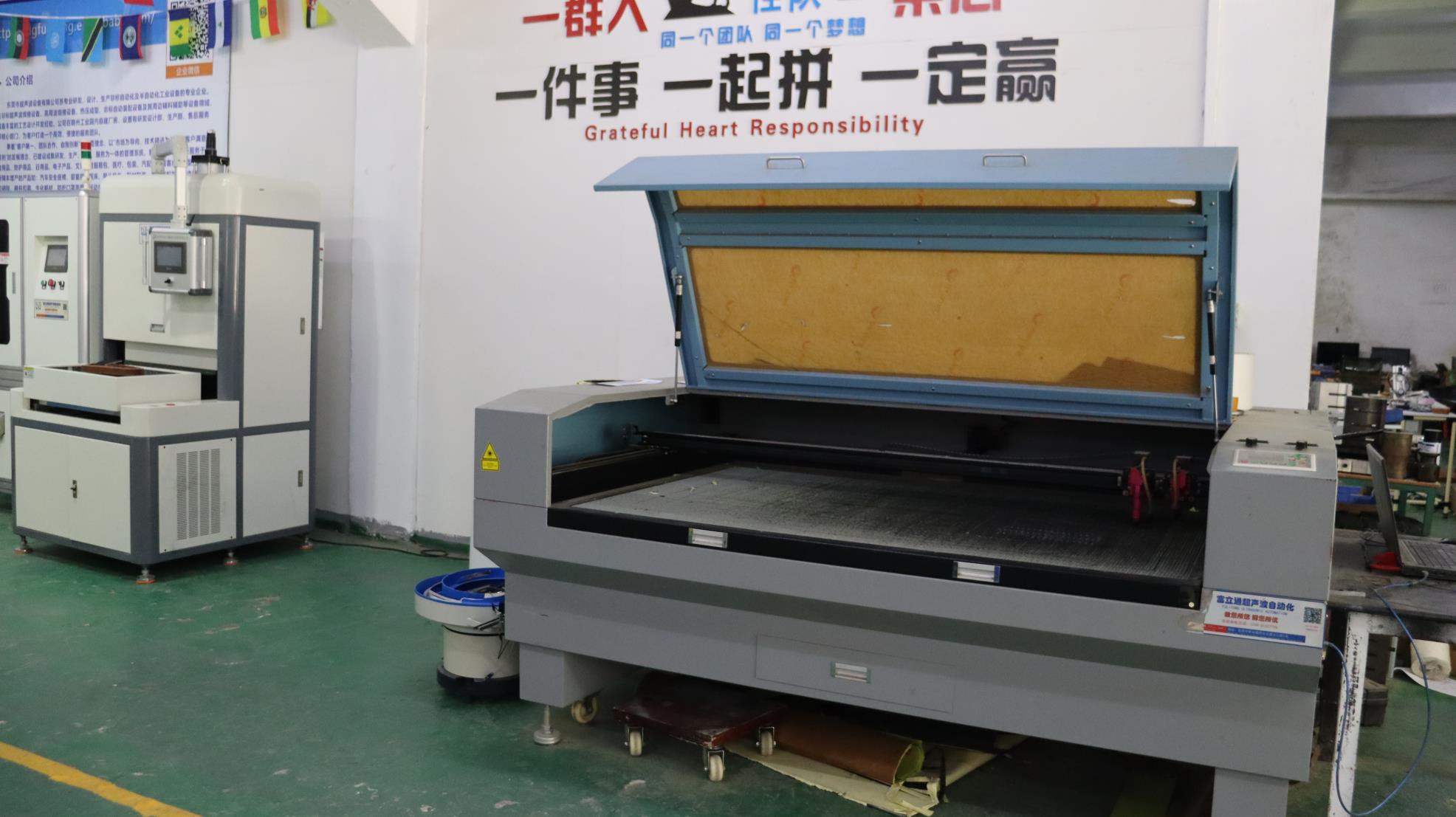
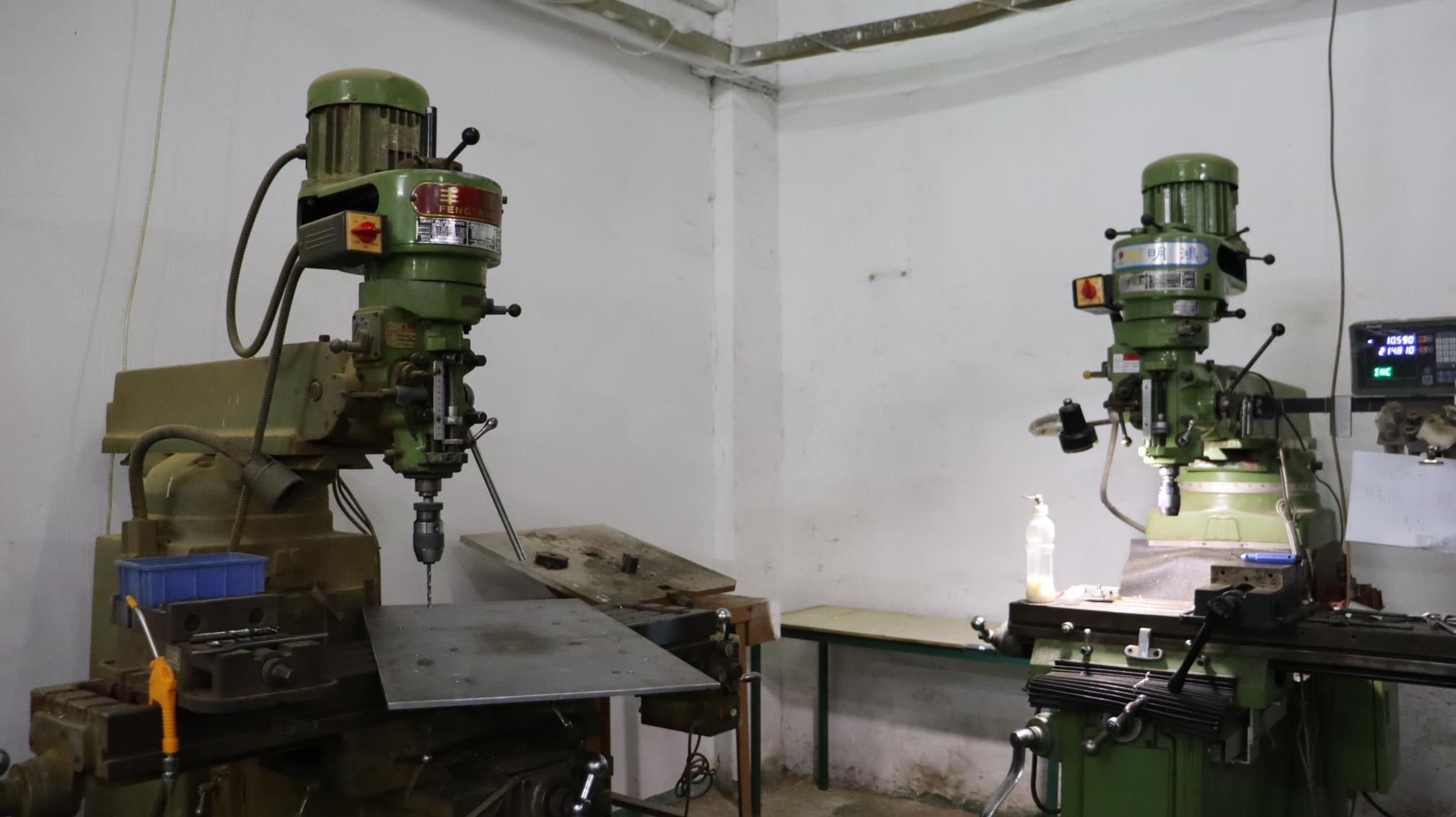
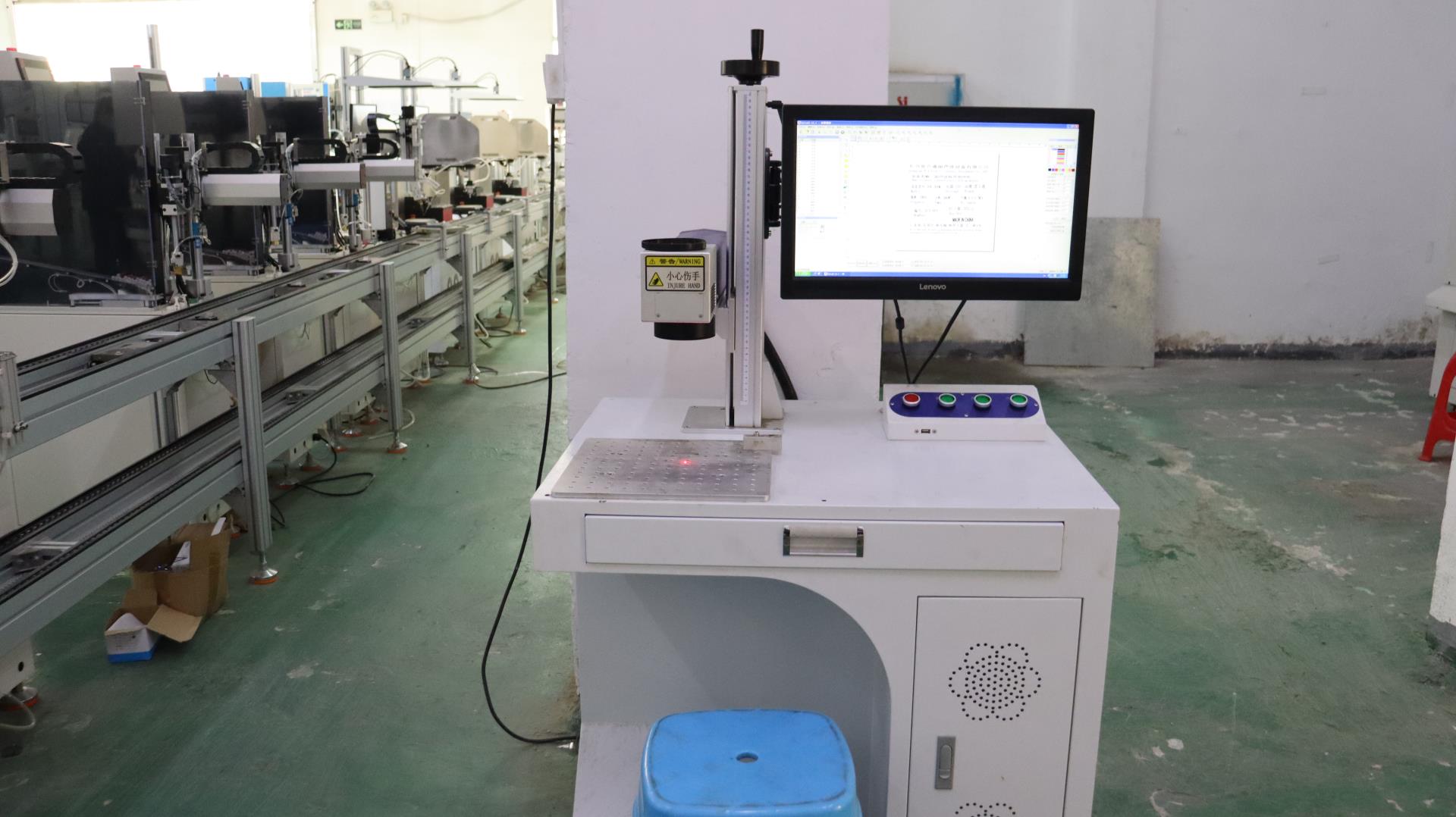
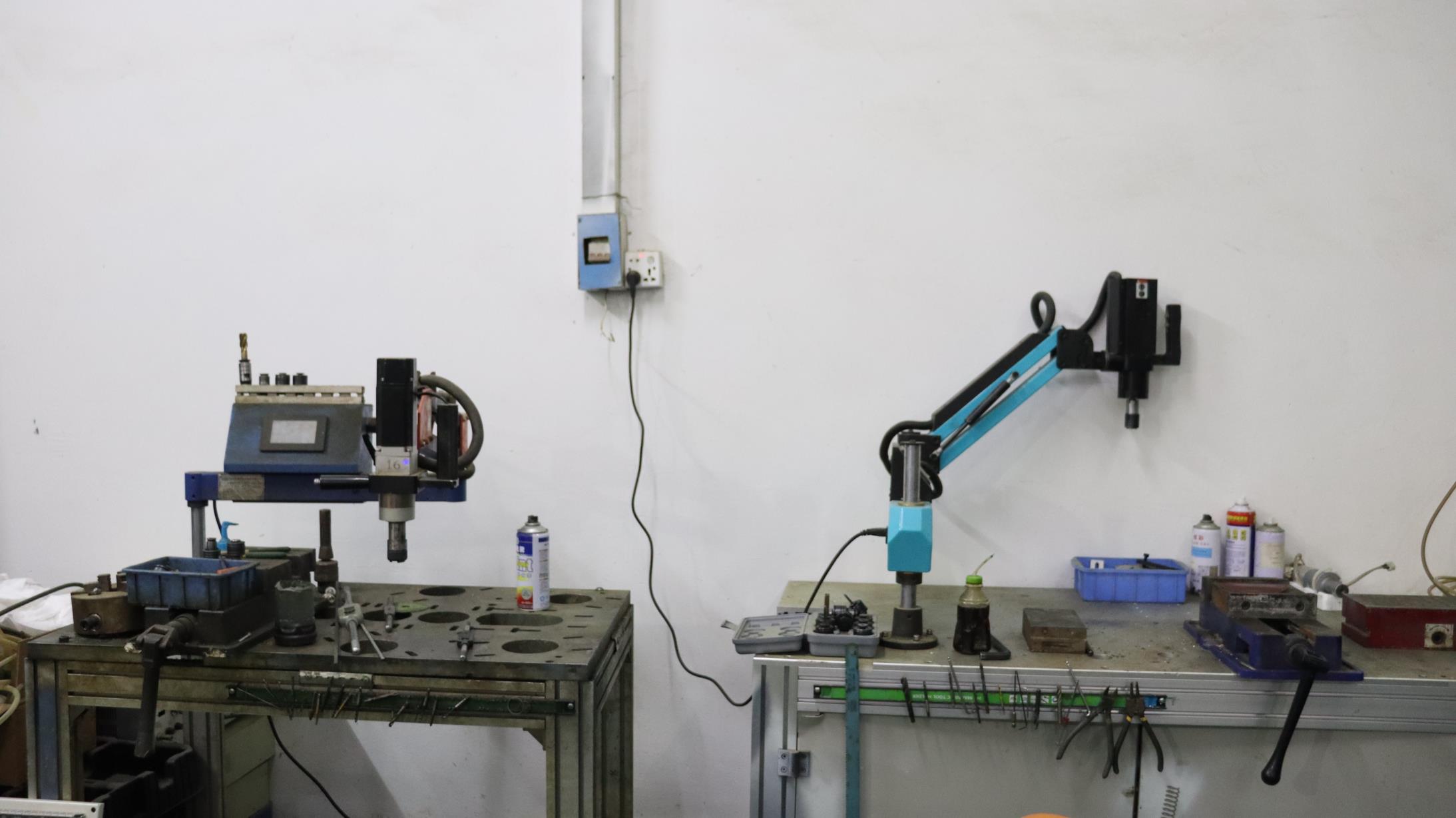
Understanding the engineering demands and productivity goals of modern industrial enterprises.
High-throughput B2B buyers require machinery that offers exceptional operational longevity, precise thermal controls, and minimal maintenance overhead. In the field of thermoplastic welding, reliability is measured by consistent weld joint strength and tight tolerances across continuous work cycles.
We integrate components like industrial PLCs, digital frequency auto-tuning, and robust pneumatic cylinders into our machinery. This ensures our high-power systems operate stably during continuous multi-shift production schedules, helping global purchasers improve cycle times and minimize raw material waste.
Different industrial polymers require specialized thermal profiles to achieve structural bonding. Engineering plastics like Polyethylene (PE), Polypropylene (PP), Acrylonitrile Butadiene Styrene (ABS), and Expanded Polyethylene (EPE) have unique glass transition temperatures and melt viscosities.
Our hot plate and ultrasonic systems are designed to deliver targeted heat transfer, preventing material degradation and ensuring leak-proof seals. This precision is essential for automotive reflectors, battery casings, and technical packaging applications where structural integrity is a priority.
How regional manufacturing ecosystems and patented designs enhance production efficiency and equipment reliability.
Located in Zhejiang, China’s primary machinery manufacturing province, our facility benefits from access to a complete supply chain. From precision CNC-milled tooling to high-frequency generators and heavy-duty steel bases, all key mechanical elements are sourced from trusted local partners.
This regional cluster allows us to lower transport costs, maintain short manufacturing lead times, and procure raw materials efficiently. We pass these cost benefits on to our international customers through competitive wholesale pricing without compromising on material thickness or component quality.
Zhejiang Heping Mechanical Equipment Co., Ltd. continuously invests in structural innovation. Our utility model patents provide verified solutions for thermal expansion management and precise alignment in heavy-duty machinery.
Our recognized utility model patent certifications include:
How we address changing safety standards, interface preferences, and factory environments globally.
We configure our machinery's voltage, wiring, and safety circuits (such as CE-compliant dual-hand control switches and safety light curtains) to match local regulatory standards in Europe, North America, and Southeast Asia.
Modern industrial standards demand high precision. Our servo-driven hot plate and spin welding machines provide micron-level depth control, allowing operators to monitor melt thickness and collapse limits in real time.
Our PLC systems support optional IoT modules for remote troubleshooting, software updates, and diagnostic evaluations. This reduces the risk of unexpected down-time for international manufacturers.
A closer look at our high-power ultrasonic welders, specialized hot-plate bonding equipment, and multi-axis processing centers.
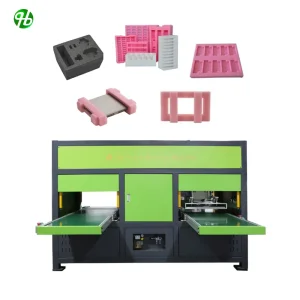
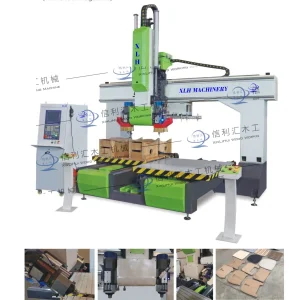
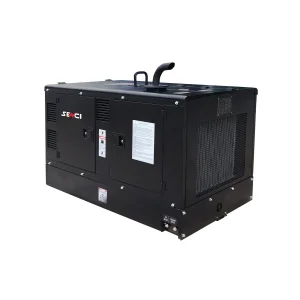
How our equipment is deployed across key vertical markets to support automated manufacturing workflows.
Our hot-plate reflector welding systems are designed to process complex optical parts made from PMMA and ABS.
By maintaining uniform temperature control across the hot-plate tool face, the welder forms consistent joints that meet automotive standards for water tightness and vibration resistance.
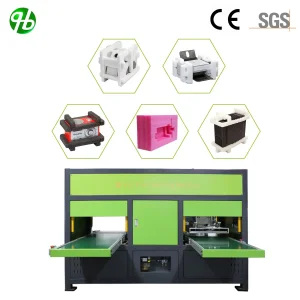
For protective packaging manufacturers, our automatic rotary bonding machines join expanded polyethylene (EPE, XPE, XLPE) foam sections without requiring external adhesives.
This process utilizes rapid surface melting and press-bonding, helping manufacturers reduce raw material costs and improve production speeds.
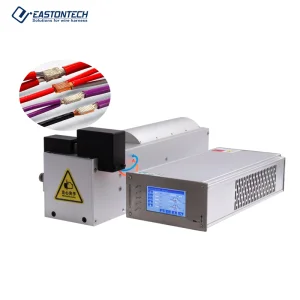
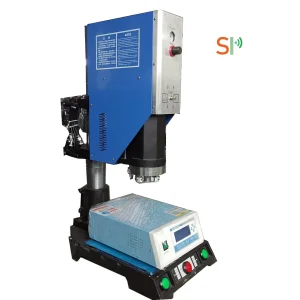
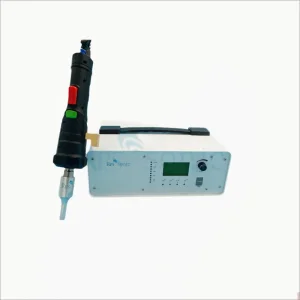
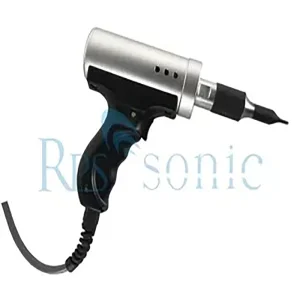
Equipped with digital frequency auto-tuning, our ultrasonic metal welders perform wire-to-terminal and wire-harness splicing.
The high-frequency vibration forms a solid metal-to-metal contact, delivering low electrical resistance and reliable performance for power distribution networks.
Technical clarifications, operating principles, and procurement guidelines for global engineering managers.
The choice depends primarily on the material composition, weld geometry, and part dimensions. Ultrasonic welding uses high-frequency mechanical vibrations (typically 15kHz, 20kHz, or 35kHz) to generate localized frictional heat. It is suitable for small to medium-sized parts made of rigid amorphous plastics (e.g., ABS, PS, PC) and requires fast cycle times (often under 1 second).
Hot plate welding utilizes a heated metallic plate to melt the joint interfaces directly, followed by press-bonding. It is suitable for large, curved, or complex parts (such as automotive reflectors, reservoirs, and fluid pipes) and semi-crystalline polymers (e.g., PP, PE) that require slower heat absorption to achieve strong, hermetic bonds.
We manage all key design and manufacturing stages in-house. Our process begins with digital modeling and simulation. Once the design is approved, our CNC and milling facilities machine the structural components and custom tooling horns.
During assembly, engineers align the key axes and test the pneumatic or servo actuators. Finally, we conduct trial runs with the client's materials to verify bond strength and dimensional accuracy before packing and dispatching the equipment.
We customize the electrical configuration of our machinery to suit the local power standards of the destination country.
For North American installations, we configure our systems for 110V, 220V, or 480V at 60Hz. For European and other international markets, we configure them for 230V or 400V at 50Hz. All control interfaces, PLC programs, and technical documentation are provided in English or the customer's specified language.
During operation, factors like heat generation, horn wear, and changes in clamping force can shift the resonant frequency of the ultrasonic stack.
An generator with automatic tuning tracks these resonant shifts in real time. It dynamically adjusts the output frequency to match the transducer and horn assembly, helping maintain consistent power delivery, prevent damage to the acoustic components, and reduce weld defects.
Zhejiang Heping holds 6 utility model patent certificates (including ZL202420005404.9, ZL202420005354.4, ZL202420005309.9, and ZL201921574530). These patents represent our proprietary work in improving structural alignment, heat distribution, and mechanical design under heavy workloads.
Each machine undergoes mechanical inspection, laser checking, and test runs under load to ensure it meets our performance standards before export.
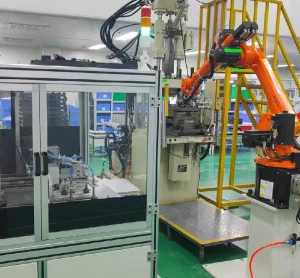
Yes, our machinery is designed with automation integration in mind. Our systems are equipped with standard PLC controllers (such as Siemens or Mitsubishi) and feature digital I/O interfaces, allowing for integration with robotic loading systems, rotary indexing tables, and centralized factory control systems.
 Heping Mechanical