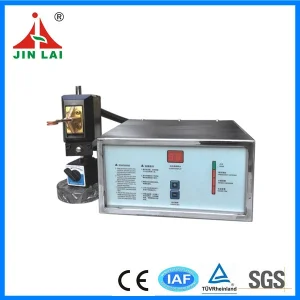
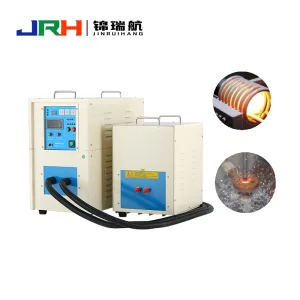
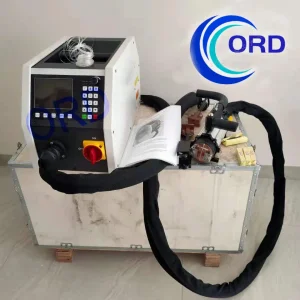
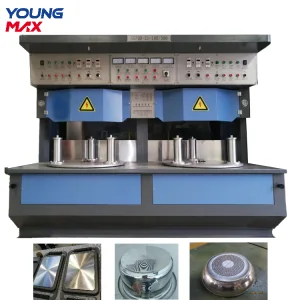
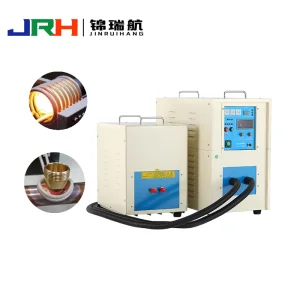
Specifically configured for rapid metal thermal processing, brazing, and quenching applications in heavy-duty environments.
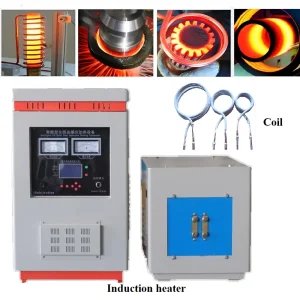
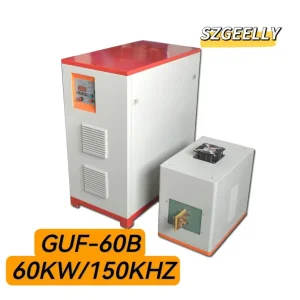
A comparative review of domestic mining extraction demands versus modern eco-friendly high-frequency thermal processing integration.
The Democratic Republic of the Congo (DR Congo) holds a sovereign position in global mineral reserves, notably containing over 70% of the world's cobalt and massive copper deposits across the Katanga Copper Belt (Lubumbashi, Kolwezi, Likasi). However, local mining operations and primary processing facilities face significant challenges in machinery component lifecycles, drill bit maintenance, and power line infrastructure integration.
Traditionally, mining operators have relied on oxygen-acetylene gas flame torch methods for repair, drill bit brazing, and pipe-shunt processing. This old tech suffers from poor thermal localization, high carbon fuel procurement costs, and severe safety hazards. Implementing high-frequency induction brazing systems allows Congolese metallurgical service centers to reduce operating expenses, prevent metal phase deterioration, and improve joint reliability in heavy-duty machinery.
How advanced solid-state IGBT technology improves precision, reduces energy waste, and ensures long-term system reliability.
The global metal joining sector is rapidly transitioning toward high-frequency induction brazing systems. By utilizing electromagnetic induction, heat is generated directly inside the workpiece (skin effect) rather than applied externally. This localized, ultra-fast heating minimizes the Heat Affected Zone (HAZ), prevents grain growth in structural steels, and eliminates surface oxidation.
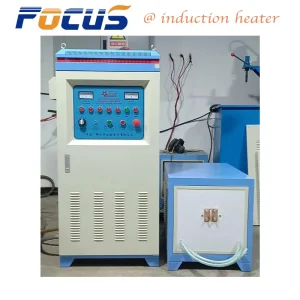
For operations in DR Congo, our integration of Siemens/Infineon IGBT solid-state modules with dual-frequency phase-locked loop (PLL) tracking guarantees dynamic load adaptation. If the distance from the induction coil shifts or the metal crosses its Curie temperature (losing magnetic properties), the generator automatically self-adjusts to maintain stable power transfer. This prevents common failure points like cold joints or overheating.
Specially adapted high-performance models designed to operate continuously under high dust and temperature fluctuations.
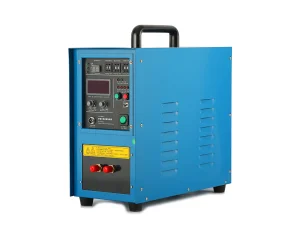
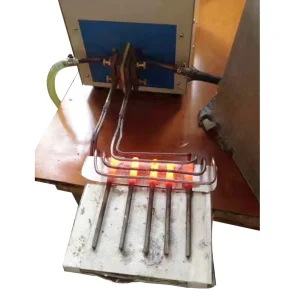
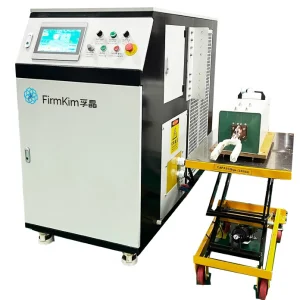
Global OEM/ODM Manufacturer of High-Frequency Heating and Specialized Thermal Machinery
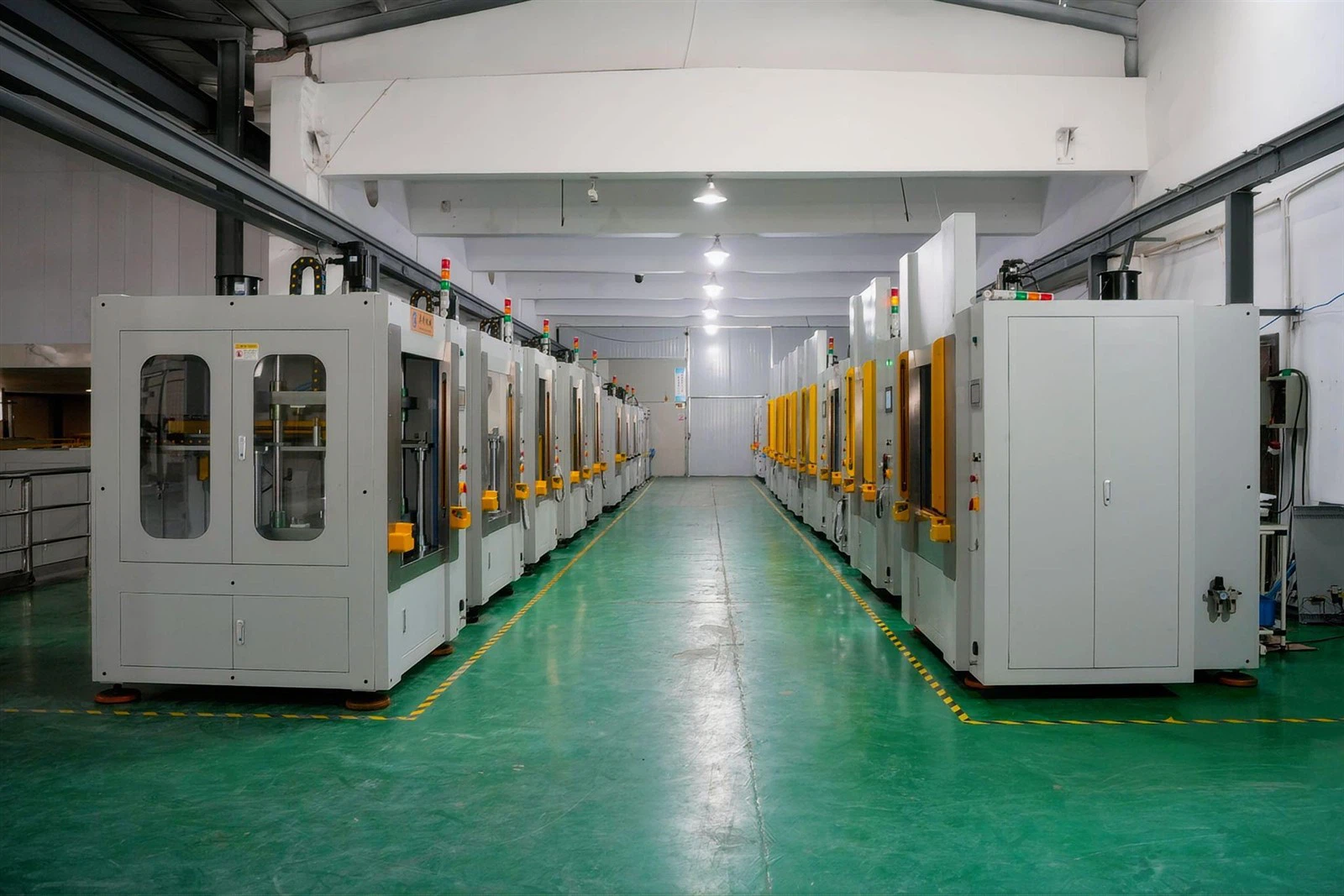
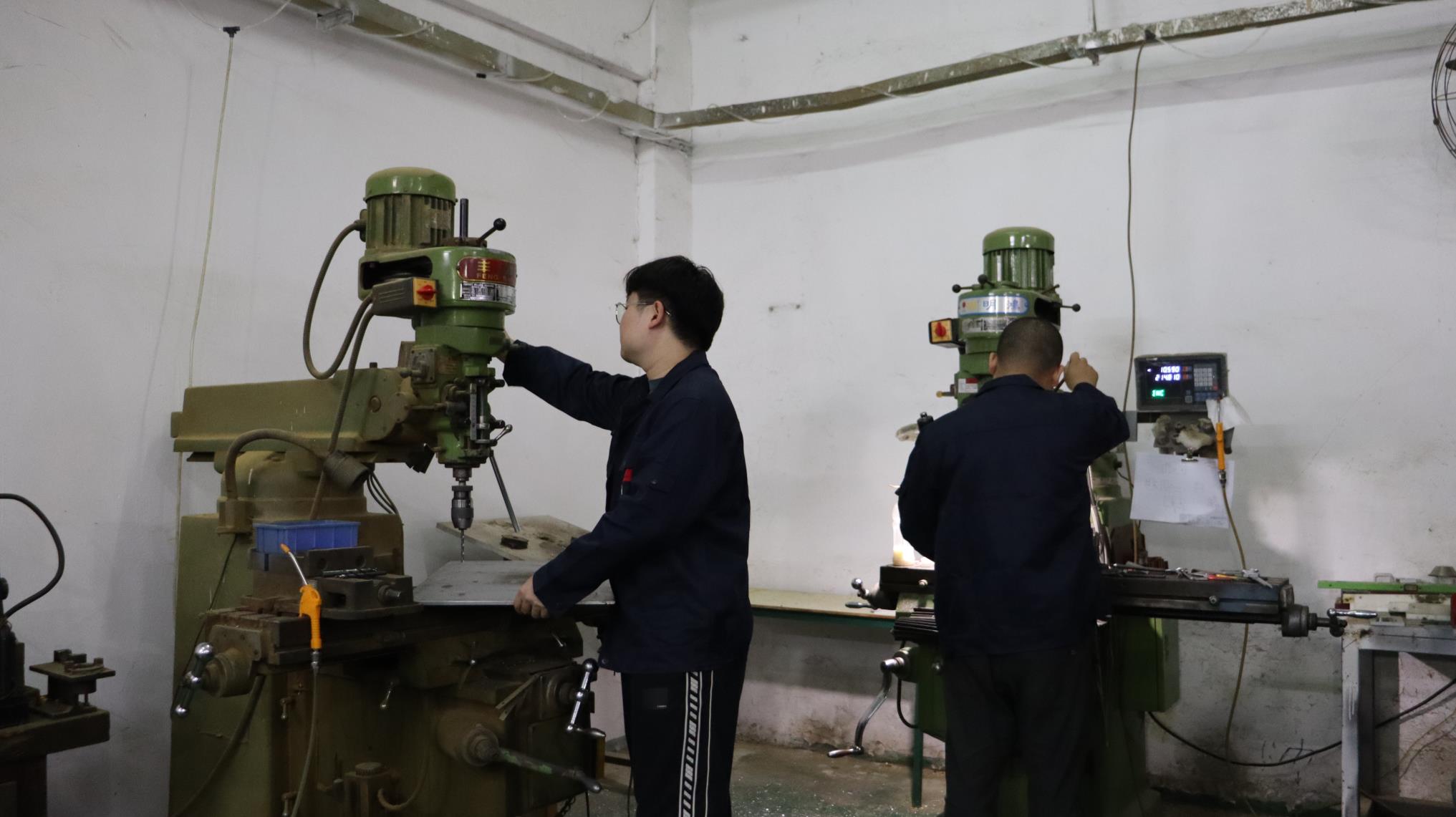
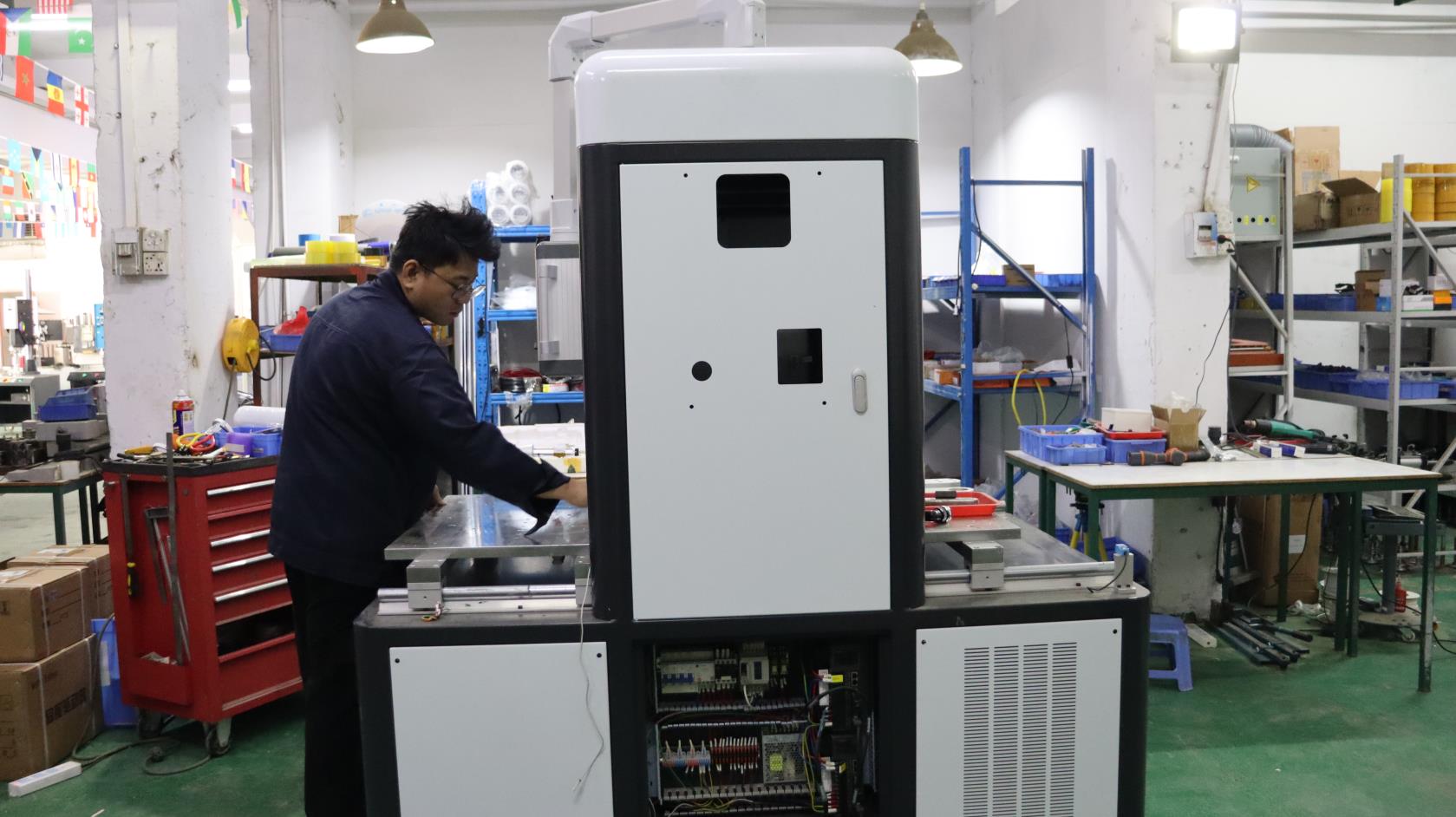
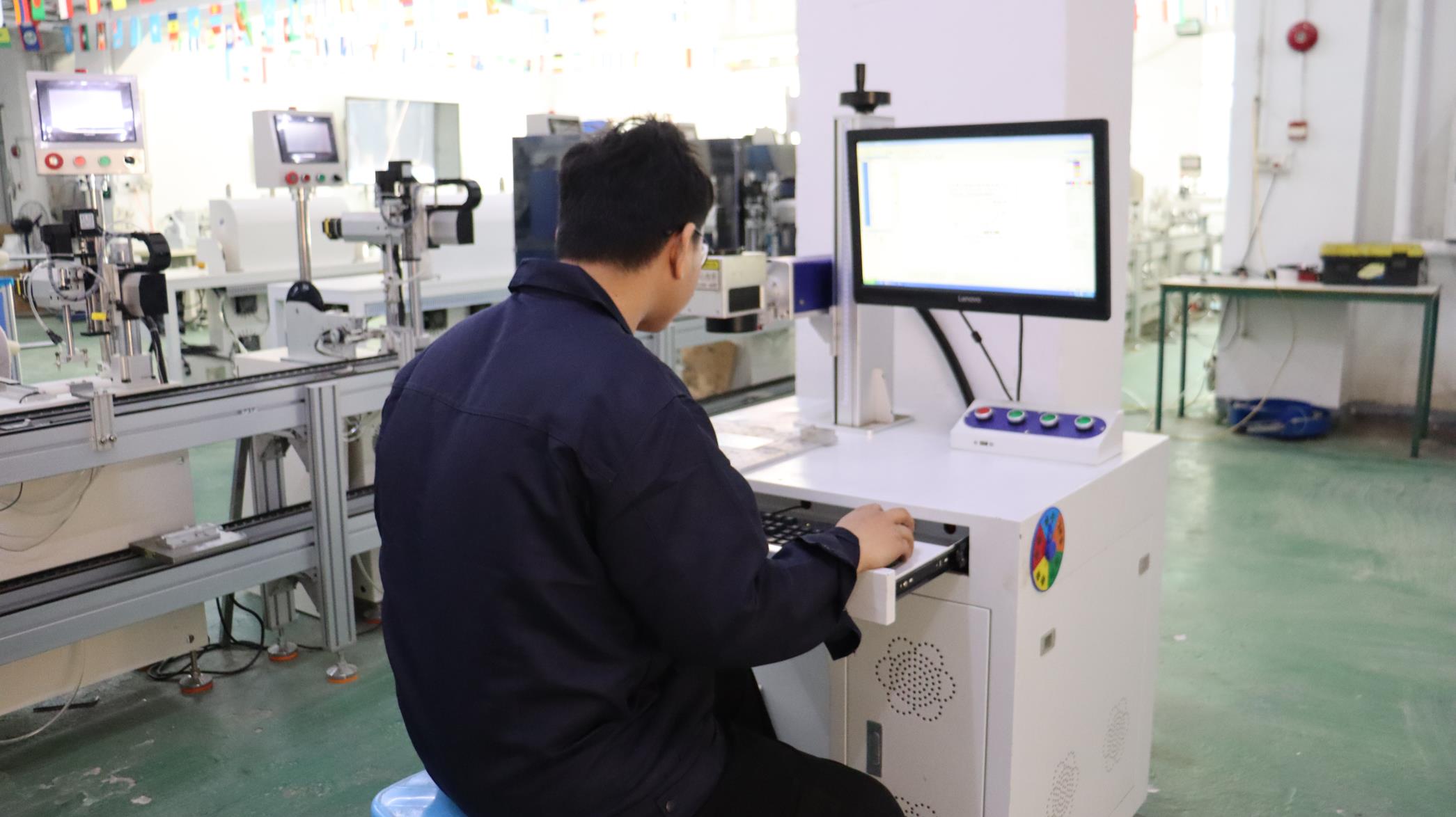
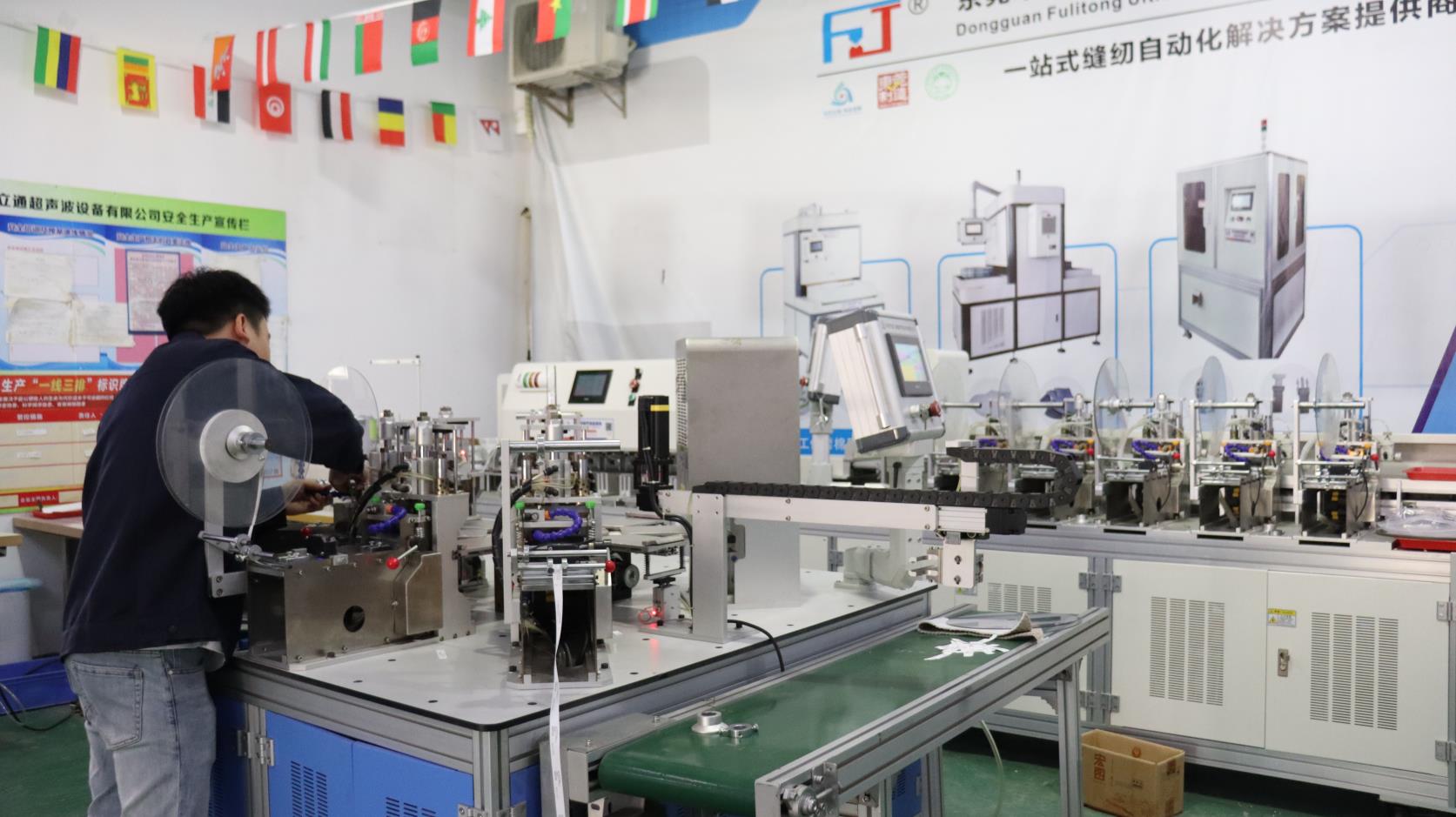
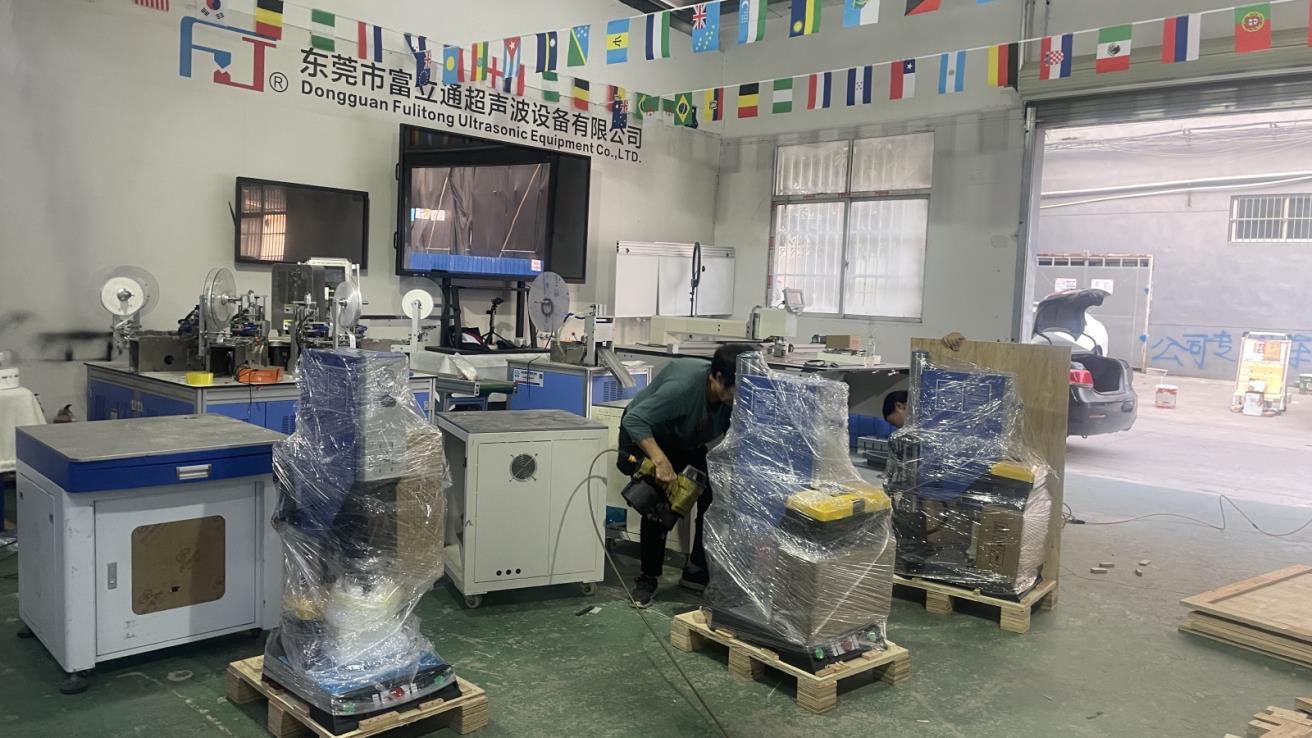
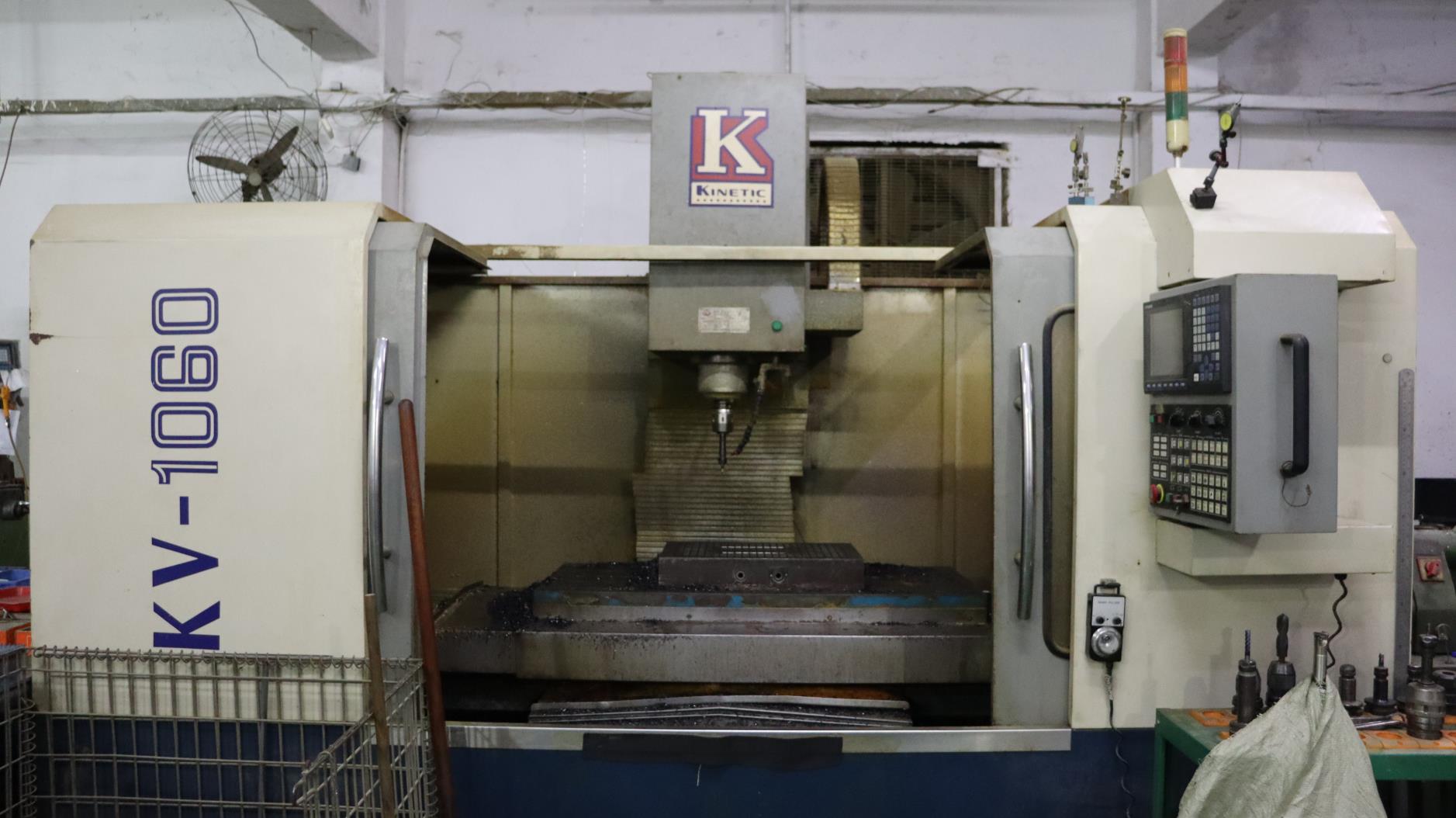
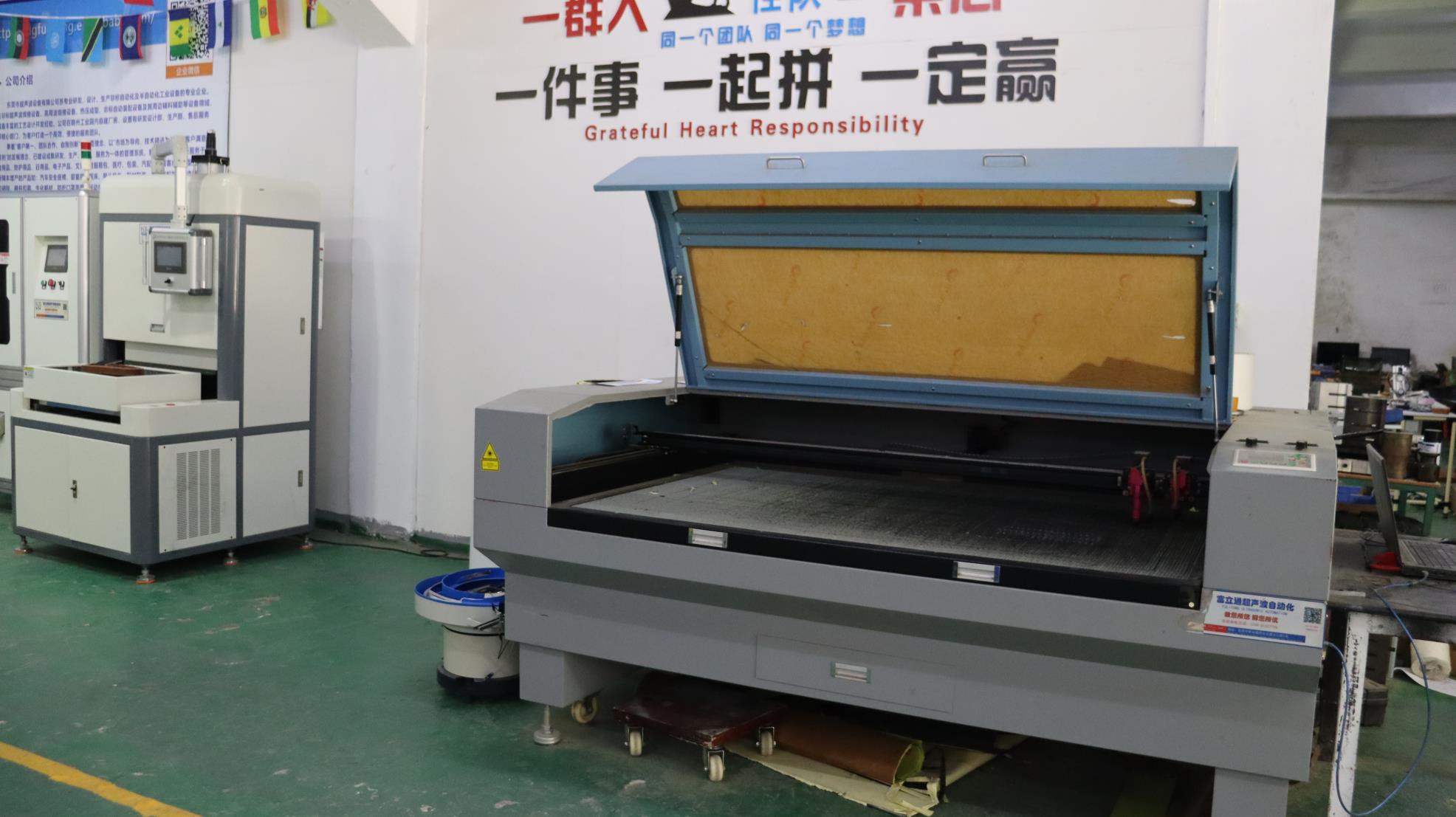
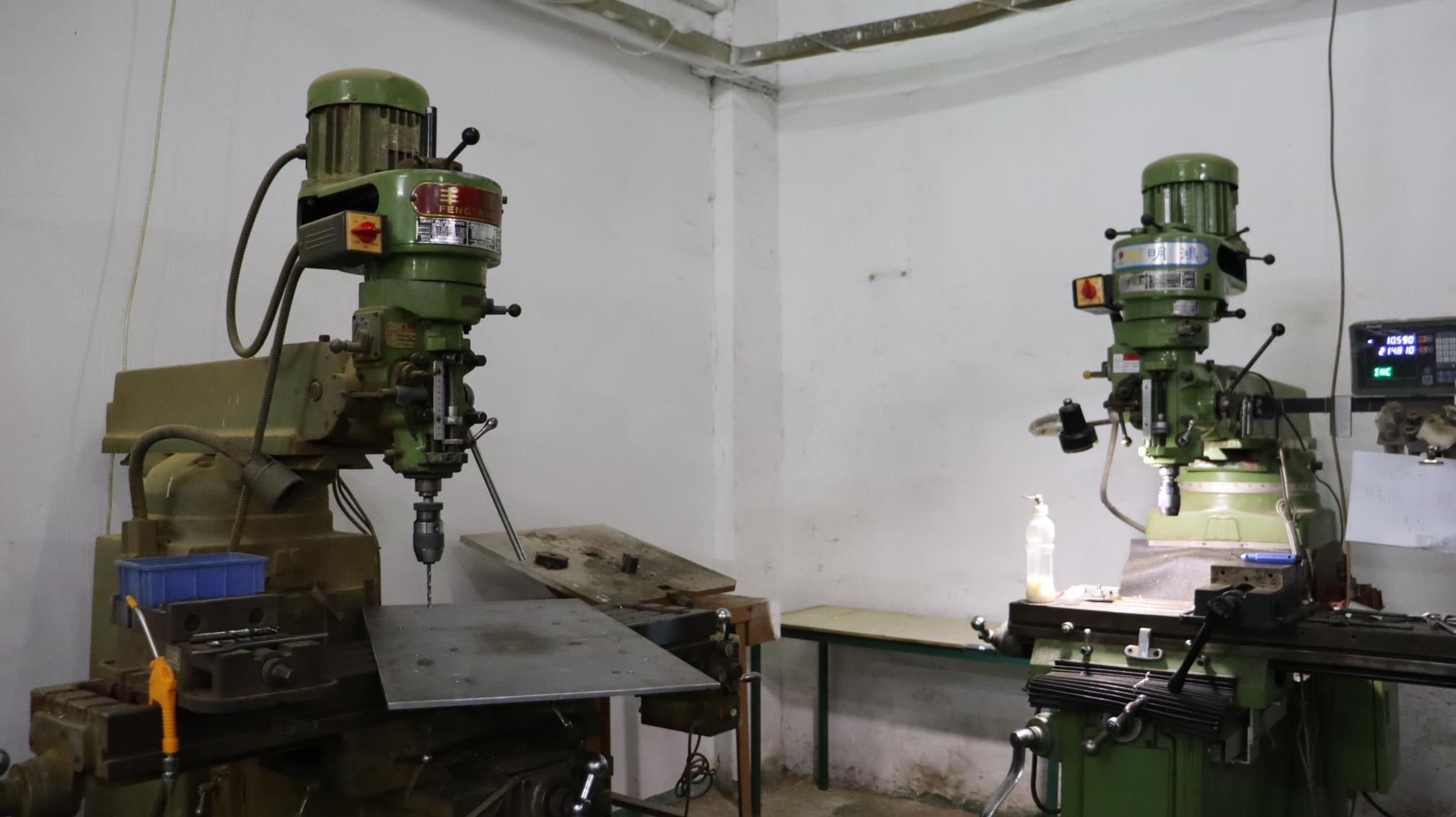
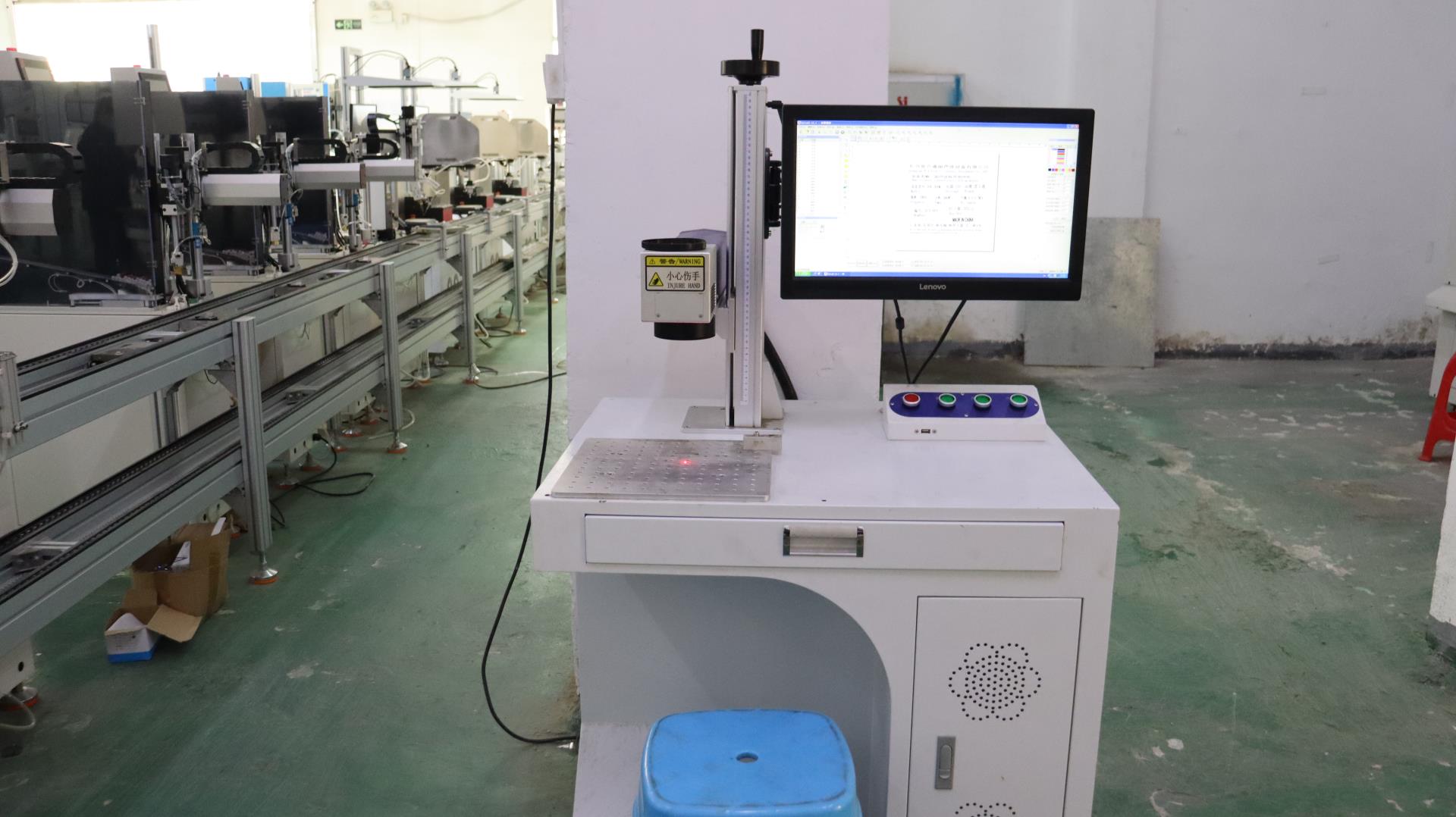
Covering a modern industrial factory building area of 7,000 square meters, Zhejiang Heping Mechanical Equipment Co., Ltd. is a leading manufacturing enterprise integrating high-frequency thermal systems, R&D engineering design, production, international sales, and technical service. With decades of expertise in customized high-frequency induction generators, we supply heavy mining contractors, motor rewinding companies, and infrastructure builders worldwide.
We possess strong capabilities in the design, R&D, and production of non-standard mechanical systems. We can customize various specialized heating solutions (including custom multi-turn induction coils, split-type coaxial transformers, and automatic coolant chillers) to meet the unique challenges of our clients in Africa, South America, and Central Asia.
We build customized, non-standard mechanical systems and custom induction coil shapes to match complex part geometries.
Our company holds 6 utility model patent certificates (including ZL202420005404.9, ZL202420005354.4, and ZL201921574530) ensuring verified design safety.
We offer engineering and technical support, providing troubleshooting, parts, and guidance for harsh industrial locations.
Real-world engineering implementations for the primary metal sectors and regional repair operations.
In the hard rock mines of Kolwezi, mining rotary drills and down-the-hole (DTH) hammer bits experience intense abrasive wear. Brazing tungsten carbide inserts (TCI) to the steel matrix body requires precise temperature control (typically between 650°C and 850°C) to prevent carbide stress cracking.
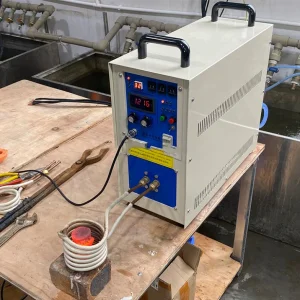
Our high-frequency generators heat only the joint zone where the alloy foil/paste is placed. This localized thermal cycle preserves the original toughness of the tool steel body while forming a high-strength joint that can withstand heavy impacts.
High-current rectifiers and electric arc furnaces in Katanga smelters rely on massive solid copper busbars to transport electricity. Brazing these thick busbars with oxygen gas causes heat to escape into the rest of the copper, leading to oxidation.
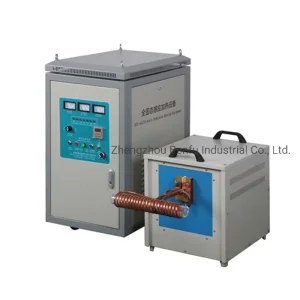
High-power induction heating concentrates energy right at the joint, completing the braze in seconds. This prevents thermal degradation, limits electrical impedance changes, and lowers post-braze cleanup costs.
Heavy hydraulic mining machinery operates under high pressure (often over 350 bar). Any micro-voids in the hydraulic pipe joints can lead to leakage, downtime, or environmental issues.
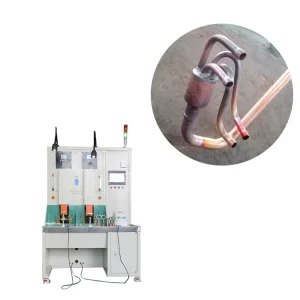
Our mobile split induction heaters allow technicians to perform on-site repairs right on the excavator frame. This localized heating ensures even flow of brazing alloy around the pipe joint, preventing pinholes and maintaining joint integrity.
For hot and dusty tropical mines, we recommend using closed-loop industrial water chillers with built-in filtration. This prevents lime scaling inside the copper induction coils and protects the internal electronics of the generator.
Explore our complete catalog of industrial heaters, digital welders, and specialized manual heating systems.
Practical advice on power stability, water cooling, and dust mitigation for remote industrial zones.
Electric grids in provinces like Lualaba or Haut-Katanga can experience voltage fluctuations. Our induction machines use wide-input IGBT drivers that can handle voltage variations of ±15%. For remote mining sites using diesel generators, we recommend using a stabilizing transformer to avoid sudden current peaks that could damage the capacitors.
Induction heating requires continuous cooling of the generator components and the copper coil. Using raw river or mine water can lead to mineral buildup inside the narrow copper tubes, which reduces heat transfer and can cause the coil to burn out. We recommend using a closed-loop system with distilled water and a chiller to keep operating temperatures below 40°C.
Mineral dust in open-pit copper mines can be conductive. Our induction heating systems feature an isolated internal air channel. This design separates the cooling airflow for the heat sinks from the sensitive electronic control board, preventing dust buildup and short circuits on the PCB.
1. Verify supply phase alignment (3-phase 380V/415V).
2. Check water pressure gauge (Must read above 0.2 MPa).
3. Select coil shape matching the diameter of the workpiece.
4. Adjust frequency settings according to the required heating depth.
Expert technical answers regarding the deployment, operation, and maintenance of high-frequency induction systems.
 Heping Mechanical