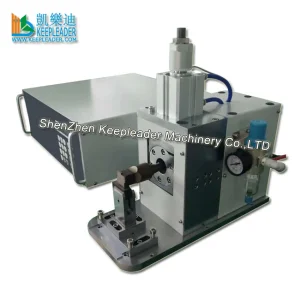
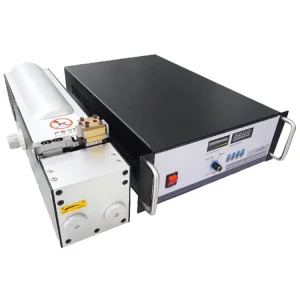
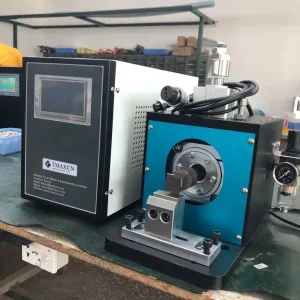
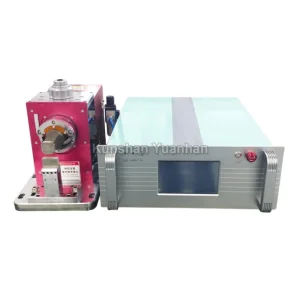
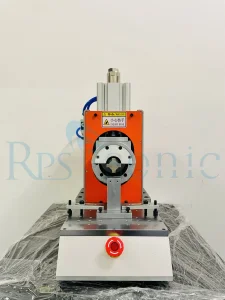
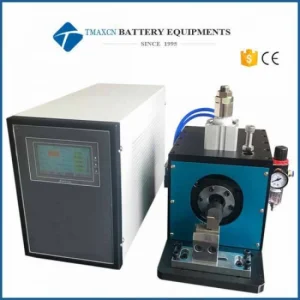
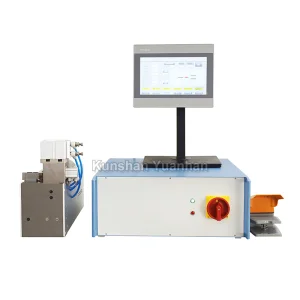
Providing high-precision engineering for industrial plants, automotive harness assemblers, and battery assembly centers across Lima, Callao, and the Lurín Industrial Zone.
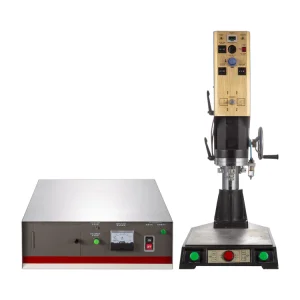
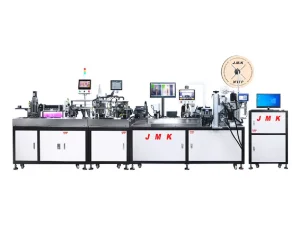
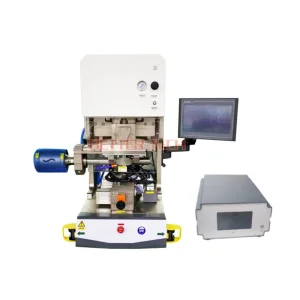
Lima, Peru, is undergoing a substantial industrial diversification. Historically defined by raw material exportation and mining, Lima's industrial zones (such as Ate, Huachipa, Lurín, and Callao) are rapidly developing downstream manufacturing capabilities. Notably, the local assembly of electronic components, automotive wire harnesses, sub-assemblies for copper mining distribution equipment, and local battery-pack integration has driven the demand for precision solid-state metal welding machines.
In particular, the expansion of renewable energy systems and electrical grid infrastructure projects within Lima requires robust, low-resistance connections. Traditional fusion welding or soldering methods are increasingly failing to meet modern conductivity and durability standards. Our high-frequency ultrasonic metal welding systems supply Lima's factories with state-of-the-art cold-phase friction welding, avoiding the oxidation, thermal distortion, and structural embrittlement common to conventional methods.
By bypassing melting phases, the molecular bonding achieved by ultrasonic metal spot welders ensures that components retain 100% of their electrical and structural characteristics, making them highly suited for Lima's humid coastal climate, which can accelerate corrosion on standard soldered points.
Ultrasonic metal welding (UMW) is a solid-phase welding process that creates a joint via localized high-frequency shear vibrations. Unlike plastic welding, which melts the contact interfaces using thermal energy, metal welding relies on high pressure and acoustic energy to disperse surface oxides and contaminants, inducing plastic deformation at a molecular level.
High-frequency oscillations (usually 20kHz to 35kHz) create mechanical friction that disrupts surface oxides, revealing pristine metal lattices under pressure without relying on chemical flux.
Temperatures rarely exceed 35% to 50% of the metals' melting points. This eliminates heat-affected zones (HAZ), preventing brittle intermetallic layers when joining dissimilar metals like Copper to Aluminum.
Because there is no foreign solder material, the joint resistance is virtually identical to that of the parent metal, securing high electrical conductivity and minimal thermal build-up under high currents.
| Welding Process Parameter | Traditional Resistance Welding | Ultrasonic Metal Welding | Laser Beam Welding |
|---|---|---|---|
| Thermal Input / Heat Zone | Very High (Melts target metal) | Minimal (Solid-state cold joint) | High (Narrow heat-affected zone) |
| Consumables Cost | High (Electrodes wear out quickly) | Extremely Low (Only periodic tool replacement) | Medium (Gas, protective optical shields) |
| Dissimilar Metal Capability (Cu-Al) | Poor (Forms brittle alloys) | Excellent (Perfect molecular interleaving) | Fair (Needs precise control or interlayer) |
| Energy Consumption | High (High current flow through materials) | Low (Up to 80% energy savings) | High (Requires heavy cooling systems) |
| Cleanliness & Environment | Spatter, fumes, chemical residues | Zero emissions, clean process | Requires extraction systems |
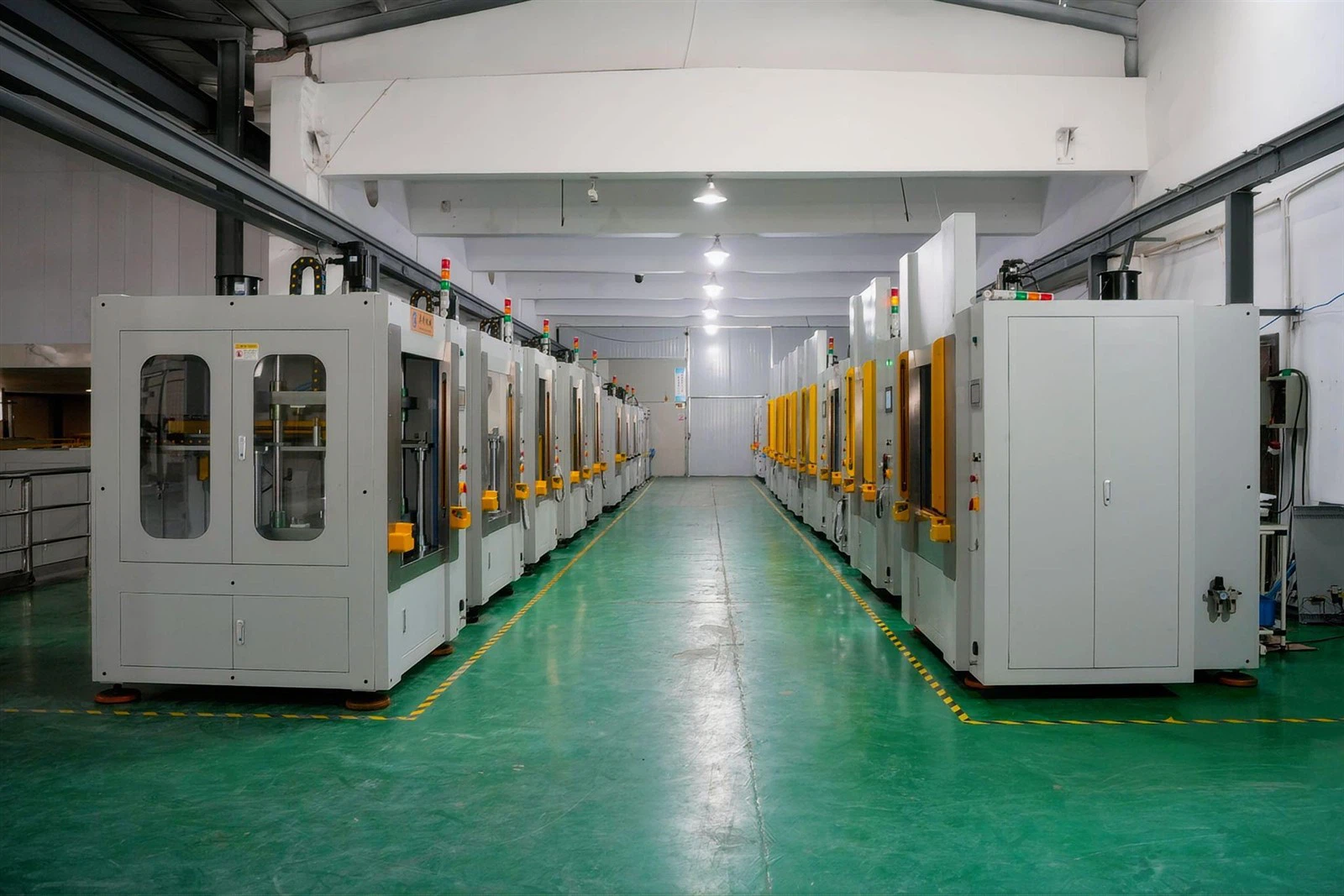
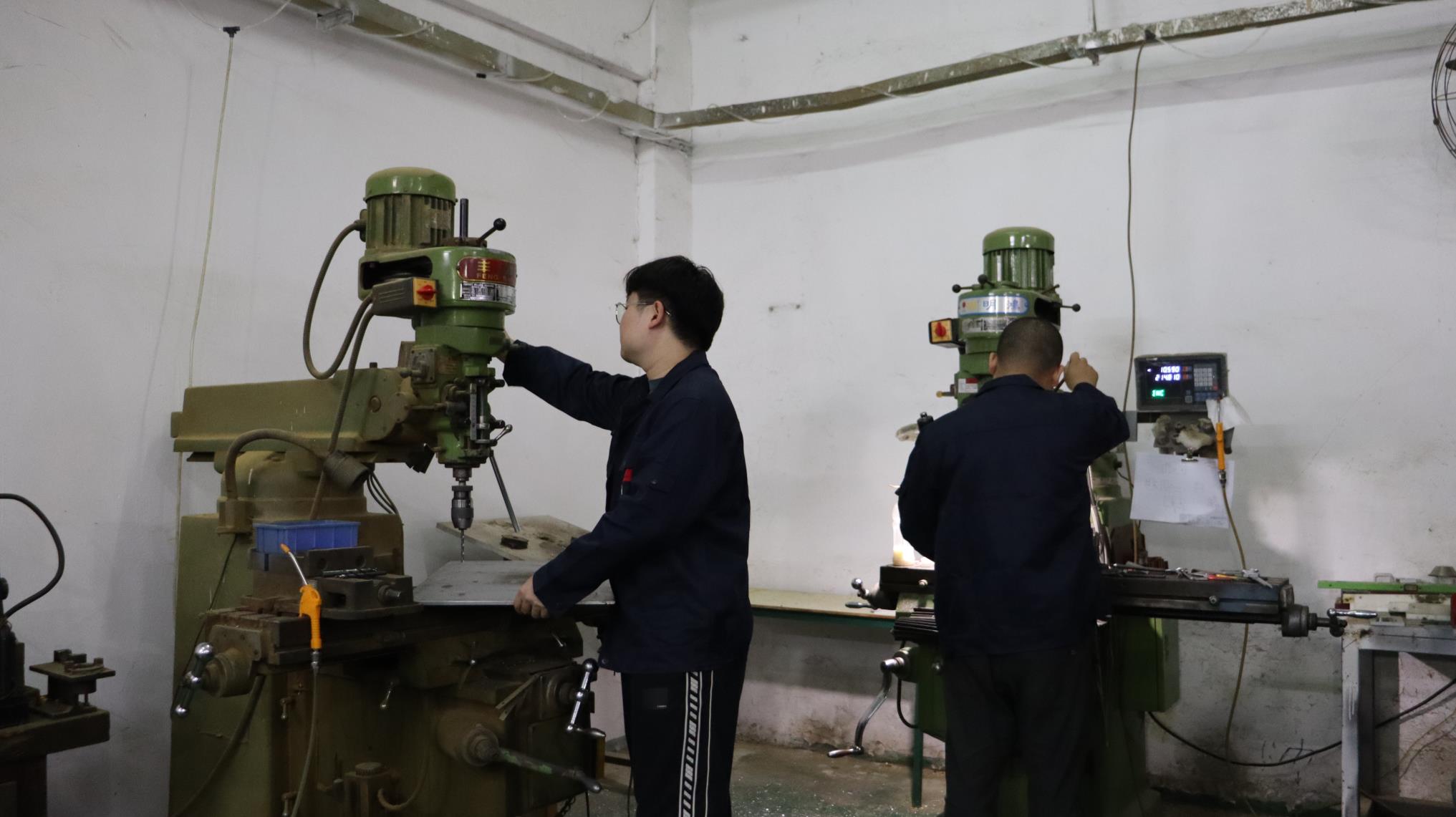
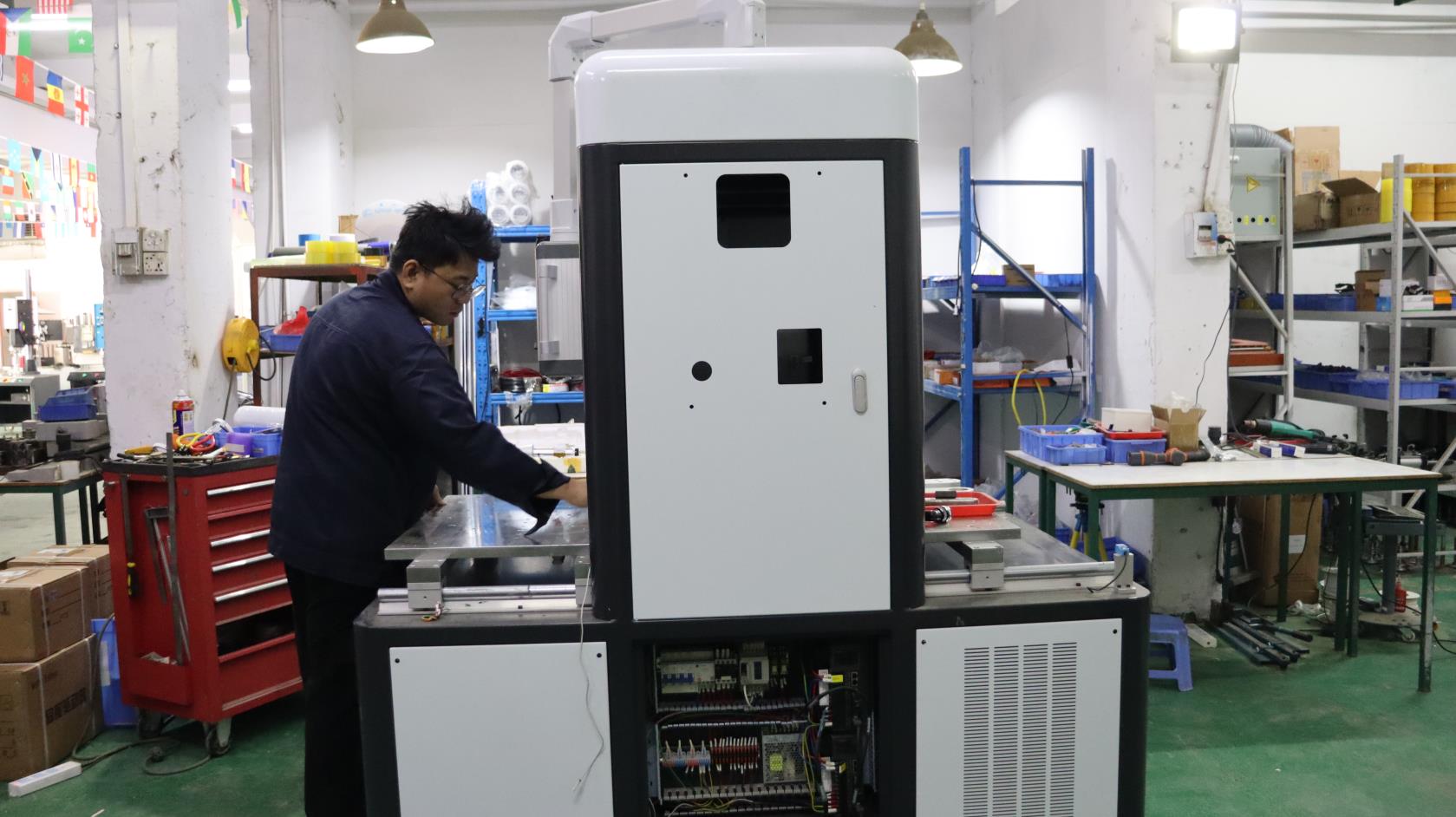
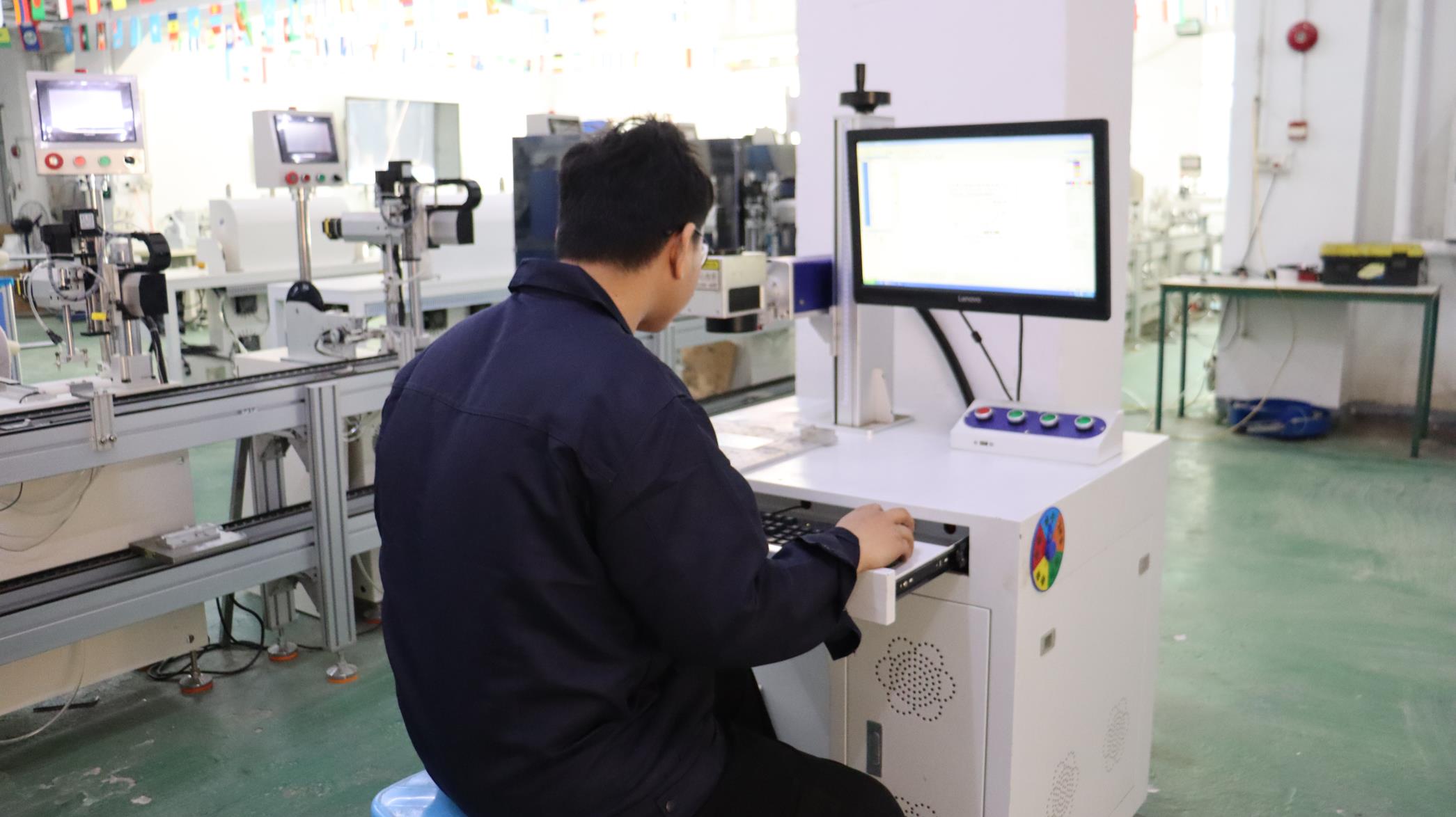
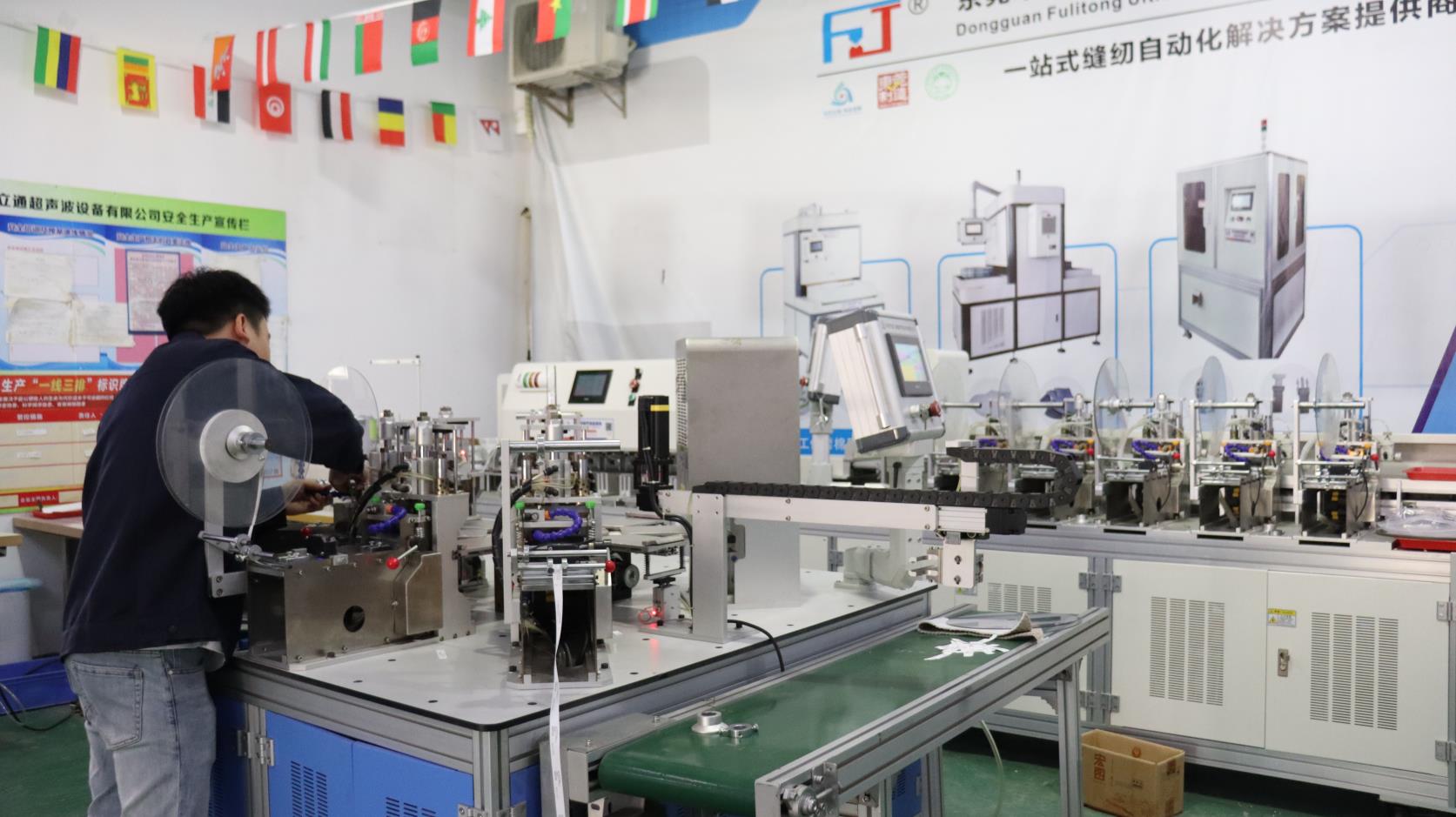
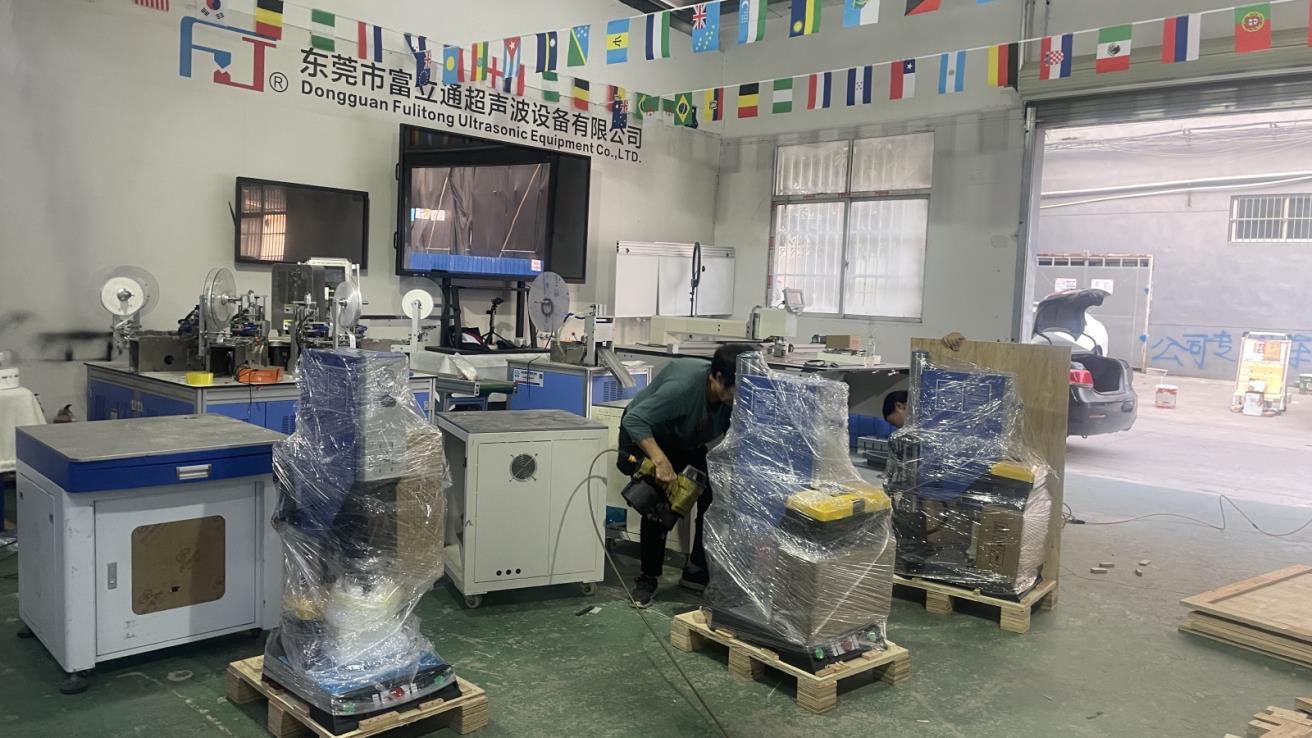
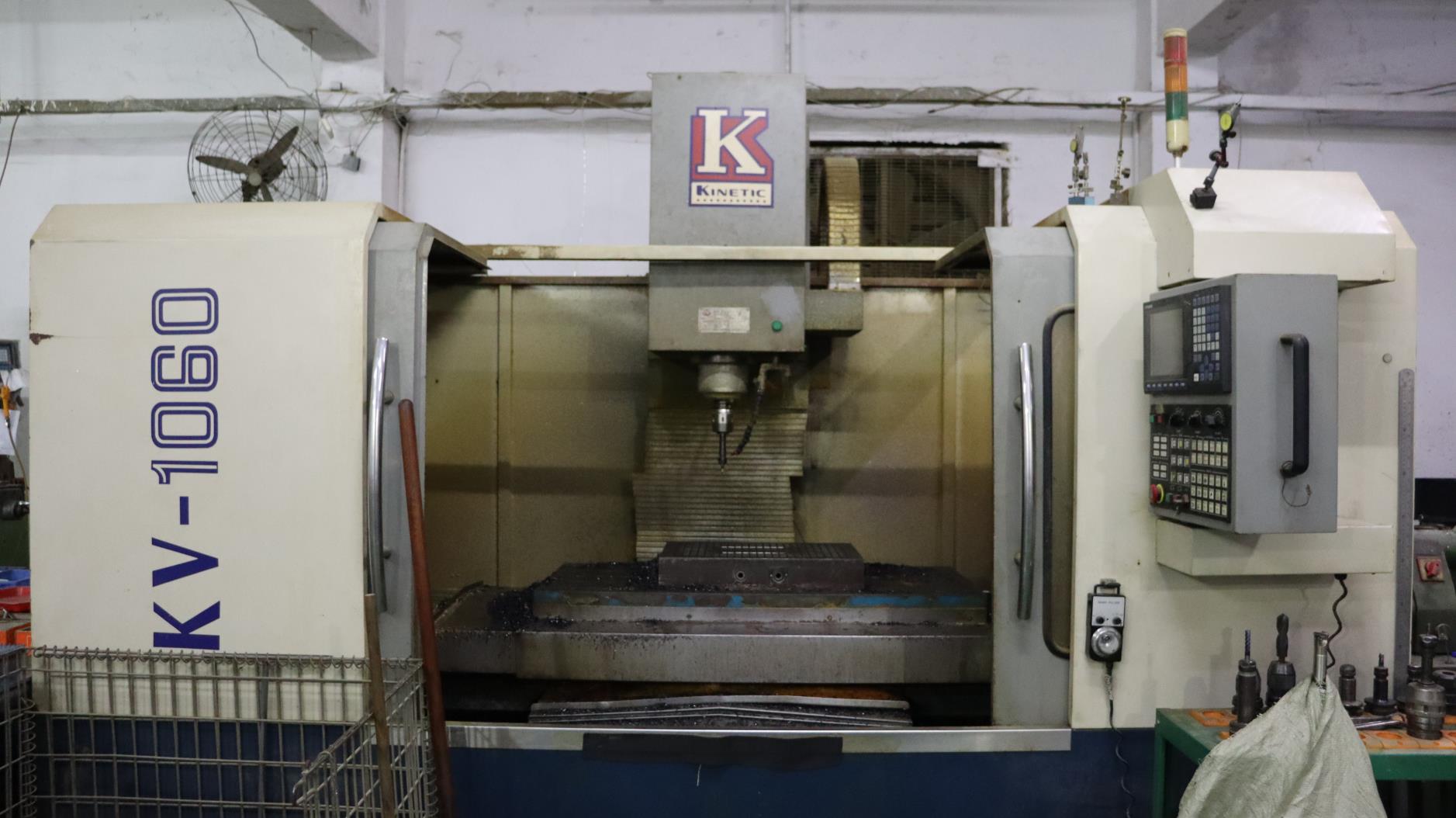
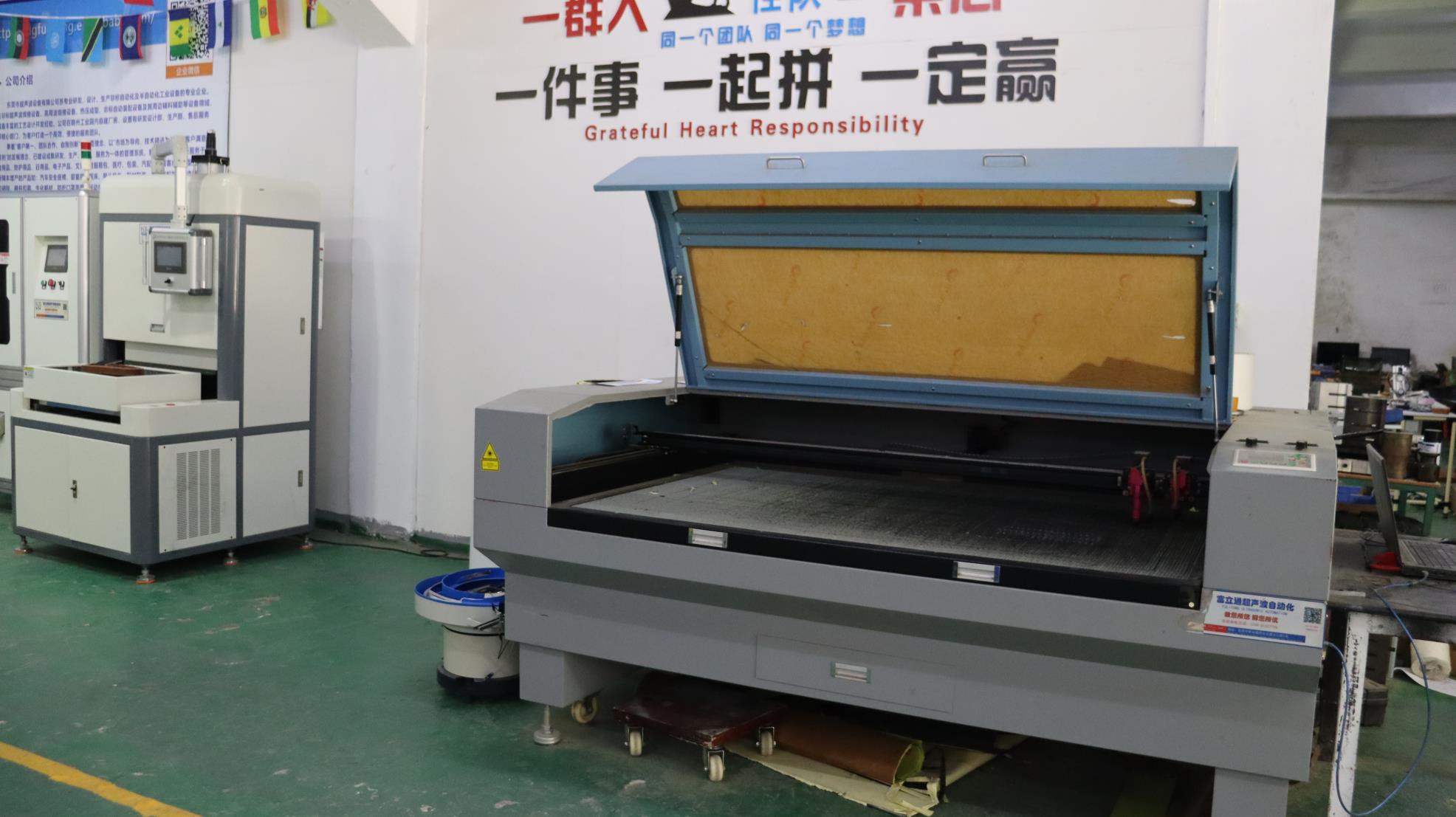
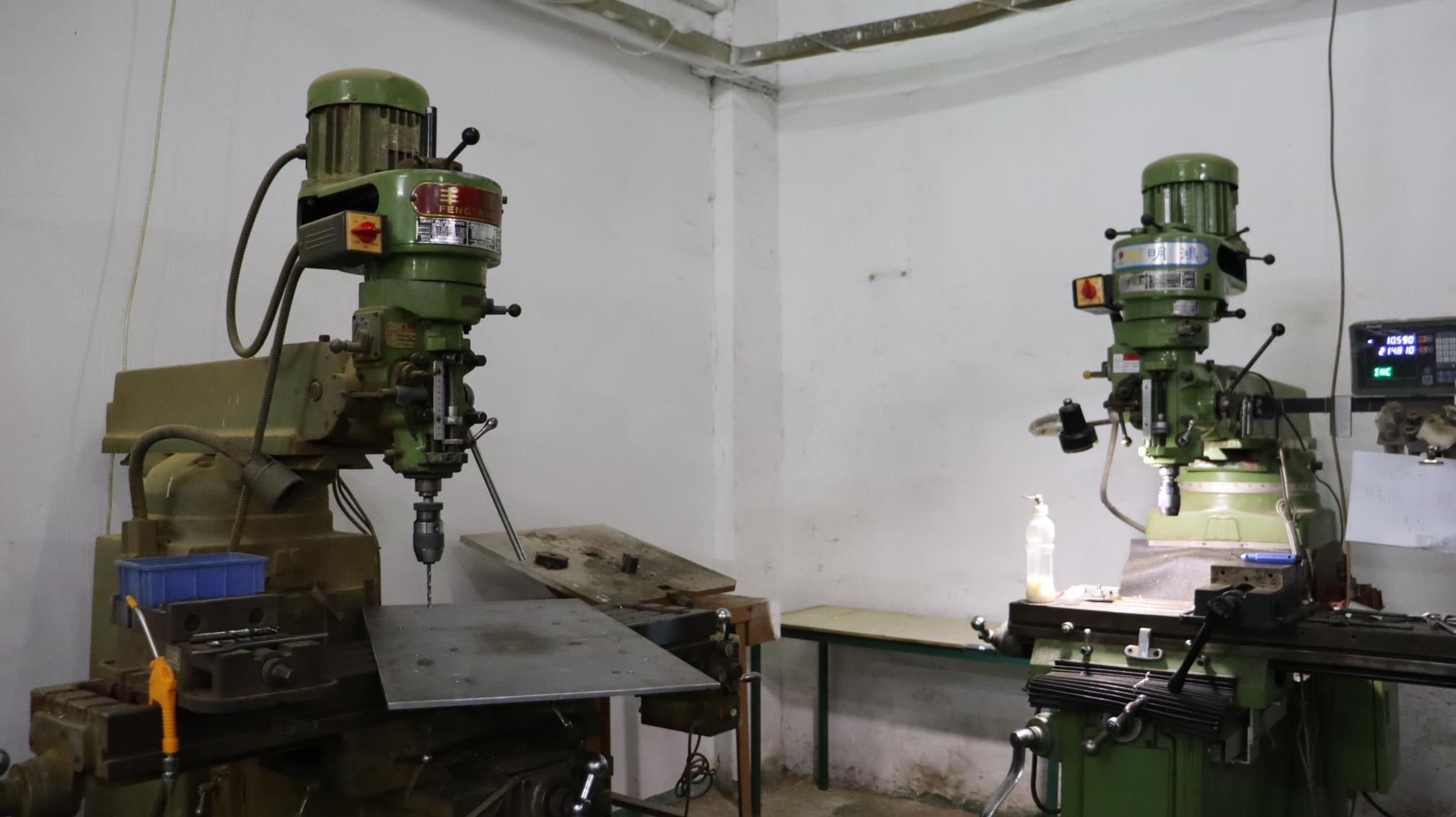
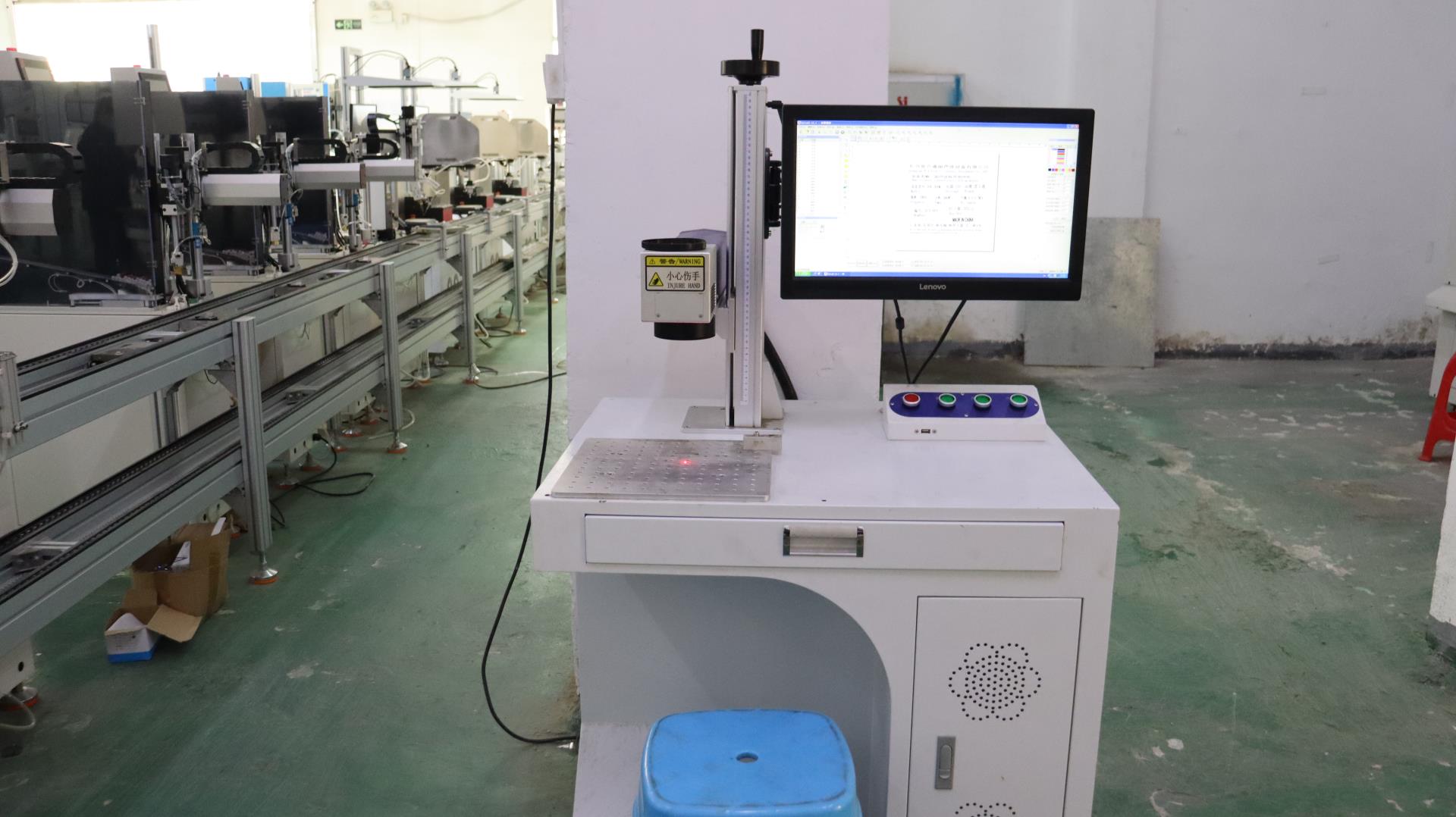
Covering a factory building area of 7,000 square meters, we are a manufacturing enterprise integrating plastic welding, R&D design, production and manufacturing, as well as sales and service.
We possess strong capabilities in the design, R&D, and production of non-standard mechanical products, and can customize various special-purpose mechanical equipment according to customer needs. The company has obtained 6 utility model patent certificates, with patent numbers ZL202420005404.9, ZL202420005354.4, ZL202420005309.9, and ZL201921574530.
We strive to let customers share our core advantages—high quality, excellent service, and impeccable welding performance—when purchasing our products, enabling you to operate without worries in the highly competitive Peruvian and global markets.
Equipped with high-quality, skilled, and experienced engineering and technical personnel, we provide customers with professional, efficient, and comprehensive after-sales service to resolve production-related concerns globally.
Modern production facilities demand high reliability, cycle efficiency, and real-time process monitoring. Our systems integrate advanced PLC controllers with pneumatic actuators and high-efficiency transducers to supply consistent results across several demanding sectors:
Multi-core cable splicing, wire crimping, and electrical connection plates. Provides low contact resistance and high resistance to vibrational pull forces, crucial for automotive harnesses.
Welding thin copper foils, aluminum tabs, and nickel tags. Our low-energy solutions prevent thermal runoff and tab distortion during assembly.
Heavy-duty copper lugs, copper-to-aluminum transitions, and busbars. Provides robust welds that resist high thermal cycles and corrosive atmospheric conditions.
As microelectronics and electric transport systems progress, the demands on welding machines are shifting. The roadmap points toward finer frequency configurations (up to 40kHz for micro-foils) and high-load machinery (20kHz, 5000W+) capable of splicing wire harnesses up to 50mm² and beyond in one operation cycle. Furthermore, the integration of real-time acoustic emission feedback and AI-driven quality validation is becoming standard, ensuring each weld falls within specified parameters before moving along the line.
Explore our complete list of industrial ultrasonic metal spot welders, wire harness splicers, and specialized battery tab welding machines, designed for international standards and local requirements in Peru.
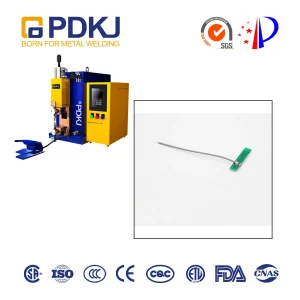
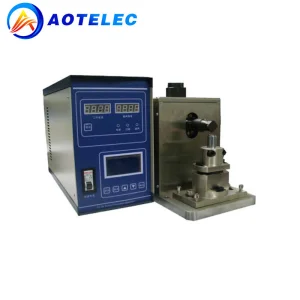
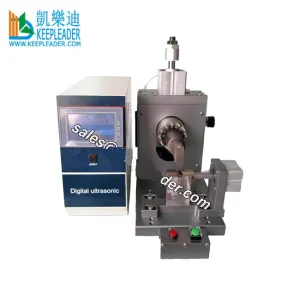
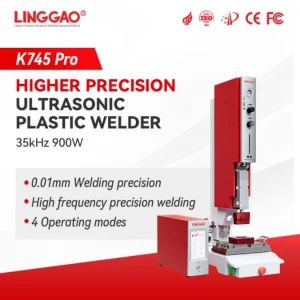
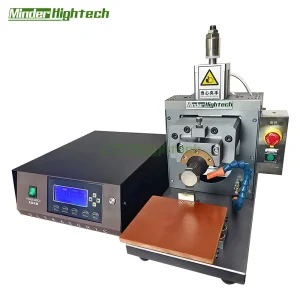
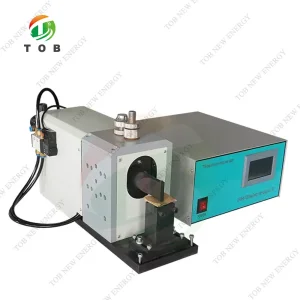
Exporting high-technology machinery to South America requires compliance with localized customs regulations and technical specifications. We provide complete supporting measures to guarantee seamless delivery and operation in Lima:
Peru standardizes on 220V at 60Hz. All of our ultrasonic systems shipped to Lima are factory-configured to match localized industrial power grids, ensuring voltage stability and avoiding controller malfunctions.
We supply full documentation including Certificates of Origin, CE declarations, and complete packing sheets to clear customs smoothly at the Port of Callao, minimizing import delays.
We provide video guidance, comprehensive technical manuals, and live engineering support. If you require specialized horn configurations, our R&D department will model and test them prior to shipping.
We address the critical engineering queries raised by procurement teams and production managers when integrating ultrasonic metal welding systems.
Ultrasonic plastic welding directs high-frequency vibration *longitudinally* into the parts to create frictional heat and melt the joint. Ultrasonic metal welding directs vibration *transversely* (shear action) under high pressure. This action shears off oxide barriers and creates solid-state diffusion, joining the metals at a molecular level without melting.
Ultrasonic welding is suitable for highly conductive, ductile metals, particularly Copper, Aluminum, Brass, Nickel, and Gold. Generally, the process is optimized for wires up to 50mm² cross-section, and sheet/foil stack thicknesses under 3-4mm. Beyond these bounds, the energy required rises rapidly, which may result in tool slippage or fatigue.
Sonotrode lifetime depends heavily on the materials being welded (e.g., hard nickel wears tooling faster than soft aluminum) and welding pressure. Typically, high-quality tool steels or titanium horns last between 500,000 and 2,000,000 welds. Many of our horns are designed with multiple indexable welding faces to double or quadruple their operational life before replacement is necessary.
Our generators feature automatic frequency tuning and tracking alongside real-time parameter tracking (energy, time, and welding depth bounds). If a weld fails to meet the specified height or energy criteria, the system flags an alarm, preventing defective assemblies from moving forward on your production line.
 Heping Mechanical