The global welding equipment market is currently undergoing a massive transformation driven by Industry 4.0 and the rapid evolution of manufacturing technologies. High-efficiency welding machines are no longer just tools for joining materials; they have become integrated digital workstations that ensure the structural integrity of products in sectors as diverse as aerospace, automotive, renewable energy, and medical device manufacturing. Today, the demand for precision, repeatable quality, and energy efficiency has pushed manufacturers to seek out "Top 10" level suppliers who can provide not only hardware but also intelligent process control.
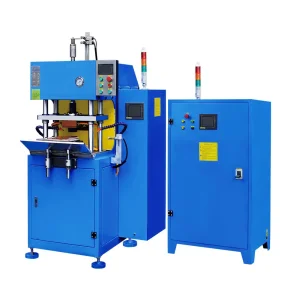
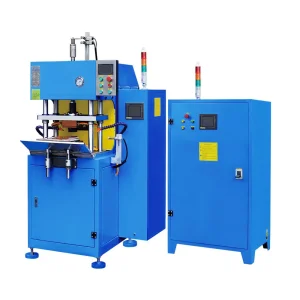
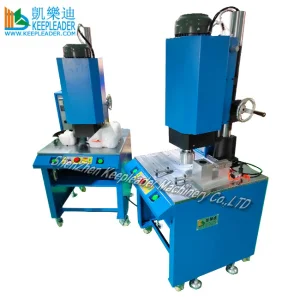
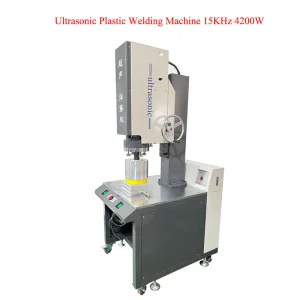
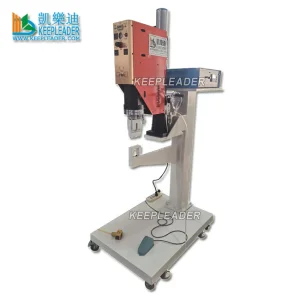
As the world pivots toward sustainable manufacturing, high-efficiency welding solutions like Ultrasonic Friction Welding and Linear Vibration Welding are gaining immense popularity. These methods eliminate the need for adhesives or mechanical fasteners, reducing both weight and environmental impact. In North America and Europe, the focus has shifted toward automated production lines that require minimal human intervention, while emerging markets in Southeast Asia and South America are rapidly upgrading their industrial infrastructure to accommodate high-volume production of consumer electronics and automotive components.
Supplying critical welding technology to over 50 countries, supporting the growth of localized manufacturing hubs in Europe, Asia, and the Americas.
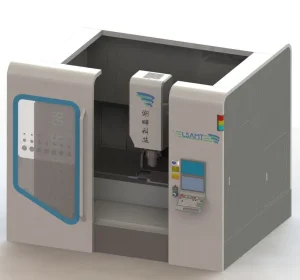
Advanced CNC and PLC-controlled systems allow for real-time monitoring of welding parameters, ensuring zero-defect production cycles.
Focusing on eco-friendly welding processes that consume less energy and eliminate toxic chemical byproducts during assembly.
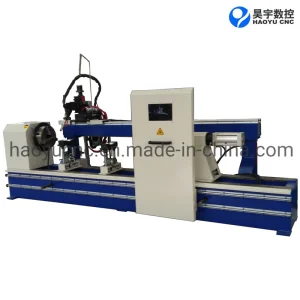
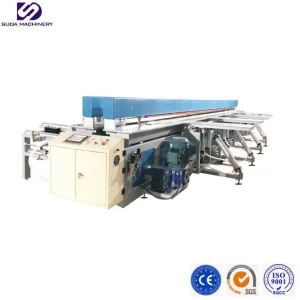
The future of welding is being shaped by three major technological pillars: Automation, Material Versatility, and Data Analytics. We are seeing a significant move away from manual welding toward fully automated production lines. Machines like the "Automated Welding Production Line for Safes" represent this shift, where non-standard customization allows for seamless integration into existing factory workflows.
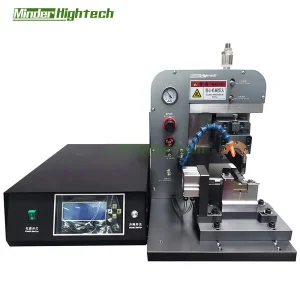
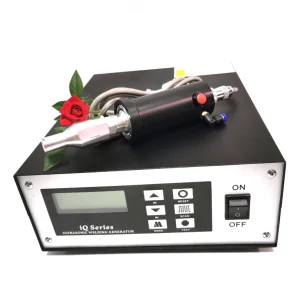
Another key trend is the ability to weld dissimilar materials. With the rise of Electric Vehicles (EVs), the need to join aluminum plates to galvanized sheets or bond complex thermoplastic polymers has become a standard requirement. Technologies such as Ultrasonic Metal Spot Welding are now critical for battery wire harness terminals, providing high-conductivity joints without the heat damage associated with traditional arc welding. Furthermore, the miniaturization of electronic components is driving the demand for portable, high-frequency ultrasonic spot welders that offer extreme precision in tight spaces.
"The integration of AI-driven diagnostics in welding machines is projected to reduce maintenance downtime by 30% by 2026."
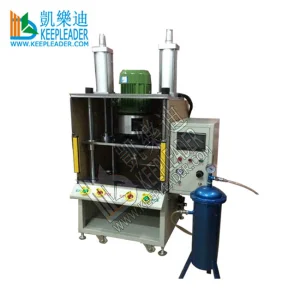
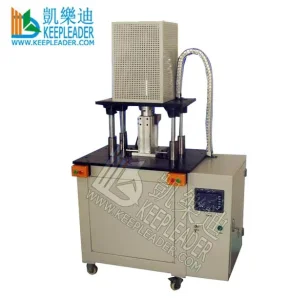
Welding of PP car water tanks, oil filters, and internal automotive parts using spin and vibration welding to ensure leak-proof performance under high pressure.
Assembling PP hollow board boxes and corflute box assemblies using ultrasonic spot welding for lightweight yet durable industrial packaging.
Automated linear vibration welding for hydraulic cylinder rod ends, providing the structural strength required for heavy-duty construction equipment.
Ultrasonic metal splicing for copper and aluminum wire harnesses, essential for the high-conductivity requirements of modern gadgets and EVs.
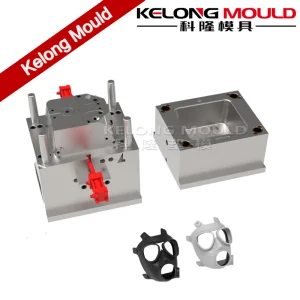
Welding of plastic masks, processing shields, and medical grade thermoplastic containers where clean-room compatibility is paramount.
Custom production lines for safe boxes and heavy-duty storage units utilizing high-power spotter welders and CNC fusion machines.
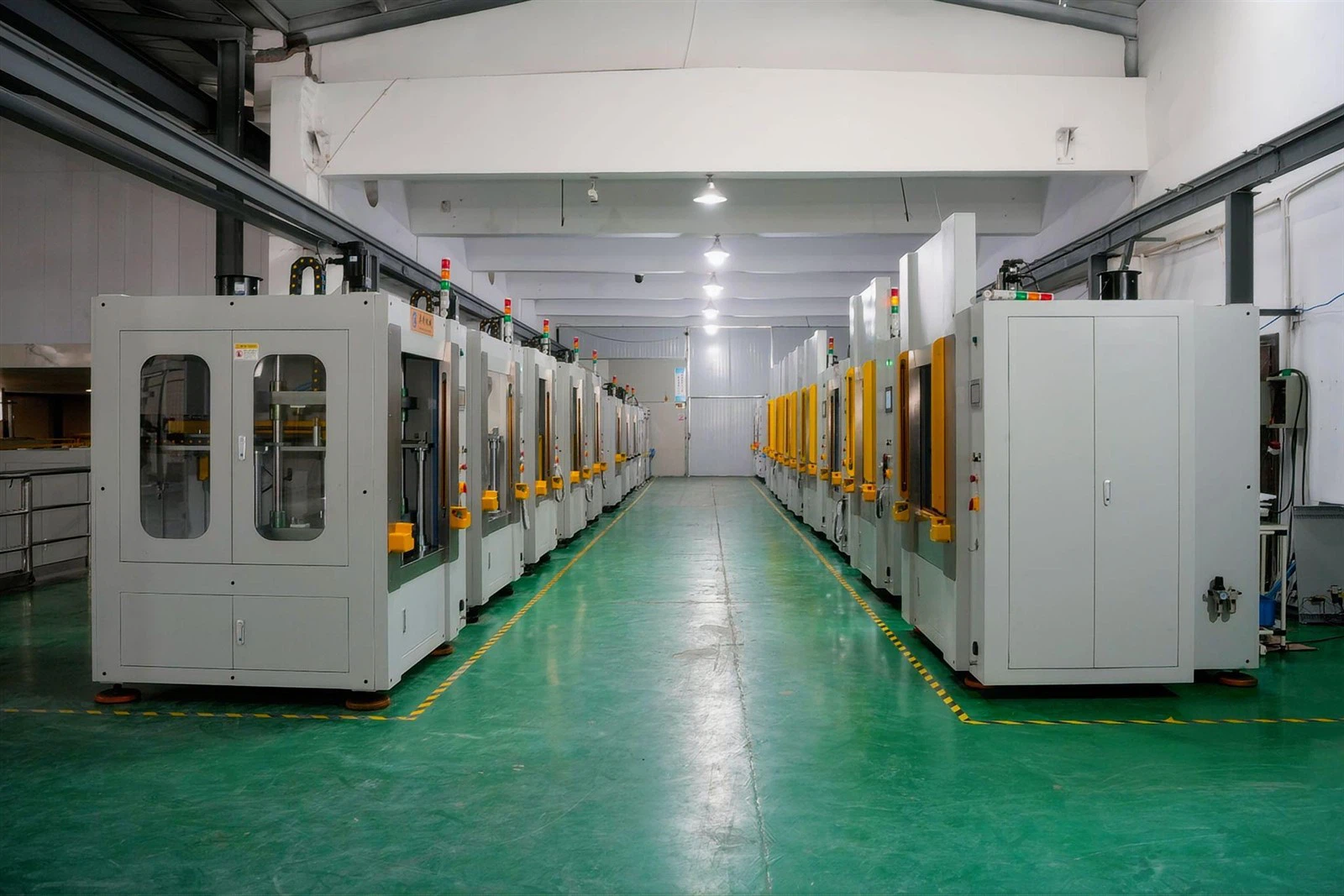
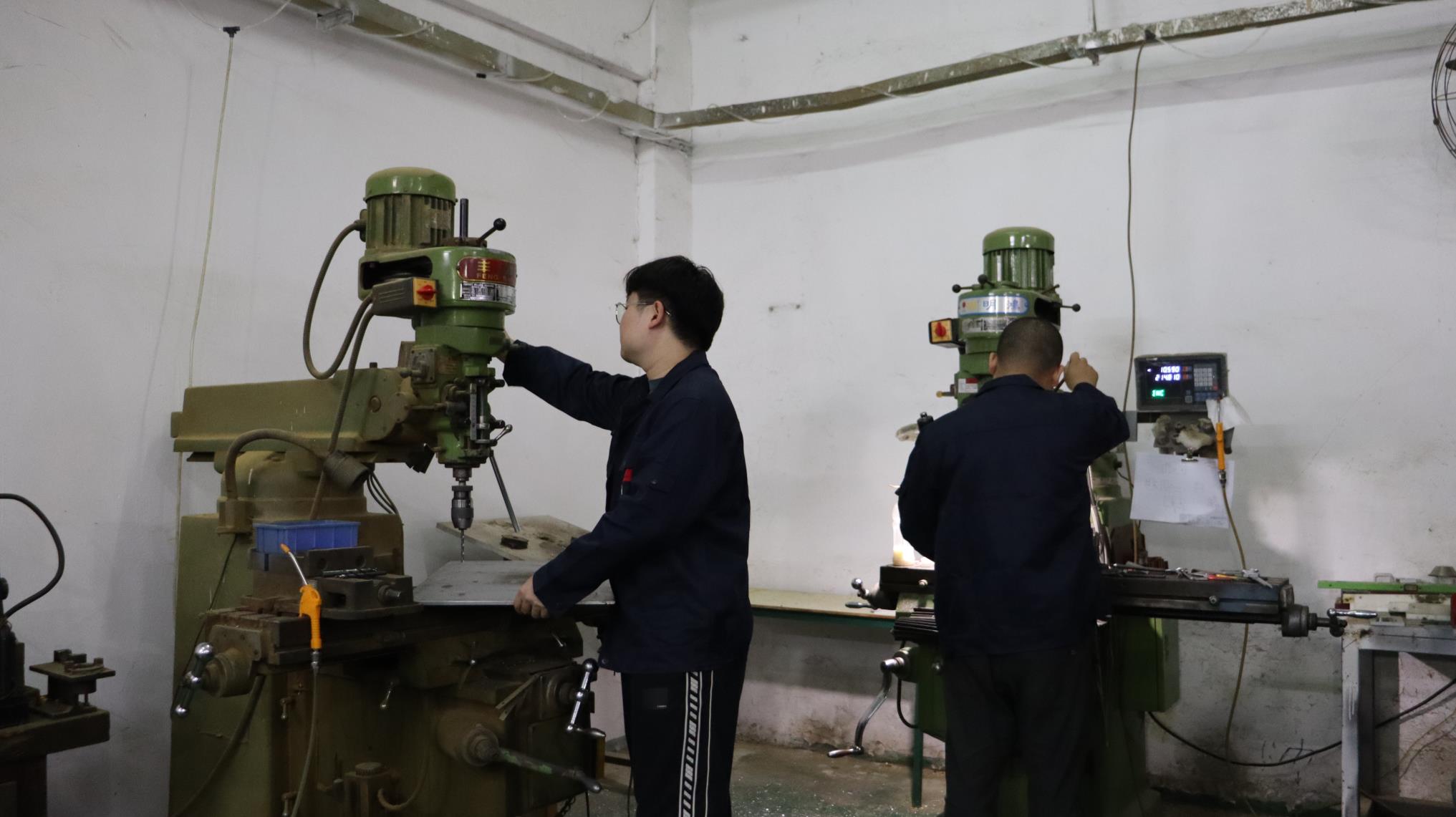
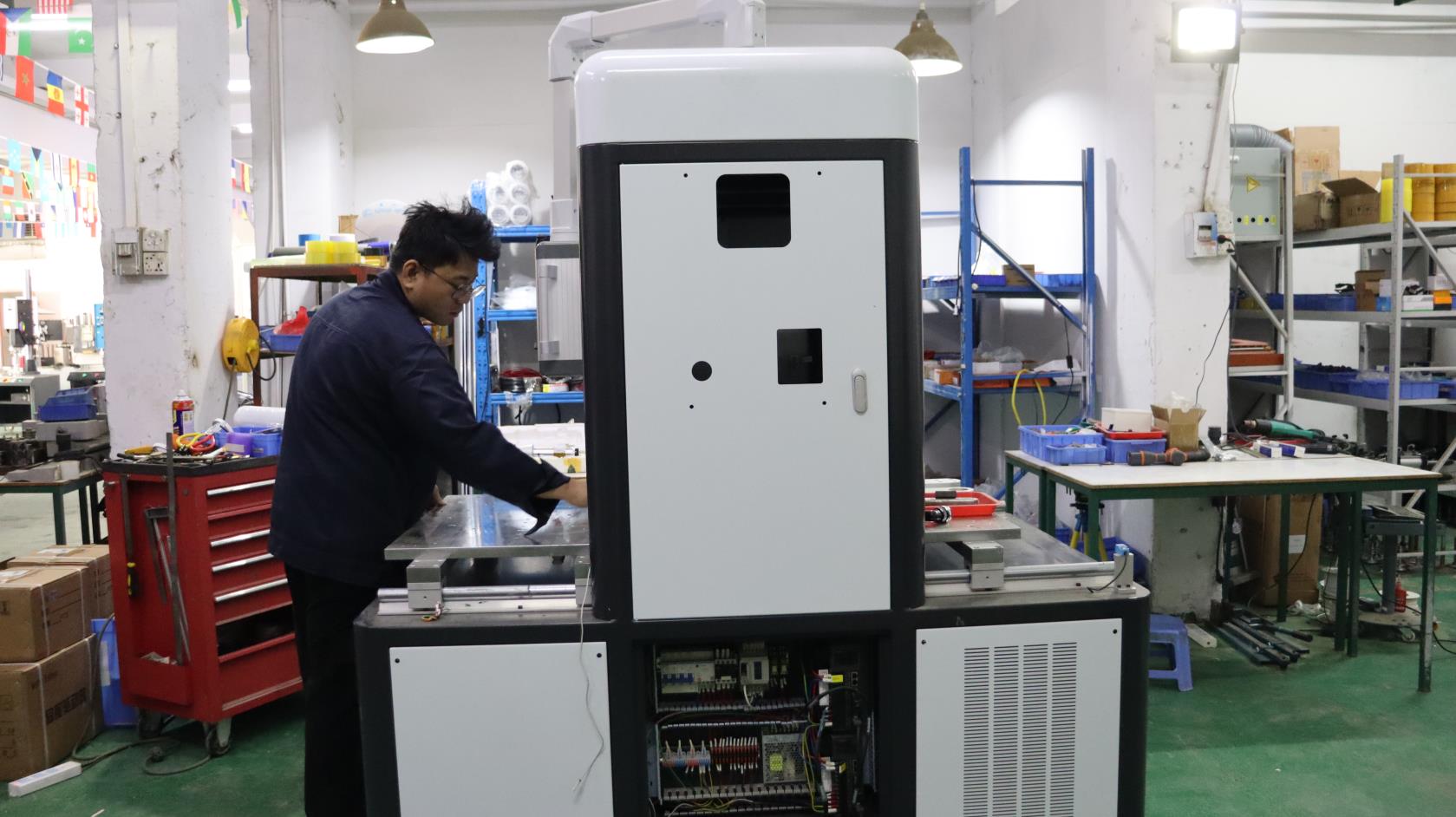
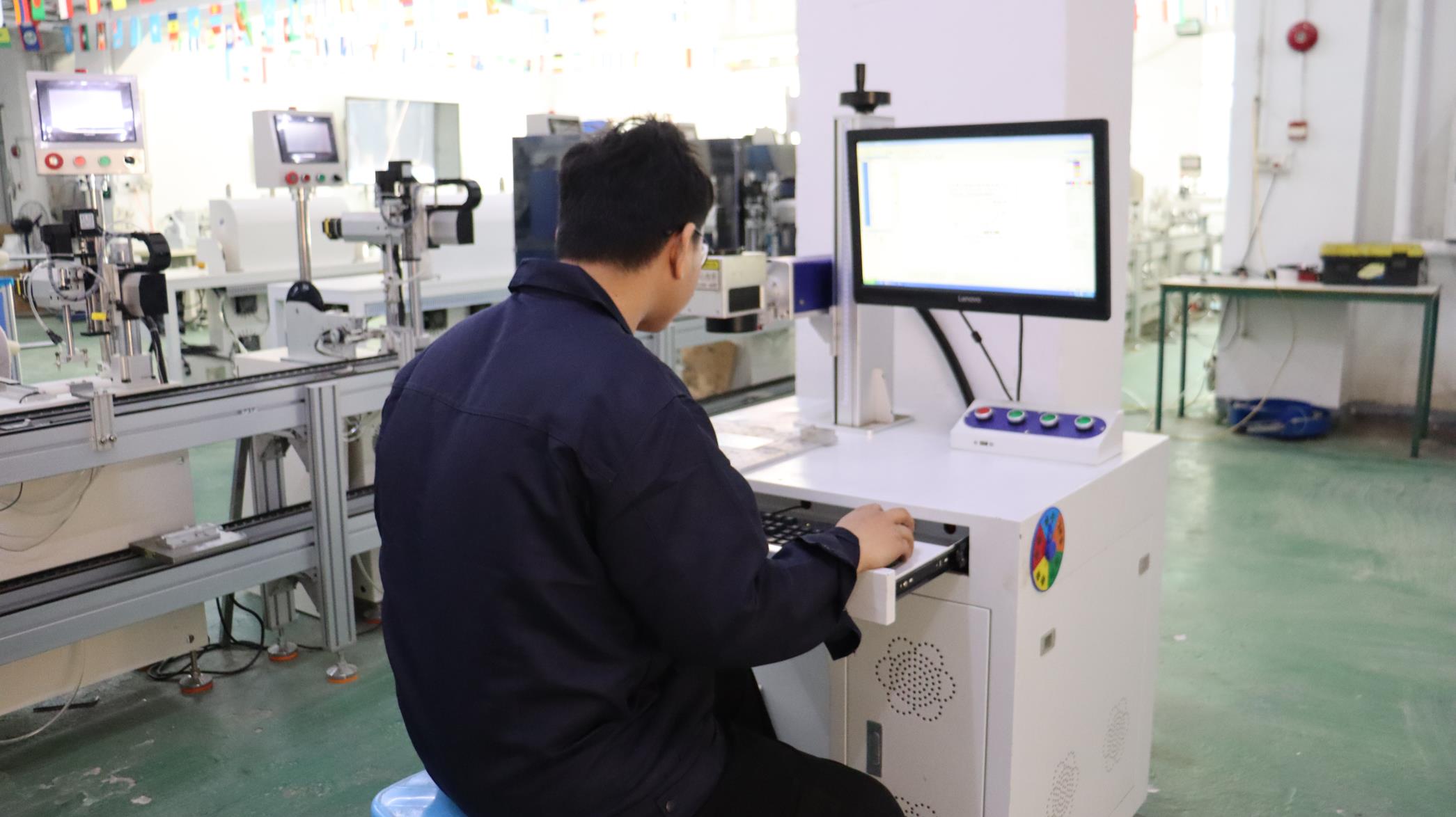
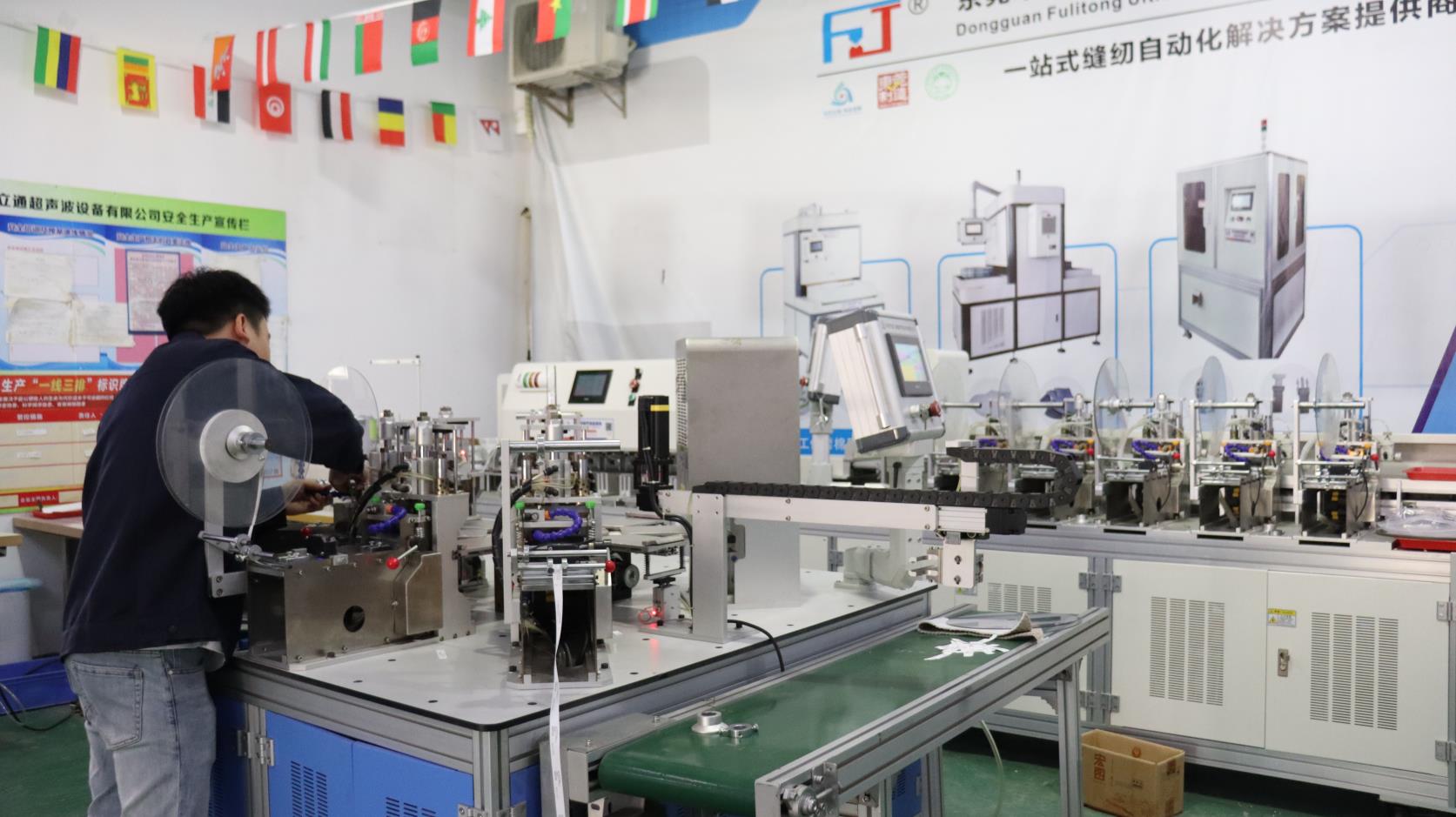
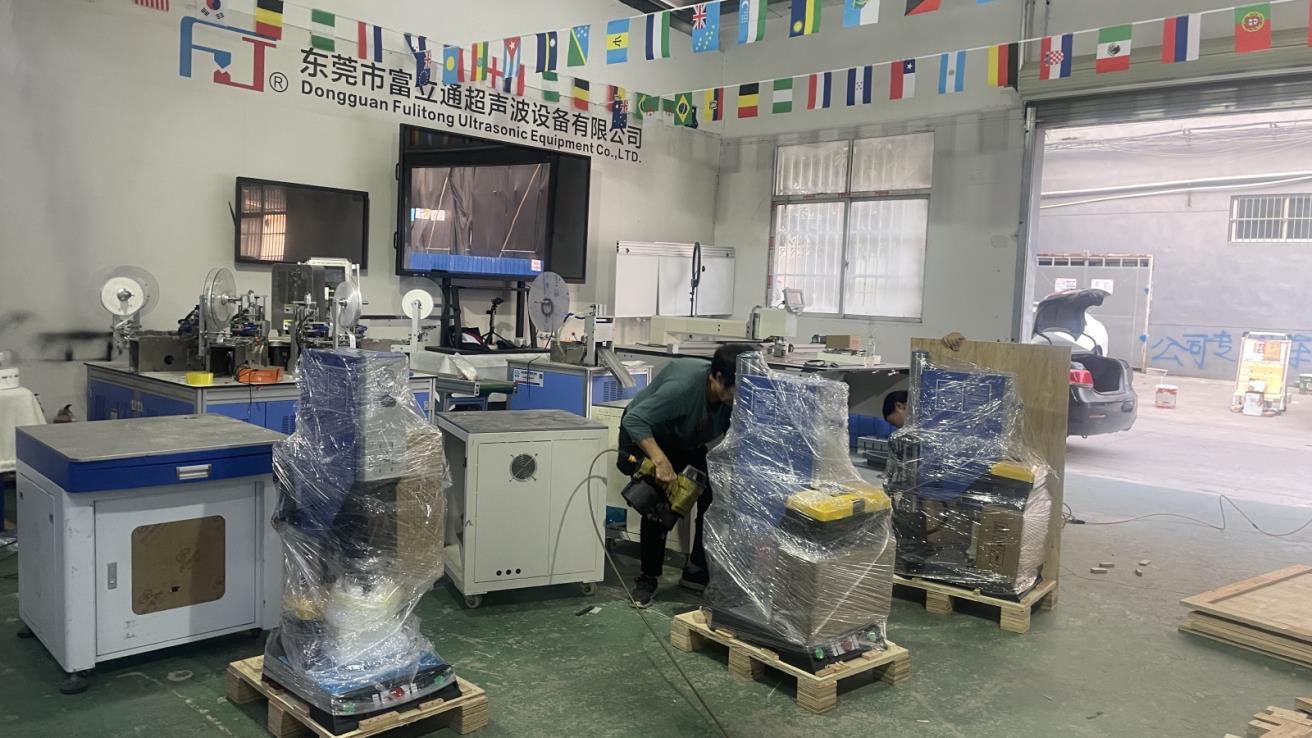
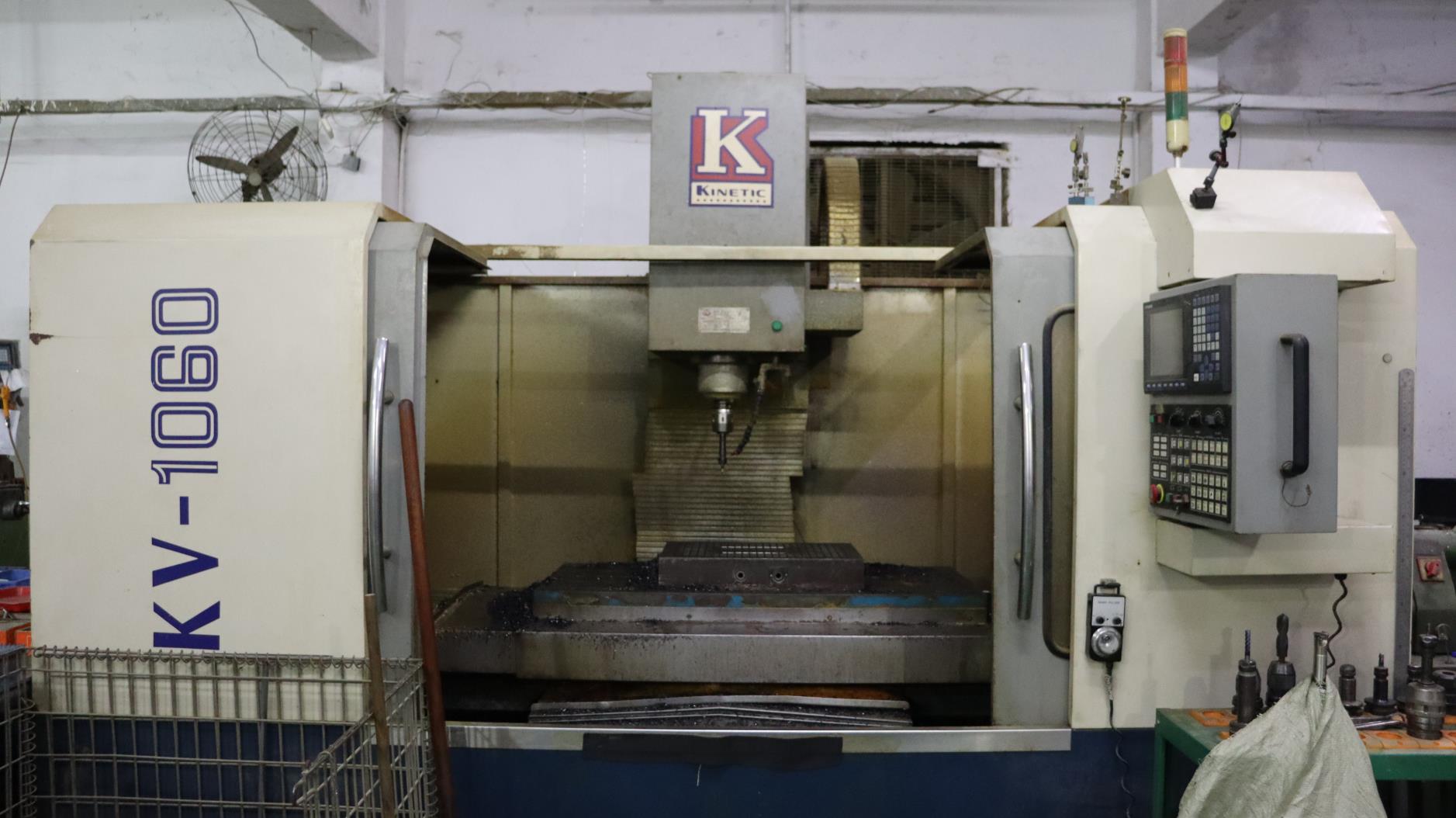
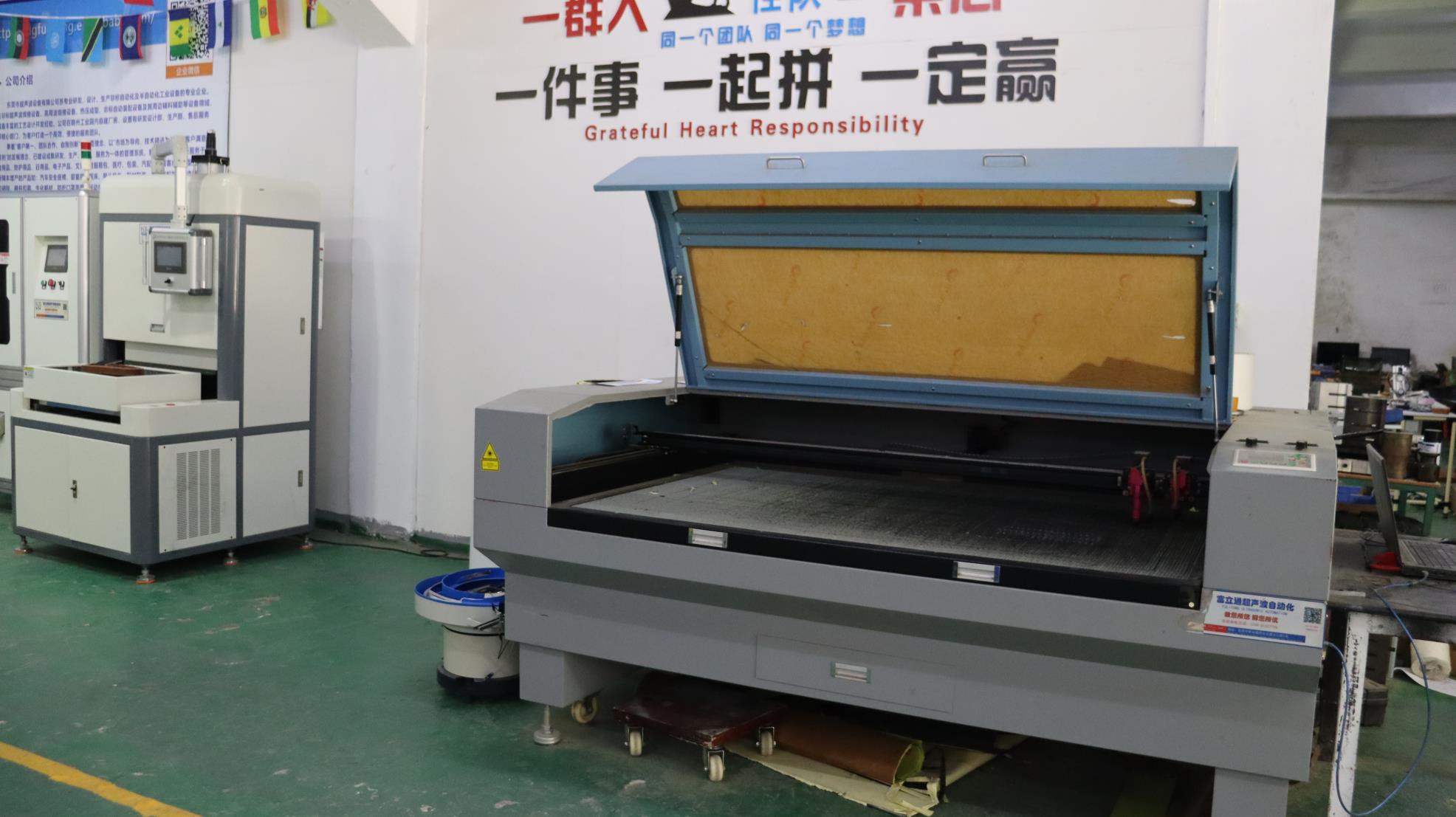
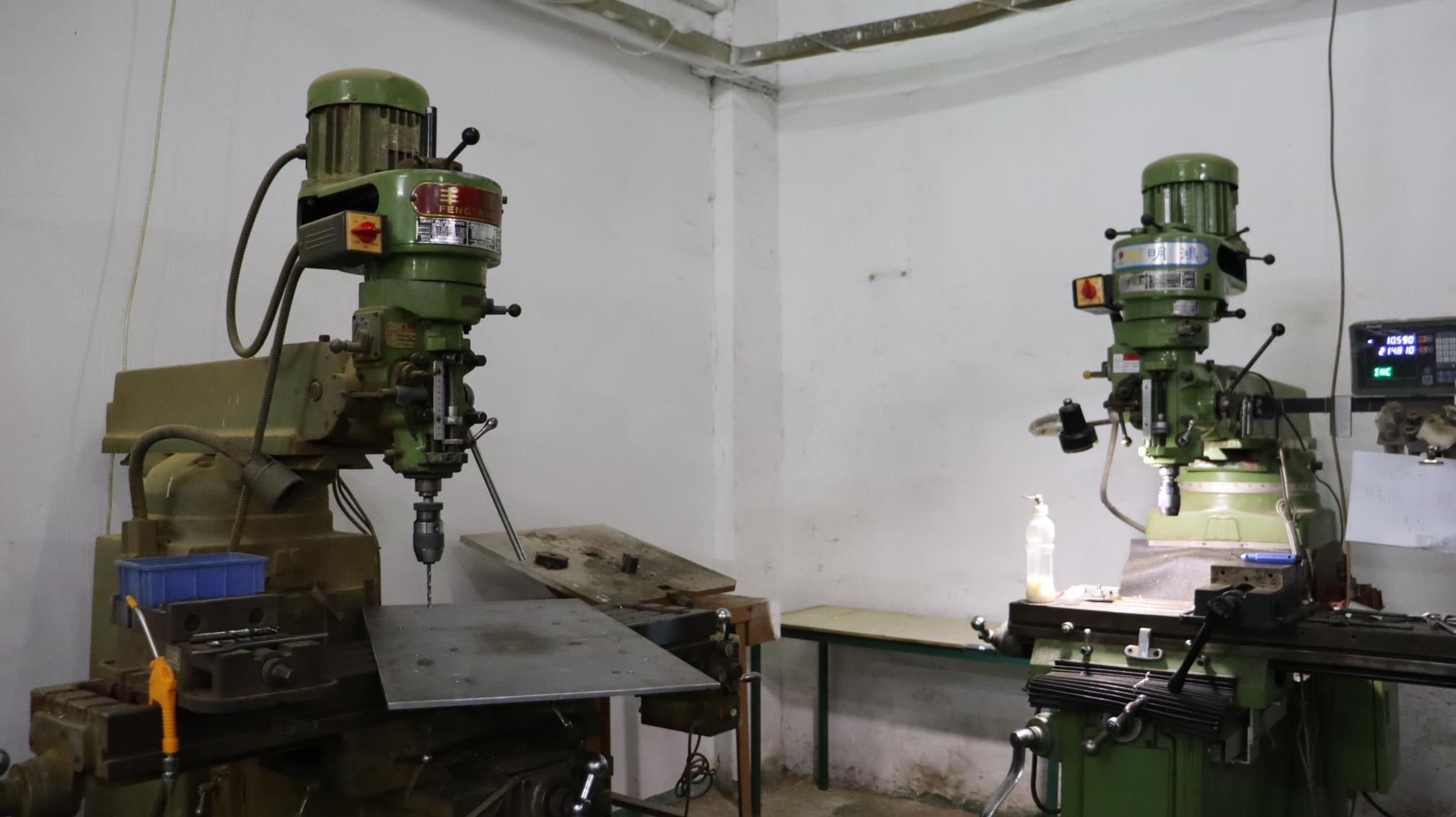
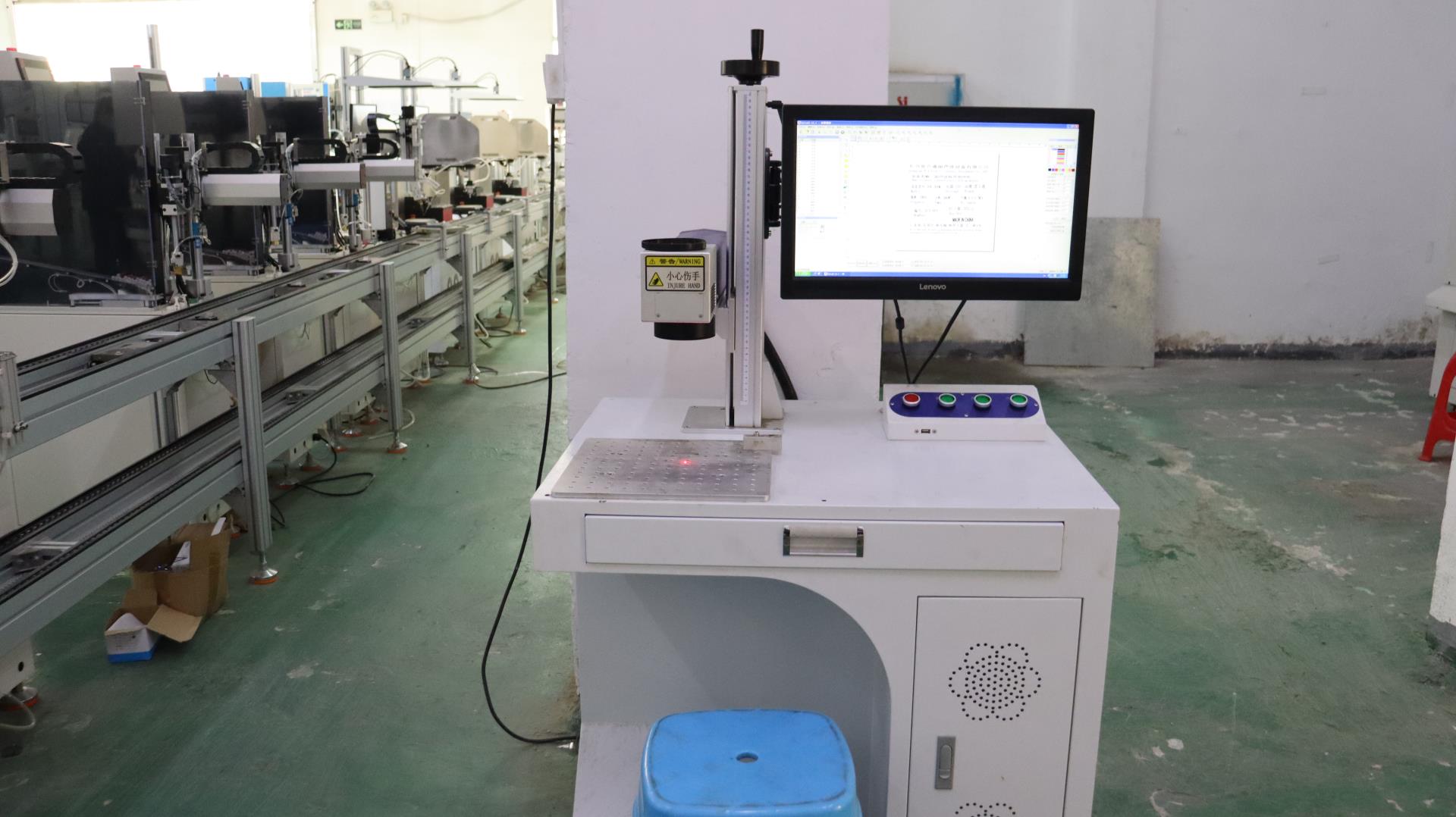
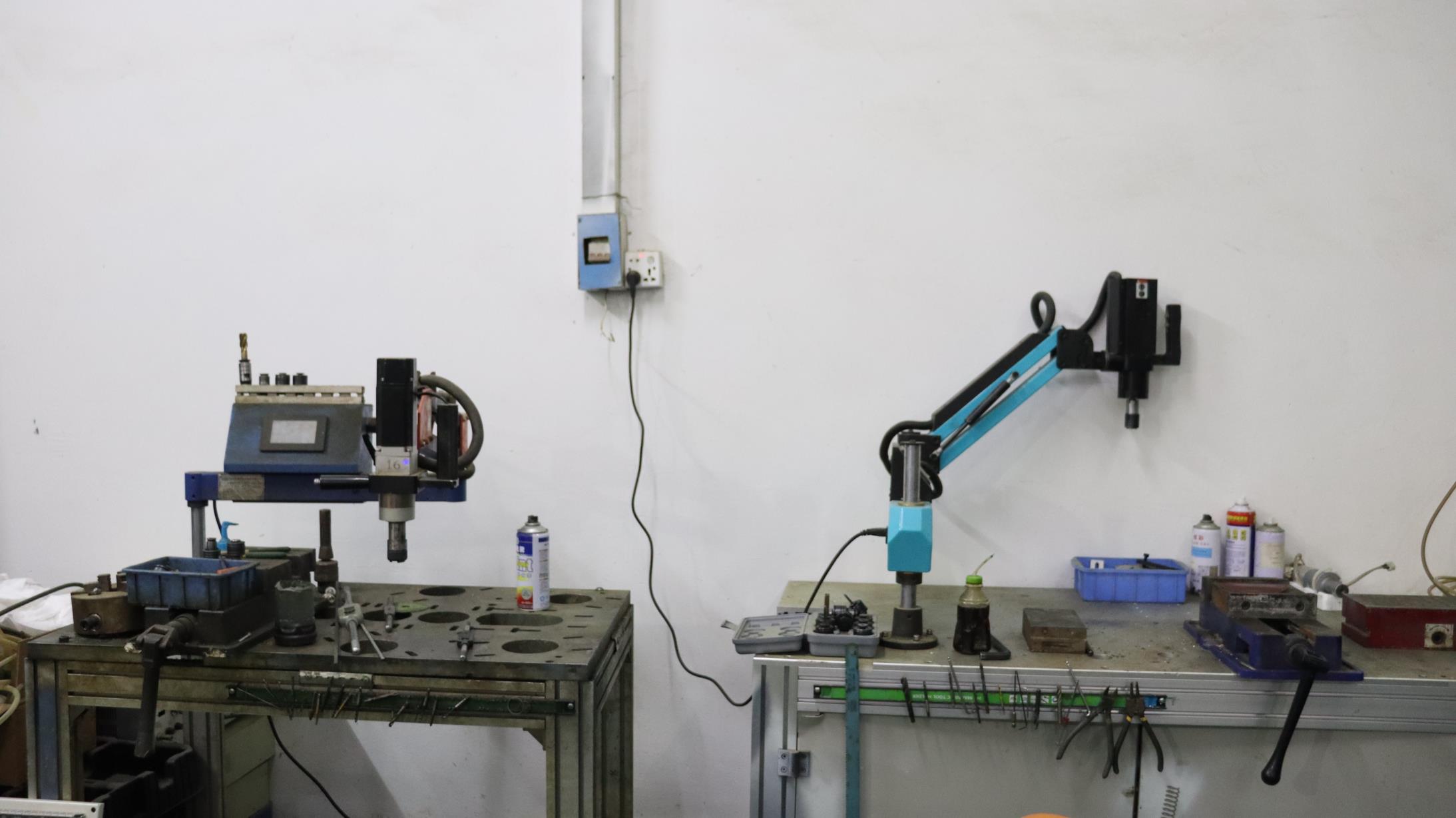
Zhejiang Heping Mechanical Equipment Co., Ltd. is a premier manufacturing enterprise covering 7,000 square meters. We integrate R&D, design, production, and high-tier after-sales service to deliver the world's most reliable welding solutions.
 Heping Mechanical