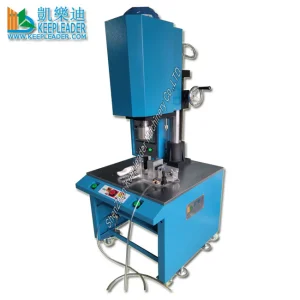
Exploring the technological convergence of precision polymer bonding in the Caribbean region.
Dominica, traditionally celebrated for its natural wealth, is rapidly positioning itself as a hub for eco-responsible processing, clean water supply infrastructure, and high-performance agricultural storage systems. Under the island's transition toward sustainable growth, local enterprises are increasingly demanding automated technologies that minimize energy footprint while delivering impeccable structural integrity. Traditional thermal plastic joining methodologies—such as chemical adhesive applications and standard hot-plate fusion—are being phased out. Modern plant operators require high-efficiency, contamination-free alternatives.
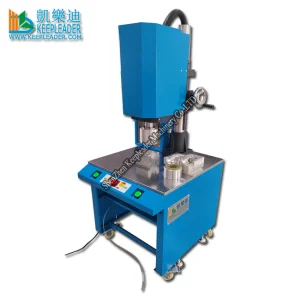
This is where Zhejiang Heping Mechanical Equipment Co., Ltd. steps in. As a premier global manufacturer, we specialize in high-capacity Rotary Spin Plastic Welding Machines engineered to meet Dominica's unique commercial criteria. From the fabrication of robust PP/PE water tanks to circular liquid filters for regional aquaculture projects, our friction welding systems leverage orientation-controlled servo technology to produce hermetically sealed joints that withstand high pressure, corrosive marine environments, and seismic fluctuations.
High-speed rotary fusion machinery optimized for high-pressure fluid control, filtration systems, and circular structural integrity.
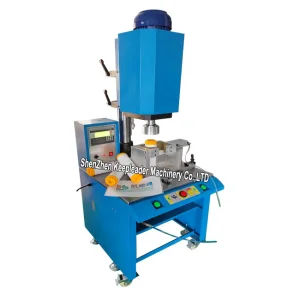
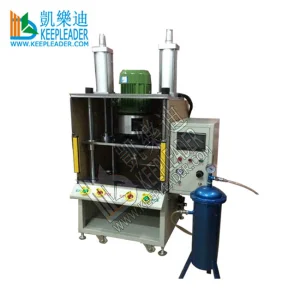
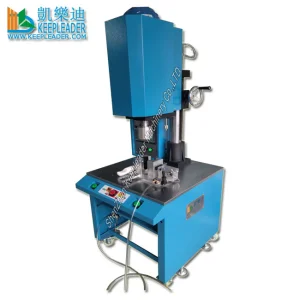
Rotary spin friction welding is a highly specialized bonding technology designed exclusively for cylindrical, round, or spherical thermoplastic components. The underlying physical principle relies on mechanical friction: one part is held stationary within a customized lower fixture, while a matching part is held in a rotating upper chuck. Under controlled downward pneumatic or servo pressure, the upper component is spun at speeds typically ranging from 1,000 to 4,000 RPM.
The intense frictional heat generated at the circular joint interface causes the polymers (such as polypropylene, polyethylene, nylon, or ABS) to transition rapidly into a molten, visco-elastic state. Once the optimal melt phase is reached, rotation is abruptly stopped (with orienting accuracy in servo models reaching ±0.1 degrees), and an axial forging force is sustained for a predetermined hold time. This allows the polymer chains to interlace across the boundary, creating a molecular-level weld that matches or exceeds the tensile strength of the raw parent material.
In Dominica, industrial production must withstand high relative humidity and salt-laden coastal atmospheres. Traditional adhesive bonds degrade rapidly under these conditions. Our machinery's mechanical friction fusion removes the reliance on chemical bonding, ensuring that locally manufactured agricultural storage tanks, plumbing fittings, and rainwater collection systems maintain a lifecycle of 20+ years. Furthermore, our machines feature heavy-duty corrosion-resistant finishes to ensure long-term stability in tropical microclimates.
State-of-the-Art Production Facility & Custom Non-Standard Engineering Capabilities
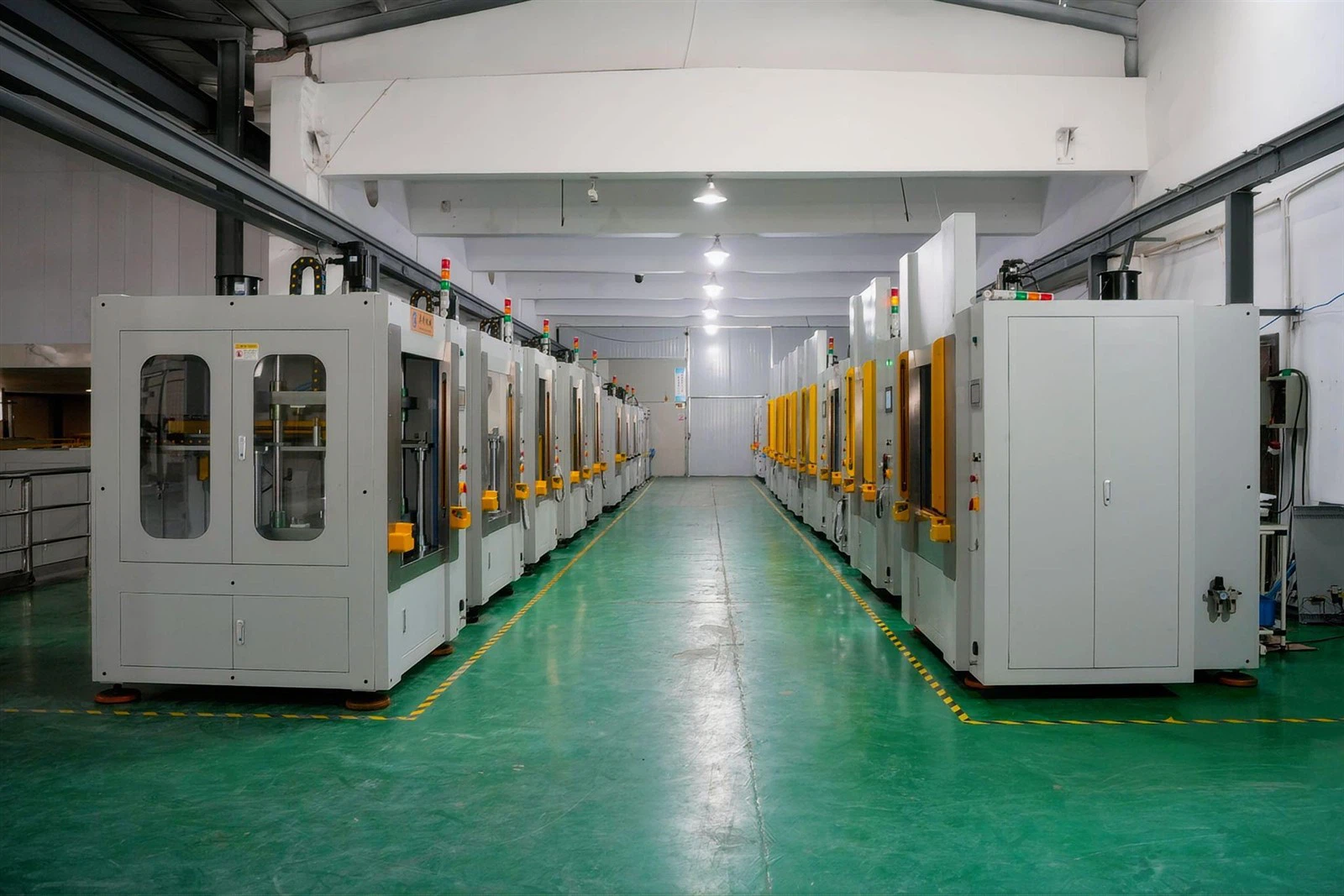
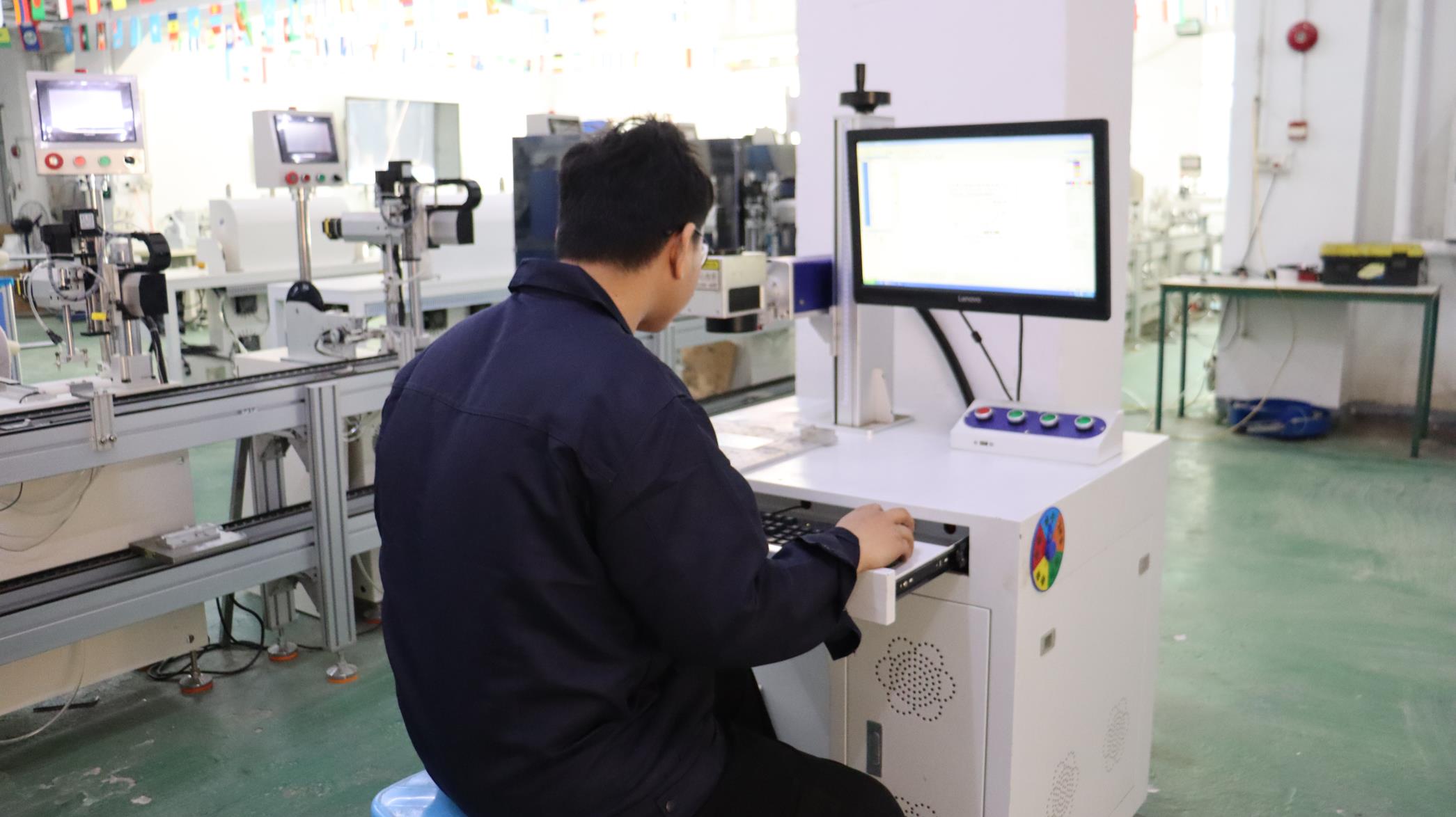
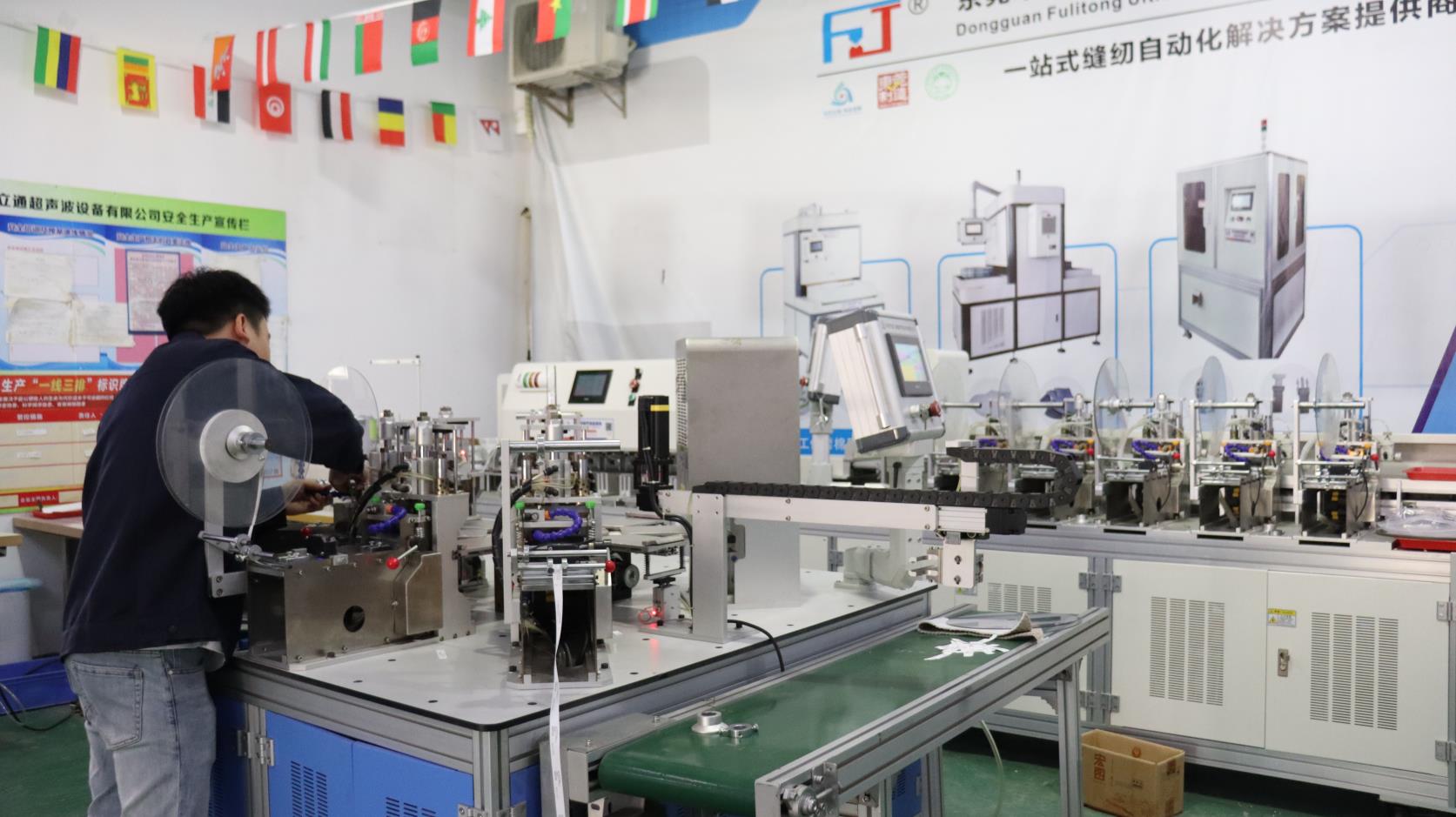
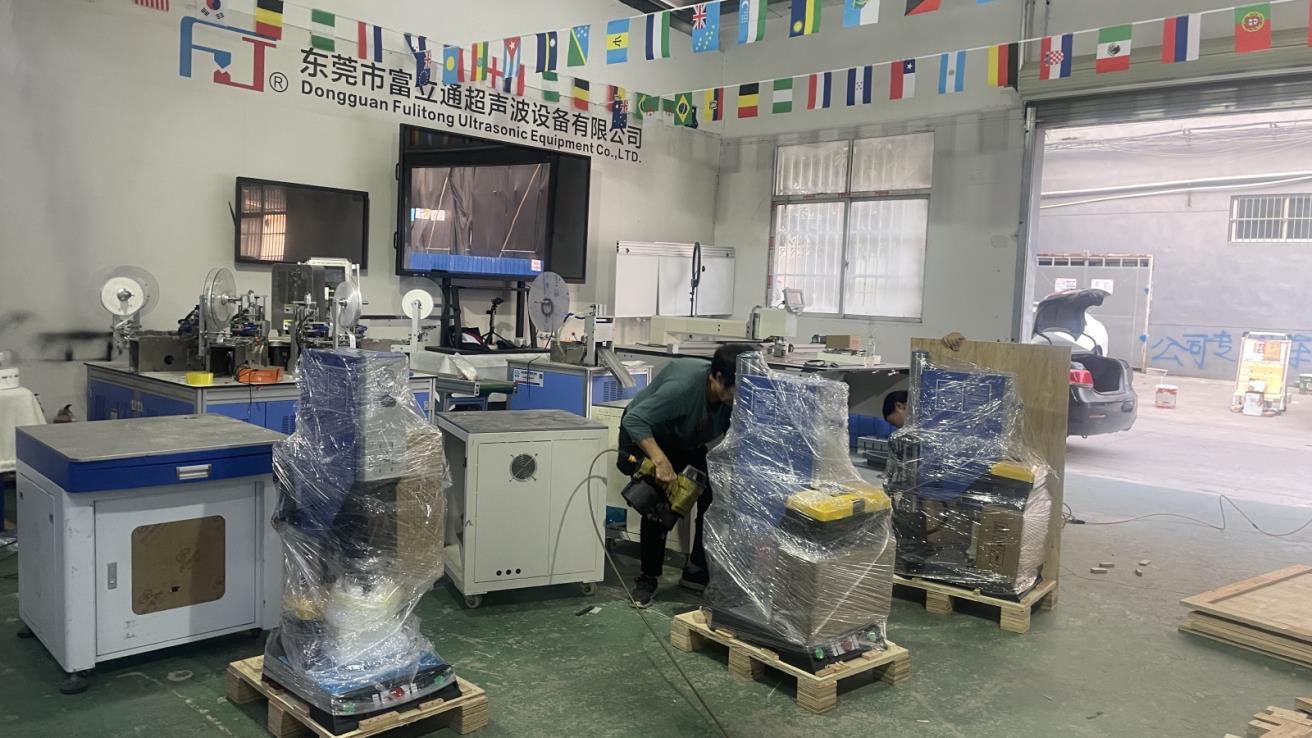
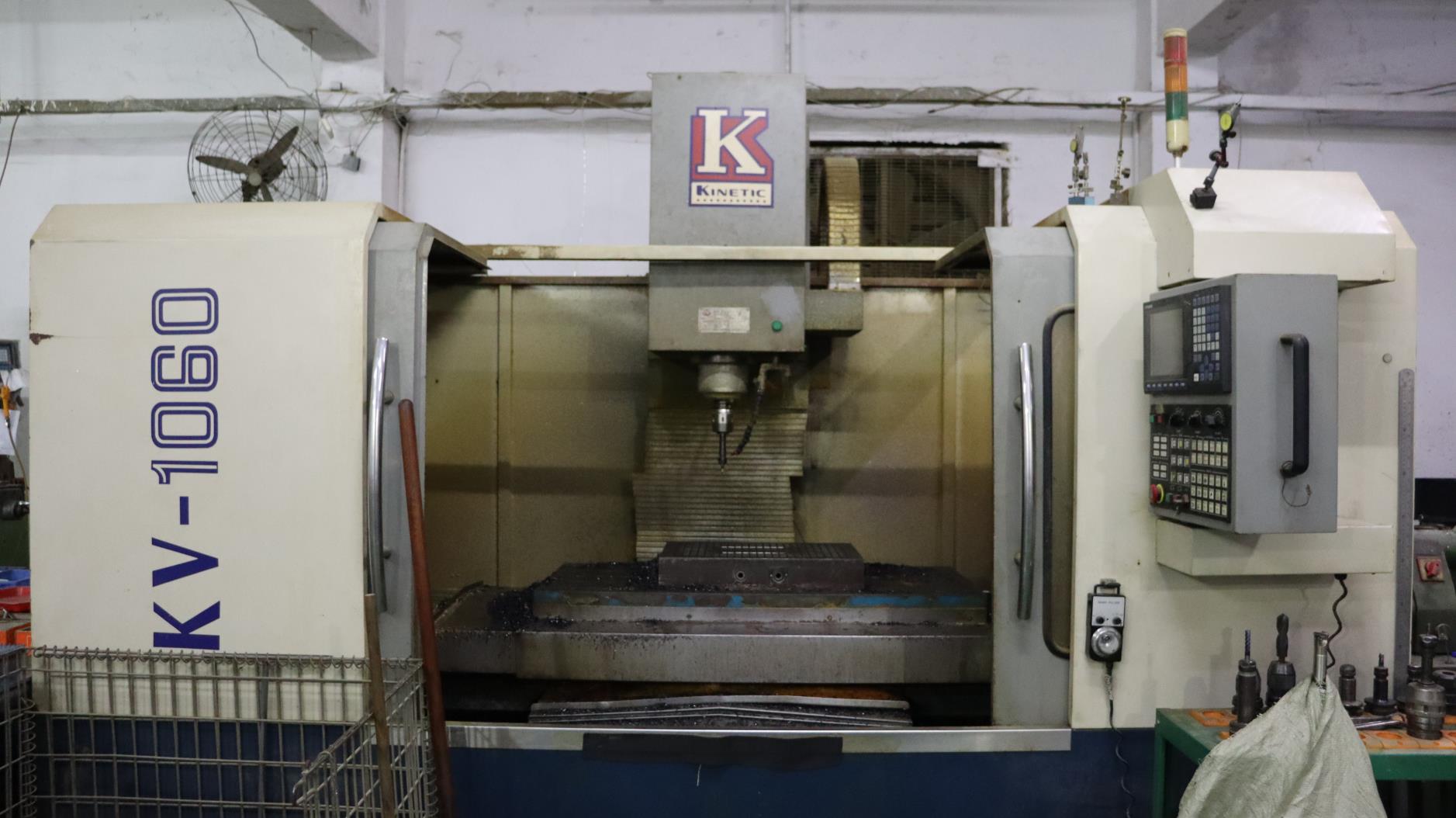
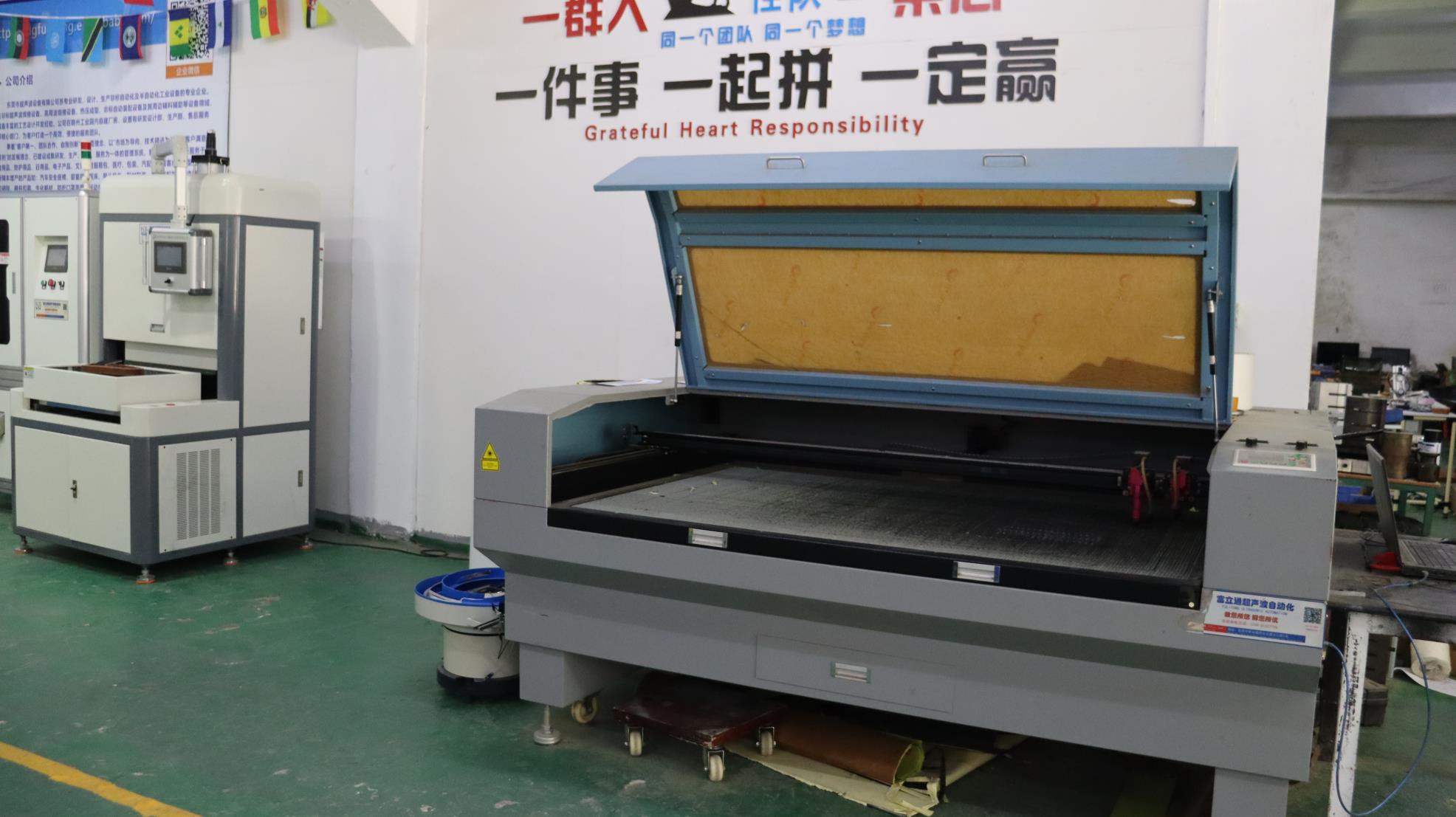
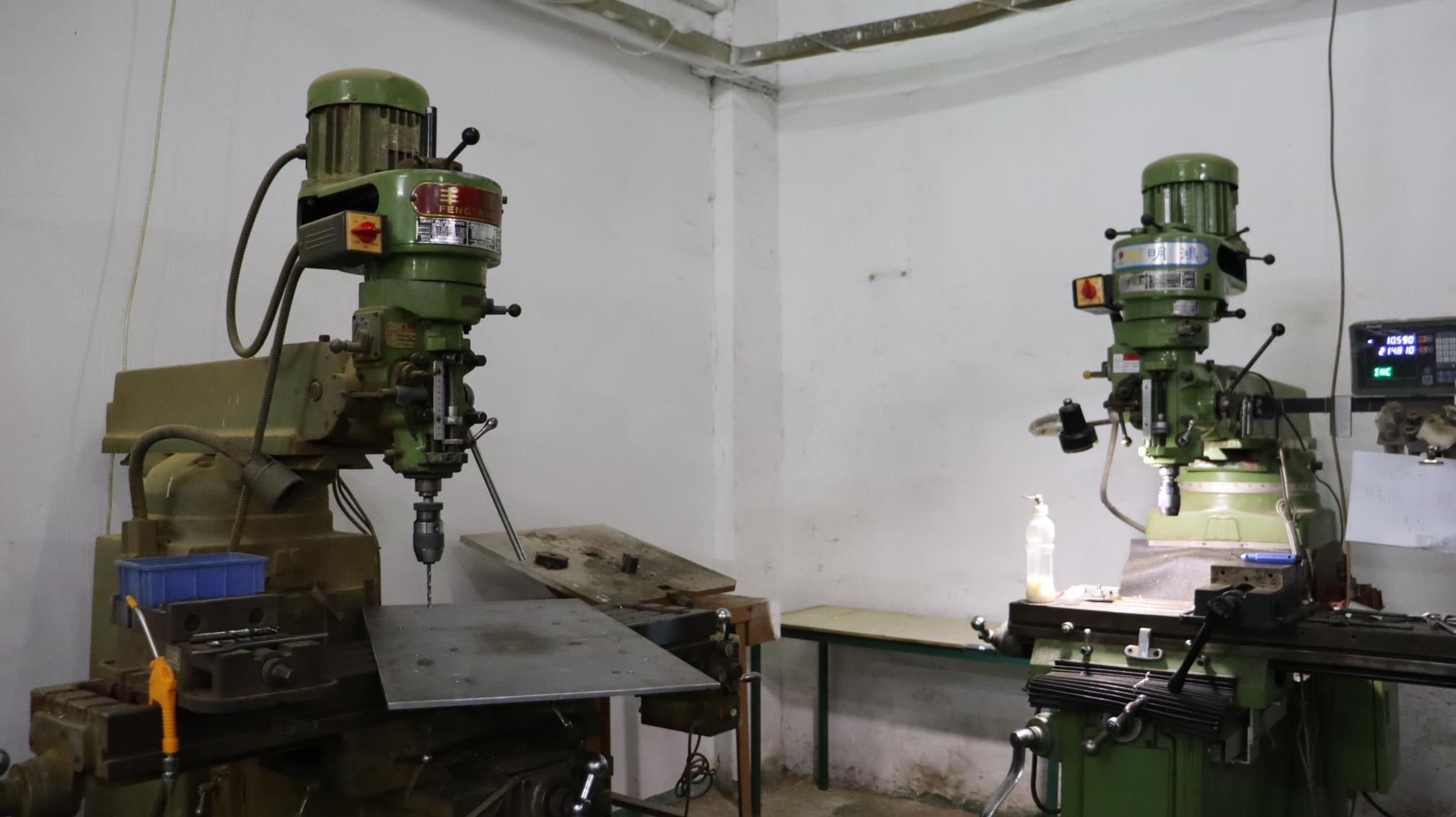
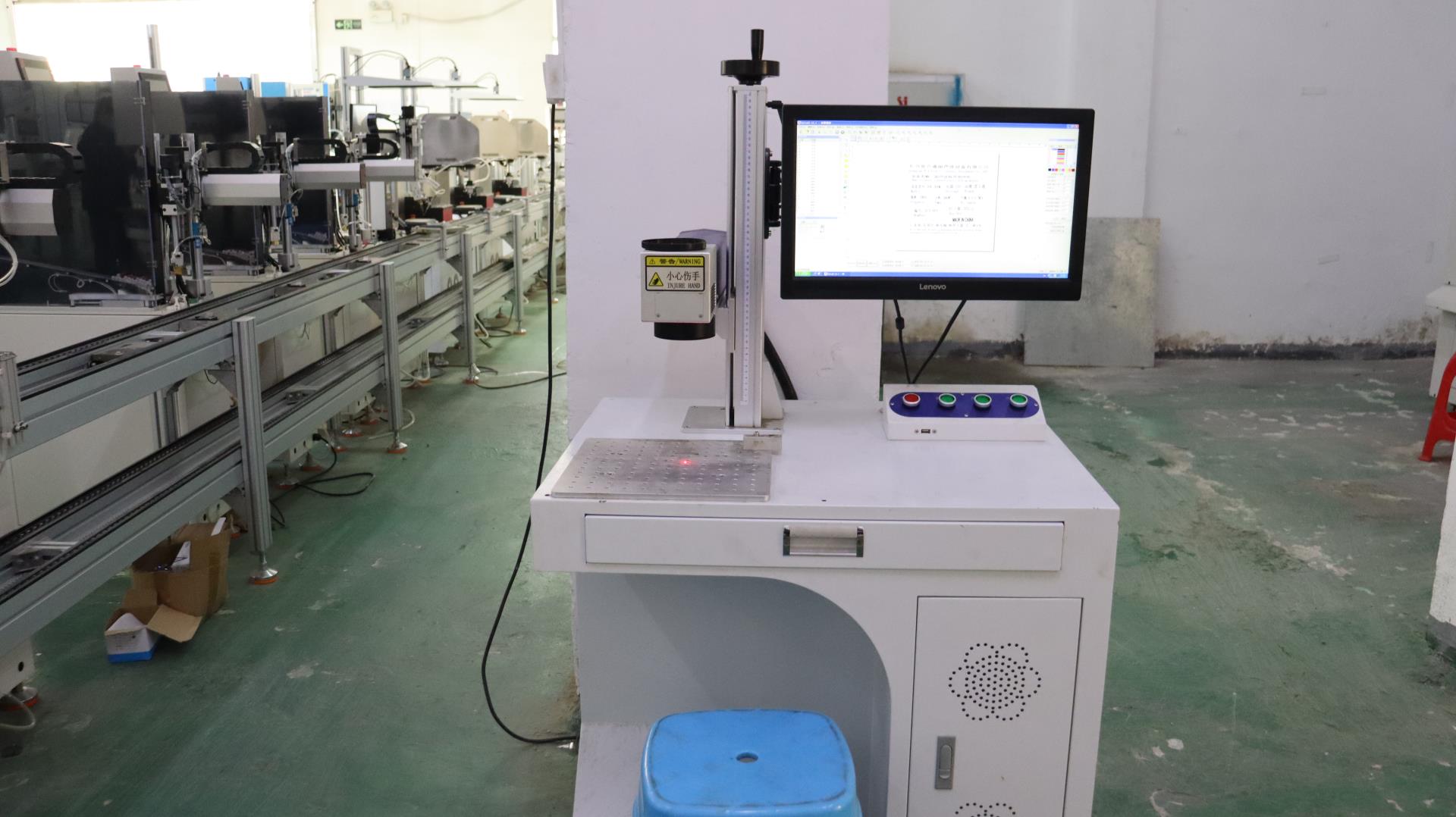
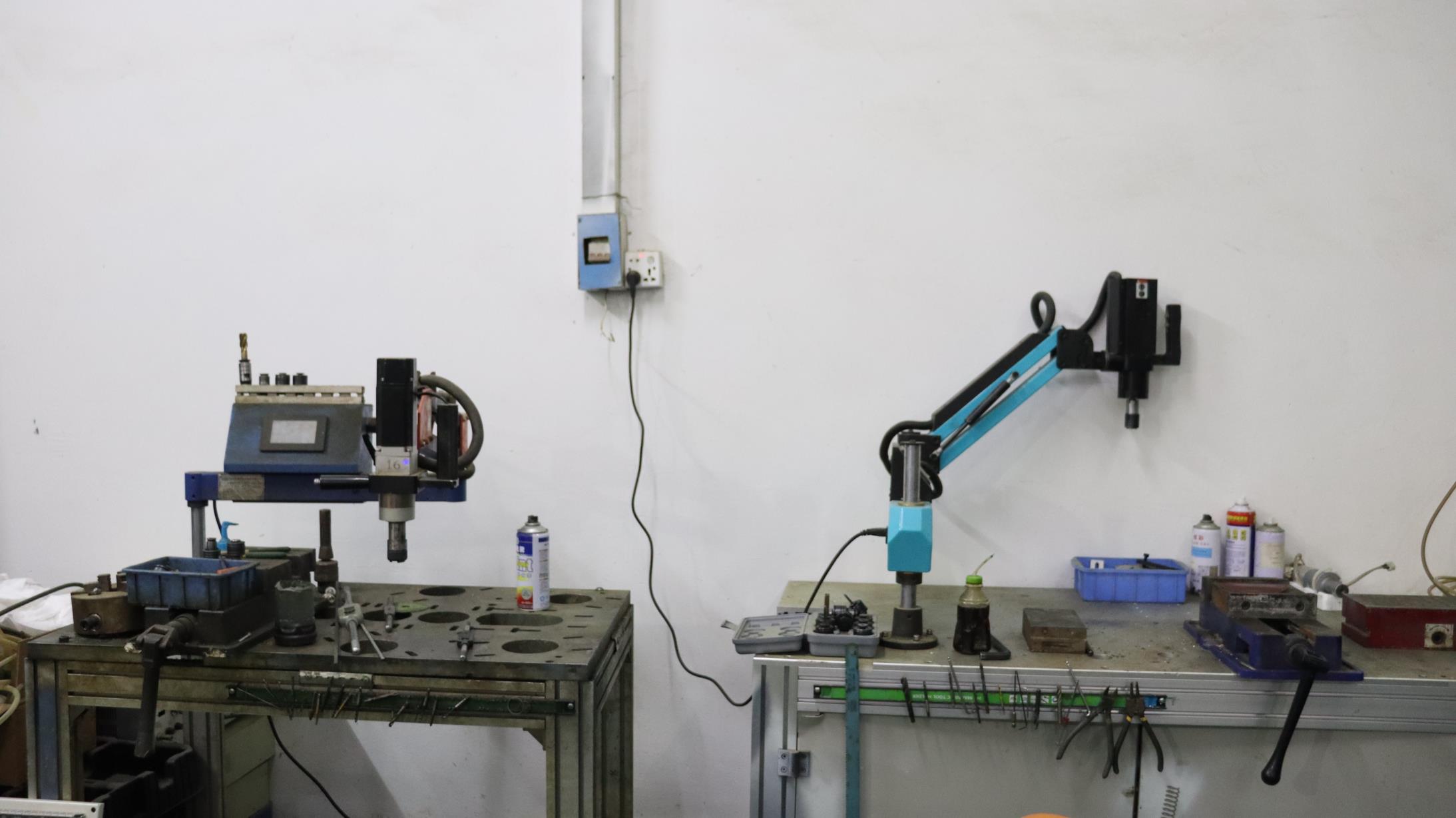
Covering a factory building area of 7,000 square meters, we are a manufacturing enterprise integrating plastic welding, R&D design, production and manufacturing, as well as sales and service. Our high-precision engineering center is fully equipped with advanced CNC vertical machining centers, laser engraving and cutting machines, and tapping tools to deliver non-standard customizations.
Whether your project in Dominica requires special-purpose horns, quick-change tooling fixtures, or fully automated multi-station turntables, our engineering team designs equipment customized to your material properties, wall thickness, and output requirements.
Utility Patent Certificates: The company has obtained 6 utility model patent certificates, with patent numbers including: ZL202420005404.9, ZL202420005354.4, ZL202420005309.9, and ZL201921574530.
We possess strong capabilities in the design, R&D and production of non-standard mechanical products, and can customize various special-purpose mechanical equipment according to customer needs.
We strive to let customers share our core advantages—high quality, excellent service and impeccable welding performance—enabling you to operate without worries in the highly competitive market.
We have a team of high-quality, skilled and experienced engineering and technical personnel, who provide customers with more professional, efficient and comprehensive after-sales service.
From raw metal structural fabrication to final calibration and shipping, quality control is integrated into every step.
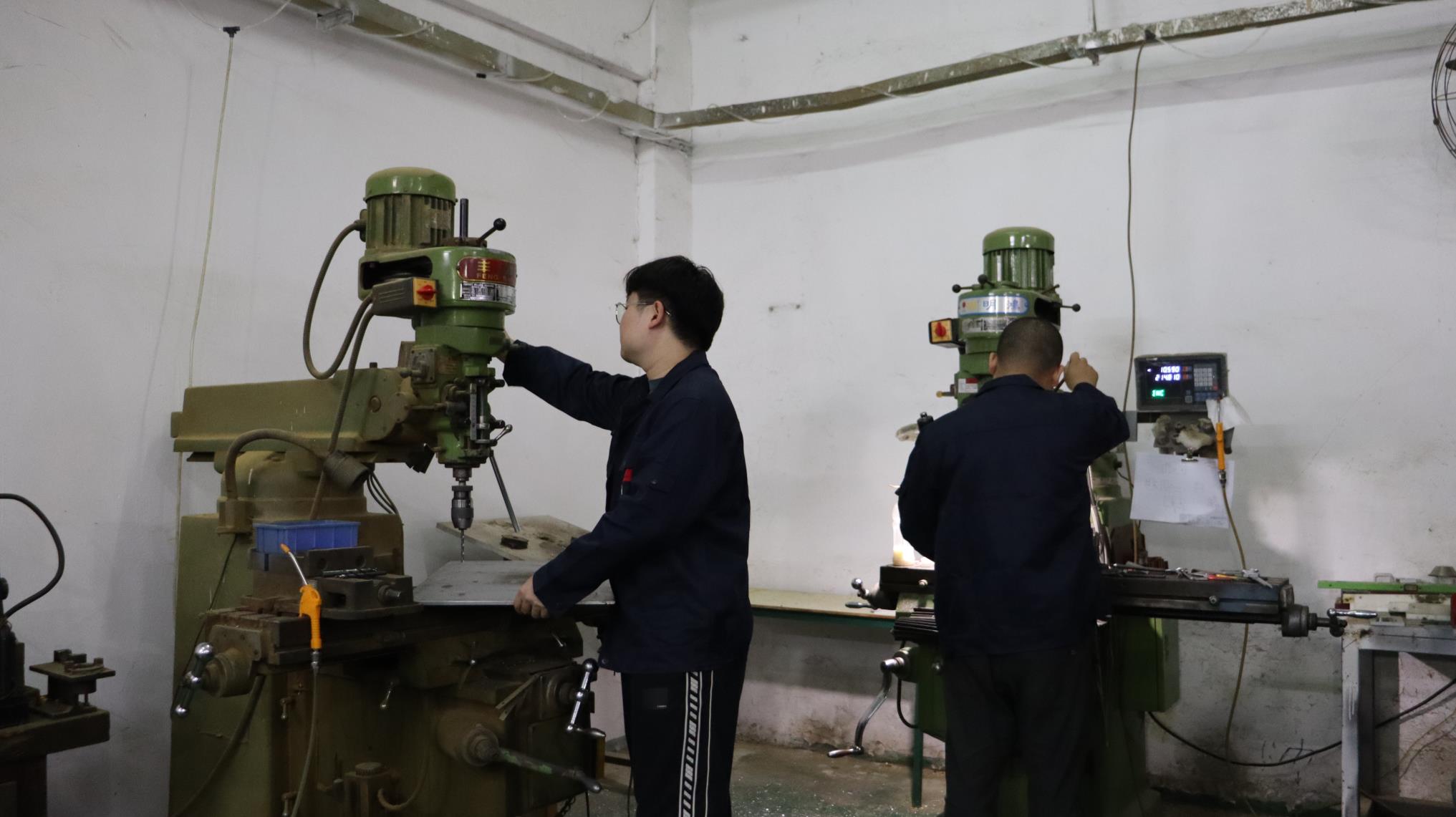
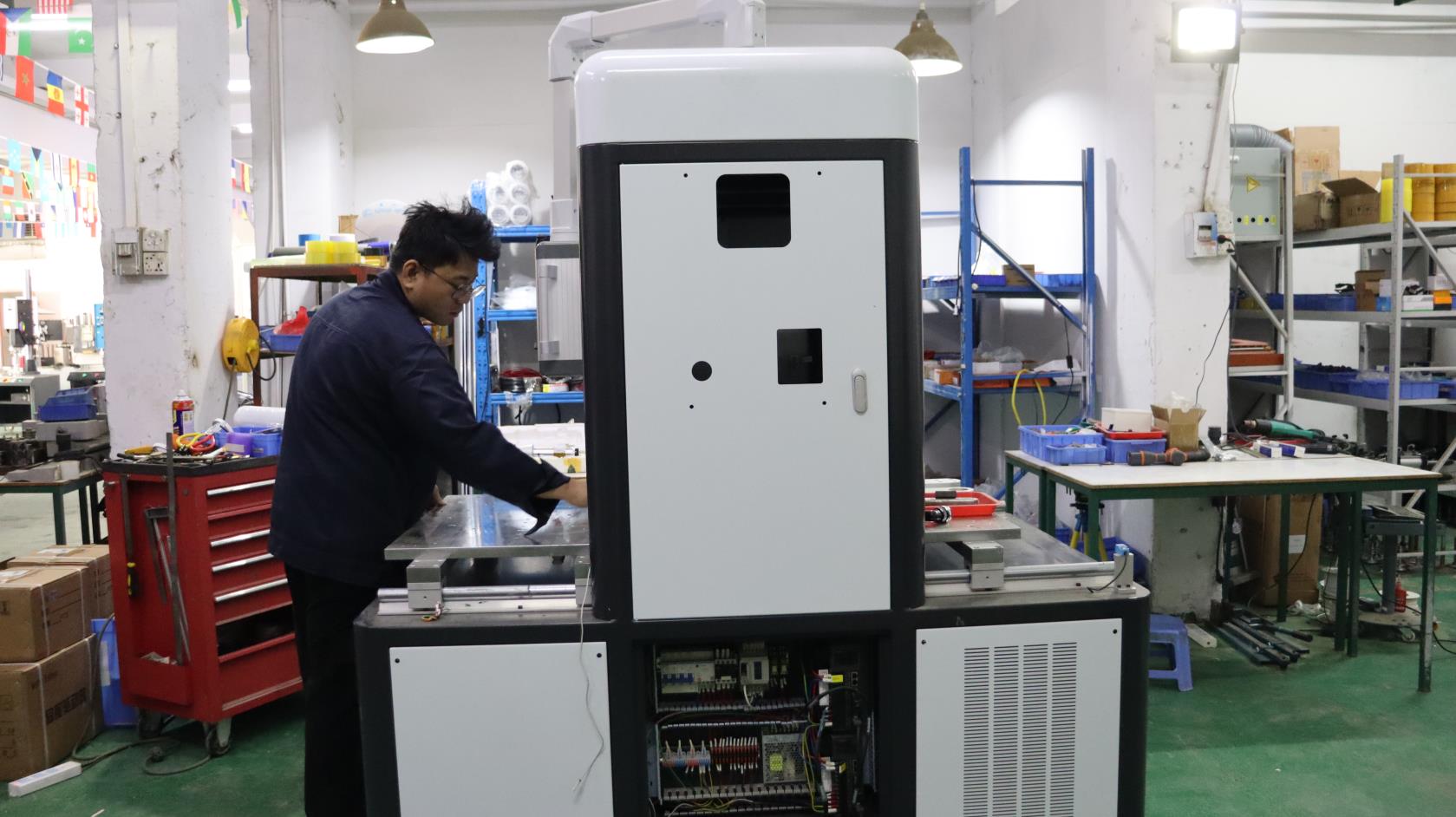
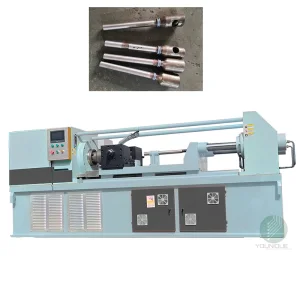
A comprehensive selection of rotary friction equipment for thermoplastic, copper, aluminum, and bimetallic piping systems.
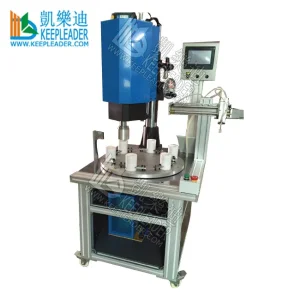
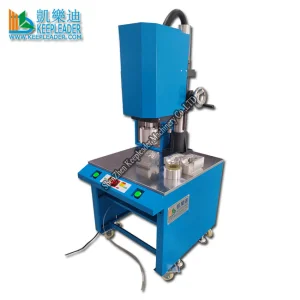
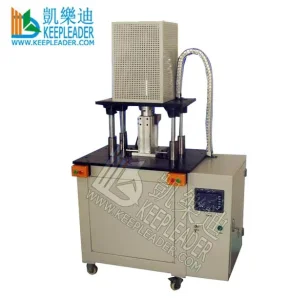
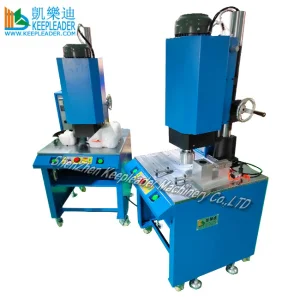
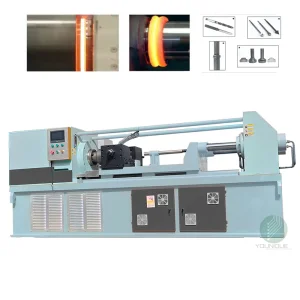
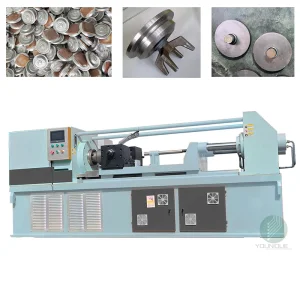
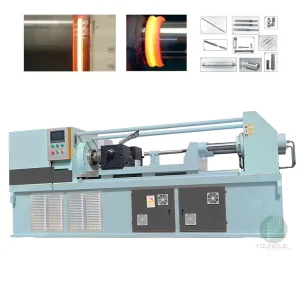
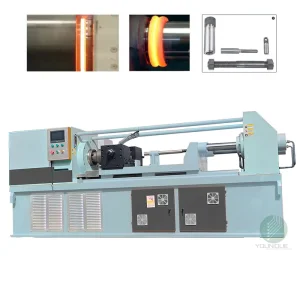
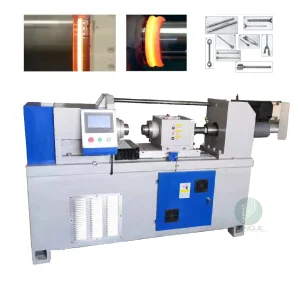
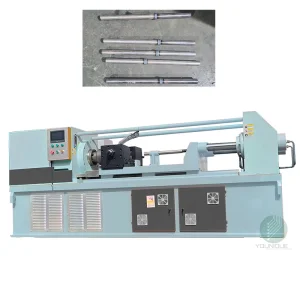
Procuring industrial machinery from China for deployment in Dominica requires systematic planning across multiple parameters. We recognize that regional logistics, import duties, electrical grids (compatibility with 220V/380V/440V, 50/60Hz configurations), and ongoing service availability are key concerns for operations and purchasing managers. At Zhejiang Heping, we integrate premium international subcomponents into our machines—such as Schneider or Siemens PLCs, SMC Pneumatic units, and Delta/Yaskawa Servo Systems—to guarantee that parts can be sourced locally in the Caribbean or Central America if rapid replacements are ever needed.
1. Material Compatibility & Viscosity: Polar polymers like PP and PE have distinct melt flow index properties. Our engineering team conducts material flow tests prior to shipment to ensure the tooling matches the specific resin profile.
2. Weld Joint Design: The joint must feature a dedicated flash trap to gather extruded material during rotation. This keeps the exterior of the weld line aesthetically clean, which is especially important for consumer products like thermo mugs or automotive fluid tanks.
3. Rotational Orientation: For parts that must align at a precise angle after welding (such as water inlet/outlet valves on a car water tank), a Servo-driven spin welder is required. For symmetrical filters where final orientation is not critical, pneumatic spin welders offer a more cost-effective solution.
Technical expertise answers on operations, logistics, and material limitations of spin welding.
 Heping Mechanical